
REVIEW · TOKYO
Tokyo: Sumo Morning Practice Tour in Ryogoku and Photo Shoot
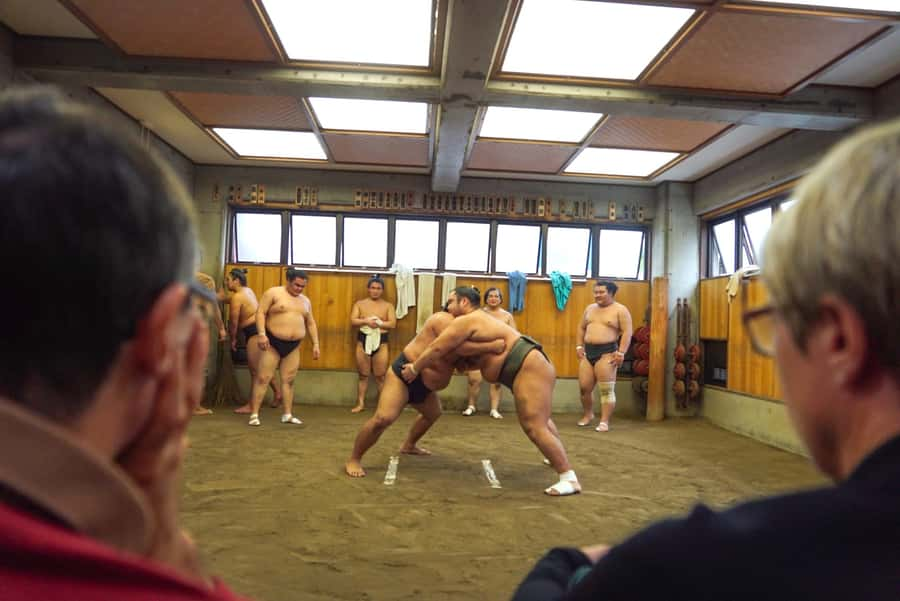
Tokyo’s sumo wrestlers begin work while much of the city is still waking up. This two-hour visit brings you into a working stable in Ryogoku, where you sit on tatami and watch the wrestlers train at close range. It is a rare look at daily sumo life, not a staged demonstration.
I like the small group limit of nine, which makes it easier to hear the English-speaking guide and follow the action. I also like the photo opportunity at the end, plus the chance to learn about sumo rules, customs, training, and diet in one compact morning. The main drawback is that practice can be shortened or canceled without notice, and you must sit on the floor without a chair.
Key points to know before booking
- Morning access to a working sumo stable: You watch wrestlers train rather than attend a public tournament.
- A useful introduction to sumo: Your guide explains the rules, customs, history, training, and food that shape the sport.
- Tatami seating for about 105 minutes: Come prepared to sit on the floor, with no restroom available during the visit.
- Small group of up to nine people: This keeps the experience personal, though seating remains first come, first served.
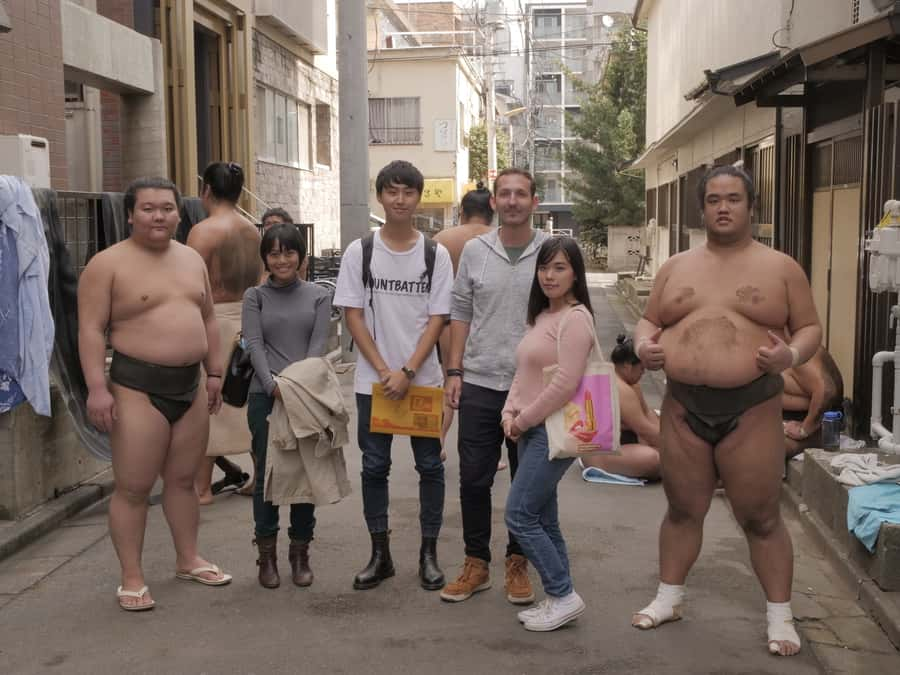
- Photos with wrestlers at the end: A photo session is included, but photography can be limited by the stable.
- A strict start time: Meet outside Re.Ra.Ku by the East Exit of JR Ryogoku Station, not at the nearby Toei-Oedo Line station.
Why a sumo morning matters in Ryogoku
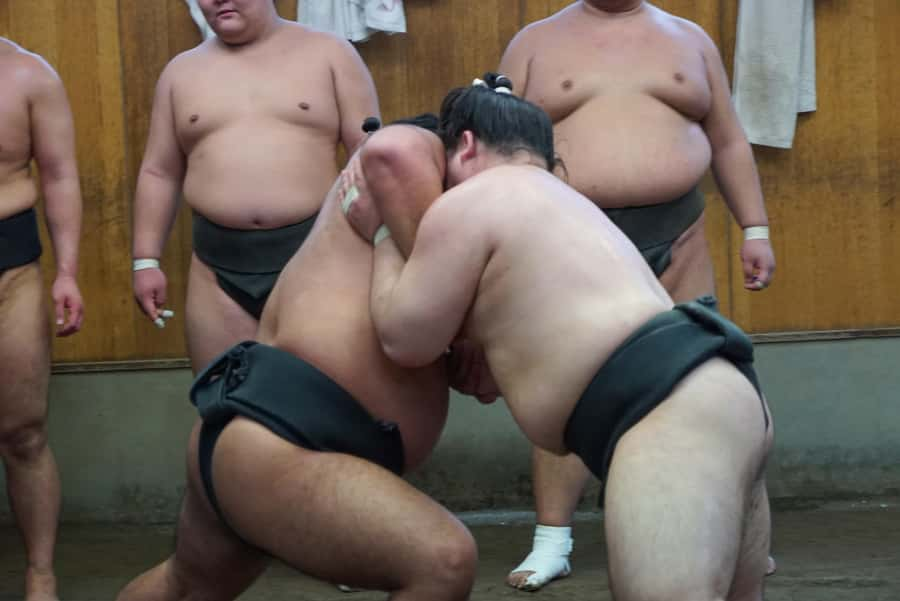
Sumo is easy to see in Tokyo if you attend a tournament, but a tournament shows you the polished public side of the sport. This morning visit shows you the work behind it. You watch the wrestlers repeat movements, build strength, and prepare for competition inside the stable where they train.
That setting gives the experience its value. You are not watching a general cultural performance created for tourists. You are visiting a place where athletes follow a strict daily routine. The stable is a working environment, so the rules are there to protect the wrestlers’ concentration and privacy.
Your English-speaking guide helps you understand what you are seeing. Without context, a training session can look like a series of powerful collisions and long pauses. With an explanation of the rules, rank, customs, training methods, and diet, the practice becomes easier to follow.
The visit has earned a 4.7 rating from 47 published ratings, with repeated praise for the guides and for the close view of training. Marie, one of the guides, is described as enthusiastic and able to explain the sport clearly. Another guide was praised for answering questions and, importantly, for following the stable’s rules with care.
A few more photo experiences around Tokyo worth a look
- Tokyo Ryogoku Sumo Morning Practice + Photo Shoot with Wrestlers
★ 4.5 · 277 reviews - Tokyo Sumo Morning Practice Tour w/ Ring-Side Seat + Photo Shoot
★ 5.0 · 93 reviews - Cappadocia: Sunrise Balloon Watching Tour with Photographer
★ 4.8 · 466 reviews
Meeting at JR Ryogoku Station
The meeting point is outside Re.Ra.Ku Ryogoku Station store, directly by the East Exit of JR Ryogoku Station. This detail matters because Ryogoku has two rail stations. You need the JR station, not Ryogoku Station on the Toei-Oedo Line.
Look for the guide holding a red or orange Magical Trip sign. The meeting point is close to the station, but do not cut the timing too fine. The tour starts on time, and a late arrival cannot join or reschedule. This is not the kind of activity where you can simply catch up with the group inside.
The start time changes by date, so check availability before booking. Since the training takes place in the morning, plan your breakfast and transport around the meeting time. Food and drinks are not allowed during the visit, and there is no restroom available once the tour begins. Use the station facilities beforehand.
The tour does not include hotel pickup. You are responsible for reaching the station and returning to it at the end. That keeps the price lower and makes the experience easier to fit into a wider Tokyo schedule.
Entering a working sumo stable
From the station, the group walks to a sumo stable. The exact stable can vary, and practice may be canceled or shortened without notice. If the stable cancels the session, a full refund is provided, but there is no guarantee that the training will last the full planned period.
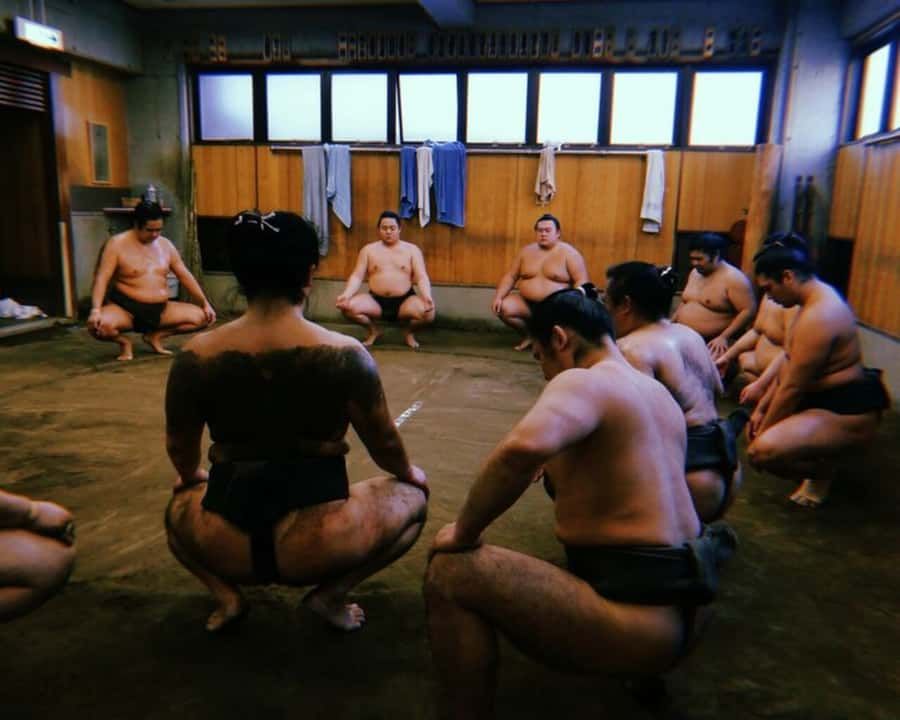
Once inside, you sit on tatami flooring and watch the morning practice. There are no chairs. You may be seated close enough to notice the scale of the athletes, but you must remain in the areas permitted by the stable. Do not enter restricted spaces or interrupt the practice.
This is where the small group helps. With no more than nine people, the guide can explain what is happening without turning the visit into a large classroom. Still, seating is first come, first served, and a group may be split. If you are booking with friends or family, do not assume everyone will sit together.
The experience is quiet and formal. You are expected to watch respectfully, follow instructions, and avoid behavior that distracts the wrestlers. Removal from the stable is possible if you break the rules, and there is no refund in that situation. The restrictions may feel strict, but they are part of visiting a real training space.
Watching the morning practice
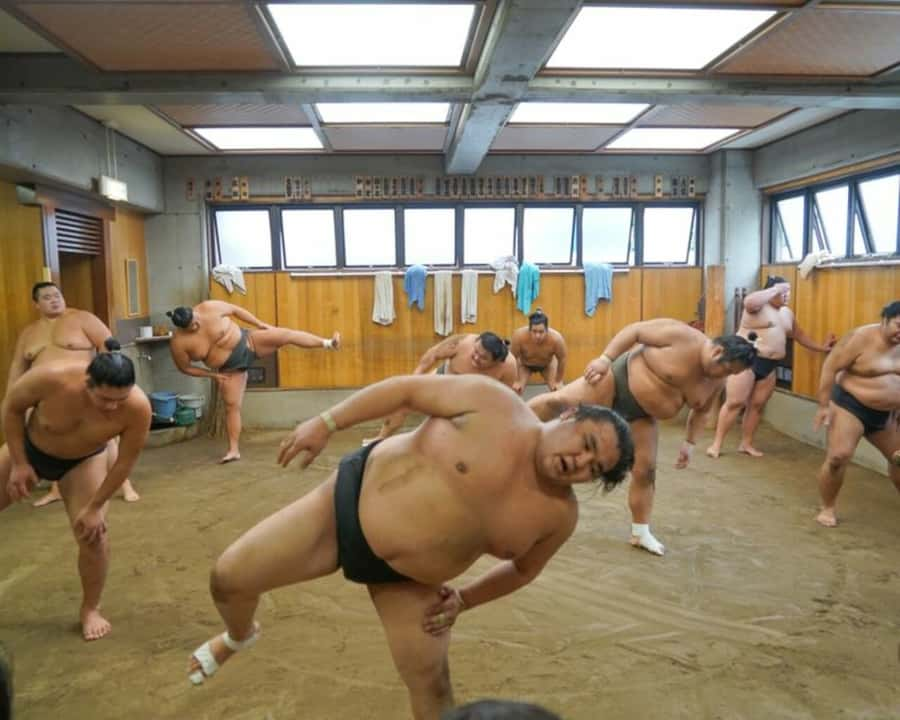
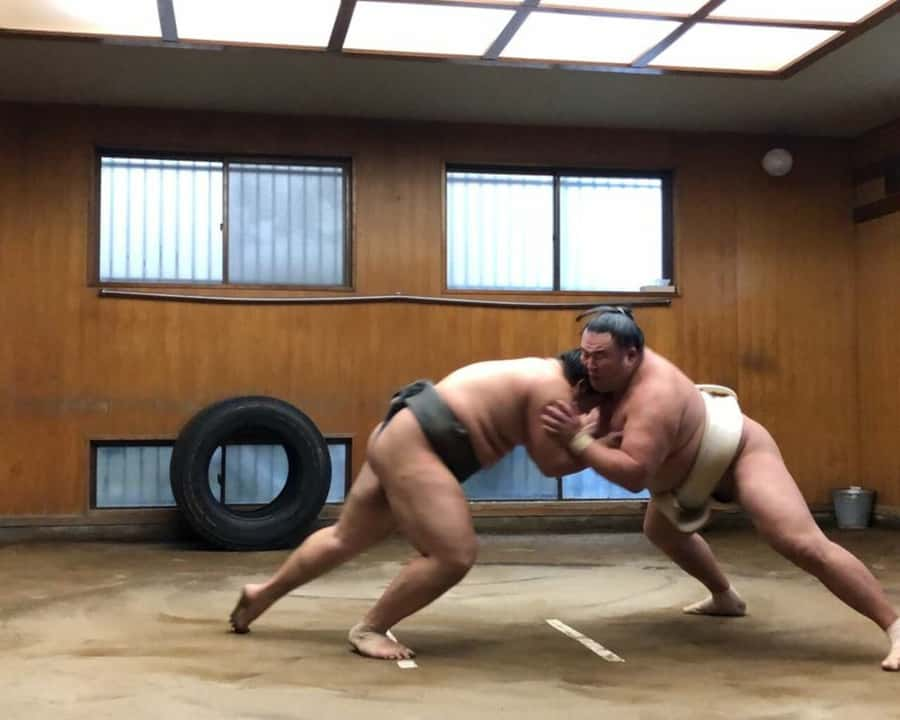
The training is the heart of the experience. You see wrestlers work through their routine and get a sense of how much repetition and discipline sit behind a public bout. The guide explains the development of the athletes and the physical demands of sumo.
You also learn the basic rules and customs of the sport. That background gives you a better way to read the action. Sumo is not only about pushing an opponent out of the ring. Balance, timing, grip, posture, ritual, and controlled force all matter.
The visit can be especially rewarding if you already follow sumo. One published account came from a person who was already a sumo fan and valued the chance to watch practice from nearby. At the same time, you do not need prior knowledge to enjoy it. The guide fills in the basics and explains what the wrestlers are doing.
You may have a chance to speak with a wrestler, but this is not guaranteed. Do not book the tour expecting a conversation or personal lesson. Treat that possibility as an extra, not as the main product.
The length is advertised as two hours, with about 105 minutes listed for the main visit. One published rating noted that the full experience felt shorter than two hours. That difference may depend on the day, the practice schedule, the walk, and the photo session. If you have a train reservation or another timed activity afterward, leave a little space rather than planning a tight connection.
Same place, a different kind of shoot:
- Tokyo: Asakusa and Skytree Go-Kart Tour and Photo Shoot
★ 4.6 · 721 reviews - Tokyo: Kimono Dressing, Walking, and Photography Session
★ 4.9 · 427 reviews - Daikoku Car Club Temporary Membership
★ 4.5 · 275 reviews - Tokyo Cyberpunk Street Photo Tour
★ 5.0 · 165 reviews
Learning the life behind the sport
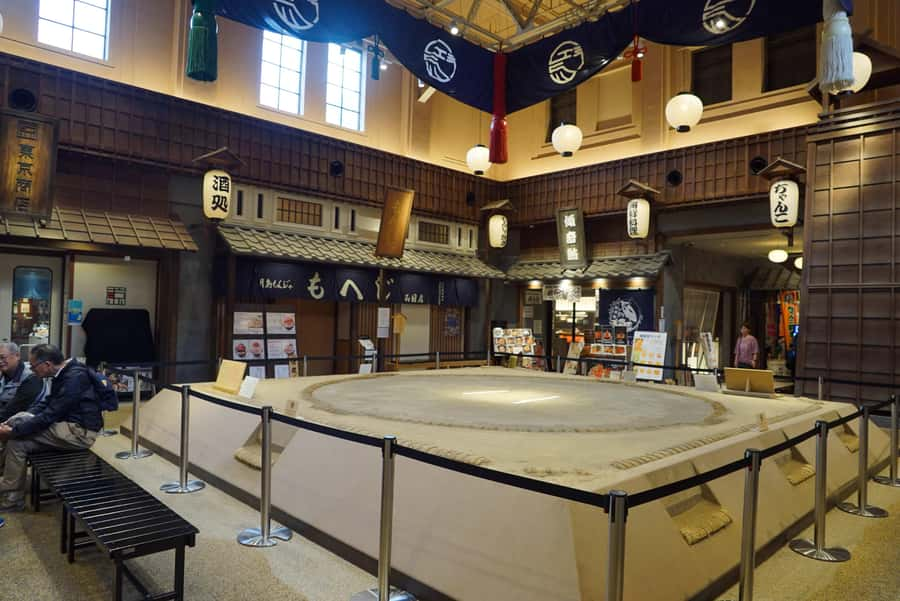
The guide’s explanations add much of the tour’s value. You learn about the roots and customs of sumo, the rules used in competition, and the training and food routines followed by the wrestlers.
This makes the visit more than a chance to see large athletes up close. You start to understand why the sport asks so much from its competitors. Their size is striking, but so are the discipline, routine, and strength needed to train at this level.
A special sumo information document is also included. It gives you something to take away after the stable visit, which is useful if you want to remember the terms and customs later. The guide remains the main source of explanation, though, so listen carefully and ask questions during the permitted parts of the visit.
The English-language guiding is a strong point. Guides such as Marie explain the experience with enthusiasm, while other guide feedback highlights clear answers to questions and careful respect for stable rules. That combination matters here. A guide who talks too much or ignores the setting can spoil the mood, but a guide who explains just enough helps you understand what you are seeing without making the practice feel like a show.
Photos with wrestlers, with limits
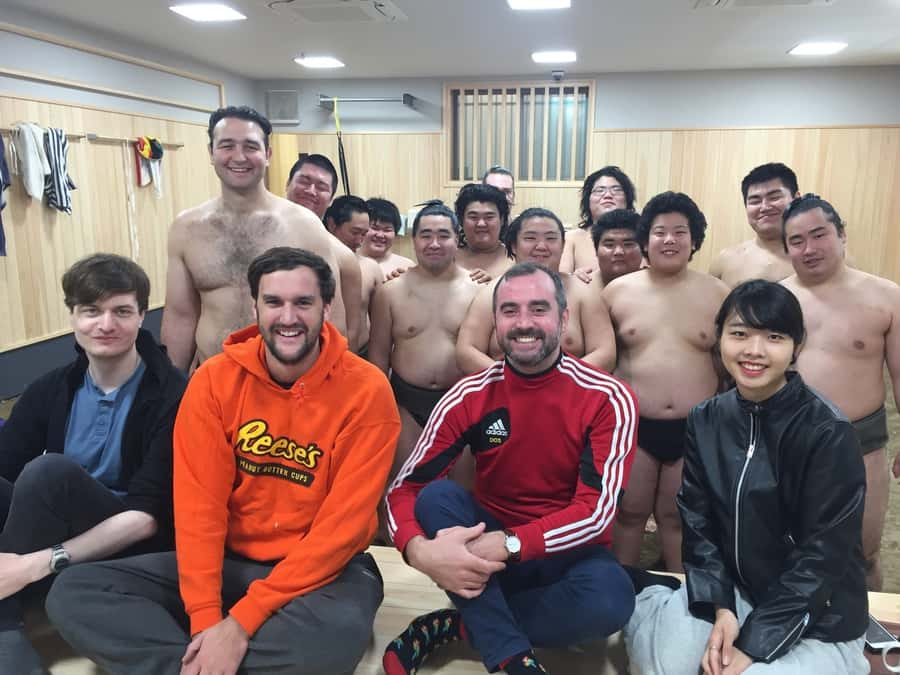
A photo session with sumo wrestlers is included at the end. It gives you a lasting record of the visit and helps distinguish this experience from simply watching a practice through a public viewing area.
Photography is not unlimited. The stable may restrict when or where you can take pictures, and the photo opportunity depends on the rules and schedule that day. You should follow the guide’s instructions rather than raise your phone whenever you wish.
Video recording is not allowed. That may surprise some people, especially when the training is visually powerful, but the rule is clear. Bring a camera or phone for still images only, and be ready to put it away during practice if instructed.
The photo session should not be treated as a guaranteed private meeting with every wrestler. It is an included opportunity, not a promise of a long conversation or a particular athlete. The strongest reason to book is the access to morning practice, with the photos as a welcome extra.
Price, group size, and what you receive
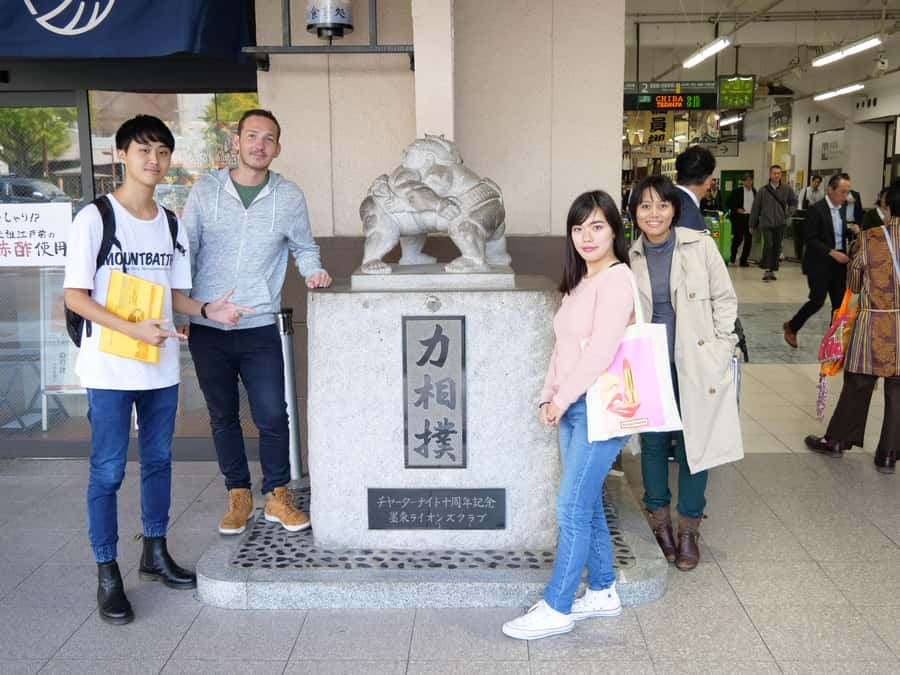
At $96 per person, this is not a budget activity. The price covers the English-speaking local guide, entrance to the morning practice, the stable visit, and the photo session. You are paying for access to a working sumo environment that is difficult to arrange on your own, along with interpretation that makes the visit understandable.
The small group limit of nine improves the value. You are not being moved through a large tour group, and the guide has a better chance to answer questions. That said, the stable controls the space, so a small group does not guarantee the best seat or unrestricted photography.
I would consider the price fair if sumo is a priority for your Tokyo trip or if you want a cultural activity that feels specific to Ryogoku. It is less compelling if you only want a quick photo with a wrestler and are not interested in watching training. The practice, not the photo, is the main reason to spend the money.
There is also no hotel pickup, food, drink, or transport included. Those omissions are easy to manage in Tokyo, but you should add your train fare and breakfast planning to the day’s cost.
Clothing, comfort, and stable rules
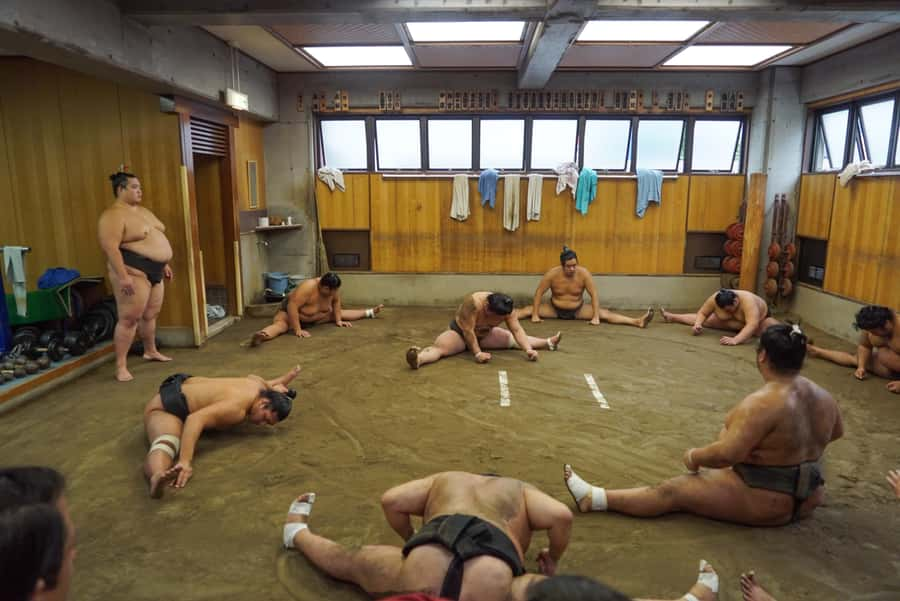
Dress with respect and comfort in mind. Short skirts and sleeveless shirts are not allowed. Choose clothing suitable for sitting on tatami and for the weather, since the tour begins outside and includes walking to the stable.
Floor seating is the biggest comfort issue. If sitting on the floor for roughly 105 minutes is difficult, this may not be the right activity for you. Some stables are not accessible to wheelchairs or strollers, so check your own mobility needs before booking.
Children must be at least 12 years old. Anyone under 12 will be denied entry without a refund. The tour is also not designed for people who need to leave and return, since early exits are allowed but re-entry is not.
No same-day changes are permitted. Date or time changes depend on availability, and cancellation for a full refund is allowed up to three days in advance. Practice itself can change without notice, which is the unavoidable tradeoff for visiting a working stable instead of attending a fixed stage performance.
Who will enjoy this morning in Ryogoku?
I recommend this tour most strongly to people who want to understand sumo beyond the ring. It suits first-time visitors who appreciate a guide’s explanation, as well as established sumo fans who want to see the daily work behind a tournament.
It also fits well into a Tokyo morning because the main visit lasts about two hours and begins at JR Ryogoku Station. You can plan another activity afterward, but allow extra time in case the schedule runs long or the group takes time leaving the stable.
I would be cautious about booking if you dislike sitting on the floor, need wheelchair or stroller access, or want complete control over photography. I would also avoid placing this activity on a day when a shortened practice would ruin your plans. The cancellation terms protect you if the stable cancels, but they cannot guarantee the exact length or content of a particular morning.
Should you book this sumo practice tour?
Book it if you want a close look at sumo training and value clear explanations from an English-speaking guide. The small group, stable access, photo session, and background on customs and diet make it a strong choice for a focused morning in Ryogoku.
Skip it if your priority is a public tournament, a long conversation with wrestlers, or a fully accessible activity with chair seating. The stable sets the rules, practice may change, and the experience demands quiet attention. For the right visitor, those limits are also what keep the visit genuine.
FAQ
Where does the tour meet?
Meet outside Re.Ra.Ku, directly by the East Exit of JR Ryogoku Station. Do not go to the Ryogoku Station served by the Toei-Oedo Line. The guide will hold a red or orange Magical Trip sign.
How long does the experience last?
The advertised duration is two hours, with about 105 minutes listed for the main stable visit. The actual length can vary if practice is shortened or if the schedule changes.
Is the tour conducted in English?
Yes. The tour includes a live English-speaking guide.
What is included in the price?
The price includes the local guide, entrance to the morning practice, and a photo session with sumo wrestlers at the end. A special sumo information document is also provided.
Can children join?
Children must be at least 12 years old. Children under 12 cannot enter and will not receive a refund.
Can I take videos inside the stable?
No. Video recording is not allowed. Still photography may also be limited depending on the stable’s rules.
Do I need to sit on the floor?
Yes. You sit on tatami, and no chairs are provided. Some stables may not be accessible to wheelchairs or strollers.
Just added around Tokyo
- Tokyo: Customized Private Historical Guided Photoshoot Tour★ 5.0 · 25 reviews
- Tokyo Private photo tour with Nightstreet Neon photographer★ 5.0 · 17 reviews
- Tokyo: Private Makeover Photography Studio in Luxury Kimono★ 5.0 · 22 reviews
- Tokyo: Private Instagramable Customised Tokyo City Day Tour★ 4.2 · 4 reviews
- Tokyo: Private Photoshoot at Shibuya Crossing★ 4.7 · 7 reviews
- Tokyo: Private Photo Shoot with a Professional Photographer★ 5.0 · 11 reviews
- Tokyo Photoshoot Tour with a Local Photographer★ 5.0 · 37 reviews
- Tokyo Portrait Tour with a Professional Photographer★ 5.0 · 29 reviews
Morning, compared.
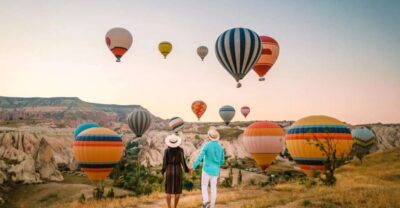
Sunrise Balloon Watching Tour with Photographer
Read our review →
Rhodes: E-bike Highlights Sunset or Morning Photo Tour
Read our review →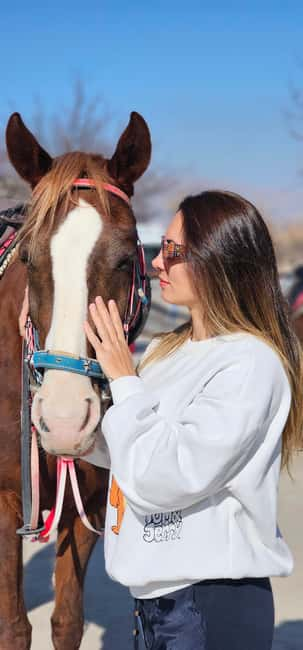
Cappadocia Sunrise & Sunset Horse Tour with Photography
Read our review →
Early Morning Private Photoshoot at Iconic Landmarks
Read our review →
Mediaeval Rhodes E-bike Highlights Photo Tour Morning/Sunset
Read our review →
Private Outdoor Photoshoot at Sunrise w/Transfer
Read our review →
Early Morning Trevi Fountain Photoshoot & Iconic Landmarks
Read our review →
Tokyo Sumo Morning Practice Tour w/ Ring-Side Seat + Photo Shoot
Read our review →Browse the lists this tour appears in