
REVIEW · TICKETS
Asia Camera Museum Admission Ticket
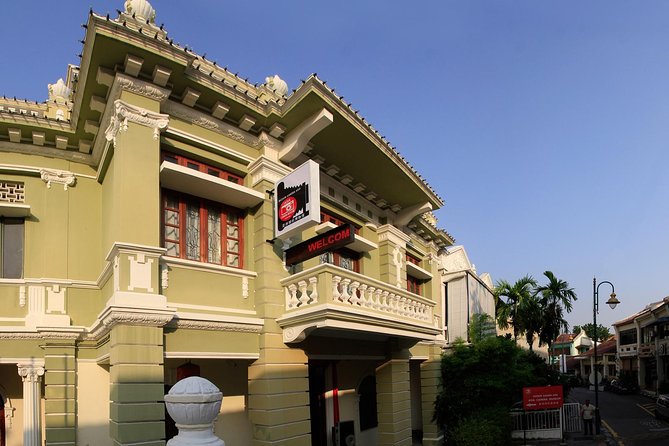
The most surprising part of the Asia Camera Museum is how much of it you can use, not just look at. Alongside more than 1,000 cameras and accessories, you’ll find a darkroom, a 1960s repair bench, and old cameras that let you make unusual phone photographs. May’s guided explanations help turn a cabinet of machinery into a clear story about how pictures were made.
I like the museum’s hands-on approach and its compact price of $6.52. I also like the odd, atmospheric pieces, especially the early 1900s Magic Lantern projector with a hand-painted glass slide and the 35mm silent movie projector powered by an oil lamp. The main consideration is time: this is a small museum visit lasting about 30 minutes to an hour, not a full-day attraction.
Key things to know before you go
- More than 1,000 cameras: See cameras and related accessories from early photography through more modern equipment.
- Old gear you can handle: The hands-on displays let you look through vintage cameras and experiment with their view.
- A real darkroom display: Learn how film was developed before digital photography changed the process.
- A 1960s repair workspace: Examine the tools once used to repair and restore mechanical cameras.
- Rare projection equipment: See a Magic Lantern projector, hand-painted glass slides, and an oil-lamp silent movie projector.
- A short, affordable stop: Admission costs $6.52, and the visit usually takes 30 minutes to an hour.
Why this small George Town museum is worth your time
The Asia Camera Museum makes a good change of pace from George Town’s streets, temples, food stops, and painted walls. It is especially useful on a hot afternoon, when an indoor visit gives you a comfortable break without taking half a day.
I would not treat this as a formal art museum where you quietly move from case to case. The appeal is closer to a guided look at the tools, tricks, and mechanics behind photography. You see how cameras changed, then get a chance to handle some of the older equipment yourself.
That matters because early cameras can look alike when they are displayed in rows. A guide can explain what makes one device different from another, why a darkroom was needed, and how repairers kept complicated mechanical cameras working. May is specifically praised for her enthusiasm and clear explanations, and her role can make the visit feel personal rather than mechanical.
The museum also works for people who are only mildly interested in photography. You do not need to know lens types, film formats, or camera brands before arriving. The hands-on displays give you something to do, while the unusual machines provide enough visual interest for a quick stop.
More Museum Visits in the world:
- Berlin: Fotografiska Photography Exhibition Ticket
★ 4.6 · 168 reviews - Amsterdam: Foam Photography Museum Admission Ticket
★ 4.2 · 141 reviews - Paris: Private Photoshoot Outside the Louvre Museum
★ 4.8 · 139 reviews
From Magic Lanterns to silent movies
One of the museum’s best pieces is a rare Magic Lantern projector from the early 1900s. It is shown with a large-format glass slide painted by hand in color, a reminder that projected images once depended on careful artwork as much as on machinery.
This is a useful point in the visit because it broadens the subject beyond cameras. Photography is tied to projection, entertainment, storytelling, and public displays. The hand-painted slide is not just an old object. It shows how people added color and drama before modern film and digital projection made the process faster.
Another memorable item is a 35mm silent movie projector illuminated by an oil lamp and driven by gears. That combination of light, metal, and moving parts gives the exhibit a practical feel. You can see that early film projection was not a simple matter of pressing play. It relied on a heat source, carefully arranged mechanical parts, and the right film format.
These displays are likely to appeal even if you are traveling with someone who is not a camera enthusiast. They connect photography to early cinema and make the visit feel more varied than a collection of still cameras alone.
The darkroom explains what digital cameras hide
The darkroom is one of the most useful sections for anyone who grew up with digital photography. It shows the setting and process used to develop film, from the early days of photography in the 19th century onward.
You will not simply hear that film had to be developed somewhere. The display helps you understand why photographers needed a controlled room and why producing a photograph took more patience than it does today. Your phone gives you an image at once. Film photography required a sequence of steps before you could judge the result.
For families and younger visitors, this can be the section that makes the museum click. A camera is easy to understand as a box that captures an image, but the darkroom shows what happened after the shutter closed. It gives context to the film cameras on display and helps explain why photography once involved chemicals, timing, and careful handling.
The darkroom is also a good reason to join the guided portion rather than rushing through alone. Ask questions if you want a clearer explanation of how the process worked. The museum is small enough that you can take in the main idea without needing technical training.
Try the cameras instead of only viewing them
The museum encourages you to touch and feel vintage cameras. That is a simple feature, but it changes the experience.
A glass case can show you the shape of an old camera. Handling one lets you notice the weight, the controls, the viewfinder, and the amount of physical work once involved in taking a picture. You might also look through older equipment and use your phone to photograph the view, creating the retro effect several people particularly enjoy.
This activity is best approached with care. The old devices are part of the collection, so handling them should follow the staff’s instructions. The point is not to operate every mechanism freely. It is to understand how the cameras feel and how different they are from the small, automatic device in your pocket.
The phone-photo idea is a clever bridge between past and present. You can use current technology to record what an old camera shows, producing a souvenir that is more personal than a standard snapshot of a display case. Staff can help take pictures for you, which is useful if you are visiting alone or want a photo of the experience rather than just the equipment.
A few more photo experiences around the world worth a look
- Concert Ticket – The Most Beautiful Opera Arias by Opera da Camera di Roma
★ 4.5 · 322 reviews - Berlin Museum of Photography Entry Ticket
★ 4.5 · 88 reviews - Park Guell Private Photoshoot with Skip the Line Ticket
★ 5.0 · 75 reviews - Antelope Canyon X Ticket with Upgrade Option to Photo Tour
★ 4.5 · 73 reviews
The 1960s camera repair workspace
The camera repair area offers a different kind of interest. Instead of focusing on the finished camera, it shows the tools used by a repairer in the 1960s to fix and restore mechanical equipment.
This section gives you a look at the skilled work behind photography. Older cameras depended on small parts, precise adjustments, and regular repairs. A camera could be beautifully designed and still be useless if its shutter, gears, or other mechanical pieces failed.
I like this stop because it adds the human side of the collection. The cameras may be the headline items, but the repair bench explains how they stayed in service. It also helps you appreciate the care required to keep older equipment working.
The repair workspace is especially suitable for visitors who enjoy machinery, workshop tools, or the craft behind familiar objects. You do not need to repair anything yourself, but the display gives you a chance to see the practical setting where cameras were maintained.
A guided visit makes the collection easier to follow
The museum’s collection is large for its compact visit, with more than 1,000 items and related accessories. That number sounds impressive, but it can also be a lot to process if you simply walk past one camera after another.
A guided visit helps provide order. You can follow the development of cameras from their early forms toward more modern equipment, rather than trying to create your own timeline. May is often the staff member leading the explanation, and her enthusiasm is repeatedly singled out as a strong part of the experience.
She can also help with the interactive elements, including taking pictures through older cameras and explaining what you are seeing. That support makes a difference because the equipment may not be self-explanatory. A short explanation can turn an unfamiliar object into a memorable one.
The group size is capped at 15 people. That is small enough for a more personal feel than a large museum crowd, although the actual atmosphere can still depend on how many people arrive at the same time. If you want to spend extra time with a particular camera, you may need to wait briefly for others to finish.
How long the visit takes
Plan on 30 minutes to one hour. If you mainly want to see the collection and take a few pictures, you can make it a quick stop. If you enjoy asking questions, trying the cameras, and listening to the guide explain the darkroom and projection equipment, allow closer to an hour.
This flexible length makes the museum easy to fit between other George Town plans. You can visit before lunch, after a walk through the historic center, or during the hottest part of the afternoon. It is not a good choice if you need a long, elaborate attraction to fill an entire morning.
The short duration also affects the value. At $6.52 per person, the admission is modest, particularly if you take part in the interactive displays and receive a guided explanation. If you only glance at the exhibits for 20 minutes, the value is less convincing, so give yourself enough time to use the displays rather than treating the museum as a quick photo stop.
Practical details for planning your visit
The museum is open daily from 10:00 a.m. to 6:00 p.m. The listed opening schedule covers April 1, 2025 through March 31, 2027, with the same hours every day.
It is near public transportation, so you can include it in a walking and transit-based day in George Town. Hotel pickup and drop-off are not included, and food and drinks are also your responsibility. This is an admission visit, not a transport package or meal-inclusive tour.
You receive confirmation at booking, and the instructions state that you must print the confirmation voucher to exchange it for the actual admission ticket at the ticket counter. That is an important detail for phone-focused visitors. Do not assume that showing only a mobile voucher will be enough.
The booking is non-refundable and cannot be changed. Since the museum costs little but the ticket cannot be amended, choose your date carefully and avoid booking until you are sure the museum fits your plan.
The activity is suitable for most people, and the maximum group size is 15. No special fitness level is stated, but the available information does not give detailed accessibility specifications. If you need particular access arrangements, confirm them before booking.
Who will enjoy the Asia Camera Museum most?
This is an easy recommendation for photographers, camera collectors, and anyone who likes mechanical objects. You will have plenty of equipment to examine, and the chance to use old cameras gives the visit more life than a standard display.
It also suits families with older children who enjoy interactive exhibits. The darkroom, repair tools, and projector offer different kinds of interest, so not every person in your group needs to be passionate about photography.
I would also suggest it to anyone looking for a low-cost indoor stop in George Town. The visit is short, practical, and easy to combine with other sightseeing. The staff’s friendly help is a real benefit if you want a little more explanation than a label can provide.
This may not be the right choice if you want a large museum with long galleries, extensive historical text, or a full guided tour lasting several hours. The collection is the main event, and the experience depends on your interest in old equipment and willingness to handle the displays when invited.
Should you book this camera museum visit?
Book it if you want a compact, affordable George Town attraction with real objects, friendly guidance, and hands-on moments. The strongest reasons are the rare projection equipment, the darkroom, the 1960s repair station, and the chance to make phone photographs through vintage cameras.
I would place it high on a photographer’s list and recommend it as a pleasant indoor break for other visitors. At $6.52, the price is easy to justify if you allow up to an hour and take part in the guided activities.
Skip it only if your schedule is packed or you have little interest in cameras, film, or old mechanical devices. For everyone else, this is a well-sized museum stop that offers more than its modest admission price suggests.
FAQ
Where is the Asia Camera Museum?
The Asia Camera Museum is in George Town, Malaysia.
How much does admission cost?
Admission costs $6.52 per person.
How long does the visit take?
The visit takes approximately 30 minutes to one hour.
What are the museum’s opening hours?
The museum is open Monday through Sunday from 10:00 a.m. to 6:00 p.m.
What is included in the ticket?
The ticket includes admission to the Asia Camera Museum.
Are food and drinks included?
No. Food and drinks are not included.
Is hotel transportation included?
No. Hotel pickup and drop-off are not included.
Do I need to print my confirmation?
Yes. The instructions require you to print your confirmation voucher and redeem it for the actual admission ticket at the ticket counter.
How many people can join the activity?
The activity has a maximum group size of 15 people.
Can I cancel or change my booking?
No. The experience is non-refundable and cannot be changed for any reason.
Just added around the world
- Private Vacation Photoshoot with Photographer in Myrtle Beach★ 4.0 · 9 reviews
- Traditional Japanese Costumes “Kimono”, “Yukata”, “Ryuso”, “Photograph Course “Hair Set & Lipstick & Kimono & Photography”★ 5.0 · 17 reviews
- Marco Island Photography Experience★ 5.0 · 7 reviews
- Capture Unforgettable Moments: Private Holiday Photography★ 5.0 · 52 reviews
- Hire Photographer, Professional Photo Shoot – Myrtle Beach★ 5.0 · 4 reviews
- Proposal Photoshoot Mykonos★ 5.0 · 2 reviews
- Private Instagram Tour | Mykonos Most Photogenic Spots★ 5.0 · 4 reviews
- Photographer, Professional Photo shoot – Mykonos★ 3.0 · 2 reviews
Tickets, compared.

Concert Ticket – The Most Beautiful Opera Arias by Opera da Camera di Roma
Read our review →
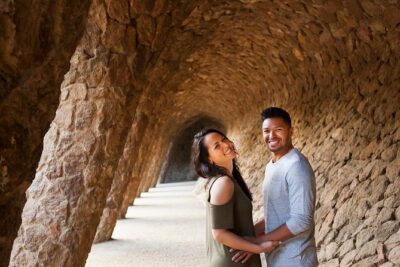
Park Guell Private Photoshoot with Skip the Line Ticket
Read our review →
Antelope Canyon X Ticket with Upgrade Option to Photo Tour
Read our review →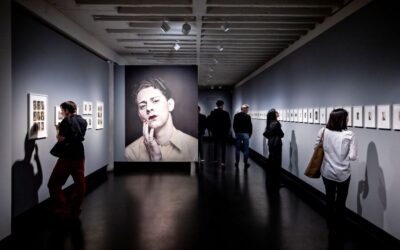
Ticket for Photography Exhibitions at C/O Berlin
Read our review →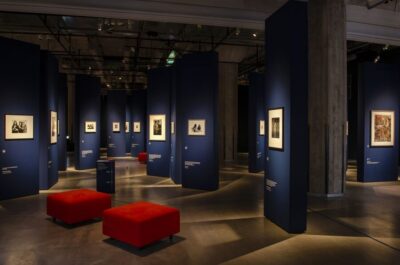
Rotterdam: National Museum of Photography Entrance Ticket
Read our review →Browse the lists this tour appears in