
REVIEW · JAPAN
Private Kimono photo shooting tour in ancient city Kamakura
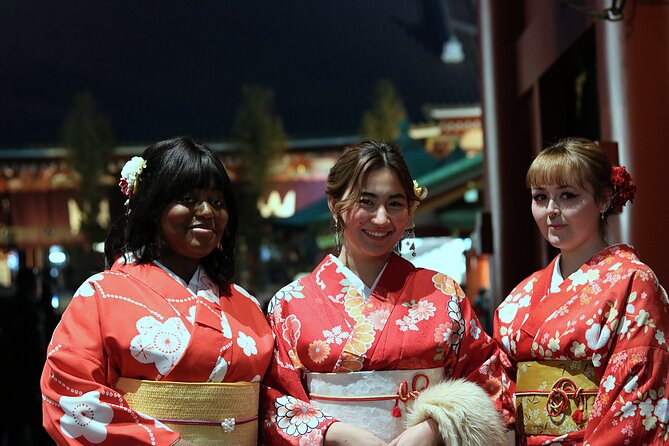
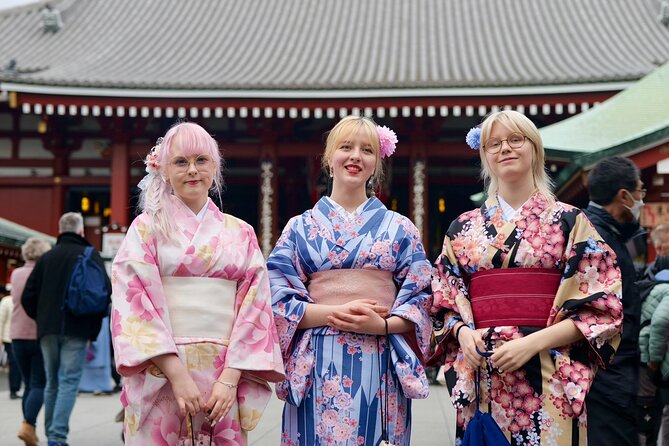
Kamakura makes a fine stage for a kimono photo session. You move from a quiet temple near the station to old wooden halls, shrine gates, ponds, and the leafy approach to Tsurugaoka Hachimangu. Photographer Shuhei guides your poses and keeps the session from feeling stiff or rushed.
I like the private format, which lets you choose a kimono, use a non-kimono outfit, and adjust the route. I also like the photo package: 30 edited photos give you a real set of memories, not just one formal portrait. The catch is that the kimono rental costs another 3,800 yen, and the tour needs good weather.
Key things to know before booking
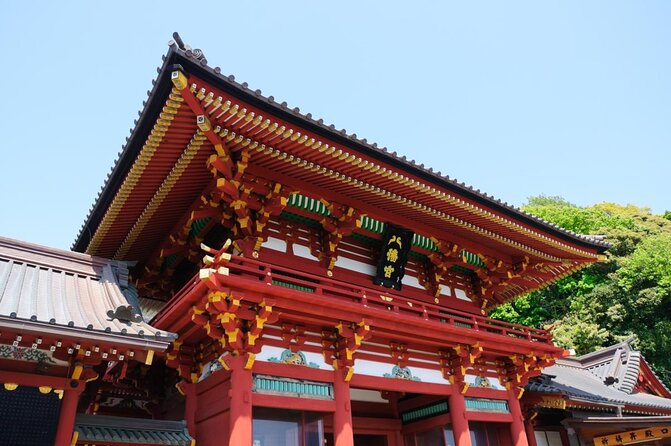
- Quiet temple settings: Daigyoji and Myohonji offer calmer backdrops than Kamakura’s busiest streets.
- Private photo coaching: Shuhei suggests poses and helps you feel comfortable in front of the camera.
- Four main photo stops: The route includes Daigyoji Temple, Myohonji Temple, Tsurugaoka Hachimangu Shrine, and Jufukuji Temple.
- Thirty edited images: The price includes a finished collection of edited photographs.
- Flexible clothing choice: You can rent a kimono or choose a non-kimono option.
- Extra rental cost: The listed price is $85.20 per person, but kimono rental is 3,800 yen separately.
Why Kamakura works better than a standard city backdrop
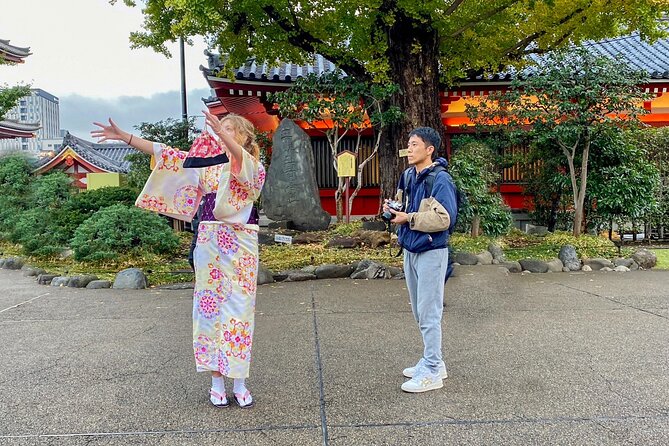
Kamakura was the capital of the Kamakura shogunate and still has the temples, shrines, and old roads to show for it. That makes the setting more varied than a simple studio shoot or a busy modern shopping district.
The route gives you several kinds of background. You might pose beside a quiet temple path, under a shrine gate, near a pond, or in front of traditional wooden buildings. That variety matters because a two-hour photo session can feel repetitive if every image uses the same wall or garden.
I also like that the tour does not rely only on Kamakura’s most famous view. Tsurugaoka Hachimangu is the big landmark, but Daigyoji, Myohonji, and Jufukuji add a calmer local feel. You get the recognizable Kamakura setting without spending the whole session in the most crowded spot.
The experience is also more personal than simply renting a kimono and walking around alone. Shuhei takes the photographs and offers posing help. One guest specifically appreciated that he suggested many poses and checked that the session felt comfortable. That is useful if you like the idea of a photo shoot but do not know what to do with your hands, feet, or face once the camera comes out.
More Costume Photoshoots in Japan
- Tokyo: Kimono Dressing, Walking, and Photography Session
★ 4.9 · 427 reviews - Kyoto: Maiko Makeover and Photoshoot Experience
★ 4.7 · 239 reviews - Kyoto: 2-Hour Maiko Makeover and Photo Studio Shoot
★ 4.7 · 117 reviews
Getting dressed and meeting Shuhei
The meeting point is the Kamakura City Tourist Information Center at 1-chome-1-1 Komachi, close to Kamakura Station. The location is near public transportation, so it is a practical place to begin your day.
The total experience lasts about two to three hours, and that time includes changing and travel between locations. Do not treat the full time as two or three uninterrupted hours of photography. Some of the schedule goes toward choosing and putting on clothing, walking, and moving between stops.
You can choose from several kimono styles, or select a non-kimono option if traditional dress is not right for you. The kimono rental is not included in the $85.20 price and costs 3,800 yen. Add that amount when comparing the tour with other photo sessions.
A private booking means only your own group takes part. That is helpful for couples, families, and friends who want to move at their own pace. It also avoids the awkwardness of posing in front of a large group of strangers.
Daigyoji Temple: an easy first setting
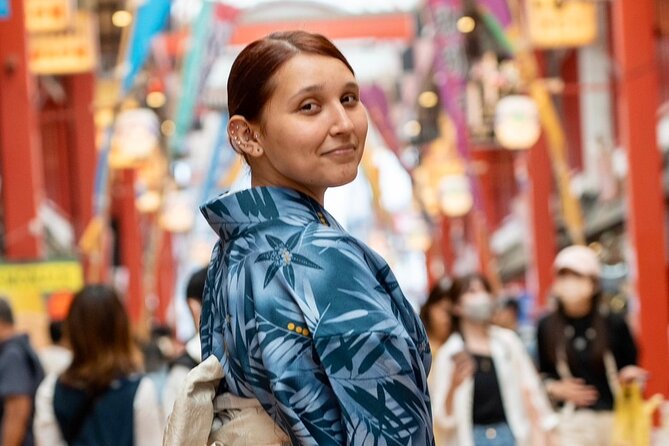
Daigyoji is a small temple beside Kamakura Station. It is used as the opening photo stop because it is generally quiet and not crowded.
That makes practical sense. At the start, you are still getting used to the kimono, the camera, and Shuhei’s direction. A small temple gives you room to settle in without feeling that an audience is watching every pose.
The stop is short, about five minutes, so expect a quick set of images rather than a long visit. It works as a gentle introduction to the session, not as the main sightseeing stop.
For you, the value here is comfort. You can begin close to the meeting point, get a few photographs in the new outfit, and learn how the photographer works before moving to larger temple grounds.
Myohonji Temple: wood, trees, and a quieter mood
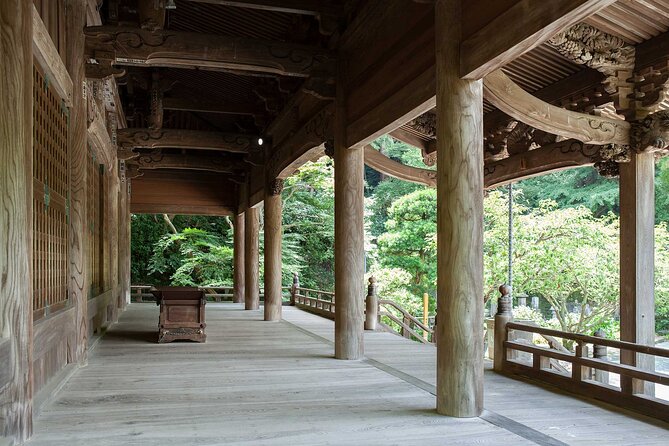
Myohonji is the oldest temple of the Nichiren Buddhist sect, founded around 1260. The temple has historic wooden structures and a calm setting away from the city’s busiest areas.
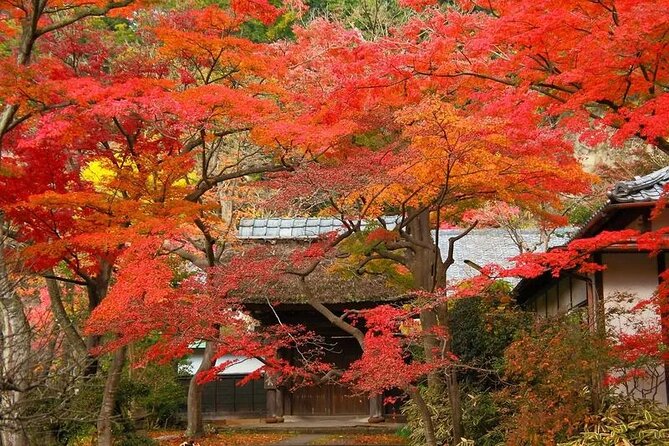
The planned stop lasts about 20 minutes, giving Shuhei more time to use the temple grounds and surrounding nature. Cherry blossoms make spring appealing, while autumn foliage can add strong color to the photographs. Those seasonal details are not guaranteed, but they explain why the setting changes with the time of year.
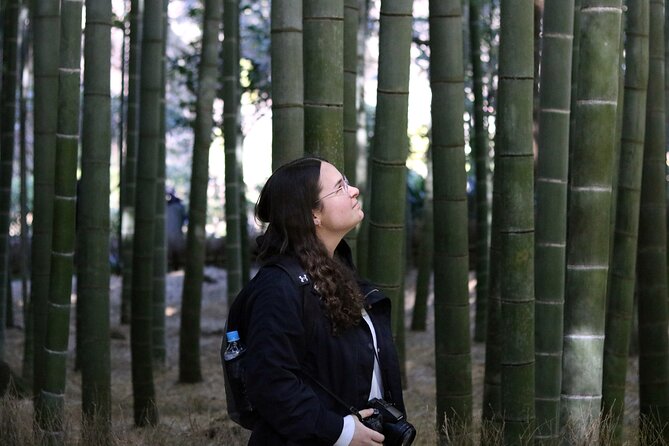
This is one of the best parts of the route for a more peaceful portrait. The old buildings give the photos a clear Japanese character, while the trees keep the background from feeling too formal.
There is one thing to keep in mind. A temple visit is not the same as a private garden rental. You are photographing in a public religious place, so respectful behavior matters. Follow Shuhei’s direction, stay aware of other people, and avoid treating the temple like a photo studio.
More Private Photoshoots in Japan
- Kyoto: Private Photoshoot Service
★ 5.0 · 158 reviews - Tokyo by Night Photography Tour (Private Option Available)
★ 5.0 · 151 reviews - Your Private Vacation Photography Session In Kyoto
★ 5.0 · 110 reviews - Osaka: Private Vibrant Nighttime Photoshoot (Dotonbori)
★ 4.9 · 80 reviews
Tsurugaoka Hachimangu: Kamakura’s main landmark
Tsurugaoka Hachimangu is Kamakura’s major Shinto shrine. Minamoto no Yoritomo founded it in the 12th century, and it is dedicated to Hachiman, the god of war and protector of the Minamoto clan.
The shrine is known for its entrance gate, long approach, cherry trees, and large pond. The itinerary allows about 25 minutes here, making it the longest single photo stop.
This is where you get the classic Kamakura images. The shrine provides a grander setting than the smaller temples, and the approach can give your photos a sense of movement and depth. You can also pause beside the pond for a less formal portrait.
The trade-off is activity. As Kamakura’s best-known shrine, it can be busier than Myohonji or Jufukuji. That is one reason the quiet temple stops matter. Shuhei can use different parts of the route so the entire session does not depend on finding an empty spot at the shrine.
If you are wearing a kimono, this stop also gives you a chance to experience how the clothing feels in a real cultural setting rather than only posing in a rental shop. You will need to walk and remain aware of your sleeves and hem, so comfortable pacing is useful.
Jufukuji Temple and its tree-lined approach
Jufukuji was established in 1200 by Hojo Masako, the wife of shogun Minamoto no Yoritomo. It is known for the road leading toward the main temple, its trees, and its quiet atmosphere.
The scheduled visit is about 10 minutes. That is enough for a focused series of photographs along the approach and near the small shrine next door, but not enough for a long temple visit.
I see this stop as a useful change of pace after Tsurugaoka Hachimangu. The shrine offers scale and ceremony. Jufukuji offers a narrow, quiet approach with a more intimate feeling.
The short timing means you should not expect every location to receive equal attention. If a particular temple matters most to you, tell Shuhei early. The experience can be customized, and the private format gives you more room to discuss the route.
Komachi Street: food, shops, and a less formal finish
Komachi Street runs through the center of Kamakura, close to the station. It is lined with shops, cafes, restaurants, boutiques, souvenirs, local crafts, and snacks.
The street is a different kind of photo setting. Instead of temple silence, you get a lively shopping area and a chance to browse after the formal portraits. You can look for something to take home or pause for food if time allows.
Because the listed itinerary does not give a fixed duration for Komachi Street, think of it as an optional part of the outing rather than a long shopping tour. The tour ends back at the meeting point, so you can continue exploring the street afterward if you want more time.
A kimono also attracts attention in a shopping area. One guest noted that people smiled and watched with interest during the experience. That can feel fun, but it is worth knowing in advance if you prefer to keep a low profile.
What the $85.20 price really includes
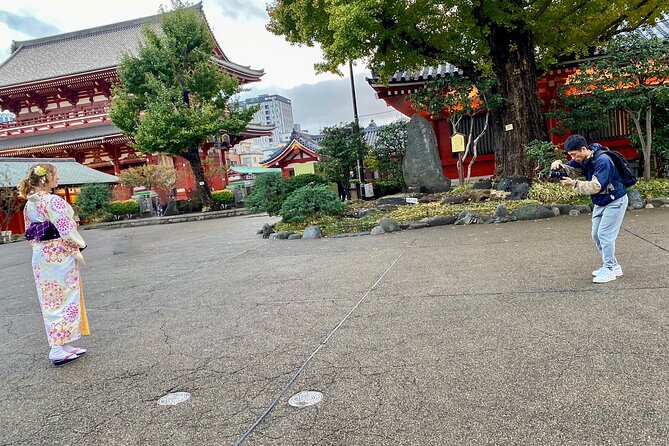
The advertised price is $85.20 per person. It includes the private photography experience, bottled water, WiFi on board, and 30 edited photos.
The photo package is the strongest part of the value. A finished set of 30 images can serve as a holiday record, a family keepsake, or a more polished portrait collection. The experience also includes local guidance and movement around several Kamakura locations, rather than confining you to one photo spot.
You must add 3,800 yen for kimono rental. That extra charge is reasonable to consider carefully because the clothing is central to the experience for many people. If you already plan to rent a kimono separately, confirm how that fits with the tour before booking.
Group discounts are available, which may improve the per-person cost for friends or family. Since this is a private activity, the price can make more sense for a small group that wants its own schedule and photographs.
The experience does not include admission charges, but the listed temples and shrine stops have no admission ticket cost. That keeps the extra spending fairly simple, although you may want money for food or shopping on Komachi Street.
Who will get the most from this photo tour
I would recommend this experience to you if you want a personal record of Japan and also want to see Kamakura’s historic side. It suits couples, families, friends, and solo visitors who want help posing instead of relying on self-timer photographs.
It is especially useful if you are unsure how to work with a professional photographer. Shuhei’s guidance on poses and comfort takes away much of the guesswork.
You should think twice if you want a long, slow temple tour with detailed sightseeing at every stop. The schedule covers several locations, but the total time is only two to three hours, including changing and travel.
It may also be a poor fit if you need a guaranteed sunny day. The activity requires good weather, and poor conditions can lead to a new date or a full refund. That policy protects the photo quality, but it means you should keep some flexibility in your Kamakura plans.
Practical details that affect your day
You receive confirmation when you book, and the activity ends at the same meeting point where it begins. The tour is near public transportation, which makes it easy to connect with the rest of your Kamakura visit.
Most people can participate, but the day includes walking between sites and wearing traditional clothing. The experience is not simply a seated studio appointment. Allow time for changing, moving through public areas, and stopping at several religious sites.
Free cancellation is available up to 24 hours before the start time for a full refund. Changes or cancellations made inside that window are not accepted or refunded. Cut-off times follow local time in Japan.
If bad weather cancels the experience, you can choose another date or receive a full refund. That is useful for a photo activity, since cloudy skies, rain, or wet temple paths can affect both comfort and image quality.
The final call: is this Kamakura photo session worth it?
I would book this tour if your main goal is a set of polished photographs in traditional Japanese clothing, with Kamakura’s temples and shrine grounds as the background. The private format, posing help from Shuhei, flexible route, and 30 edited photos give it more substance than a quick rental-and-snapshot stop.
Budget for the additional 3,800 yen kimono rental, and keep the weather policy in mind. If you want a relaxed introduction to Kamakura with photographs you can keep, this is a strong choice. If you care more about extended temple visits than portraits, use the same locations for independent sightseeing instead.
FAQ
Where does the kimono photo tour begin?
The tour begins at the Kamakura City Tourist Information Center, 1-chome-1-1 Komachi, Kamakura, Kanagawa 248-0006, Japan.
Where does the tour end?
The activity ends back at the meeting point.
How long does the experience last?
The experience lasts approximately two to three hours. The total time includes changing and travel between locations.
Is kimono rental included in the price?
No. Kimono rental costs 3,800 yen separately. A non-kimono option is also available.
How many edited photos are included?
The experience includes a maximum of 30 edited photos.
What happens if the weather is poor?
The experience requires good weather. If it is canceled because of poor weather, you can choose a different date or receive a full refund.
Just added around Japan
- Private photo shoot & walk in Kyoto – Professional photo shoot★ 5.0 · 20 reviews
- A Privately Guided Photoshoot in Beautiful Kyoto by a Pro★ 5.0 · 18 reviews
- Tea Ceremony with Kimono and Professional Photoshoot in Kyoto★ 5.0 · 44 reviews
- Exclusive Gion Kyoto Photoshoot: A Private Experience★ 5.0 · 11 reviews
- Private Photography Tour in Kyoto★ 5.0 · 2 reviews
- Kyoto One-day Taxi Tour by Licenced Guide Photographer 8 pax★ 5.0 · 2 reviews
- Kyoto Night Photography Photoshoot★ 5.0 · 2 reviews
- Kyoto Photo Travel with Local Guide and Personal Photographer★ 5.0 · 3 reviews
Kimono & Costume Photoshoots, compared.
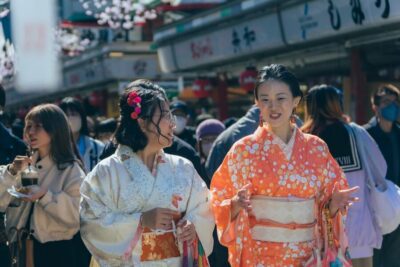
Kimono Dressing, Walking, and Photography Session
Read our review →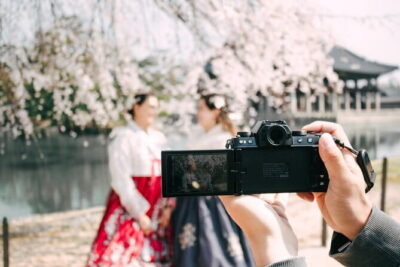
Hanbok Photoshoot and History Tour at Gyeongbokgung Palace
Read our review →

Witch Costume Photo Shoot – Olde Salem Village theatrical set
Read our review →
Witch Costume Photo Shoot – Witch Cottage theatrical set
Read our review →
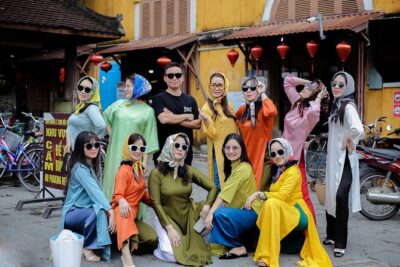
Professional Photography Tour Optional Ao Dai Dress in Hoi An
Read our review →Browse the lists this tour appears in