
REVIEW · BERLIN
Discover Berlin Underground through Mobile Photography
Berlin’s U-Bahn is more than a way to get across town. On this two-hour mobile photography workshop, Danylo leads you through several of the system’s most eye-catching stations, where mosaics, old-fashioned details, sculptures, and bold geometry become your photo subjects. You spend less time chasing famous sights and more time learning how to see.
I especially like the hands-on coaching, with step-by-step tips and personal feedback on your shots. I also like the mix of photography and local stories, since the stations become more interesting when you understand the ideas behind their designs. The main consideration is simple: this is a photography class first, not a full history tour, and you’ll need to buy your own AB-zone transit ticket.
Key points to know before you book
- Meet at Paracelsus-Bad: Start in the middle of the U8 platform, where Danylo will hold a smartphone with a red case.
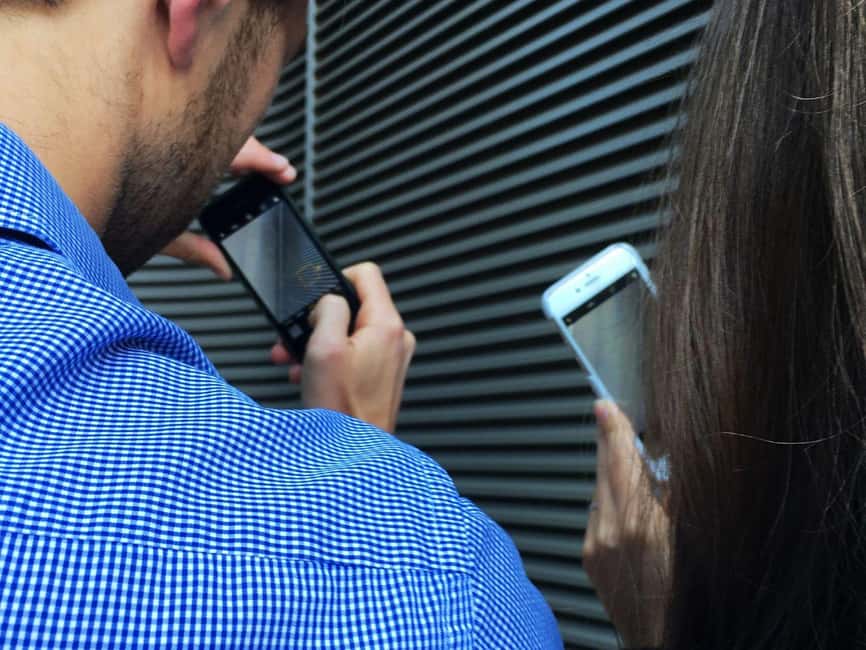
- Use the phone you already own: No professional camera is needed. A recent smartphone is enough.
- Shoot architecture in fresh ways: Practice geometric lines, colorful backgrounds, portraits, and unexpected details.
- Learn while moving: Some exercises take place on the train between stations, so the journey itself becomes part of the class.
- Expect a small-group feel: Private and small-group options are available, with English instruction.
- Budget for transport: The $57 price covers the guided photography experience, but your valid AB-zone ticket is separate.
Why Berlin’s U-Bahn makes a fine photo classroom
Berlin’s underground network gives you a useful break from the usual outdoor photo subjects. Above ground, you may be competing with traffic, crowds, gray skies, and the city’s best-known landmarks. Below ground, the stations offer controlled shapes, repeated lines, tiled walls, platforms, signs, stairs, train doors, and strong contrasts between old and new.
That makes the U-Bahn a practical place to learn. You do not need to wait for perfect light or find a famous viewpoint. You can work with the details directly in front of you.
The route focuses on several of the most photogenic stations among Berlin’s 175 stops. The exact station sequence is not listed in advance, which lets Danylo shape the route around the best visual material and the group’s pace. You should expect a selection of stations with artistic decoration and unusual design, rather than a stop-by-stop survey of the entire network.
This is also a good reminder that attractive photographs often come from ordinary places. A tiled wall, a train arriving at an angle, or a repeating row of lights can become a strong image once you learn how to frame it.
A few more photo experiences around Berlin worth a look
- Berlin: Fotografiska Photography Exhibition Ticket
★ 4.6 · 168 reviews - Berlin Essentials: Private Photoshoot at Berlin’s top sites
★ 4.8 · 75 reviews - 5hours: Guide, Chauffeur & Photographer in Berlin private Tour
★ 5.0 · 66 reviews
Starting at Paracelsus-Bad on the U8
Your meeting point is the middle of the platform at Paracelsus-Bad station on the U8 line. Look for Danylo holding a phone with a red case. That detail matters in a busy station, especially if you are arriving on your own and do not want to waste the first few minutes searching.
Bring your smartphone or camera, curiosity, and a valid public transport ticket. The experience is conducted in English, and you will use Berlin’s public transport system during the session. An AB-zone ticket is not included, and a day pass is usually the simplest choice if you plan to keep using public transport afterward.
The first part should help you get comfortable with the basic approach. This is not about memorizing complicated camera settings. It is about learning what your phone can do, spotting a useful subject, and making deliberate choices about framing and timing.
If you are new to mobile photography, that low-pressure start is valuable. You can ask questions as they come up rather than trying to follow a lecture before taking a single picture.
What you will photograph in the stations
The stations selected for the route are described as places with bold mosaics, retro artifacts, sculptures, playful installations, and other artistic details. These features give you several kinds of subjects to work with.
You might photograph a broad wall as an abstract pattern. You might use a row of tiles or lights to create strong geometric lines. You could also make a portrait against a colorful background, using the station as a setting rather than simply photographing it as an object.
That variety helps keep the session moving. You are not being asked to make the same kind of picture at every stop. One station may reward a wide architectural frame, while another may work better for a close-up detail or a person placed against a bold background.
The underground setting also encourages you to notice small things. Stations can look plain when you hurry through them, but a photography exercise slows your eye down. You start noticing repeated shapes, unusual color combinations, sculptures you might normally pass, and the way a train changes the scene for a few seconds.
You should not expect every station to be a grand work of architecture. That is part of the point. Danylo’s guidance is meant to help you find photographic interest even when the first impression is ordinary.
The photography lessons are the main event
The central focus is smartphone photography, not an extended history of Berlin’s transport system. Danylo shares practical techniques and gives personal feedback on your images as you go.
The session can help you work on:
- Framing architectural details
- Finding clean geometric lines
- Making better use of color
- Creating portraits against station backgrounds
- Seeing ordinary spaces from a new angle
- Building confidence with your phone camera
- Making quick decisions while a train or person is in motion
The value here is not just one attractive picture from the day. You are learning a process you can use later in Berlin, at home, or on your next trip.
The photography advice is described as easy to apply, with composition tricks that can change the way you look at a scene. That makes the activity suitable for someone who takes casual phone pictures but wants more control. It can also work for a more experienced photographer who wants fresh prompts and a different subject.
You will need to stay open to experimenting. The best results may come from trying an unusual angle, moving closer, waiting for a person to enter the frame, or using the lines of a platform to guide the eye. This is not a sit-back-and-watch activity.
Same place, a different kind of shoot:
- Berlin: Private Photo Session with Professional Photographer
★ 4.9 · 52 reviews - BERLIN PHOTO TOUR with a professional Photographer from Berlin
★ 5.0 · 44 reviews - Berlin: Ticket for Photography Exhibitions at C/O Berlin
★ 4.5 · 39 reviews - Berlin Photography Masterclass – Private Photography Lesson
★ 4.5 · 23 reviews
Train rides become short photo exercises
The train is not just transport between stations. Some of the time is used for quick photography tips and exercises while you move through the network.
That is a smart use of the two-hour format. Instead of treating travel time as a pause, Danylo can help you look at passing details, work through a composition idea, or discuss what you have just photographed. The pace should feel active without requiring you to rush from one platform to the next.
Still, keep your expectations realistic. Two hours is enough for an introduction and practice session, not for a complete course in mobile photography or a visit to every important U-Bahn station. You will see several selected locations, but the number of stops may depend on the route and how much time the group spends shooting.
The moving portions also make comfortable shoes and a practical day bag sensible choices, although the supplied information does not specify a dress code or equipment list beyond your phone or camera and transport ticket.
Station stories add meaning without taking over
Danylo shares facts and cultural details about the stations along the way. These stories help connect the designs to Berlin instead of treating the underground as a collection of random backdrops.
You may hear about the themes behind station decorations and the ideas that shaped their artistic details. The history is presented as a supporting part of the experience, giving you context while keeping the camera in your hands.
That balance is important. If you want a detailed account of Berlin’s transport history, this will probably feel too light. If you like learning just enough background to understand what you are seeing, the format should work well.
The strongest part of this approach is the link between information and observation. Once you know that a station contains a particular motif or design idea, you have a reason to photograph it with more care. You are not simply collecting pictures. You are responding to a place.
Danylo’s teaching style and group format
Danylo is the named guide and instructor. The tone is designed to be friendly, positive, and encouraging, with personal help rather than a formal classroom structure.
That matters for phone photography because many people feel unsure about their own pictures. A guide who gives clear suggestions and welcomes experiments can help you get past the fear of making a bad image. The supplied feedback describes Danylo as warm, funny, creative, and attentive to individual needs, with an ability to make technical ideas feel easy to use.
Private and small-group options are available. A private session can be especially useful if you want focused feedback or prefer to ask many questions. A small group can add energy and give you more ideas as you see how other people frame the same station.
The exact group size is not provided, so check the available option before booking if personal attention is your top concern. In any format, the route is built around active participation, not simply following a guide while listening.
Is $57 a fair price?
At $57 per person, this is more expensive than simply riding the U-Bahn and photographing stations on your own. You are paying for the route planning, instruction, creative prompts, local context, and feedback on your pictures.
That can be fair value if you want to improve a skill during your trip. A standard sightseeing walk may give you facts and views, but this activity gives you a method you can keep using after the two hours finish.
The price is less compelling if you already know mobile composition well and mainly want an independent station visit. In that case, you could buy a transit ticket and explore at your own pace.
The private or small-group format helps support the price, especially for people who value direct guidance. The experience also works in different weather because most of the time is spent underground, though you still need to travel to the meeting point and move between stations.
Free cancellation up to 24 hours before the start and the option to reserve now and pay later make the booking less rigid. Those policies are useful if your Berlin schedule is still changing.
Who will enjoy this most
I would recommend this for:
- First-time visitors who want a different side of Berlin
- Smartphone photographers looking for practical ideas
- People who like architecture, color, and urban design
- Solo visitors who want a guided creative activity
- Couples or friends who enjoy making pictures together
- Locals who have used the U-Bahn but never stopped to study it
It is also a good choice for a rainy day. The stations provide shelter and a steady supply of subjects, so your plans do not depend on clear skies.
I would be more cautious about booking it for very young children unless they already enjoy photography. The activity requires attention, patience, and time spent looking closely at details. The supplied information does not provide a minimum age, so families should check before reserving.
You should also choose another activity if your main goal is a long, formal history lesson. Station stories are included, but smartphone photography remains the priority.
Practical advice for getting more from the session
Charge your phone before you arrive. You will be taking many pictures, and the session is built around practice rather than one or two carefully planned shots.
Turn off the pressure to make every image perfect. Try several versions of the same subject: a wide frame, a close detail, a low angle, and a picture that includes a person for scale. Danylo’s suggestions will be more useful if you have images to discuss.
Keep your transport ticket ready. The meeting point is on a working U-Bahn platform, and the group will use the network during the experience. A day pass is usually the easiest option because it avoids stopping to buy another ticket later.
Arrive with enough time to find Paracelsus-Bad and locate the middle of the platform. The red phone case should make Danylo easy to identify, but a calm arrival gives you a better start.
Finally, bring curiosity rather than expensive equipment. The class is designed around a smartphone, and the goal is to help you use it with more confidence.
Should you book this U-Bahn photography experience?
Book it if you want to see Berlin through patterns, color, architecture, and small details instead of only checking off major sights. The combination of selected stations, practical phone coaching, train-based exercises, and short cultural stories gives you a clear purpose for the visit.
The strongest reason to go is Danylo’s personal teaching style. You are not simply being led to attractive stations. You are being encouraged to make choices, try new compositions, and understand why one frame works better than another.
Skip it if you want a broad transport history tour, an unstructured underground photo walk, or a long visit at each station. Two hours moves at a useful but limited pace, and the photography work takes priority.
For most visitors who enjoy taking pictures and want a local activity with a creative edge, $57 is a reasonable price. You leave with new techniques, a better eye for ordinary spaces, and a fresh way to experience Berlin’s U-Bahn.
FAQ
Where does the experience begin?
It begins in the middle of the platform at Paracelsus-Bad station on Berlin’s U8 line.
How will I recognize the guide?
Danylo will be holding a smartphone with a red case.
How long does the experience last?
The experience lasts around two hours.
What language is used?
The instruction is in English.
Is the activity mainly about history?
No. Smartphone photography is the main focus. You will also hear design and cultural information about the stations you visit.
Do I need a professional camera?
No. You can use a recent smartphone. You may also bring a camera if you prefer.
Do I need a public transport ticket?
Yes. You need a valid AB-zone ticket for the duration of the experience. A day pass is usually the easiest choice.
Are private sessions available?
Yes. Private and small-group options are available.
What kinds of photos will I practice?
You may work on portraits, colorful backgrounds, geometric lines, architectural details, and unexpected station subjects.
Can I cancel for a full refund?
Yes. You can cancel up to 24 hours in advance for a full refund. You can also reserve now and pay later.
Just added around Berlin
- Instagram Tour in Berlin★ 5.0 · 2 reviews
- Berlin: Private Photo Walk with Professional Photographer★ 4.5 · 2 reviews
- Berlin: Instagram Tour of the most visited spots★ 4.7 · 6 reviews
- Berlin: Premium 60-Minute Photoshoot at Iconic Landmarks★ 5.0 · 2 reviews
- Berlin: Ticket for Photography Exhibitions at C/O Berlin★ 4.5 · 39 reviews
- Berlin: Hands-On Mobile Photography Workshop★ 5.0 · 4 reviews
- Berlin: Your Personal Vacation Photographer★ 4.2 · 6 reviews
- Berlin: East Side Gallery Photoshoot★ 5.0 · 2 reviews
Berlin Photo Tours & Photoshoots, compared.
Berlin Essentials: Private Photoshoot at Berlin’s top sites
Read our review →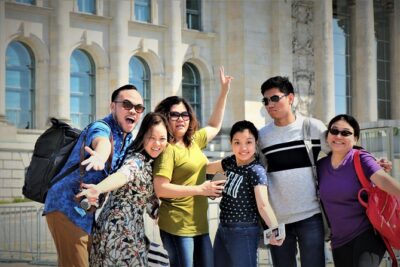
5hours: Guide, Chauffeur & Photographer in Berlin private Tour
Read our review →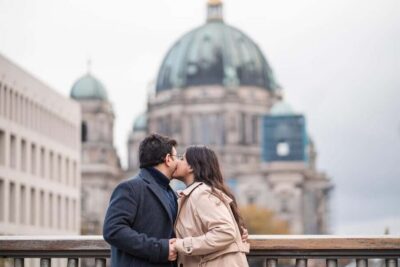
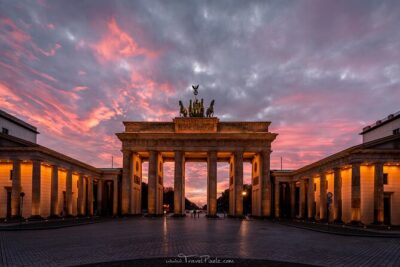
BERLIN PHOTO TOUR with a professional Photographer from Berlin
Read our review →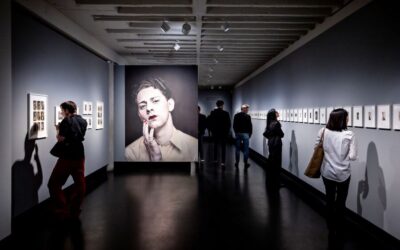
Ticket for Photography Exhibitions at C/O Berlin
Read our review →
Berlin Photography Masterclass – Private Photography Lesson
Read our review →
Browse the lists this tour appears in