REVIEW · TOURS
Cusco: Archeological Sites Tour and Forest Photo Experience
Cusco keeps its greatest Inca sites close at hand, and this half-day trip links four important ruins with the city’s most famous Inca temple. You move from carved rock and military remains to fountains, huge stone walls, and a planned photo session in Qenqo Forest.
I like the efficient route and the chance to see several very different sites in one morning or afternoon. I also like that a digital souvenir photograph is included, something more personal than another quick snapshot from a bus window. The main caution is cost and timing: the 17-dollar price does not include the 70-sol Tourist Ticket or the 15-sol Coricancha entrance fee, and a tight schedule may affect the final stop.
Key points to know before booking
- Four Inca sites in one half-day: See Qenqo, Puca Pucara, Sacsayhuaman, and Tambomachay around Cusco.
- Qenqo Forest photo session: An included photography stop gives you a planned memory of the visit, not just sightseeing.
- Coricancha comes last: Explore the former Temple of the Sun before returning to central Cusco.
- Tickets cost extra: Budget 70 soles for the Tourist Ticket and 15 soles for Coricancha.
- Hotel pickup is included: Wait in the lobby 10 minutes early, since drivers wait no more than five minutes.
- A flexible but busy outing: The five-hour schedule covers a lot, and the order can change during operation.
Four Inca sites packed into five hours
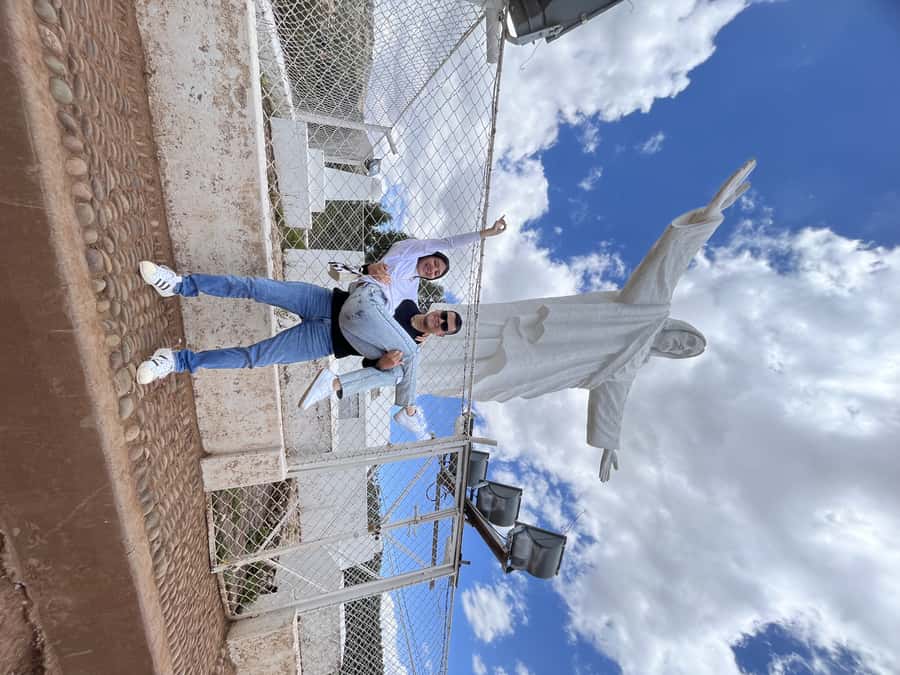
This is a practical introduction to Cusco’s main archaeological circuit. You do not spend the whole day at one sprawling complex. Instead, you get a quick look at four sites, each with a different role in Inca society, followed by Qenqo Forest and Coricancha.
That variety is the chief reason to choose this tour. Qenqo introduces ceremonial stonework. Puca Pucara shows the defensive side of the empire. Sacsayhuaman brings the grand masonry, while Tambomachay turns attention to water and purification.
The pace is also the chief limitation. Five hours is enough for an overview, but not for a slow, reflective visit at every stop. If you want long stretches for sketching, detailed photography, or reading every sign, you may prefer separate visits.
Pickup and return to your hotel are included. You should be ready in the lobby 10 minutes before the stated time. The driver carries a sign with your last name, and the waiting limit is five minutes, so this is not the moment for a relaxed breakfast that runs over.
A few more photo experiences around the world worth a look
- Bali: Full-Day Instagram Highlights Tour
★ 4.8 · 7,817 reviews - ️ Bali Instagram Tour: The Most Famous Spots (Private & All-Inclusive)
★ 5.0 · 2,857 reviews - Paris: Private Photoshoot at the Eiffel Tower
★ 4.7 · 2,636 reviews
Qenqo, a ceremonial place shaped from rock
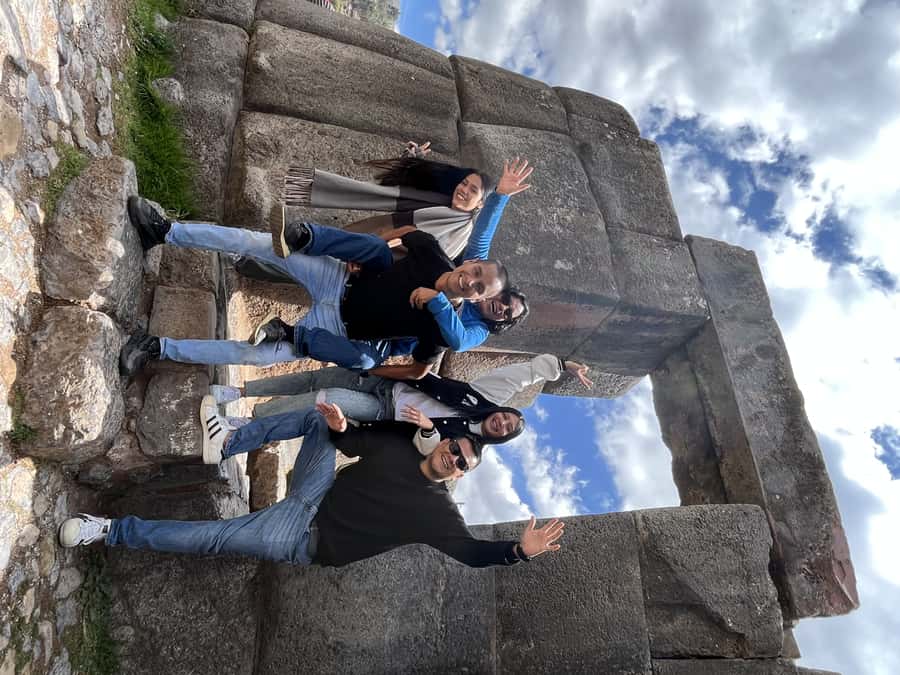
Qenqo is the first archaeological stop. Its setting is a natural rock formation that the Incas adapted into a ceremonial center, making it a good introduction to the way natural features could become part of sacred spaces.
Pay attention to the relationship between the stone and the human-made elements. This is not simply a pile of old masonry. The site shows how ceremony, carved rock, and the surrounding setting could work together.
The tour later returns to the Qenqo area for the forest photography session. That gives the stop two moods: an archaeological visit early in the route, followed by a more relaxed visual experience among the trees.
Your guide leads the visit in English or Spanish. Since the tour covers several places, listen for the basic purpose of each site and how it differs from the next. Those contrasts will help the route feel like a connected story rather than a string of names.
Puca Pucara and the practical side of empire
Puca Pucara is associated with military use and guard posts. You can expect remains of stairs, streets, houses, and patios, along with the rougher, more functional feel of a defensive installation.
This stop matters because it widens the picture of Inca life. The empire was not only temples and royal stonework. It also needed routes, guards, rest points, and organized movement through the region.
The ruins are included in the guided visit, but the available time is likely to be limited by the full route. I would use this stop to watch the layout and ask your guide how the structures fit their military purpose. A short explanation can make a group of walls and terraces much easier to understand.
Sacsayhuaman and the giant limestone blocks
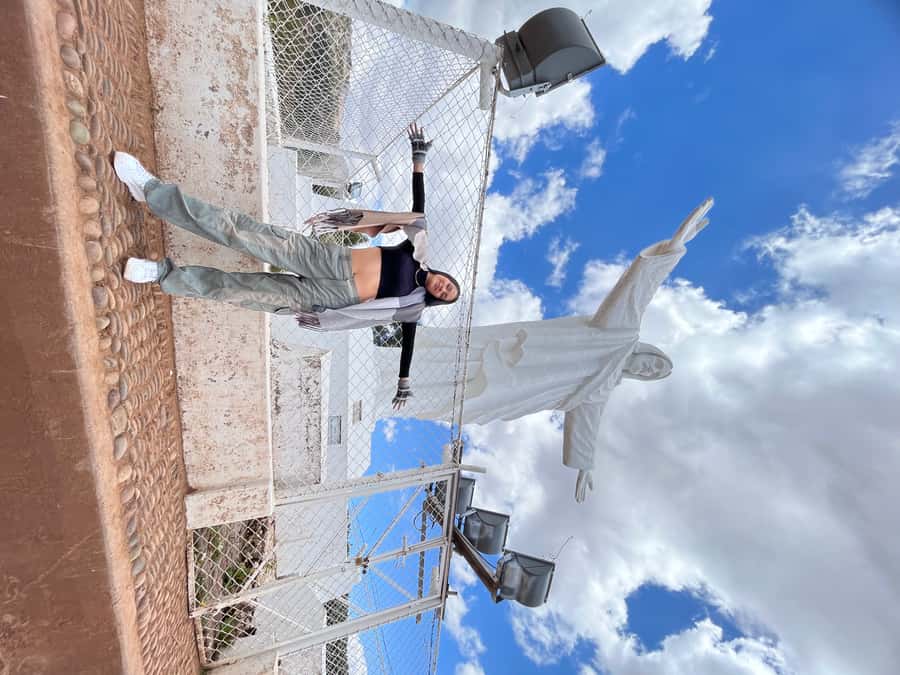
Sacsayhuaman is the visual heavyweight of the outing. The site was built with enormous limestone blocks and is described as a solar sanctuary created by the last Inca dynasties. It also helped protect Cusco from attacks.
Here, scale does much of the talking. The large stones give you a clear sense of the engineering effort behind Inca construction. Look closely at how the blocks meet, rather than treating the site as one large photo stop.
Sacsayhuaman can be the most memorable archaeological visit on the route, but it is also a place where time matters. The schedule includes three more archaeological sites, a forest photo session, and Coricancha. You will want to see the major walls and hear the guide’s explanation without expecting an unhurried, full-day exploration.
Bring comfortable shoes. The tour also recommends a sun hat, biodegradable sunscreen, comfortable clothing, a jacket, and rain gear. Cusco weather can change, and the outing moves between open archaeological areas and the forest.
Same place, a different kind of shoot:
- The ‘OG’ Manatee Snorkel Tour with In-Water Guide/Photographer
★ 5.0 · 2,539 reviews - Paris: Eiffel Tower Photoshoot
★ 4.7 · 2,351 reviews - Manatee Swim Tour with In Water Photographer
★ 5.0 · 2,300 reviews - IKONO: a Unique Sensory and Photographic Experience
★ 4.5 · 1,916 reviews
Tambomachay and the Inca focus on water
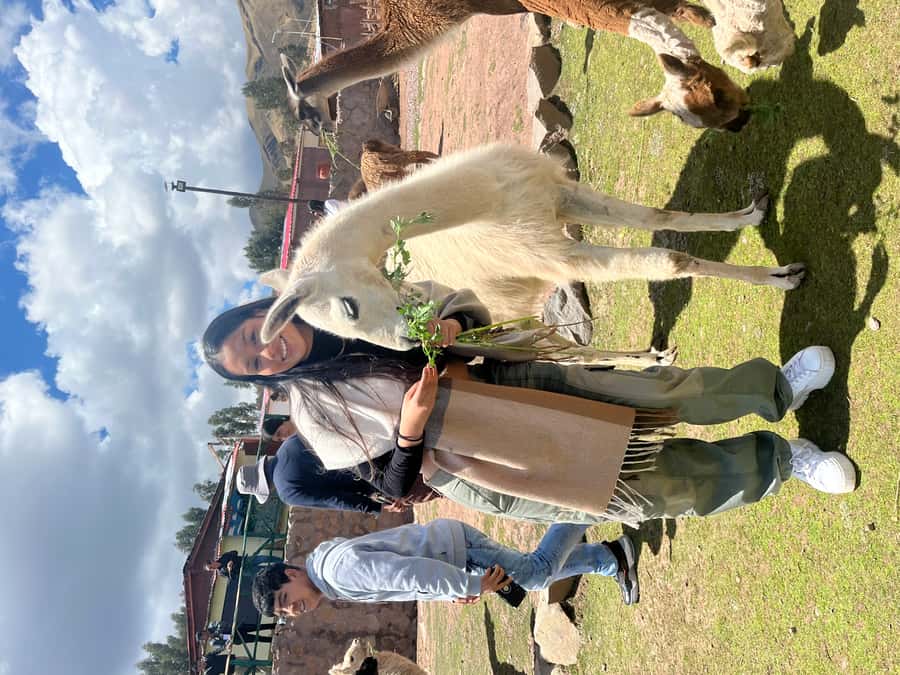
Tambomachay sits about nine kilometers from Cusco and is known for its water fountains. The site may also have served as a temple devoted to water and purification.
This is a quieter counterpoint to Sacsayhuaman. Instead of massive defensive walls, the focus is on controlled water and the meaning attached to it. The fountains make the site easy to picture, even if your visit is brief.
The route order can change, and the itinerary says all listed sites will be visited. Still, the schedule deserves attention. One dissatisfied customer reported arriving too late for the final ruin and not receiving the included photo, along with feeling poorly handled during the outing. That is only one account among four total ratings, but it points to a sensible question to ask before departure: confirm the day’s order and when the photo session will happen.
Qenqo Forest turns sightseeing into a photo session
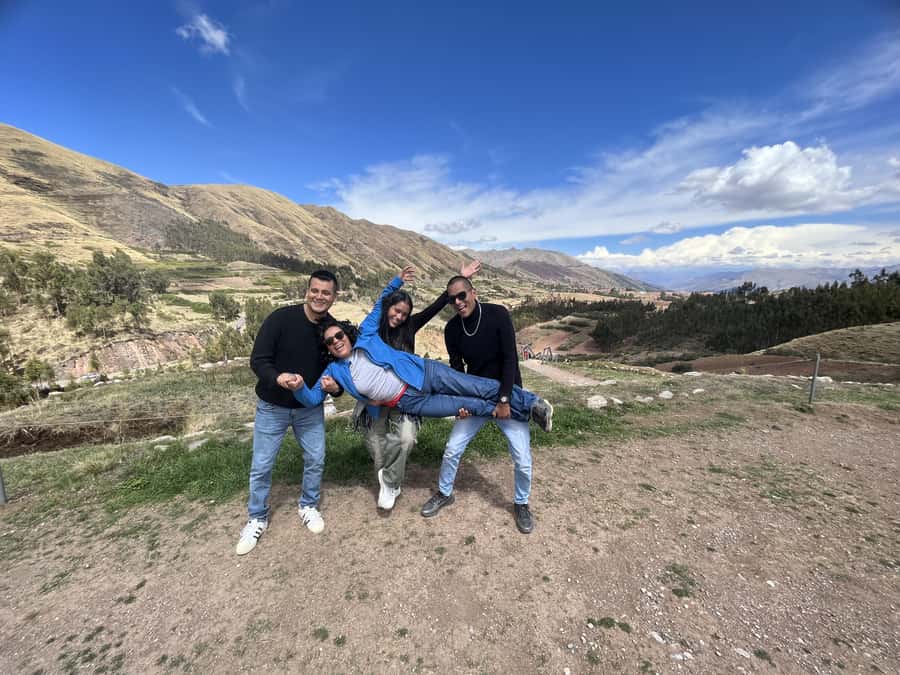
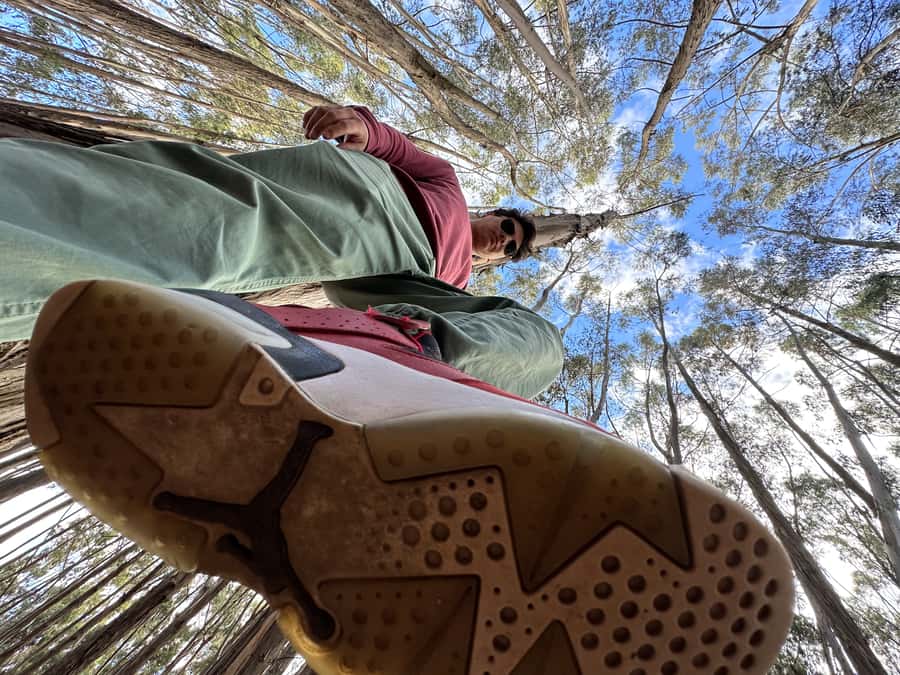
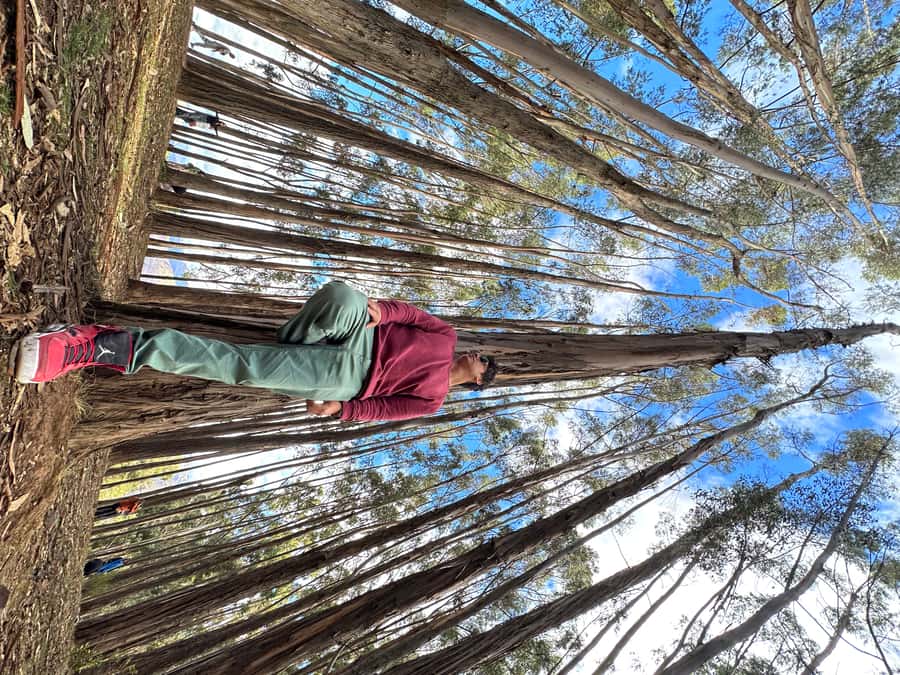
After the ruins, the tour takes you into Qenqo Forest for a planned photography experience. An expert photography guide takes the pictures, and one souvenir image is supplied as a digital file.
This is a useful feature if you want a photograph of yourself in the setting instead of another picture taken on your phone. It also breaks up the archaeological circuit with something more playful and personal.
The supplied information does not state how many images are taken, how long the session lasts, or when the digital file arrives. I would clarify those points before booking if the photography is your main reason for choosing this outing.
Keep your clothing comfortable and bring rain gear. The forest stop is outdoors, and the same weather advice applies here as at the ruins. A jacket is a good idea even when the day begins warm.
Because the photo session is part of the advertised experience, make sure it is clearly included when your guide introduces the day. One poor experience reported that the photographs were not offered. That does not prove the problem is routine, but it is a practical reason to confirm the arrangement at pickup.
Coricancha reveals Cusco’s most important Inca temple
The final major stop is Coricancha, the Temple of the Sun, located in Cusco. Its carefully fitted stone construction and formal architecture reflect its importance under the Inca Empire.
Ending here works well. After seeing outlying ruins and the Qenqo Forest, you return to the city for a site tied directly to Cusco’s religious and political center. The return is to central Cusco, so the tour finishes in a useful part of town rather than at a distant archaeological site.
Coricancha admission is not included. You pay 15 soles separately, in addition to the 70-sol Tourist Ticket needed for the four archaeological sites. At the advertised price of 17 dollars per person, the tour is inexpensive as a transport-and-guide package, but the real cost is higher once these entrance fees are added.
Bring cash. It is specifically recommended, and it covers the extra admissions and any food or drink you may want during the outing. Food and drinks are not included.
What the 17-dollar price really buys you
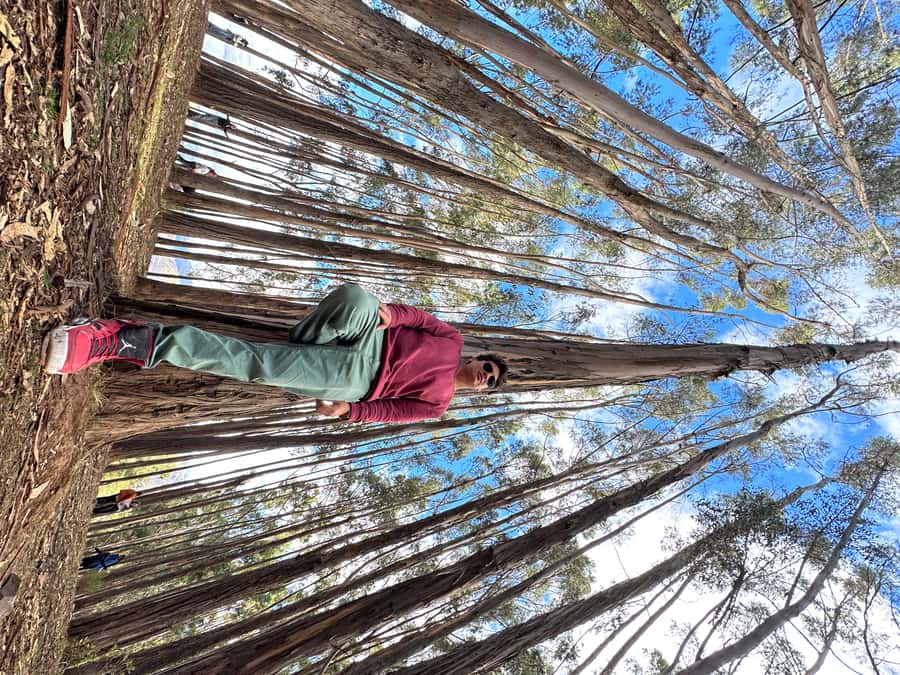
The base price is attractive for five hours of transport, a live guide, hotel pickup and return, a guided visit to five major places, Qenqo Forest entry, and a digital photograph.
The value is strongest if you want convenience. Organizing four ruins and Coricancha independently means arranging transport and keeping track of the separate admission requirements. Here, the route is bundled into one outing.
The price is less of a bargain if you expect every cost to be included. Add 70 soles for the Tourist Ticket and 15 soles for Coricancha. You also need to cover your own food and drinks. Those additions should be part of your decision before you book.
The modest rating of 3.3 from four reviews suggests uneven satisfaction, though the sample is small. The clearest warning concerns organization, missed timing at one ruin, a claimed failure to provide the photo, and an unpleasant experience around a tea tasting and shop stop. The tour description does not promise a tea tasting or shopping visit, so I would not book it expecting either. I would also ask at the start if any commercial stop is planned and how much time it will take.
Timing, pickup, and what to carry
The activity lasts five hours, with starting times shown according to availability. The exact pickup time matters because the driver waits only five minutes after the scheduled time.
Wait in your hotel lobby 10 minutes early. The driver should hold a sign with your last name, which helps identify the pickup, especially if several tours are leaving around the same time.
The itinerary may be modified for operational reasons, but all the listed sites are intended to be visited. That flexibility is normal for a multi-stop outing, yet it can affect the order and the amount of time at each place.
Wear comfortable shoes and clothes. Add a sun hat, biodegradable sunscreen, a jacket, and rain gear. Carry cash, and bring water or another drink since food and beverages are not included.
Free cancellation is available up to 24 hours before departure for a full refund. You can also reserve now and pay later, which helps if your Cusco schedule is still changing.
Who should choose this Cusco outing
I would choose this tour if you have limited time in Cusco and want a broad first look at the nearby Inca sites. It suits you if hotel pickup, a live English- or Spanish-speaking guide, and a planned photo session matter more than a slow archaeological study.
It also works well for someone who wants to compare different types of Inca places in one day: ceremony at Qenqo, defense at Puca Pucara, large-scale construction at Sacsayhuaman, water at Tambomachay, and imperial religion at Coricancha.
I would hesitate if you dislike tight schedules or want total control over the order. The one available detailed complaint raises real concerns about organization and missed stops, even though it does not establish a pattern across the small review sample. I would confirm the photo session and the planned route when you are picked up.
Should you book it?
Book this tour if you want maximum site coverage in five hours and accept separate entrance fees. The mix of ruins, Qenqo Forest photography, and Coricancha gives you more variety than a simple ruins-only trip.
Skip it if you want a leisurely day, guaranteed long visits at each site, or a photography session with clearly stated image details. For everyone else, it is a reasonably priced way to get oriented to Cusco’s Inca monuments, provided you arrive early, carry cash, and confirm the day’s timing at the start.
FAQ
How long does the Cusco archaeological sites tour last?
The activity lasts five hours.
Which archaeological sites are included?
The tour visits Qenqo, Puca Pucara, Sacsayhuaman, and Tambomachay.
Is Coricancha included?
Coricancha is included in the guided itinerary, but its entrance fee of 15 soles is not included in the tour price.
Are entrance fees included in the 17-dollar price?
No. The 70-sol Tourist Ticket and the 15-sol Coricancha entrance fee are paid separately.
Is hotel pickup included?
Yes. Pickup and return to your hotel in Cusco are included. Wait in the hotel lobby 10 minutes before pickup, and note that drivers wait no more than five minutes after the scheduled time.
Is the photo session included?
Entry to Qenqo Forest and a souvenir photograph in digital-file format are included. The available information does not specify the number of photographs or delivery time.
Just added around the world
- Lyon: Photoshoot Experience★ 3.2 · 4 reviews
- Lucerne: Lake Cruise & Old Town Tour w/ Guide & Photographer★ 5.0 · 3 reviews
- Montmartre Sacre Coeur area photoshoot by Paris photographer★ 5.0 · 5 reviews
- Louvre area photo shoot by Paris photographer★ 5.0 · 6 reviews
- Louvre Museum (Essential) – 2-hour visit in Portuguese with a photo session★ 4.8 · 23 reviews
- Como: Private Photoshoot with Post-Editing★ 4.9 · 8 reviews
- Los Angeles: Private Professional Vacation Photoshoot★ 5.0 · 2 reviews
- Louisville: Photoshoot Walking Tour with Pictures★ 4.8 · 3 reviews
Tours, compared.
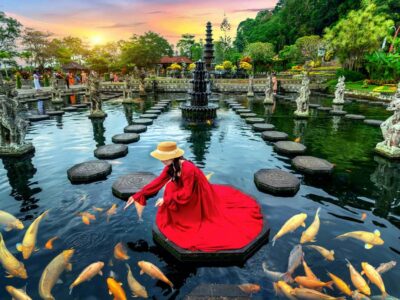
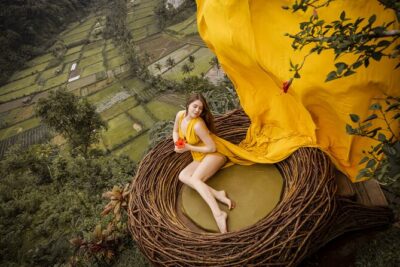
️ Bali Instagram Tour: The Most Famous Spots (Private & All-Inclusive)
Read our review →
Northern Lights Bus Tour with Free Photography
Read our review →

Murals of Nashville Instagram Tour by Golf Cart
Read our review →
Rome Vespa Scooter Tour with Professional Photographer
Read our review →