
REVIEW · STREET PHOTOGRAPHY TOURS
Dhaka Popular Street Photography Tour
Dhaka reveals itself best at street level, where flower sellers, book dealers, artisans, ferry passengers, and rickshaw drivers keep the city moving. This private tour takes you from Kawran Bazar to the Buriganga River, mixing street photography with short rides, walks, and stops at major cultural sites.
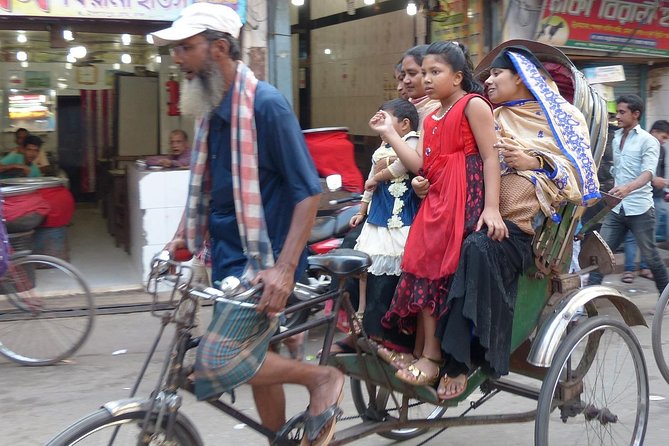
I like the way the tour puts you into everyday Dhaka rather than keeping you behind a vehicle window. I also like the unusual transport: a pulling rickshaw, horse cart, and wooden rowboat. Guide Mahib is singled out for clear explanations of Bangladeshi life and culture. The main caution is the traffic and crowding. Rickshaw, tuk-tuk, and horse-cart rides can feel rough and intense, especially if you prefer a quiet sightseeing day.
Key points to know before booking
- Markets are the main event: Kawran Bazar, Shahbagh Flower Market, Nilkhet, and Gausia Market offer constant activity and strong photo subjects.
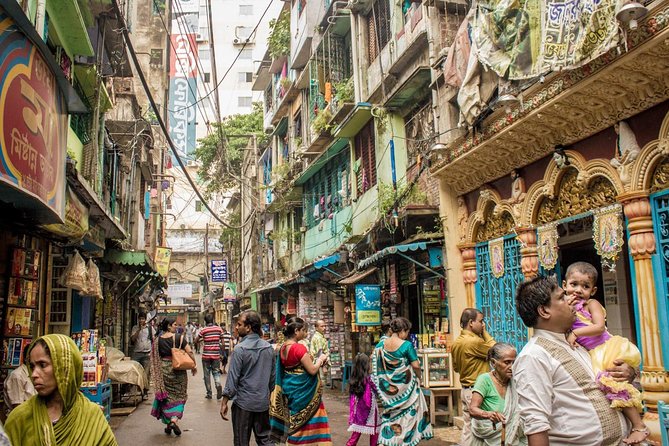
- Old Dhaka comes alive on foot: Shakhari Bazaar’s narrow lanes lead past workshops, homes, shrines, and small shops.
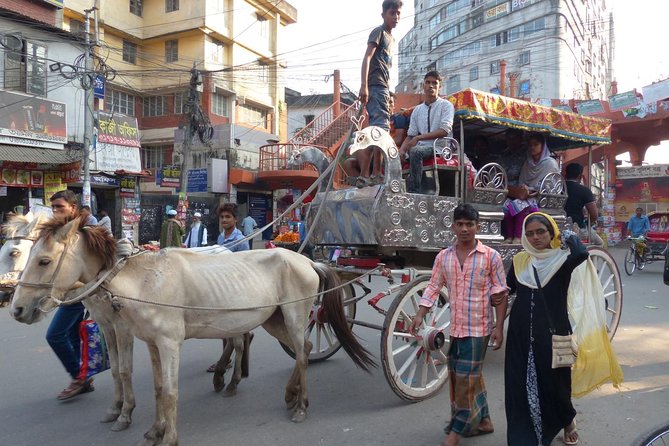
- You use several local transport types: Expect communal vehicles, a traditional pulling rickshaw, horse cart, and wooden rowboat.
- The cultural stops are varied: The route includes Dhaka University, Shahid Minar, Dhakeshwari Temple, Star Mosque, the Armenian Church, and Ahsan Manzil from the outside.
- Sadarghat is the dramatic finale: The river port is crowded, noisy, muddy, and full of ferries and daily movement.
- This is a private half-day outing: The listed price is $82 per person, with hotel pickup and drop-off, but confirm the lunch arrangement before paying.
Why this Dhaka tour works best at street level
The strongest feature here is variety. In roughly four to five hours, you see wholesale commerce, university life, religious buildings, old neighborhoods, colonial-era architecture, and river transport. You are not simply ticking off monuments. You are watching Dhaka function.
The route also gives you several ways to photograph the city. At a market, you can focus on color and movement. In Shakhari Bazaar, the interest is in texture, narrow lanes, and handwork. At Sadarghat, ferries and passengers create a much larger scene.
This is a private activity, so only your own group participates. That matters in tight lanes and crowded markets, where a large group would be harder to manage. Hotel pickup and drop-off are included, and the tour begins at 11:00 a.m. The listed timing is a little unusual because the experience is described as a full-day tour but lasts about four to five hours. Treat it as a substantial half-day excursion.
More Street Photography Tours in the world:
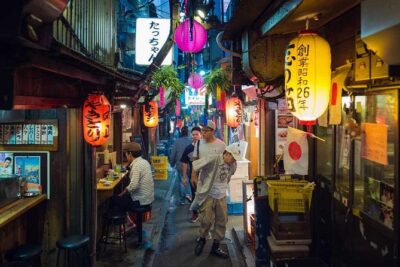
- Tokyo Cyberpunk Street Photo Tour
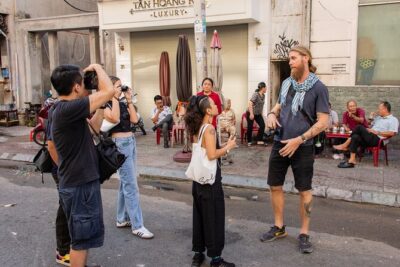
★ 5.0 · 165 reviews - Saigon Street Photography Experience
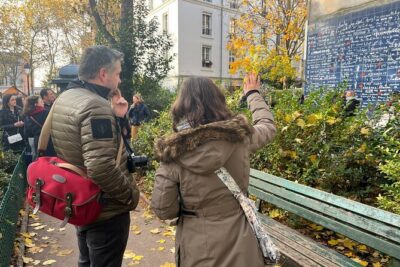
★ 5.0 · 56 reviews - Learn the art of street photography in the heart of Montmartre!
★ 5.0 · 33 reviews
Kawran Bazar and the city’s wholesale engine
Kawran Bazar is an energetic first stop, with about 45 minutes set aside for photography and observation. It is one of Dhaka’s largest commodity markets, handling vegetables, fish, meat, and fast-moving consumer goods at wholesale scale.
This is a useful place to begin because it introduces the working side of the city. You will see merchants buying and selling in a setting built around speed rather than sightseeing. The market can be crowded and messy, so protect your camera and keep your belongings close.
For photography, look for repeating forms: baskets, piled produce, fish displays, handcarts, and the gestures of bargaining. Ask before taking close portraits. A guide can help you approach people in a respectful way and explain what you are seeing.
Shahbagh flowers and Dhaka’s early color
The Shahbagh Flower Market receives about 30 minutes. It is the city’s largest wholesale flower market and supplies flowers for weddings and other occasions.
The appeal is immediate. Flowers bring color, fragrance, and a softer counterpoint to Kawran Bazar. Sellers and buyers work among garlands and loose blooms, creating strong scenes even if you are using a phone rather than a dedicated camera.
The timing is worth noting. The market begins its work very early in the day, while this tour starts at 11:00 a.m. You should still see the market, but the earliest wholesale activity may already be underway or past its peak. That is not a reason to skip it, only a useful expectation.
Dhaka University and Shahid Minar
The University of Dhaka is one of the city’s key civic places. Founded in 1921 during British rule, it later became an important center for democratic and nationalist movements. A stop here adds political and educational context to what might otherwise be a rapid tour of markets and monuments.
The nearby Shahid Minar is tied to the Language Movement of 1952. The monument honors those killed while defending the Bengali language, and it remains a major symbol of Bengali identity. On February 21 each year, people gather with flowers, and the date is now observed worldwide as International Mother Language Day.
Only about 15 minutes is listed for Shahid Minar, so expect a brief explanation and photographs rather than a long visit. Its importance comes from the story attached to the monument. Listen closely here, because the language movement helps explain modern Bangladesh in a way that a quick architectural stop cannot.
More Photography Tours in the world:
- Barcelona E-Bike Photography Tour
★ 5.0 · 843 reviews - Tromso: Northern Lights Photography Tour
★ 4.2 · 843 reviews - Tromsø: Northern Lights Photography Tour
★ 4.8 · 788 reviews - Rovaniemi: Aurora Hunting Photography Tour with Barbeque
★ 4.4 · 433 reviews
Nilkhet’s book stalls and Gausia Market
Nilkhet Book Market gives the tour another change of pace. More than one thousand small bookshops operate in the area, serving students and readers from across the country. The stop lasts about 40 minutes.
The market is appealing because it feels practical, not staged for sightseeing. Rows of books and small shops create a dense visual setting, and the scene reflects Dhaka’s student life. If you enjoy photographing signs, shelves, shopkeepers, and narrow commercial spaces, this may be one of the most rewarding stops.
Gausia Market receives about an hour, the longest scheduled stop on the route. It is known for sarees and is connected to a larger municipal market with thousands of shops and street sellers. This is a good place to see the commercial importance of traditional clothing in Bangladesh.
You should have time to look closely rather than simply pass through. Saree colors, fabric patterns, shop displays, and the flow of customers all offer plenty to photograph. It is also one of the places where the crowd may feel most intense. Keep your camera strap secure and be ready for a lot of people in a small area.
Dhakeshwari Temple and Star Mosque
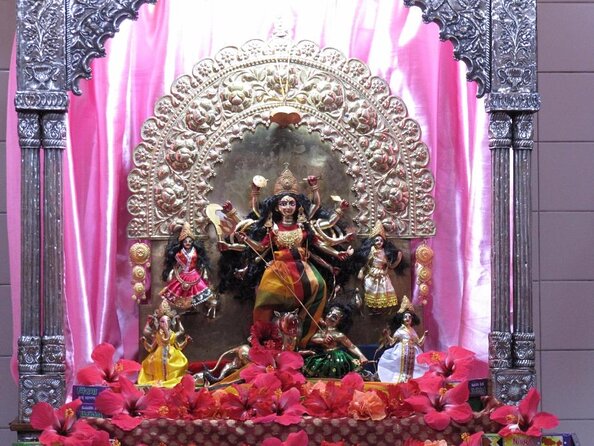
Dhakeshwari Temple is Bangladesh’s national Hindu temple. Its name means Goddess of Dhaka, and the site is associated with the Sena dynasty and the 12th century, although repeated repairs make the present building difficult to date exactly.
The temple matters as a living religious site and as part of Dhaka’s cultural identity. Dress and behavior should be respectful, and your guide can help you understand what you are seeing. The scheduled visit is about 35 minutes.
Star Mosque, or Tara Masjid, provides a sharp contrast. The mosque is known for white marble and decorative floral and star patterns. It is traditionally dated to 1711, though no founding inscription is noted. The stop lasts about 25 minutes.
Plan your visit around prayer times. Women need to cover their heads to enter, and modest clothing is required for everyone. Shorts are not suitable for entry. These are simple rules, but they matter at active religious sites, so dress with both stops in mind.
The Armenian Church and Shakhari Bazaar
The Armenian Church of the Holy Resurrection is an 18th-century church in Old Dhaka. The tour describes it as abandoned, giving the stop a quieter and more unusual feel than the markets and religious buildings.
You receive about 25 minutes here. It is a brief pause, but it adds another layer to the city’s past and shows that Old Dhaka has long included several religious communities.
The walk through Shakhari Bazaar is one of the most distinctive parts of the day. This neighborhood has been a center of Dhaka’s Hindu community for more than 400 years. Its narrow lanes are lined with homes, small businesses, and workshops where artisans make items such as kites and jewelry.
The area is especially suited to street photography because daily life happens right beside the work. You may see craftsmen at their benches, shop displays tucked into tiny spaces, and residents moving through lanes that are too narrow for normal traffic. The 40-minute walk is not long, but it can feel full because there is so much to look at.
Wear comfortable shoes. The route includes walking through small streets, and the crowding may make progress slow. A private guide is useful here because the neighborhood is less about one grand building and more about understanding how its community works.
Ahsan Manzil and the turn toward the river
Ahsan Manzil, known as the Pink Palace, is located near the Buriganga River. The palace represents the Nawab period of Dhaka and also reflects the site’s earlier connection with French traders and later owners.
The tour visits the palace from the outside, so do not book this experience expecting a full museum visit or interior tour. The exterior still makes a strong photograph, especially as a contrast to the tight lanes and active markets around it.
This stop also prepares you for the final section of the day. Dhaka’s grand buildings and crowded streets sit close to the river, and Ahsan Manzil helps connect those parts of the city.
Sadarghat, ferries, and the Buriganga
Sadarghat is the final major stop, with about an hour scheduled. This central river port handles large and small passenger launches, with around 200 departures and arrivals each day and roughly 30,000 people using the terminal on an average day.
The scene is intense. Ferries, passengers, port workers, small boats, and riverside commerce all overlap. The Buriganga is described as muddy and smelly, but it remains a vital part of Old Dhaka’s life. If you want polished scenery, this is not that. If you want to understand how people and goods move through the city, it is essential.
The included wooden rowboat ride gives you a different view of the river and the port. It is one of the experiences most likely to stay with you, but it is not a luxury cruise. Expect a local boat, close contact with the water, and a direct look at river traffic.
Stay alert around the terminal. The crowds and movement are part of the experience, but they also demand attention to your belongings and your footing. The river section rewards patience. Give yourself time to watch rather than trying to photograph every moment.
Getting around, lunch, and the $82 price
At $82 per person, this tour is not the cheapest way to see Dhaka, but the price includes more than transportation between landmarks. You receive hotel pickup and drop-off, a guide, communal local transport, a pulling rickshaw ride, horse cart rides, a wooden rowboat ride, and a walking route through Old Dhaka.
That combination gives the price reasonable value for someone who wants a tightly arranged introduction to the city. Booking your own separate rides and visits would take more planning, and moving between these districts on your own could be demanding.
The tour description includes a traditional Bangladeshi lunch, but the formal inclusions do not clearly list lunch. Drinks are excluded, as are guide tips and personal purchases. I would confirm the lunch arrangement before booking, especially if food is an important part of your decision.
The transport is also part of the tradeoff. Local vehicles, rickshaws, and horse carts provide a more direct experience than a private air-conditioned car, but the roads can be rough and crowded. One account describes the rides as memorable but not for the faint-hearted. That is useful advice. Choose this tour for contact with city life, not comfort.
Who should book this experience
I would choose this tour if you want your first day in Dhaka to cover a lot of ground with a local guide. It suits photographers, first-time visitors, and anyone curious about markets, religious sites, transport, and ordinary city life.
It is also a strong choice if you have limited time. The route gives you a quick view of both New and Old Dhaka, with enough walking and explanation to make the stops meaningful.
I would be more cautious if you dislike crowds, traffic, noise, uneven movement, or changing vehicles. The tour is active, and Sadarghat and the markets can be overwhelming. It is not designed as a calm architectural tour.
The overall rating is 4.8 from five reviews, and the most praised elements are the view into regular Dhaka life, Mahib’s explanations, and the memorable river boat ride. Those are the parts to prioritize. If you are mainly interested in quiet monuments or indoor museums, another plan may suit you better.
FAQ
How long does the Dhaka Popular Street Photography Tour last?
The experience lasts approximately four to five hours. It is described as a full-day tour in one part of the information, but the stated duration is closer to a half-day outing.
What time does the tour begin?
The scheduled start time is 11:00 a.m.
Is hotel pickup and drop-off included?
Yes. Hotel pickup and drop-off are included.
Is this a private tour?
Yes. Only your own group participates in this private activity.
What types of transport are included?
The tour includes local communal vehicles, a traditional pulling rickshaw ride, horse cart rides, and a traditional wooden rowboat ride with local people.
Is lunch included?
The tour description mentions a traditional Bangladeshi lunch, but the formal list of inclusions does not clearly state that lunch is included. Confirm this detail before booking.
Are drinks included?
No. Soft and alcoholic drinks are not included.
What should I wear when visiting Star Mosque?
Women need to cover their heads, and everyone should wear modest clothing. Shorts are not suitable for entering the mosque, and you should avoid visiting during prayer times.
Can I cancel for a full refund?
Yes, if you cancel at least 24 hours before the experience start time. Cancellations made less than 24 hours in advance are not refunded. Changes within 24 hours are also not accepted.
Should you book it?
Book this tour if you want Dhaka in motion: markets, narrow lanes, local rides, religious sites, and a river port where daily life unfolds at full speed. The value is strongest for first-time visitors who want transport, context, and many different sides of the city arranged in one private outing.
Before booking, confirm the lunch detail and prepare for heat, crowds, rough rides, and noise. If that sounds like the point rather than a problem, this is a memorable way to meet Dhaka on its own terms.
Just added around the world
- Private Vacation Photoshoot with Photographer in Myrtle Beach★ 4.0 · 9 reviews
- Traditional Japanese Costumes “Kimono”, “Yukata”, “Ryuso”, “Photograph Course “Hair Set & Lipstick & Kimono & Photography”★ 5.0 · 17 reviews
- Marco Island Photography Experience★ 5.0 · 7 reviews
- Capture Unforgettable Moments: Private Holiday Photography★ 5.0 · 52 reviews
- Hire Photographer, Professional Photo Shoot – Myrtle Beach★ 5.0 · 4 reviews
- Proposal Photoshoot Mykonos★ 5.0 · 2 reviews
- Mykonos Town Greece Photographer★ 5.0 · 16 reviews
- Private Instagram Tour | Mykonos Most Photogenic Spots★ 5.0 · 4 reviews
Street Photography Tours, compared.
Learn the art of street photography in the heart of Montmartre!
Read our review →

Hanoi Street Photography with a Pro – Phone & Camera
Read our review →
Street photography with your smartphone, tour of Budapest
Read our review →
Browse the lists this tour appears in