
REVIEW · DA NANG
Hai Van Pass Horizons Photo Tour
The best part of this tour is the change of viewpoint. You begin in a train carriage, photographing passengers and mountain scenery through an open window, then switch to a private car for the high road above Lang Co lagoon. I especially like the chance to photograph ordinary working life, not just famous viewpoints, and the small group size of no more than five people keeps the photo coaching personal.
I also like that the tour teaches you how to build a picture story. You work on portraits, composition, and scenes of fishermen using hand-woven coracle boats. The main drawback is the 5:30 am start, and cloudy or wet weather can affect the experience or lead to cancellation.
Key points at a glance
- Early local train ride: Photograph the train winding through Hai Van Pass, along with passengers and train staff.
- Lang Co fishing community: Practice making a small photo story around fishermen, boats, and lagoon life.
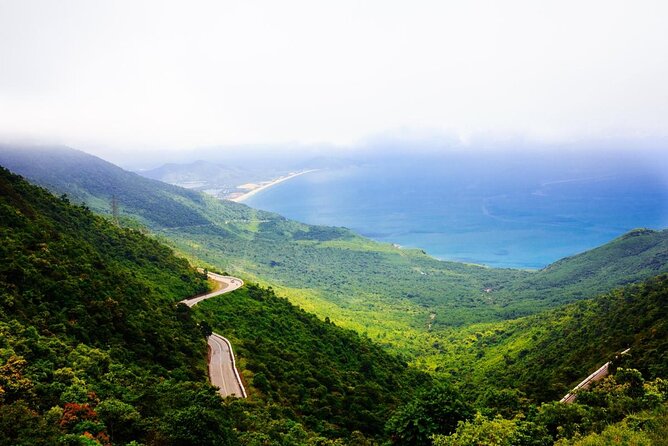
- Two-sided pass views: See north toward Lang Co and Hue, then south toward Da Nang from the summit.
- Personal photo coaching: Guide Cristian helps with camera settings, composition, portraits, and timing.
- Private group of up to five: The small size gives you more room to ask questions and work at your own pace.
- Breakfast and transport included: Hotel pickup, a Vietnamese breakfast, private road transport, and drop-off are covered.
Why this Hai Van Pass photo tour feels different
Many trips over Hai Van Pass are built around a quick stop at the top. This one gives you three separate ways to see the area: from a train window, from the edge of a lagoon, and from the mountain road. That variety matters if you want photographs with a sense of place rather than a collection of pretty views.
You are not simply told where to point your camera. The workshop approach asks you to think about what belongs in the frame, how people relate to their surroundings, and how several images can work together as a short story. That makes the tour useful for beginners, while more experienced photographers still get changing subjects and difficult light to work with.
The experience is operated by Vietnam in Focus, with photographer guide Cristian named in the tour details and guest feedback. A separate reference to Chris appears in the comments, so it is sensible to confirm your guide’s name when you reconfirm the pickup.
More Photography Tours in Vietnam
- Professional Photography Tour Optional Ao Dai Dress in Hoi An
★ 5.0 · 99 reviews - Private Sunrise Photography Tour – Down in Chinatown
★ 5.0 · 59 reviews - Hanoi Explorer Photo Tour
★ 5.0 · 40 reviews
Starting before sunrise in Da Nang or Hoi An
Pickup begins at about 5:30 am from your hotel in Da Nang or Hoi An. The exact pickup time is confirmed after booking, with pickups starting roughly 30 to 60 minutes before the stated tour time. That early departure is not a minor detail. You need to be ready before most of the city is moving, but it gives you a better chance of reaching the station without a rushed start.
At Da Nang railway station, you have time to check camera settings, hear the plan for the day, and eat a Vietnamese breakfast with coffee. This is a smart opening for a photo workshop. You can make sure your batteries, memory cards, and camera settings are ready before the train arrives.
If the train is delayed, the time is used for practical work rather than wasted waiting. You might review composition, take portraits around the station, or discuss how to approach people with a camera. Delays are never ideal, but this built-in flexibility makes them less frustrating.
Bring only the equipment you can manage easily. The tour includes a train ride, time on foot around Lang Co, and road stops at the pass. A heavy camera bag will become tiresome during a seven-hour outing, especially if you are still learning which lenses and accessories you actually use.
Photographing Hai Van Pass from a local train
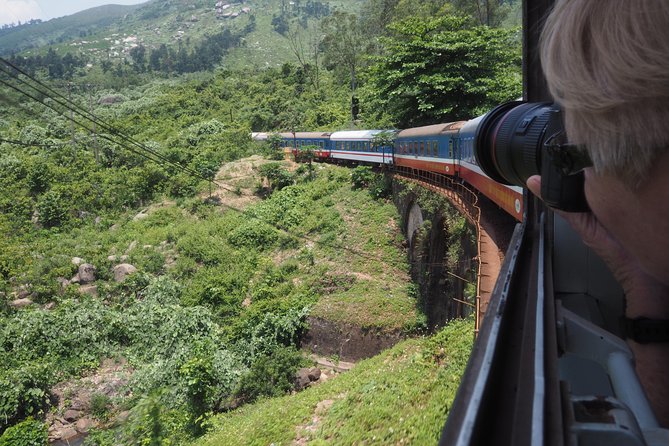
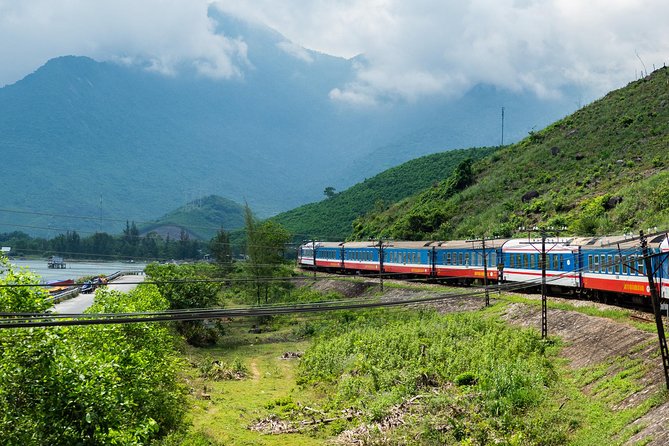
The train portion lasts about two hours and is one of the most unusual parts of the day. You ride in a local passenger carriage and have a chance to open the window as the train winds through the mountains. This gives you a moving viewpoint that a roadside stop cannot match.
The obvious subject is the scenery, but the carriage itself offers more variety. You can photograph passengers, train staff, gestures, hands, luggage, and the small details of a shared public journey. Cristian’s instruction focuses on different kinds of portrait and on respectful ways to approach people for pictures.
Train photography rewards patience. The window view changes quickly, and reflections, poles, wires, and passing structures can enter the frame without warning. You may get better results by watching for a clear view, preparing your focus, and accepting that not every frame needs to be perfectly sharp.
The train is also a good place to practise composition without waiting for an iconic view. You may work with lines created by the carriage, layers of mountains beyond the window, or a person framed against the passing countryside. These lessons carry over to other parts of your trip in Vietnam.
The schedule can be affected by train delays, so do not plan a tight connection immediately after the tour. The experience is designed around the train, and the day needs some room for its timing.
Lang Co lagoon and the coracle boats
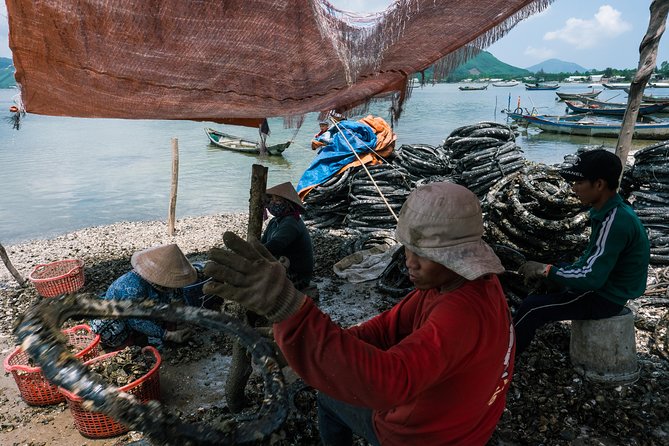
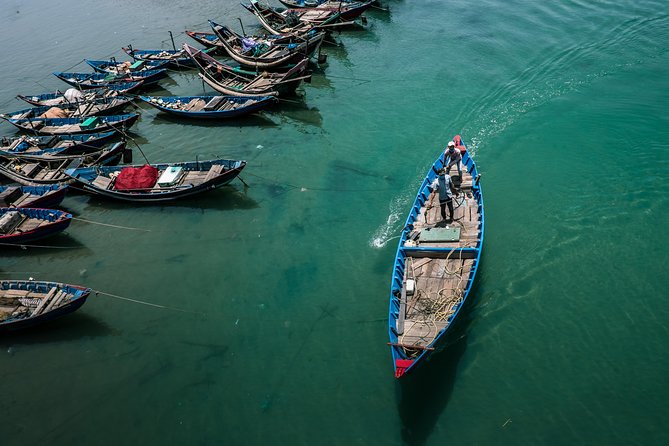
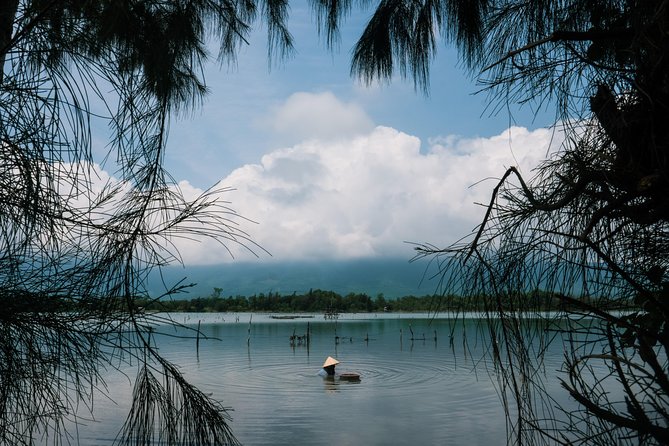
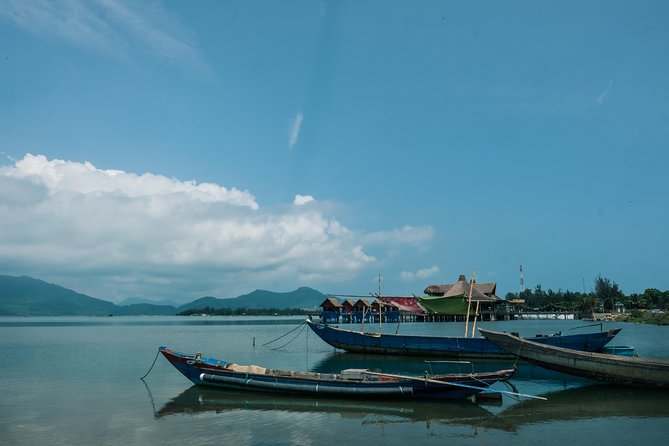
You get off at the small station at Lang Co and continue to a nearby fishing community beside the lagoon. The setting changes quickly from railway travel to quiet working life. Here, local fishermen use traditional hand-woven coracle boats to bring in their catch.
This is where the workshop’s idea of a mini-story becomes useful. Instead of taking one isolated photograph, you can look for a sequence: the people, their tools, the boats, the water, and the wider setting. A good set of images can show what the work involves without relying on a posed portrait.
I like this stop because it asks you to photograph people in context. A fishing boat alone may be attractive, but a person handling it, repairing gear, or working on the water gives the image a clearer human point. You can also practise relationship shots, showing how people connect with their working environment.
The stop lasts about an hour and a half, including the road journey toward the pass. That is enough time to work, but it is not an open-ended village visit. You should be ready to move when the guide calls time.
A moderate level of physical fitness is recommended. The tour does not list health restrictions, and most people can participate, but you should still expect to get in and out of transport, walk around the community, and continue on to roadside viewpoints. Comfortable shoes are a practical choice.
Same place, a different kind of shoot:
- Sapa: Fansipan Cable, Cat Cat Village & Moana Instagram Tour
★ 5.0 · 777 reviews - Instagram Incense Quang Phu Cau Village Tour with Train Street
★ 5.0 · 323 reviews - Sapa: Fansipan Cable, Cat Cat Village, Moana Instagram Tour
★ 4.8 · 294 reviews - Hoi An/Da Nang: Private Photoshoot & Guided Walking Tour
★ 5.0 · 160 reviews
The road to the summit
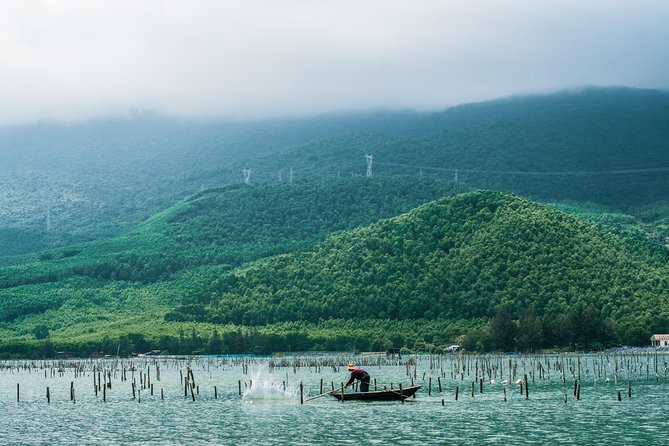
After Lang Co, private road transport takes you back up toward Hai Van Pass. This section adds a completely different kind of photography. From the road, you can stop to look across Lang Co lagoon and beach, with the mountain route rising above the coast.
The pass separates northern and central Vietnam, which have noticeably different climates and cultural settings. You do not need a long lecture to understand the divide. The changing views, weather, and road conditions make the geography clear as you cross from one side toward the other.
The road section is valuable because it lets you build a set of images with changing scale. Start with a wide view, then look for a road curve, a boat, a shack, or another foreground detail to give the picture depth. This is where composition tips can make a real difference. A broad view often needs one strong object close to the camera to keep it from feeling empty.
The private vehicle also gives you a break from the train and walking. Transport, driver, and hotel pickup are included, so you are not left arranging separate taxis between the station, lagoon, and summit.
At the top: views, bunkers, and a useful lunch break
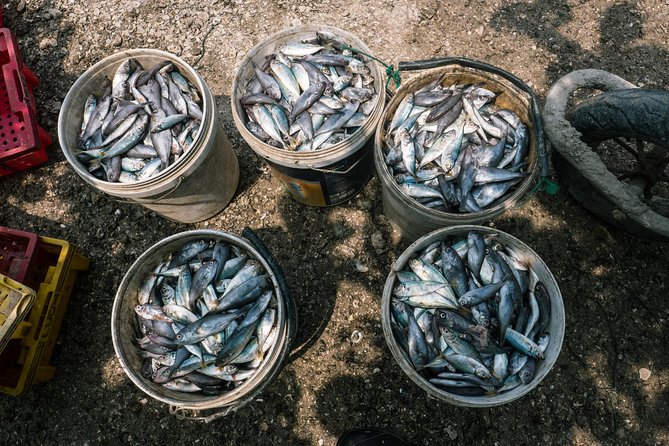
At the top of Hai Van Pass, you can look north toward Lang Co and Hue, then south toward Da Nang. The two directions give you different subjects and help explain why the pass is such a celebrated route through central Vietnam.
Roadside shacks offer snacks, and nearby war-era bunkers and gun emplacements provide strong foreground subjects. These structures are also used by local couples for wedding photographs, which adds a present-day layer to an older setting. You can photograph the bunkers themselves or use their shapes to frame the coast and mountains.
This is a good reminder that a famous view does not have to be photographed as a postcard. Try placing a bunker, wall, road edge, or person in the foreground. The guide can help you decide how much of the distant scenery belongs in the frame.
The final summit section lasts about two hours and includes lunch and coffee. You also review some of the day’s photographs at a scenic spot before returning to Da Nang. That review is useful because you can discuss what worked while the scenes are still fresh in your mind.
Do not expect a formal restaurant meal based on the information provided. Breakfast is specifically described as Vietnamese, while the summit section includes lunch and coffee. If you have dietary needs, ask for details before booking rather than assuming a particular menu.
What the $219 price includes
At $219 per person, this is not a budget sightseeing transfer. You are paying for a full day of transport, a professional photographer guide, breakfast, lunch, coffee, hotel pickup and drop-off, and instruction across several locations.
The value depends on how much you want from the photography side. If you only want to see Hai Van Pass, a standard road trip will likely cost less. If you want help with camera settings, portraits, composition, and selecting stronger images, the private format gives the price a clearer purpose.
The group limit is five people, and the activity is private to your group. That is important. You are not sharing the day with a large busload or waiting while dozens of people take the same photograph. A small group also gives you more chances to ask about your own camera and shooting habits.
Group discounts are offered, though no discount amount is given. For friends or family who already plan to travel together, it is worth asking about the group rate before paying.
Who will get the most from this experience
I would choose this tour if you want instruction as much as sightseeing. You do not need to be an expert. The day covers basic camera preparation, composition, portraits, and ways to approach people, so a beginner can gain useful habits quickly.
It also suits photographers who want more than mountain viewpoints. The train carriage and Lang Co fishing community offer people and working-life subjects, while the road and summit provide broad coastal views. You can return with a varied set of photographs rather than repeated versions of the same scene.
This may be less suitable if you dislike early mornings, have limited mobility, or want a slow, unstructured day. The schedule covers a lot in about seven hours, and the train timetable can affect the pace.
The tour requires good weather. If poor conditions force cancellation, you are offered another date or a full refund. For the best chance of clear views, keep some flexibility in your schedule.
Practical advice before you book
Confirm the pickup time and guide details after booking. Pickup from Hoi An or Da Nang is available, but the exact time depends on your hotel and the early train schedule.
Bring spare batteries and memory cards. You will photograph on the train, at the lagoon, along the road, and at the summit, so storage can disappear faster than expected.
A camera is not specified as mandatory, and the tour is built around learning, but you should bring the equipment you want to use. If you are using a phone, the same ideas about framing, timing, and storytelling still apply.
Wear shoes suited to moderate activity and bring protection for changing weather. The tour is weather dependent, and mountain conditions can shift during the day. Keep your kit light enough to carry comfortably.
Free cancellation is available up to 24 hours before the start time. Within 24 hours, the amount paid is not refunded and changes are not accepted. Cutoff times use local time.
Should you book the Hai Van Pass Horizons Photo Tour?
Book it if you want a small, hands-on photography day that mixes public transport, local working life, and major scenery. The train ride and Lang Co fishing stop give the experience more character than a simple drive to the summit, while Cristian’s coaching adds real value for anyone keen to improve.
Skip it if you only want a quick Hai Van Pass viewpoint, dislike a 5:30 am start, or need a completely predictable schedule. For the right person, the price buys more than transport. It buys access to several kinds of subject and a guide who can help you make better use of your camera.
FAQ
Where does the Hai Van Pass photo tour start?
The tour starts with hotel pickup from Da Nang or Hoi An at approximately 5:30 am. Your exact pickup time is confirmed after booking.
How long does the experience last?
The tour lasts approximately seven hours.
How many people can join the tour?
The activity is private to your group and has a maximum of five travelers.
Is hotel pickup included?
Yes. Hotel pickup and drop-off are included for hotels in Da Nang or Hoi An.
Is breakfast included?
Yes. A Vietnamese breakfast is included, along with coffee and a bite to eat while waiting for the train.
What will I photograph on the train?
You can photograph mountain and coastal views from the carriage, as well as passengers and train staff. The guide also covers portrait techniques and ways to approach people for photographs.
What happens at Lang Co?
You visit a fishing community beside the lagoon, where local fishermen use traditional hand-woven coracle boats. The focus is on creating small photo stories about people working in their surroundings.
Is lunch included?
The tour includes time for lunch and coffee at the Hai Van Pass summit. Specific meal details are not provided.
Does the tour run in bad weather?
The experience requires good weather. If it is canceled because of poor conditions, you are offered another date or a full refund.
Can I cancel for free?
You can cancel for a full refund up to 24 hours before the experience start time. Cancellations or changes made less than 24 hours before the start are not accepted for a refund.
Just added around Vietnam
- Photo tour with Hue photographer in Vietnam★ 5.0 · 3 reviews
- Sunset photo tour with the farmers★ 4.5 · 7 reviews
- Private Night Photography Tour in Hoi An★ 5.0 · 4 reviews
- PhotoShoot Ao Dai Viet Nam In Hoi An★ 5.0 · 2 reviews
- Photography Tour Hoi An Fishing Nets★ 5.0 · 4 reviews
- Couple Photoshoot in Ancient Town of Hoi An with Highlight Reel★ 5.0 · 2 reviews
- 150-Minute Private Morning Old Town Photo Walk★ 5.0 · 6 reviews
- Hoi An tourist photography package★ 5.0 · 4 reviews
Photography Tours, compared.

Rhodes: E-bike Highlights Sunset or Morning Photo Tour
Read our review →

Browse the lists this tour appears in