
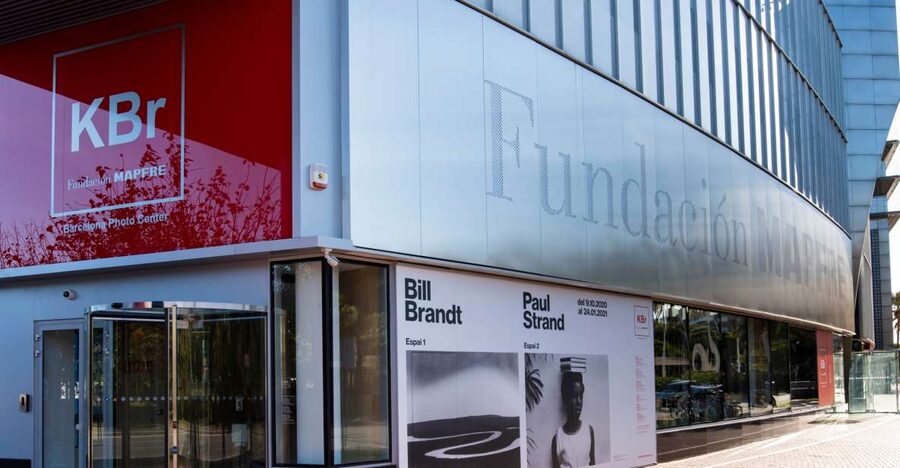
REVIEW · BARCELONA
KBr Fundación MAPFRE – Photography Exhibitions
KBr Fundación MAPFRE gives you a focused hour or two with photography that rewards close looking. The current program pairs Walker Evans: Now and Then, organized by David Campany, with a selection of Carlos Pérez Siquier’s work from the Fundación MAPFRE Collections.
I like the strong contrast between the shows: Evans watches 20th-century America with a spare, direct eye, while Pérez Siquier tracks social change in Spain through black-and-white and color. I also like the $5 admission, which makes this one of Barcelona’s more affordable serious art stops. The main caution is practical: one booking in February 2026 was affected by a closure, so it is wise to check the center’s current opening status before setting out.
Key points
- Two photography exhibitions in one visit: See Walker Evans alongside Carlos Pérez Siquier, two photographers with very different national settings and visual styles.
- Walker Evans across five decades: Follow his work from the 1920s through his later Polaroid experiments in the 1970s.
- Pérez Siquier’s move from monochrome to color: Look for key series including La Chanca, Informalisms, and The Beach.
- Free audio guide: Use the QR code in the exhibition rooms with your own headphones and a phone with mobile data or the center’s free Wi-Fi.
- A low-cost Port Olímpic culture stop: Admission is $5 per person, and the center is wheelchair accessible.
- Plan around the hours: The center opens Tuesday through Sunday and holidays, from 11 a.m. to 7 p.m. October through March, and until 8 p.m. from April 1 onward.
Why KBr is worth your time in Port Olímpic
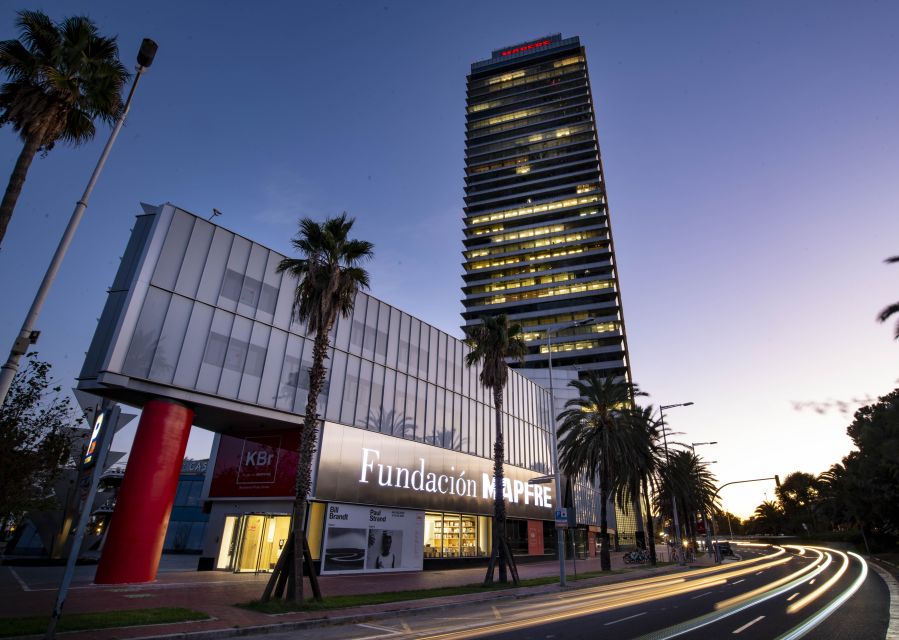
KBr Fundación MAPFRE is a photography center in Barcelona’s Port Olímpic area, dedicated to changing exhibitions rather than a permanent collection you rush through in 20 minutes. The format is simple: you arrive, present your voucher at the ticket desk, and enter two exhibition spaces with separate but related displays.
That setup works well for Barcelona. You can spend a full afternoon moving among the city’s major museums, but a smaller photography center offers a useful change of pace. Here, you are not trying to cover several centuries of painting or a huge building. You are looking at photographs closely, noticing framing, faces, signs, surfaces, and the choices made behind the camera.
The ticket costs $5 per person. For that price, I see KBr as an easy addition to a Port Olímpic outing, especially if you care about photography or want a quiet indoor stop. It is not a full-day attraction in the usual sense, though the ticket is valid for one day and the two exhibitions can comfortably fill an hour or two depending on how carefully you read and listen.
The center is wheelchair accessible. Food and swimwear are not allowed, which is worth knowing if you are combining the visit with time near the waterfront.
More Museum Visits in Barcelona:
- Berlin: Fotografiska Photography Exhibition Ticket
★ 4.6 · 168 reviews - Amsterdam: Foam Photography Museum Admission Ticket
★ 4.2 · 141 reviews - Paris: Private Photoshoot Outside the Louvre Museum
★ 4.8 · 139 reviews
Walker Evans from the 1920s to the 1970s
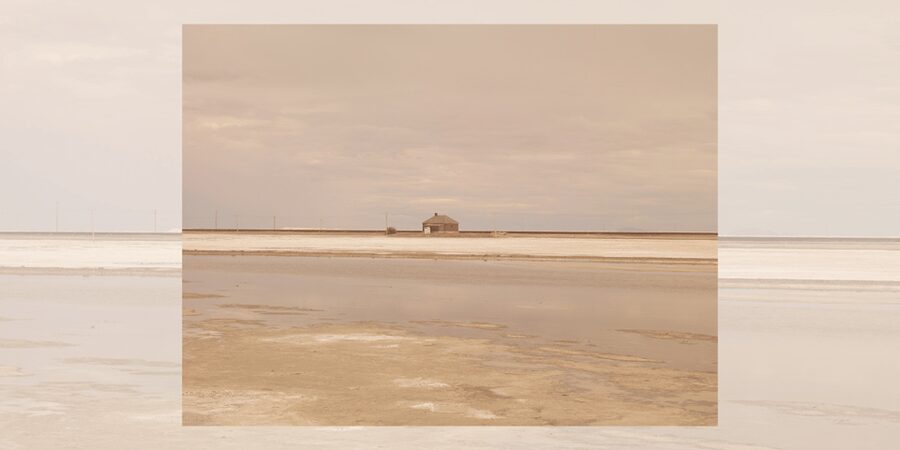
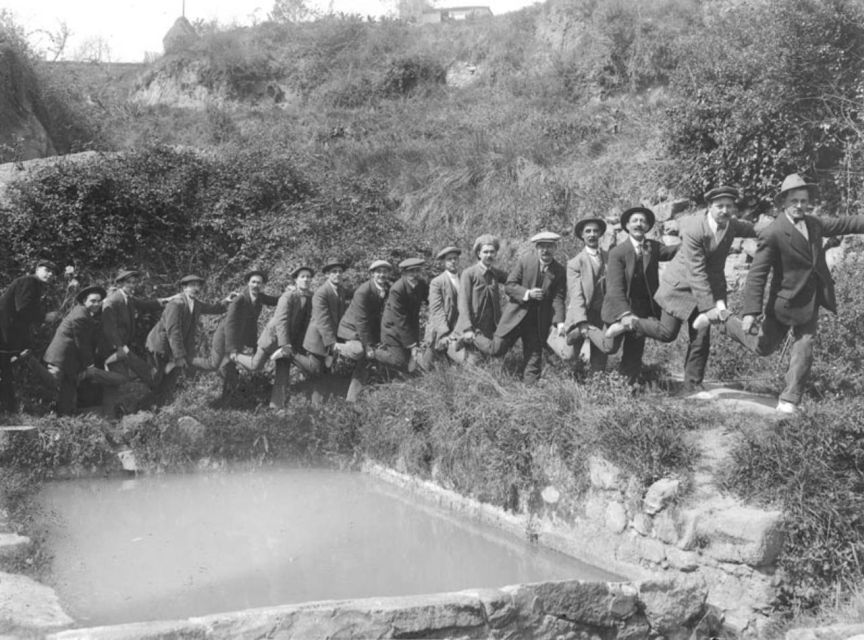
The main exhibition, Walker Evans: Now and Then, presents the work of Walker Evans from his early photographs in the 1920s to his experiments with Polaroid cameras in the 1970s. David Campany organized the exhibition, which gives you a broad look at Evans’s career and his continuing effect on photography.
Evans is best known for photographs that seem plain at first glance. That simplicity is part of the point. He photographed daily life, city scenes, buildings, printed signs, and ordinary people with a restrained approach. His pictures do not need dramatic effects to hold your attention. The longer you look, the more you notice how carefully he selected and framed the subject.
You can expect the exhibition to connect Evans with documentary photography, a style built around direct observation and real places rather than staged scenes. His work records a United States changing through the 20th century, but it also asks you to think about how photographs turn everyday details into historical evidence.
A photograph such as Broadway from 1930 shows the kind of visual attention that defines Evans. Streets and structures are not just background. They carry clues about popular culture, commerce, and the people who pass through them. The photograph is credited to the Walker Evans Archive at The Metropolitan Museum of Art and comes from a private collection in San Francisco.
I like this kind of display because you do not need to know every detail of Evans’s biography to get something from it. Start with the image itself. Notice what appears central, what is left out, and how the photograph makes an ordinary scene feel deliberate. Then use the audio guide to add context.
The exhibition also reaches into Evans’s later experiments with Polaroid photography. That change in equipment matters because it lets you see how his eye continued to work across different photographic processes. Rather than presenting him as a photographer frozen in one famous period, the show follows his development over five decades.
Give this exhibition time. If you only glance at the prints and move on, the work may seem austere. If you slow down, you are more likely to see the dry humor, the social observation, and the quiet tension in the details.
Pérez Siquier and the changing face of Spanish photography
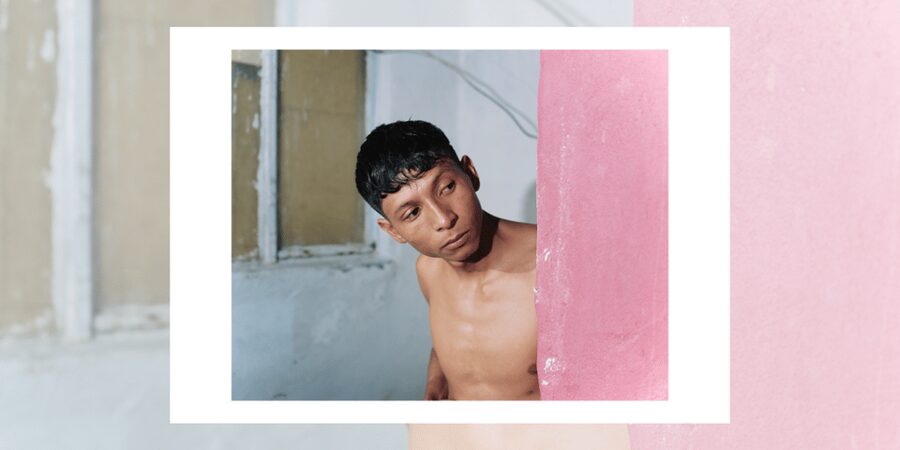
The second exhibition, Pérez Siquier. Fundación MAPFRE Collections, focuses on Carlos Pérez Siquier, a major Spanish photographer born in Almería in 1930 and deceased in 2021. The display brings together works added to the foundation’s photography collection since 2022.
Pérez Siquier developed his work from his home city of Almería, using photography to record changes in Spanish society and culture. His approach is modern and often poetic, but it also has a sharp sense of irony. You may find that his photographs ask different questions from Evans’s. Evans often makes you inspect the structure of a scene, while Pérez Siquier may pull you toward color, texture, social behavior, or a particular human mood.
The exhibition includes three important bodies of work: La Chanca, Informalisms, and The Beach. Together, they show his movement from black-and-white photography toward color. That shift is not merely technical. It changes the emotional weight of the images and the way Spanish life appears before you.
La Chanca is especially important for understanding Pérez Siquier’s place in Spanish photography. The series connects photography with a real community and with the social conditions of a specific place. Informalisms points toward a more experimental treatment of visual form, while The Beach brings attention to bodies, color, leisure, and public space.
I would not rush through these works after finishing the Evans exhibition. The two displays gain from being seen together. Evans gives you a spare American documentary language. Pérez Siquier adds a Spanish voice that can be more colorful, playful, and openly focused on visual sensation.
Pérez Siquier was also a co-founder of the Agrupación Fotográfica Almeriense and the magazine AFAL. Those roles helped establish photography as an artistic discipline in Spain. You do not need to study the history of AFAL before your visit, but knowing that context can help you understand why his work matters beyond individual photographs.
One image identified for the exhibition is Marbella, 1974. Its inclusion points to Pérez Siquier’s interest in Spain during a period of social and cultural change. Look for the way color, setting, and human presence work together. His photographs can be attractive at first sight, but the strongest ones also make you consider the world they record.
How to use the free audio guide
The standard ticket includes a free audio guide in English, Catalan, and Spanish. It is accessed through a QR code available in the exhibition room, so you need a mobile device with an active internet connection.
If you do not have mobile data, the center provides free Wi-Fi. You will need headphones to avoid disturbing people around you. I recommend bringing your own pair, since the ticket counter sells jack-type headphones for €1, but availability may mean a short wait.
This arrangement keeps the ticket price low, but it places a little responsibility on you. Charge your phone before arriving, bring headphones, and connect to the Wi-Fi if needed. Without headphones, you may not be able to use the audio guide comfortably.
Use the guide as a tool rather than as a soundtrack that you must follow from beginning to end. Start with the photographs, then listen to selected sections when you want more background. That approach lets you keep your own pace and prevents the visit from turning into a phone exercise.
Language choice is useful for mixed groups. One person can listen in English while another uses Catalan or Spanish. The information is available without paying extra, which adds real value to a $5 ticket.
A few more photo experiences around Barcelona worth a look
- Barcelona E-Bike Photography Tour
★ 5.0 · 843 reviews - Barcelona: Instagram Tour of the Most Scenic Spots
★ 4.9 · 332 reviews - Barcelona: Photo Shoot + Exclusive Video of the Best Moments
★ 4.9 · 256 reviews - Photoshoot tour in Barcelona Secret Corners
★ 5.0 · 223 reviews
Timing your visit and seeing both rooms
The center is open Tuesday through Sunday and holidays. From October 1 through March 31, hours are 11 a.m. to 7 p.m. From April 1 onward, it is open from 11 a.m. to 8 p.m.
Those hours make KBr flexible. You can visit late in the afternoon during the longer spring and summer schedule, or use it as a morning stop during the cooler months. I would avoid planning your entire day around the center, since the available information does not give a fixed guided itinerary or a required time slot inside the exhibitions.
Allow enough time for both exhibition spaces. A quick look may take less than an hour, while careful viewing with the audio guide can take longer. The work benefits from a slower pace, especially in the Evans exhibition, where many photographs rely on small details rather than immediate drama.
The booking is valid for one day. Present your voucher at the ticket desk when you arrive. Since one February 2026 booking was affected by an unexpected closure and the customer had difficulty obtaining a refund, check the center’s status before leaving your hotel or making a special trip. The experience includes free cancellation up to 24 hours in advance, which gives you some protection if your plans change.
Who will enjoy KBr most
I would recommend this experience most strongly if you enjoy photography, documentary art, or exhibitions about ordinary life. You do not need to be an expert. Evans’s photographs can be approached through their visual details, and Pérez Siquier’s color work offers an accessible entry point even if you know little about Spanish photography.
It also suits anyone looking for a low-cost cultural stop in Barcelona. At $5, the admission is modest compared with many major museums. The two exhibitions give the visit enough substance to feel worthwhile, but the compact format keeps it from taking over your day.
Families with older children or teenagers may find useful material here, especially if they are interested in cameras, cities, fashion, signs, or social change. The center is not presented as a hands-on attraction, though, so very young children may have less patience for the quiet, image-based format.
The center also works for solo visitors. Photography is easy to enjoy at your own pace, and the audio guide lets you add background without joining a group. Couples and friends should agree in advance whether they want to listen to every audio section or simply move through the rooms together.
The drawbacks to keep in mind
The strongest limitation is that the experience depends on current exhibition hours and access. The unexpected closure reported in February 2026 shows why a quick check before departure is sensible, particularly if you have bought a timed entry or built your day around the visit.
The audio guide also requires a phone, internet access, and headphones. Free Wi-Fi solves the data problem, but you still need a charged device. The €1 headphones sold at the counter are a useful backup, though they may not be available immediately.
The photography itself may feel quiet rather than instantly entertaining. Evans’s restrained style asks for attention, and Pérez Siquier’s work may reward you more after you have considered its social setting. If you want a large, highly interactive museum, this is probably not the right choice.
The available rating is 3.4 from seven reviews, so the experience has not been uniformly praised. Still, the strongest positive responses focus on the well-kept modern space, the calm atmosphere, the quality of the exhibitions, and the serious archival work. Those are the qualities I would use to decide if KBr fits your interests.
Is the $5 ticket good value?
Yes, if you will spend time with both exhibitions. You are paying for access to two substantial photography displays, plus an audio guide in three languages. The price is especially fair for anyone who already plans to be in Port Olímpic and wants an indoor cultural activity.
The value is less clear if you only want a quick photo stop or if documentary photography is not your style. KBr is not a landmark you need to force into every Barcelona itinerary. Its appeal comes from the quality and focus of the pictures, not from a long list of attractions inside the building.
I would treat the ticket as a flexible, inexpensive addition rather than a major all-day booking. Check the hours, bring headphones, and leave enough time to look carefully at both Evans and Pérez Siquier.
Should you book KBr Fundación MAPFRE?
Book it if you want thoughtful photography, a calm museum visit, and a chance to compare an American documentary master with a key Spanish photographer. The contrast between Evans’s spare observation and Pérez Siquier’s changing use of color gives the visit a clear purpose.
Skip it if you want a large museum, interactive displays, or a fast sightseeing stop. For everyone else, the low price, free audio guide, accessible building, and two strong exhibitions make KBr a sensible choice in Barcelona, provided you confirm that the center is open on your chosen day.
FAQ
Where is KBr Fundación MAPFRE located?
KBr Fundación MAPFRE is in Barcelona’s Port Olímpic area in Catalonia, Spain.
How much does admission cost?
The listed price is $5 per person.
How long is the ticket valid?
The ticket is valid for one day.
Which exhibitions are on view?
Through May 24, 2026, the exhibitions are Walker Evans: Now and Then and Pérez Siquier. Fundación MAPFRE Collections.
Is an audio guide included?
Yes. The standard ticket includes a free audio guide in English, Catalan, and Spanish.
What do I need to use the audio guide?
You need a mobile device with an active internet connection and headphones. Free Wi-Fi is available at the center, and jack-type headphones can be purchased for €1 at the ticket counter, subject to availability.
When is KBr open?
From October 1 through March 31, it is open Tuesday through Sunday and holidays from 11 a.m. to 7 p.m. From April 1 onward, it is open Tuesday through Sunday and holidays from 11 a.m. to 8 p.m.
Just added around Barcelona
- Guided tour of Barcelona in French (Old Town & Instagram spots)★ 5.0 · 18 reviews
- Barcelona: Gothic Quarter Cinematic Photoshoot and Guide★ 3.8 · 7 reviews
- Gothic Quarter and Born District: Photographic Workshop★ 5.0 · 6 reviews
- Barcelona Tourist Photographer – Exclusive Photoshoots★ 5.0 · 2 reviews
- Barcelona: Photographic Madness at Barceloneta Beach★ 5.0 · 10 reviews
- Barcelona Photo Experience: famous landmarks or the beach!★ 4.9 · 48 reviews
- Barcelona: Private Sagrada Familia Photoshoot★ 4.8 · 47 reviews
- Barcelona: Photoshoot in Scenic Locations★ 4.9 · 46 reviews
Museums, compared.
Ticket for Photography Exhibitions at C/O Berlin
Read our review →Stockholm: Subway Art & Photo Tour – World’s longest gallery
Read our review →
Louvre Museum (Essential) – 2-hour visit in Portuguese with a photo session
Read our review →
Marrakech Tuk-Tuk Tour with Photography Museum+Secret Garden
Read our review →Browse the lists this tour appears in