
REVIEW · AUSTRALIA
Mt Field and Styx Valley Photography Tour
The best part of this day is the mix of practical camera coaching and wild Tasmanian scenery. You are not simply driven to a waterfall, handed ten minutes to take pictures, and hurried back to the van. Luke O’Brien guides you through nature photography at Mount Field, then gives you time to work with waterfalls and giant eucalyptus trees in Styx Valley.
I like the small maximum group of six, which gives you a fair chance to ask questions and get personal pointers. I also like that lunch, park fees, transport, and printed tutorial sheets are included. The main consideration is the long nine-hour day, with an early 8:30 am start and several hours focused on walking, waiting for good light, and composing photographs rather than sightseeing at a quick pace.
Key points to know before booking
- Russell Falls and Horseshoe Falls: Set aside about three hours in total for waterfall photography in Mount Field National Park.
- Styx Valley for giant trees: The afternoon includes about three hours among some of Tasmania’s most impressive eucalyptus forest.
- A real photography lesson: Luke provides hands-on advice, plus printed tutorial sheets to keep using after the tour.
- Small group format: The vehicle carries no more than six people, and two people can book the outing as a private tour.
- Easy Hobart logistics: Pickup is offered at selected hotels, or you can meet at the Tasmanian Travel & Information Centre at 8:30 am.
- Good value for a full day: The $222.73 price includes lunch, park fees, a professional guide, and private-vehicle transport.
Why this Mount Field photo day works
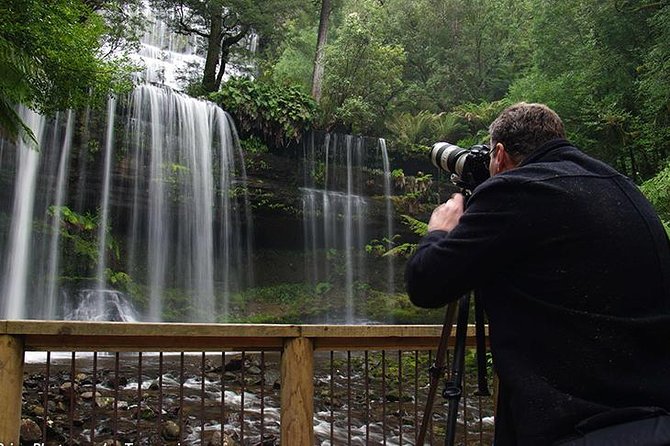
Many day trips from Hobart treat Mount Field as a quick stop on a broad sightseeing loop. This outing takes a different approach. The waterfalls and forest are not just scenic pauses. They are your classroom.
That matters if you want better photographs instead of a collection of hurried snapshots. A guide can point out details you might miss, such as how to frame falling water, how to use the shape of a trail or tree trunk to lead the eye, and how to look for smaller subjects instead of aiming every picture at the biggest view.
The format should suit a range of skill levels. If you are new to photography, you can ask basic questions and get help putting lessons into practice. If you already know your camera, the long stops give you room to work on panoramic views, slow-shutter waterfall images, or careful compositions of the tall trees.
I would not book this if you want a fast-moving highlights tour. Three hours in Styx Valley can feel long if photography is not your main interest. For anyone who enjoys making pictures, though, the slower pace is the point.
More Photography Tours in Australia:
- Private photo tour at Sydney’s most iconic locations
★ 4.9 · 12 reviews - Cairns: Insect Photography Tour of Cairns Botanic Gardens
★ 5.0 · 5 reviews - Tromso: Northern Lights Photography Tour
★ 4.2 · 843 reviews
Leaving Hobart in a small private vehicle
The day begins at 8:30 am at the Tasmanian Travel & Information Centre on the corner of Elizabeth and Davey Streets in Hobart. Pickup is available from selected hotels, so check your lodging when booking rather than assuming every address is covered.
Transport is by private vehicle, and the group is limited to six people. That makes a real difference on a photography outing. You are less likely to lose time loading a large coach, and the guide can respond to the needs of the people in the vehicle.
The minimum booking is two people, except on dates already confirmed to run. Booking two places can also turn the experience into a private tour, a useful option if you want the guide’s full attention or prefer to set the pace around your own photography goals.
The drive is part of a full day away from Hobart, so bring a camera bag you can carry comfortably. The supplied information does not give a detailed walking-distance breakdown, so ask Luke about current conditions if you have concerns about time on your feet.
Russell Falls: learning to see moving water
The morning begins at Russell Falls in Mount Field National Park. Admission fees are included, so you do not need to sort out a separate park payment when you arrive.
Russell Falls is the kind of place where a photography guide earns the cost of the tour. Waterfalls are easy to photograph badly. A bright white stream can lose all detail, while a busy frame can make the picture feel flat. Luke’s role is to help you make decisions about composition and camera settings while you are standing in front of the subject.
You can expect about an hour and a half at this stop. That is enough time to take the obvious view, then try something more considered. You might work on a wider frame that includes the surrounding forest, a closer view of the falling water, or a composition that uses rocks and trees to give the image depth.
The benefit of a long stop is not just more pictures. It gives you time to check your results and adjust. A beginner can learn by comparing different settings, while a more experienced photographer can wait for the right look and refine a panoramic sequence.
The outing is designed around nature photography, so the guide’s attention will likely move beyond the main waterfall. Look for textures, smaller details, and patterns in the forest. A useful lesson from this kind of setting is that the most famous subject is not always the strongest frame.
Horseshoe Falls and the value of a second attempt
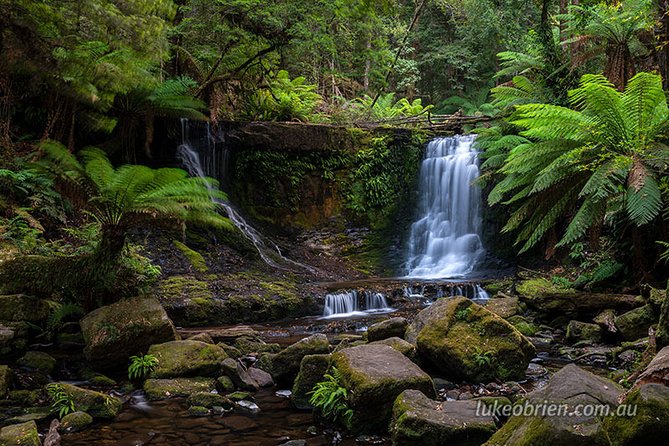
Horseshoe Falls is the other main Mount Field stop, with the schedule allowing about another hour and a half for photography. Having two waterfall locations gives you a chance to apply what you learned at Russell Falls rather than treating the first stop as a one-off demonstration.
That repeat practice is valuable. You may understand a camera setting in theory, then discover that the result is too dark, too bright, or too blurred once you try it outdoors. A second waterfall lets you adjust with a fresh subject.
Horseshoe Falls also gives the morning a useful change of scale. At one point you may be working on the full scene, then looking closely at water, stone, moss, or tree forms. The supplied experience does not promise specific seasonal conditions, so the exact look of the falls will depend on the day.
The practical drawback is that waterfall photography can involve standing around while you make small changes. If you prefer constant movement, the pace may test your patience. If you enjoy getting one image right, the time is well used.
A few more photo experiences around Australia worth a look
- Sydney: Private Photoshoot outside the Opera House
★ 4.6 · 40 reviews - Sydney Photography Course in the Historic Rocks Area
★ 5.0 · 35 reviews - Photoshoot in stunning locations! (sydney)
★ 5.0 · 26 reviews - Photography and Nature in Cairns Botanic Gardens Let’s Go Buggin
★ 5.0 · 19 reviews
Printed tutorial sheets you can use later
A strong feature of this outing is the printed tutorial material. The advice does not disappear when the vehicle returns to Hobart. You can take the sheets home and use them as a reminder when you next photograph water, trees, or other outdoor subjects.
That is particularly helpful for new photographers. A day in the field can bring a lot of information at once, and it is easy to forget which setting or composition idea applied to which situation. Printed notes give you something concrete to revisit.
The sheets also make the tour more than a scenic transfer. You are paying for instruction that can continue to help after the day ends. The value is greatest if you bring a camera you understand well enough to change settings yourself and take notes during the stops.
If you are an experienced photographer, use the guide’s time for targeted questions. Ask for feedback on panoramas, framing, or the way you are handling difficult light. The small group makes those conversations more practical than they would be on a large coach excursion.
Lunch at a local cafe keeps the day moving
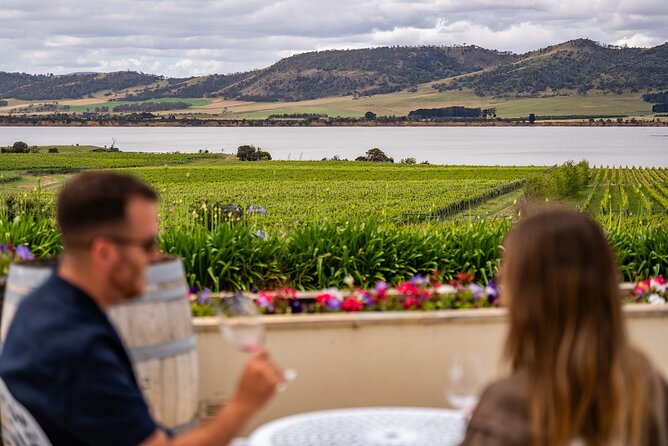
Lunch is included and served at a local cafe. This is a simple but useful detail on a nine-hour outing. You do not need to spend time finding food in an unfamiliar area, and you can keep the day focused on the forest and photography.
Tell the operator about dietary requirements when you book. Alcoholic drinks are not included, though they are available to purchase.
The lunch break also gives you a natural pause between the morning waterfalls and the afternoon in Styx Valley. Use it to review your images, ask questions, and decide what you want to work on next. The supplied details do not specify the cafe menu, so anyone with strict dietary needs should provide clear information in advance rather than relying on standard options.
Styx Valley and the Tall Tree Trail
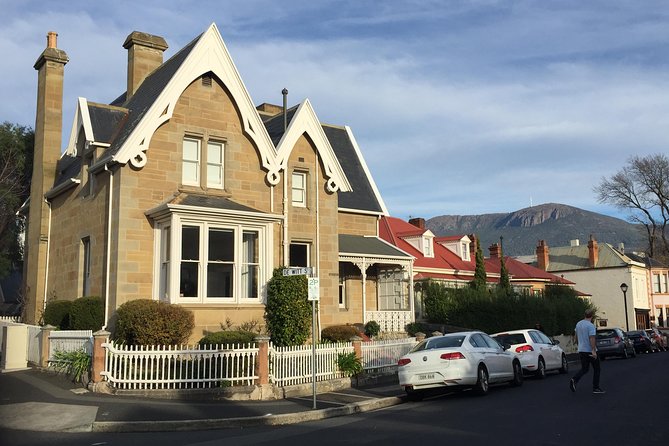
The afternoon is spent in Styx Valley near Maydena, with about three hours for exploring and photography. This is the longest stop and the part that gives the tour its strongest sense of place.
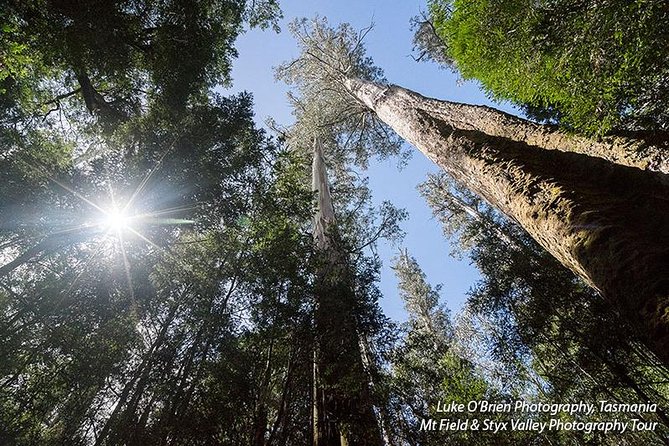
The focus here is on giant eucalyptus trees and the scale of the forest. Waterfalls give you movement and a clear subject. Tall trees ask for a different approach. You may need to look upward, work with vertical lines, or make a wider frame that shows how the trunks and forest fit together.
The Tall Tree Trail is singled out as a memorable part of the outing. It offers more than a walk from one viewpoint to another. Luke encourages you to notice details along the way, which is good advice for any photographer. Look at bark, light, fallen timber, leaf shapes, and the way trunks overlap. These smaller observations can produce more personal photographs than a standard postcard view.
Three hours gives you time to work without rushing. You can try panoramic shots, return to a composition, or wait for a better arrangement of people and light. The exact photographic conditions will change with the day, and the tour does not promise a particular type of weather or illumination.
This is also where the tour’s limits are clearest. The experience is about photographing the forest, not checking off many different attractions. If you want a packed sightseeing schedule, the extended Styx Valley stop may feel narrow. If you want time to notice details and improve your eye, it is likely the most rewarding section.
What the $222.73 price really covers
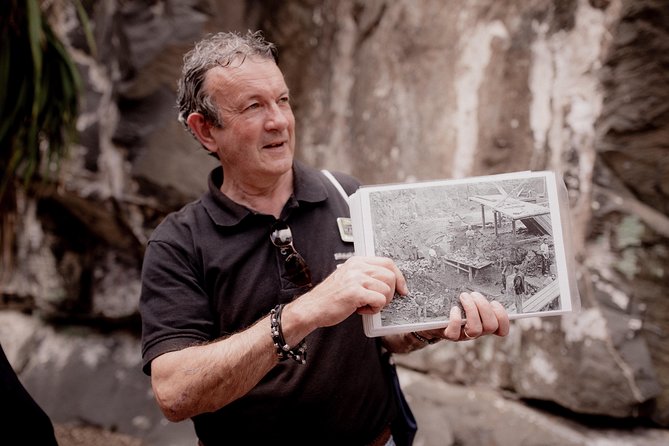
At $222.73 per person, this is not the cheapest way to reach Mount Field. You are paying more than a basic transport service because the price includes several useful pieces: park fees, lunch, a professional photographer guide, private-vehicle transport, and hotel pickup and drop-off from selected hotels.
The strongest value comes from the instruction. A regular sightseeing trip can get you to Russell Falls, but it does not normally give you a professional photographer’s attention across a full day. The small group matters here. A maximum of six people means the guide can respond to different cameras, skill levels, and questions.
The price also removes the need to rent a car and plan the route yourself. That saves you from handling the drive, park access, timing, and lunch arrangements. For a solo visitor, the minimum two-person rule is worth noting. You cannot generally book one place unless the date is already confirmed to run.
I see this as good value for a photographer who will use the coaching. If you mainly want to look at waterfalls from a viewpoint, a less specialized day trip may suit you better. If you are bringing a camera specifically to learn and practice, the included teaching and small group help justify the cost.
Who should book this experience
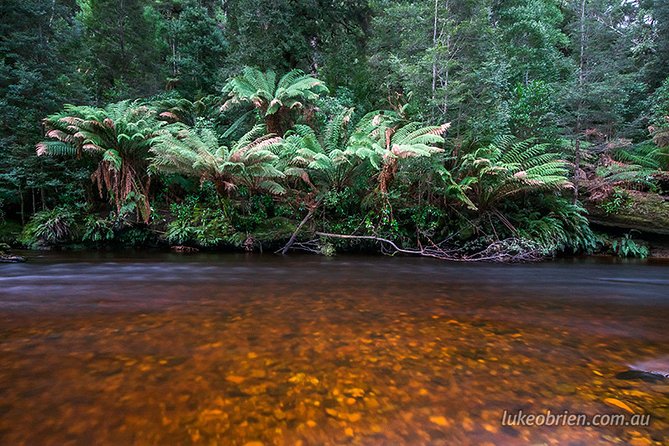
I would recommend this tour to you if photography is a main reason for visiting Tasmania, or if you want a structured introduction to nature photography. It is especially useful if you prefer direct advice over a large group lecture.
It also suits couples, friends, or two people who want a private outing by booking two places. The day can work for mixed skill levels because a beginner can get basic help while an experienced photographer works on more advanced compositions.
You should think twice if your priority is a short, easy sightseeing trip. The start is early, the day lasts about nine hours, and the schedule allows long periods at only a few locations. You also need to be comfortable taking part in a forest-focused outing where the main activity is walking, observing, and making photographs.
Most people can participate, and the tour runs near public transport at the Hobart meeting point. For hotel pickup, confirm that your accommodation is one of the selected hotels.
Booking and cancellation details
Confirmation is sent within 48 hours of booking, subject to availability. The experience requires at least two people on most dates, although some dates are already confirmed to run.
You can cancel for a full refund up to 24 hours before the start time. Changes or cancellations made inside that 24-hour window are not accepted for a refund, and the cut-off follows local Tasmanian time.
Because the tour is often booked about 73 days ahead, reserving early makes sense if your Hobart dates are fixed. That is particularly true if you want a private outing or need to match the tour with other Tasmania plans.
Should you book the Mt Field and Styx Valley Photography Tour?
Book it if you want more than a view through a coach window. The combination of Russell Falls, Horseshoe Falls, the Tall Tree Trail, and three hours in Styx Valley gives you time to practice rather than simply point and shoot.
The best reasons to choose it are the small group, Luke O’Brien’s personal photography guidance, printed tutorial sheets, and the convenience of included lunch, park fees, and transport. The biggest cautions are the long day, the two-person minimum on many dates, and the fact that much of the outing is built around photography instead of rapid sightseeing.
If you bring a camera, stay curious about small forest details, and are willing to spend time refining each image, this is a useful and well-focused day from Hobart.
FAQ
Where does the tour start?
The tour starts at 8:30 am at the Tasmanian Travel & Information Centre, on the corner of Elizabeth and Davey Streets in Hobart. Pickup is also offered from selected hotels.
Where does the tour finish?
The activity ends back at the meeting point in Hobart.
How long does the experience last?
The tour lasts about nine hours.
Which places are included?
The day includes Russell Falls and Horseshoe Falls in Mount Field National Park, followed by about three hours exploring Styx Valley near Maydena.
Is lunch included?
Yes. Lunch at a local cafe is included. Alcoholic drinks are not included but can be purchased.
How many people can join the tour?
The maximum group size is six people. At least two people are required for most bookings, and booking two places can make the tour private.
Are national park fees included?
Yes. National park fees are included in the price.
Just added around Australia
- Great Ocean Road Tour with Instagram Sunset views of 12 Apostles★ 5.0 · 7 reviews
- Upside Down House Photo Experience in Australia★ 4.0 · 6 reviews
- Australia’s First Upside Down House Photo Experience★ 3.5 · 10 reviews
- Afternoon Brisbane Photography Courses★ 5.0 · 2 reviews
- Sydney: Personal Travel & Vacation Photographer★ 5.0 · 7 reviews
- Romantic photoshoot for couples in Sydney★ 5.0 · 2 reviews
- Professional photoshoot at The Rocks in Sydney★ 5.0 · 4 reviews
- Melbourne: City Photoshoot/Photowalk around CBD★ 4.9 · 9 reviews
Photography Tours, compared.



Rhodes: E-bike Highlights Sunset or Morning Photo Tour
Read our review →
Browse the lists this tour appears in