REVIEW · TOKYO
Tokyo 6hr Instagram Highlights Private Tour with Licensed Guide
Tokyo’s best photo spots are spread across a huge city, and this private six-hour tour gives you a practical way to connect them. You choose roughly three or four places, then your licensed English-speaking guide builds the day around your interests, from temple gates and torii tunnels to neon streets and old drinking alleys.
I like the one-on-one format and the chance to see both traditional and modern Tokyo in a single outing. Guides including Sam, Yoshi, Miho, Taku, and Bruce have adjusted routes for families, first-time visitors, photographers, and people who had already seen some sights. The main drawback is that transportation and entrance fees cost extra, and six hours passes quickly if you try to cover too much ground.
Key points to know before booking
- Choose three or four places: The day works best when you focus on a few districts instead of trying to collect every stop.
- Expect a walking day: Public transportation may be used, but fares are not included, and there is no private vehicle.
- Get both sides of Tokyo: Senso-ji and Meiji Jingu provide temple and shrine settings, while Shibuya, Harajuku, and Shinjuku bring the city’s pop culture and nightlife.
- Your guide shapes the day: Sam, Yoshi, Miho, Show, Taku, Bruce, and others have tailored routes to specific requests.
- Plan for extra costs: Shinjuku Gyoen and several other gardens charge admission. Lunch, transport, and personal purchases are also separate.
- Leave room for photos: You may cover fewer places than expected, but the private format gives you time to stop, ask questions, and take pictures.
Why a private photo tour works well in Tokyo
Tokyo is not one compact sightseeing zone. Senso-ji is in Asakusa, Shibuya and Harajuku are farther west, and Shinjuku has its own cluster of lanes, gardens, and shopping streets. A self-guided day can become a string of train transfers and map checks.
Here, your guide handles the route while you decide what matters most. You can ask for shrine architecture, street scenes, food districts, anime culture, old Tokyo, or a mix of all of them. That flexibility is more useful than a fixed sightseeing program if you have only a few days in the city.
The price is listed at $155.22 per person. That is a serious outlay for a six-hour walking tour, but the value improves when two or more people share the experience and use the guide well. You are paying for private attention, route planning, English-language help, and local context rather than admission to major attractions.
This is not a professional photography session. The available information does not promise cameras, lighting, edited images, or a dedicated photographer. Think of it as a guided photo walk, with your own phone or camera in hand.
More Instagram Spot Tours in Japan
- Mt. Fuji Highlight Photo Spots One Day Tour from Tokyo
★ 4.5 · 36 reviews - Tokyo: Instagram-Worthy Mt Fuji & Lake Kawaguchiko Day Trip
★ 4.0 · 26 reviews - Kyoto 6hr Instagram Highlights Private Tour with Licensed Guide
★ 5.0 · 18 reviews
Senso-ji and Asakusa: Tokyo’s most familiar temple view
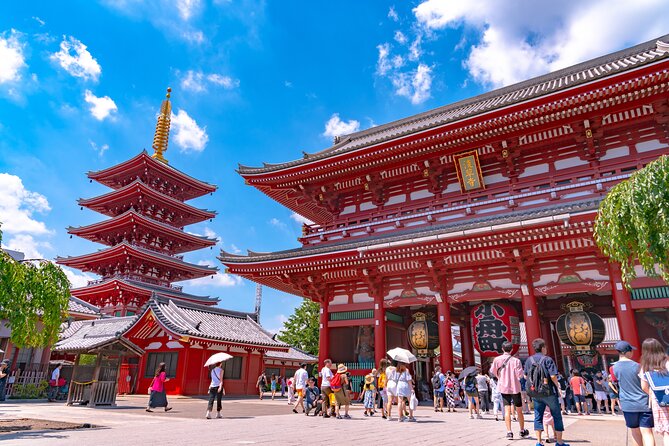
Senso-ji is the classic place to begin if you want a strong first image of old Tokyo. The red Kaminarimon Gate, also called the Thunder Gate, gives you a bold entrance frame, while Nakamise-Dori leads toward the colorful Buddhist temple.
You get about 30 minutes here. That is enough to take photos and hear the basic story of the temple, but not enough for a slow exploration of every corner. The approach can be crowded, so a guide is useful for keeping the group moving and pointing out the details that are easy to miss.
Asakusa also gives you a different feel from the sleek towers of Shibuya and Shinjuku. If your idea of Tokyo is only neon and giant screens, this stop corrects the picture quickly.
Hie Shrine: a red torii tunnel without leaving Tokyo
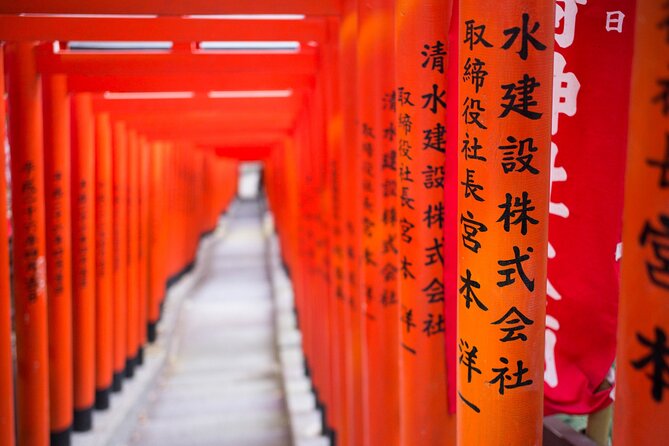
Hie Jinja offers one of the tour’s strongest photo settings. Its tunnel of roughly 90 red torii gates recalls the famous Fushimi Inari shrine in Kyoto, making it a smart choice if Kyoto is not on your route.
You have around 30 minutes here, so expect a focused visit rather than a full shrine study. The gates create repeated lines and strong color, but your guide can also explain the Shinto setting and help connect the image to Japanese religious customs.
This stop pairs well with Senso-ji because the two places show different traditions. Senso-ji is Buddhist, while Hie Jinja is Shinto. The contrast adds meaning to what might otherwise be just a sequence of attractive backgrounds.
Shibuya Crossing: the big Tokyo image
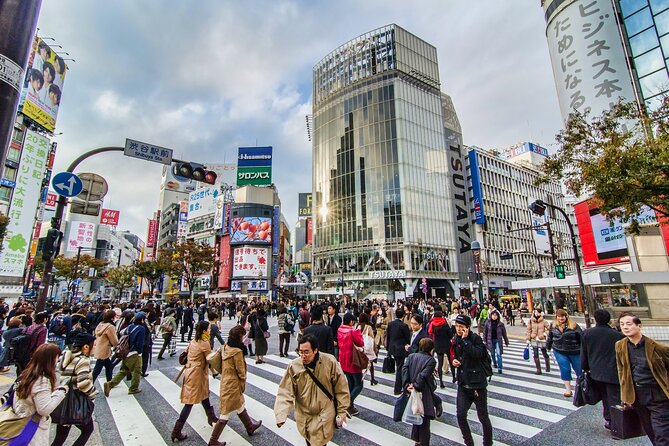
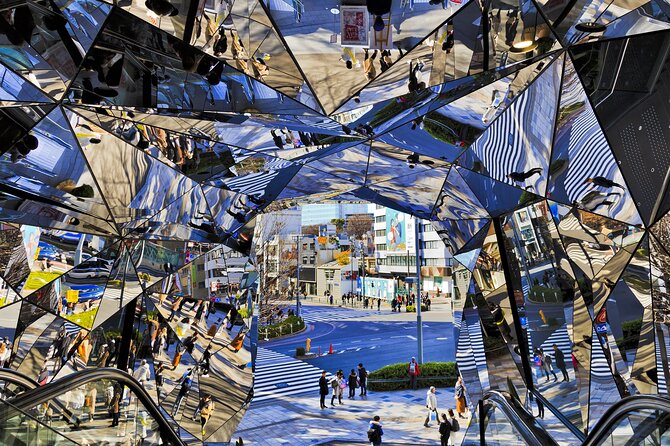
Shibuya Crossing is the stop for scale, movement, and modern Tokyo. When pedestrian signals change, people move across the intersection from several directions. The crossing is also linked with Hachiko, the famous bronze dog statue nearby.
The planned stop is about 30 minutes. That gives you time to take pictures from street level and explore the area around the crossing, but it does not promise access to a particular rooftop or observation deck. Your guide can help you make the most of the angles available during the visit.
Shibuya is also a good place to explain how Tokyo’s city districts differ. The crossing is highly recognizable, but the surrounding streets offer shopping, restaurants, and large-scale city views.
More Private Photoshoots in Japan
- Tokyo by Night Photography Tour (Private Option Available)
★ 5.0 · 151 reviews - Tokyo: Photo Shoot with a Private Vacation Photographer
★ 5.0 · 53 reviews - Tokyo Photography Masterclass – Private Photography Lesson
★ 5.0 · 25 reviews - Tokyo: Photography Masterclass – Private Photo Lesson
★ 5.0 · 7 reviews
Meiji Jingu and Takeshita Street: two sides of Harajuku
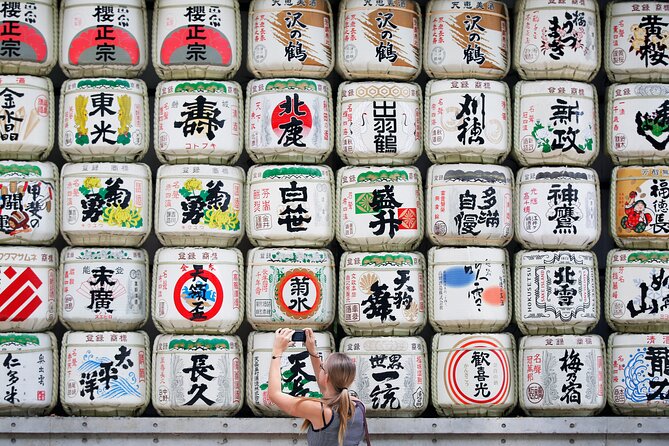
Meiji Jingu is one of Tokyo’s best-known Shinto shrines, set within a large wooded precinct at the edge of Shibuya. The sake barrels near the shrine provide a popular photo subject, and the broad approach gives you a calmer setting after Shibuya’s traffic and screens.
The scheduled time is about 40 minutes, making it one of the longer planned stops. Use that time to slow down, observe shrine customs, and ask your guide about the role of the shrine in Tokyo.
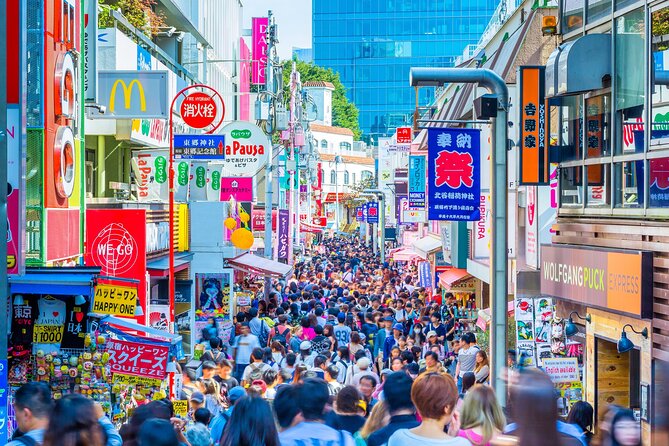
Then comes Takeshita Street, about 30 minutes away in the same general Harajuku area. This is the playful side of the district, with kawaii fashion shops, colorful sweets, pink crepe stores, and rainbow cotton candy. It can feel loud and crowded, but that is part of the point. You are seeing a very different expression of Tokyo youth culture.
The two stops work well together. Meiji Jingu gives you trees, timber, barrels, and ceremony. Takeshita Street gives you bold colors, small shops, and pop culture. If you want a mix of calm and quirky images, this is one of the strongest combinations.
Omoide Yokocho and Golden Gai: small lanes with big character
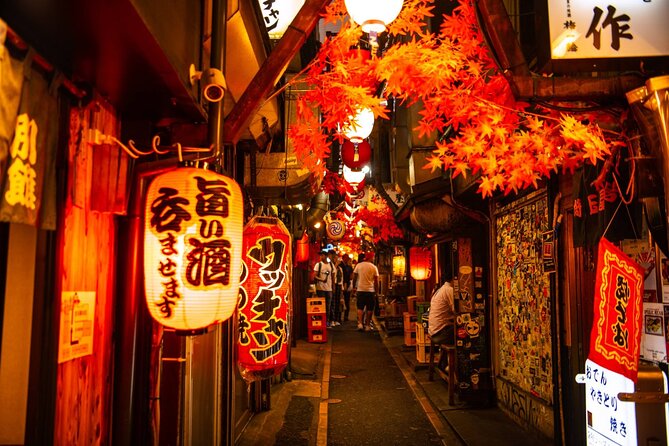
Omoide Yokocho is a narrow passage of small restaurants, bars, and shops near Shinjuku. It offers the kind of close-up street scenes that large landmarks cannot provide. You might find tiny signs, packed storefronts, and glimpses of back-alley dining culture.
The planned visit is around 30 minutes. That is enough for a walk-through and photos, but a meal is not included. If you want to stop for food, discuss it with your guide and allow for the extra time and cost.
Shinjuku Golden Gai is another 30-minute stop. Its narrow lanes are filled with small bars stacked close together, creating a distinctive evening atmosphere. It is best suited to visitors interested in Tokyo nightlife and intimate street scenes rather than grand architecture.
These areas are more atmospheric than polished. Watch your footing, be respectful when photographing businesses, and remember that the lanes are working neighborhoods and nightlife districts, not just photo sets.
The Imperial Palace and Tokyo’s formal center
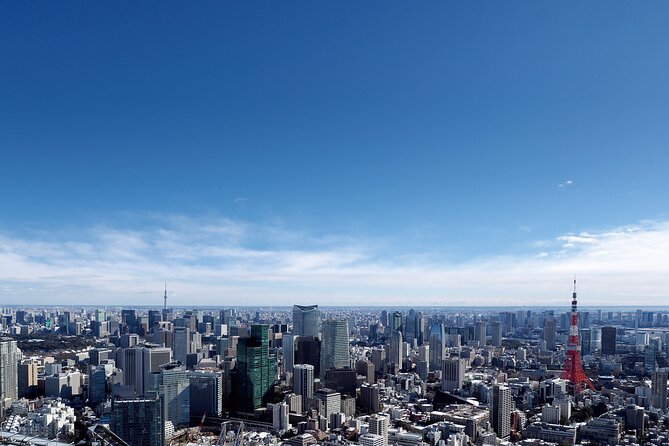
The Imperial Palace occupies the former site of Edo Castle and is surrounded by moats and large open grounds. The tour can show you the exterior area, but inside access is not included.
The listed visit lasts about 30 minutes. That makes it a useful stop for a broad city-center view and a quick explanation of Tokyo’s political and historical center. It is less useful if your main goal is colorful street photography.
Ask your guide exactly which outside areas you will see. The palace grounds are spread out, and the experience depends on the meeting point and route chosen for the day.
Gardens for a slower set of photographs
Several gardens appear among the possible choices, but you will normally select only three or four sites for the six-hour tour.
Shinjuku Gyoen National Garden is the clearest option if you want lawns, trees, ponds, and seasonal color close to the busy Shinjuku district. Admission is not included. Adults pay ¥500, seniors aged 65 and over pay ¥250 with valid identification, and students pay ¥250 with valid student identification at a staffed counter. The planned time shown for this option is only five minutes, so ask about the actual time before choosing it. A proper garden visit needs more than a quick photo stop.
Koishikawa Korakuen is one of Tokyo’s oldest Japanese gardens. It is a good choice for bridges, ponds, carefully arranged plantings, and an older style of garden design. Admission is extra, and the suggested time is five minutes, so it may work better as part of a route designed specifically around gardens.
Hama Rikyu sits beside Tokyo Bay and includes seawater ponds that change with the tides, along with a teahouse. Its mix of formal garden design and modern city surroundings makes it visually different from the shrine districts. Admission is not included.
Rikugien is another major Japanese garden, created around 1700 for the fifth Tokugawa shogun. It is often paired with Koishikawa Korakuen as one of Tokyo’s finest traditional gardens. Again, admission costs extra, and five minutes is a very short allocation.
The practical lesson is simple: do not select several gardens unless you are happy with quick exterior impressions. Choose one and give it enough time.
Tsukiji, Akihabara, and the Tokyo National Museum
Tsukiji Fish Market can add food culture and old-market energy to your day. The listed time is ten minutes, so this is a brief look rather than a full market visit or meal. Lunch is not included, but Tsukiji may be a sensible place to discuss a food stop if your schedule allows.
Akihabara is known for electronics and has become a center of Japanese anime and gaming culture. The suggested time is only five minutes, which is enough to identify the district but not enough to browse its shops. Choose it if the visual theme matters more than shopping time.
The Tokyo National Museum is Japan’s oldest and largest national museum. It can add art and cultural context to the day, but admission is extra, and the five-minute timing listed for this option is far too short for a meaningful museum visit. Treat it as a possible location to build into a customized plan, not a full museum tour.
Yoyogi Park, Roppongi, Odaiba, Shibamata, and Nezu
Yoyogi Park offers wide lawns, ponds, and wooded areas. It is a useful counterpoint to central Tokyo’s buildings and signs, and admission is free. The listed five-minute stop makes sense only as a quick walk-through or photo break.
Roppongi Hills combines offices, apartments, shops, restaurants, a hotel, and art facilities in a modern city complex. It can suit architecture and city-life photography, but it is not a traditional Tokyo setting.
Odaiba is a shopping and entertainment district on a man-made island in Tokyo Bay. The area has a more open, modern feel than the older neighborhoods. It is farther from several central stops, so ask your guide about travel time before adding it to a route already packed with Shibuya, Asakusa, and Shinjuku.
Shibamata retains an old-style neighborhood feel near the Edogawa River. It is a good choice if you want a less polished side of Tokyo and have already seen the main central districts.
Nezu, part of Tokyo’s old downtown area with Yanaka, avoided major damage in past wars and disasters and retains older streets and local character. Like Shibamata, it is better for atmosphere than for checking off a famous landmark.
What six hours really allows
The stated plan is three or four photo stops, not all 20 possible locations. That distinction matters. Senso-ji, Hie Jinja, Shibuya Crossing, Meiji Jingu, Takeshita Street, Omoide Yokocho, and Golden Gai are each listed with roughly 30 to 40 minutes, before travel time is counted.
Public transport can make the day efficient, but you pay those fares yourself. There is no private vehicle, and the experience is described as a walking tour with an on-foot meeting arrangement. Wear comfortable shoes and expect a high step count. One participant reported about 18,000 steps, which gives you a useful idea of how active the day can become.
The best strategy is to group nearby areas. Meiji Jingu and Takeshita Street fit naturally together. Omoide Yokocho and Golden Gai pair well. Senso-ji works best with other eastern Tokyo choices, while Odaiba or Shibamata may require more travel time.
Send your guide a short priority list before the tour. Guides such as Yoshi have reshaped the route when a visitor had already seen certain places, and Show requested preferences before the day began. That kind of preparation protects your limited hours.
Who should book this experience
I would choose this tour for a first visit, a short Tokyo stay, or a family group that wants help moving through a complicated city. It also suits you if you care about taking pictures but want context instead of simply following a map between landmarks.
The private format is especially useful for families and mixed-interest groups. One person can ask about history, another can focus on food or shopping, and the route can change without waiting for a large group.
It is less suitable if you want a professional photographer, a private car, included meals, or long visits inside museums and gardens. It is also not the best match for someone who dislikes walking or wants a slow, single-neighborhood experience.
The guide quality matters greatly, and names associated with this experience include Sam, Yoshi, Miho, Taku, Show, Hideaki, Toru, Shuji, and Bruce. You cannot assume which guide you will receive, but the consistently strong themes are warm communication, clear explanations, route flexibility, and attention to individual interests.
Cancellation is free up to 24 hours before the start time. Service animals are allowed, the tour is near public transportation, and most people can participate, but you should still plan for walking, stairs, crowds, and a full day on your feet.
Should you book it?
Book this tour if you want a custom route through several Tokyo districts and value a guide’s help more than included admissions or transport. At $155.22 per person, it makes the most sense when you share the private experience with companions and arrive with clear priorities.
Choose three or four places, not ten. For a first day, I would consider Senso-ji, Meiji Jingu, Takeshita Street, and Shibuya Crossing. For a more atmospheric day, I would look at Senso-ji, Nezu, Omoide Yokocho, and Golden Gai.
If you prepare well, this can give you a useful first map of Tokyo, a collection of strong personal photographs, and enough local explanation to decide where to return on your own.
FAQ
How long does the Tokyo Instagram highlights tour last?
The tour lasts approximately six hours.
How many places will I visit?
You choose a customizable route of roughly three to four sites from the available options.
Is this a private tour?
Yes. Only your group participates, and you receive the guide’s attention rather than joining a combined group.
Is transportation included?
No. Transportation fees are not included. The experience is a walking tour with an on-foot meeting arrangement, and there is no private vehicle.
Are admission fees included?
Admission fees are not generally included. Guide entry fees are covered only for sights listed under the tour’s included locations. Shinjuku Gyoen, Koishikawa Korakuen, Hama Rikyu, Rikugien, the Tokyo National Museum, and other paid sites require separate payment.
Can I visit the inside of the Imperial Palace?
No. This experience does not include access inside the Imperial Palace.
What happens if I need to cancel?
You can receive a full refund if you cancel at least 24 hours before the experience start time. Cancellations or changes made less than 24 hours in advance are not refunded or accepted.
More Private Photoshoots in Tokyo
- Paris: Private Photoshoot at the Eiffel Tower
★ 4.7 · 2,636 reviews - ️ Phuket Private Instagram Tour: All-Inclusive
★ 5.0 · 659 reviews - NYC Professional Photoshoot and Walking Tour with Private Guide
★ 5.0 · 608 reviews - Santorini Private Instagram Tour
★ 5.0 · 593 reviews
More Instagram Spot Tours in Tokyo
- Bali: Full-Day Instagram Highlights Tour
★ 4.8 · 7,817 reviews - ️ Bali Instagram Tour: The Most Famous Spots (Private & All-Inclusive)
★ 5.0 · 2,857 reviews - Dubai: Instagrammable Yacht Tour with Drinks & Ain/JBR Views
★ 4.7 · 1,494 reviews - Murals of Nashville Instagram Tour by Golf Cart
★ 5.0 · 950 reviews
Just added around Tokyo
- Tokyo: Shinjuku & Shibuya historical guided photoshoot Tour★ 5.0 · 2 reviews
- Asakusa Kimono/Yukata Rental & Photography_Tsutsuji★ 5.0 · 12 reviews
- Asakusa Kimono Photography Tour★ 5.0 · 8 reviews
- Tokyo: Photo Shoot with a Private Vacation Photographer★ 5.0 · 53 reviews
- Travel Tokyo with Your Own Personal Photographer★ 5.0 · 43 reviews
- Personal Travel and Vacation Photographer Tour in Tokyo★ 5.0 · 19 reviews
- Tokyo: Photography Masterclass – Private Photo Lesson★ 5.0 · 7 reviews
- Blade Runner photo workshop in Shibuya with Laurence Bouchard★ 5.0 · 15 reviews
Instagram Spot Tours, compared.
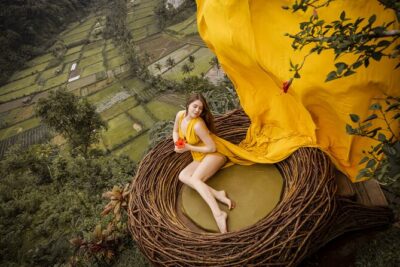
️ Bali Instagram Tour: The Most Famous Spots (Private & All-Inclusive)
Read our review →
Murals of Nashville Instagram Tour by Golf Cart
Read our review →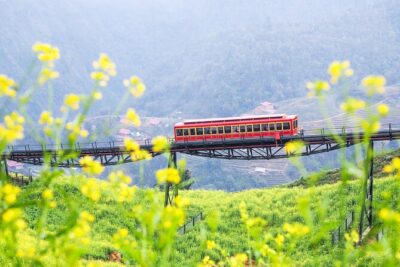
Fansipan Cable, Cat Cat Village & Moana Instagram Tour
Read our review →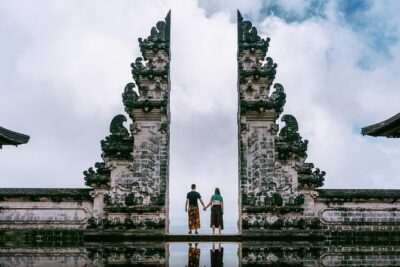
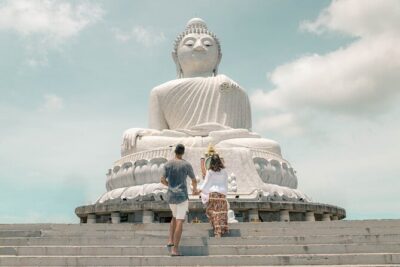
️ Phuket Private Instagram Tour: All-Inclusive
Read our review →