
REVIEW · HANOI
Ultimate Quang Phu Cau Photo Experience
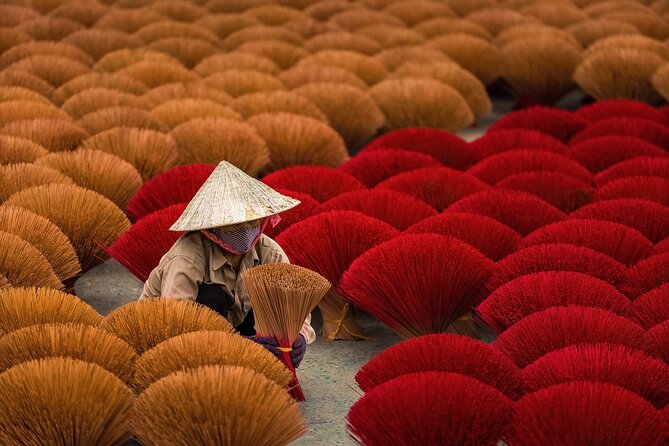
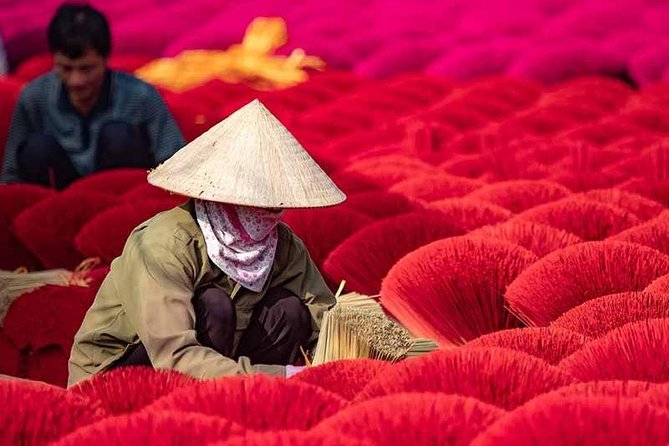
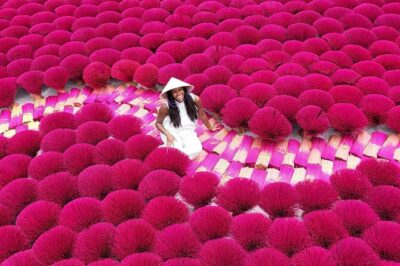
Quang Phu Cau is the sort of place that can turn a simple morning trip into a strong photo story. Around 10am, workers lay bundles of incense in the sun, creating broad patches of red. Inside the village, you can photograph bamboo cutting, dyeing, and incense paste production, not just the familiar display shots.
I like the small group size, capped at five, because a photographer can give real attention to your camera and composition. I also like the practical teaching from guides such as Tung and Brian, who help with camera settings, unusual angles, and ways to show the work behind the pretty pictures. The main caution is that the famous drying area can be small and crowded, so do not expect endless fields of incense.
Key points to know before booking
- A photo lesson, not just a sightseeing stop: Your guide helps you build a visual story, from raw bamboo to finished incense.
- Maximum of five people: The small group allows more time for personal advice and questions.
- Hotel pickup from Hanoi: You travel by car, with bottled water and fees included.
- Arrival around 10am: Workers have usually placed incense outside by then, giving you the classic red-and-yellow images.
- Access beyond the display area: The visit can include family workshops and less polished parts of the village.
- Image review on the way back: The outing ends with a professional look at your photographs and a chance to select stronger images.
Quang Phu Cau is more than a red photo backdrop
The famous image is easy to understand: hundreds of incense sticks spread across the ground in dense red bundles. It is colorful, graphic, and made for wide shots. But the better reason to book this outing is that you are not limited to photographing a prepared display.
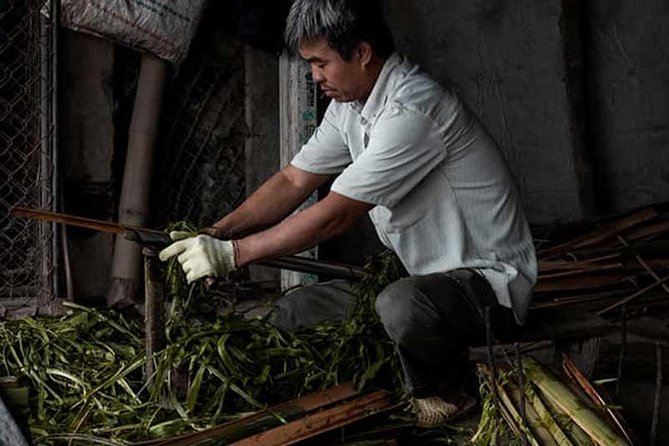
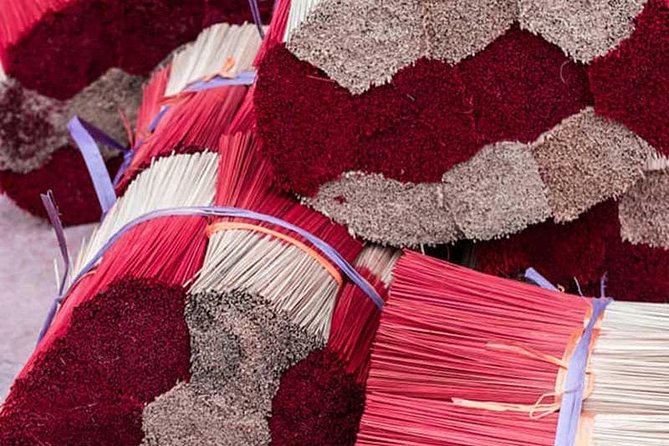
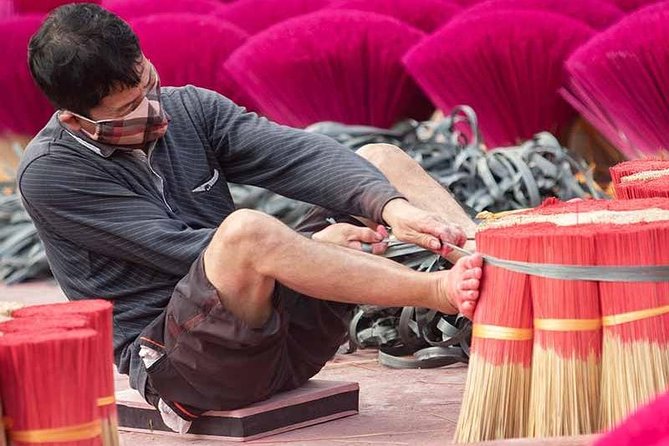
You also see the people and steps behind the final image. Bamboo is chopped into thin sticks, bundles are dipped in dye, and workers prepare the paste used to make incense. That gives you several kinds of photographs: portraits, close-ups, action shots, patterns, and wider scenes.
I would approach this as a short visual assignment. Instead of taking ten versions of the same red pile, ask yourself how the incense is made and how you can show that process. A guide can help you move from a pretty picture to a sequence that says something about the village.
The setting is a working craft community, not a purpose-built attraction. That matters. You may see ordinary workshops, families who have made incense for generations, and a less tidy side of production. For many photographers, those details are more valuable than the postcard view.
A few more photo experiences around Hanoi worth a look
- Instagram Incense Quang Phu Cau Village Tour with Train Street
★ 5.0 · 323 reviews - Hanoi Private Photoshoot – Iconic Spots & Hidden Gems
★ 5.0 · 118 reviews - Hanoi Instagram Tour: The Most Scenic Spots
★ 5.0 · 94 reviews
Leaving Hanoi for a 10am arrival
The experience begins with hotel pickup in Hanoi. The drive is by car, and the tour lasts about five hours in total. Bottled water is included, as are the fees and taxes, so the quoted price is not padded with a long list of standard add-ons.
The timing is useful. The group arrives at about 10am, when incense bundles have already been laid out to dry. You avoid arriving before the day’s work is visible, while still reaching the village in time to photograph people working.
Your exact hotel pickup details should be confirmed when booking, since the supplied information only says pickup is offered. The same applies to the route and return time. The overall plan is clear, but Hanoi traffic can affect the day.
The group limit of five is one of the strongest practical features. In a large group, a photographer might have to wait for everyone to finish before changing position or asking a question. Here, you have a better chance of receiving direct help, especially if you want advice suited to your skill level.
Photographing the red incense drying area
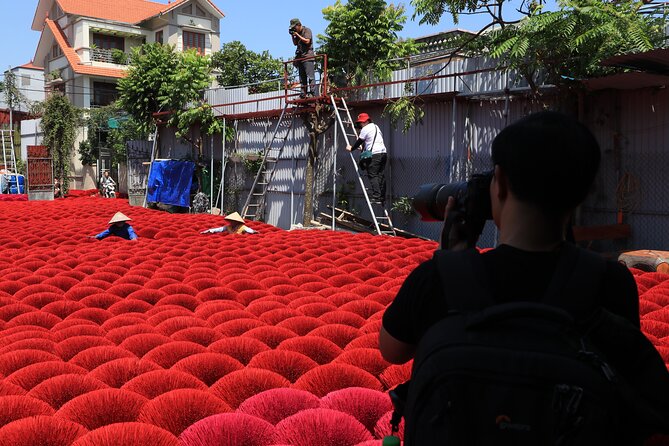
The first major part of the visit focuses on the incense placed outside to dry. This is where you capture the classic images: red bundles arranged in rows, workers moving through them, and the strong contrast between the sticks and the surrounding village.
You will want to make several types of image rather than relying on one viewpoint. A wide frame shows the pattern and scale. A closer image brings out texture. A photograph with a worker in the scene gives the display a human purpose.
The itinerary also allows for shots from high above. That angle can flatten the rows into bold shapes and may be the most effective way to show the arrangement. Your guide can help with positioning and composition, although the available height and exact shooting point can vary on the day.
Here is the important reality check: the main display area may be smaller than social media suggests, and it can be crowded. You might need patience to find a clean angle. The visit is still worthwhile for photographers, but anyone expecting a huge, empty sea of red could be disappointed.
That is why the professional guidance matters. Tung, Brian, Hong, and Adrien are among the guides associated with this experience, and the strongest feedback focuses on their attention to individual photographers. The point is not simply to be shown the same spot as everyone else. It is to find better ways to use the space available.
Inside the workshops and family production areas
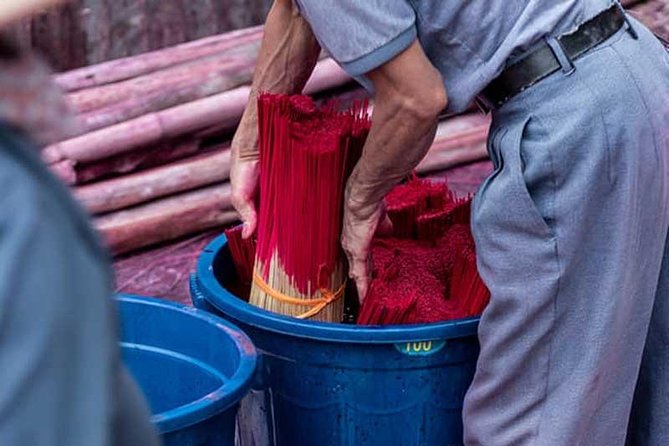
After the outdoor photographs, the group goes further into the village and its workshops. This part gives the outing more substance than a quick stop at a photo display.
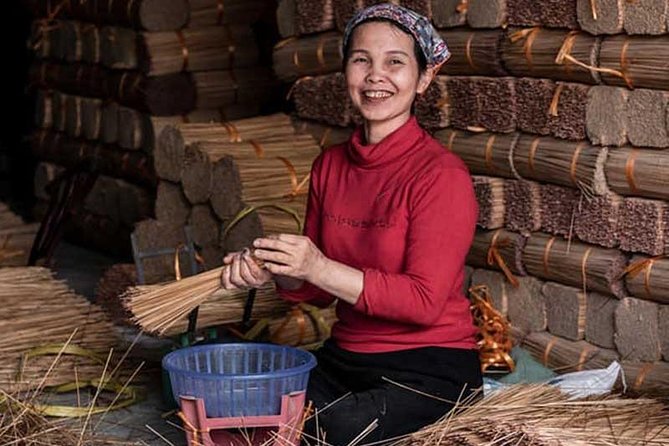
You may photograph bamboo being chopped into sticks, workers dipping them into dye, and incense paste being prepared. Each stage gives you a different technical problem. Bamboo cutting calls for action and timing. Dyeing offers color and repetition. Paste preparation can produce close-up images of hands, tools, and texture.
The workshops also let you photograph the people who do the work. Ask questions through your guide and pay attention to how the production is organized. The aim is not to turn every worker into a posed portrait. A candid moment of hands at work may tell the story better.
The access can feel personal because the operator has established relationships with workshop owners. That can make a real difference in a small community. You are more likely to see the actual process instead of only an area arranged for quick photographs.
Still, keep your expectations sensible. The tour does not promise access to every part of every workshop, and working conditions can change. The supplied plan says you will visit workshops and photograph the process, but it does not guarantee a particular family, production stage, or number of workers on the day.
Same place, a different kind of shoot:
- Hanoi: Instagram-Worthy Tour of City’s Most Scenic Spots
★ 4.9 · 69 reviews - Hanoi Explorer Photo Tour
★ 5.0 · 40 reviews - Hanoi On the Tracks Photo Tour
★ 5.0 · 33 reviews - Photo Tour to Capture The Vanishing Craft of Making Fish Traps
★ 5.0 · 31 reviews
Learning from Tung, Brian, Hong, and Adrien
The guide is central to the quality of this outing. You are not simply hiring transport to an attractive village. You are booking access to a photographer who can help you use the setting.
Tung is praised for being attentive to both members of a couple and for introducing a new style of photography to one participant. He is also associated with taking people to less familiar parts of the village and helping them find stronger shots.
Brian is described as guiding photographers through the stages of incense production and offering advice on camera settings. That is especially useful if you are unsure how to handle changing light, movement, or close-up details.
Hong is also named in connection with an early morning trip and time to walk around. Adrien is associated with a more carefully tailored photo session. Since guide assignment can vary, you should not assume you will receive a specific person unless the operator confirms it.
The teaching appears suited to different levels. A beginner can ask about settings and composition. A more experienced photographer can use the guide as a local fixer who points out less obvious scenes. The small group makes this exchange more practical.
The return journey and photo review
The final part of the outing is a professional image review and selection session on the way back to Hanoi. This is a useful feature that many photo trips skip.
You can use the review to identify which images actually work. A guide may help you compare a wide shot with a tighter frame, decide whether a worker adds meaning, or notice when a crowded background weakens the picture. It is a chance to edit, not just collect files.
For a short trip, editing advice can be as useful as another half hour of shooting. You leave with a better sense of what to look for on your next photo outing. The review is also valuable if you are making a set of images rather than chasing one social media picture.
The plan does not state which editing software or device is used, so you should not expect a formal classroom session. Think of it as guided image selection and practical feedback during the return trip.
Is $189 a fair price?
At $189 per person, this is not a budget excursion to a nearby craft village. The price makes more sense if you want photography instruction, hotel pickup, a small group, and access to working areas rather than a standard sightseeing transfer.
For a couple or a serious hobby photographer, the value comes from the guide’s time. A typical group is no larger than five, and the outing includes advice in the village plus a photo review afterward. Transport, bottled water, and all fees and taxes are included.
The price is harder to justify if you only want a quick look at the red incense displays. You can expect the main photo area to be compact and sometimes crowded. Someone interested in a basic visit, without camera help, may find a simpler excursion better suited to their budget.
A few personal accounts also mention lunch at a workshop, including a delicious meal after seeing the production process. Lunch is not listed as a standard inclusion in the stated tour details, so confirm this before relying on it. Treat it as a possible feature, not part of the guaranteed price.
Who should book this experience?
This outing fits photographers who want help making better images in a real working setting. It is particularly useful if you are comfortable carrying a camera but want guidance on settings, framing, storytelling, or finding less obvious viewpoints.
It also suits couples and small groups who want a more personal day. The guide can respond to individual questions, and the five-person limit avoids the stop-and-go rhythm of a large coach excursion.
You do not need to be a specialist photographer. Most people can participate, and no health restrictions are stated. You should, however, be ready to walk around the village and spend time standing or waiting for a good moment.
The experience may be less satisfying if you want a long, slow cultural visit with extensive historical interpretation. The emphasis is photography. Local context appears through the workshops, workers, and guide conversations, but the day is built around making pictures.
Weather, timing, and practical expectations
The experience requires good weather. If poor conditions force cancellation, you are offered a different date or a full refund. That policy is helpful for a photo outing, since rain or dull conditions can change the outdoor drying scenes.
Free cancellation is available until 24 hours before the start time. Changes or cancellations made less than 24 hours ahead are not accepted for a refund. Cut-off times follow local time.
The activity is offered with mobile ticketing, and confirmation is received at booking. Since pickup is provided, give careful hotel information when arranging the trip.
You should also prepare for a working village rather than a polished studio. The outdoor display may be busy, and the space may not match the scale shown in carefully selected online images. The best results will come from staying flexible and using the guide to locate the strongest available scenes.
The final call: book it for the teaching
I would book this tour if you want more than a photograph of red incense bundles. The combination of small group access, workshop visits, professional advice, and a return-trip image review gives the five-hour outing a clear purpose.
I would skip it if your main goal is simply to see a large display area for a few minutes. The famous photo zone can be compact and crowded, and $189 is a lot for a basic stop.
For photographers, though, the price is easier to defend. You get transport from Hanoi, time with a guide such as Tung or Brian, a look at the full incense-making process, and help turning a colorful visit into a coherent set of images. Confirm the pickup details, guide availability, and whether lunch is included, then book with realistic expectations about the size of the display area.
FAQ
How long does the Quang Phu Cau photo experience last?
The experience lasts approximately five hours.
Where does the tour begin?
Pickup is offered from your hotel in Hanoi.
What time do you arrive at Quang Phu Cau?
The stated arrival time is around 10am.
How many people can join the tour?
The activity has a maximum of five travelers.
Is a professional photographer included?
Yes. A professional photographer guide provides photography tips during the visit and leads the final image review.
What can you photograph in Quang Phu Cau?
You can photograph incense bundles drying outside, workers in action, bamboo chopping, dyeing, incense paste preparation, workshops, and local residents involved in production.
Are bottled water and fees included?
Yes. Bottled water and all fees and taxes are included.
Is lunch included?
Lunch is not listed among the standard inclusions. Individual accounts describe lunch at a workshop, so confirm this with the operator before booking.
Can most people participate?
Yes. Most people can participate, and no health restrictions are stated.
What happens if the weather is poor?
If the experience is canceled because of poor weather, you can choose another date or receive a full refund. Free cancellation is also available up to 24 hours before the start time.
Just added around Hanoi
- Tho Ha Handicaft Village – Private Hanoi Photo Tour★ 5.0 · 2 reviews
- Vietnam Fishing village photography tours★ 5.0 · 3 reviews
- Instagram Tour Duong Lam Ancient Village with Train Street Visit★ 5.0 · 3 reviews
- Ultimate Hanoi Photography Tour★ 5.0 · 19 reviews
- Private Photo Session with a Local Photographer in Hanoi★ 5.0 · 2 reviews
- Photography Tour to Tho Ha – The rice paper making village★ 5.0 · 4 reviews
- Hanoi by Night Photo Tour★ 5.0 · 4 reviews
- Hanoi On the Tracks Photo Tour★ 5.0 · 33 reviews
Hanoi Photo Tours & Photoshoots, compared.
Instagram Incense Quang Phu Cau Village Tour with Train Street
Read our review →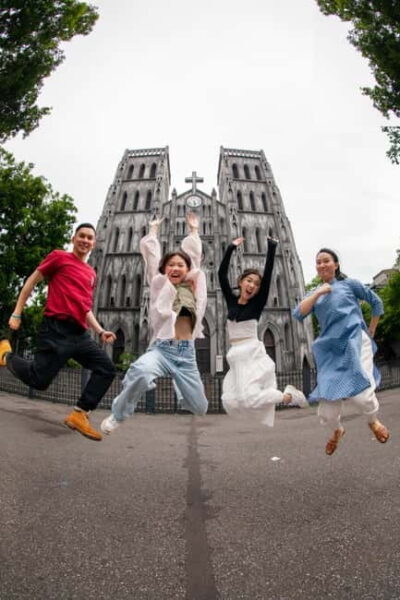
Hanoi Private Photoshoot – Iconic Spots & Hidden Gems
Read our review →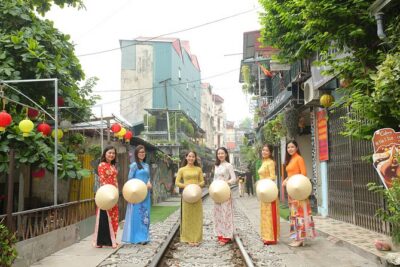
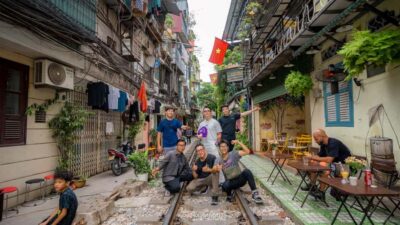
Instagram-Worthy Tour of City’s Most Scenic Spots
Read our review →
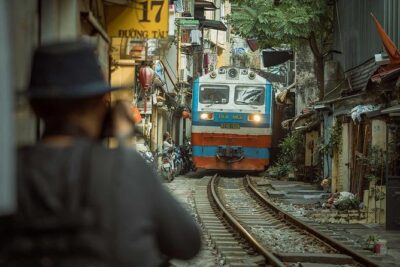
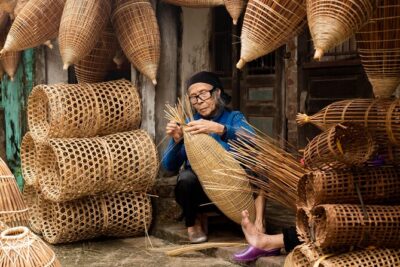
Photo Tour to Capture The Vanishing Craft of Making Fish Traps
Read our review →
Hanoi Street Photography with a Pro – Phone & Camera
Read our review →Browse the lists this tour appears in