REVIEW · OSAKA
Osaka Night Photography Workshop
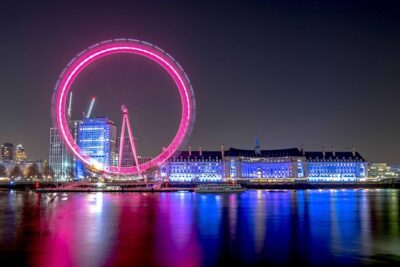
Osaka looks made for night photography, and this three-hour private workshop puts you right in the middle of it. With photographer Irven Lewis, you’ll work through Dotonbori, Nipponbashi, Shinsekai, and Tennōji while learning how to handle manual settings, tripods, light trails, and busy street scenes.
I like the one-to-one coaching, which can help a beginner avoid getting lost in camera menus. I also like the flexible route: one participant asked to visit less usual spots, and Irven adjusted the outing. The main drawback is simple: there is a lot to cover, so expect plenty of walking and bring spare batteries.
Key points
- Dotonbori after dark: Start among bright signs, canal reflections, crowds, and classic Osaka street scenes.
- Practical camera coaching: Work on aperture, ISO, shutter speed, composition, framing, timing, and manual mode.
- A private English-speaking guide: Irven Lewis can adjust the pace and route to your level and interests.
- Four Osaka areas in three hours: Continue through Nipponbashi and Shinsekai, then take a train to Tennōji.
- Good for almost any camera: DSLR, mirrorless, and smartphone users are welcome.
- Bring extra power: One participant covered so much ground that a camera battery ran out before the evening did.
Why Osaka Works So Well After Dark
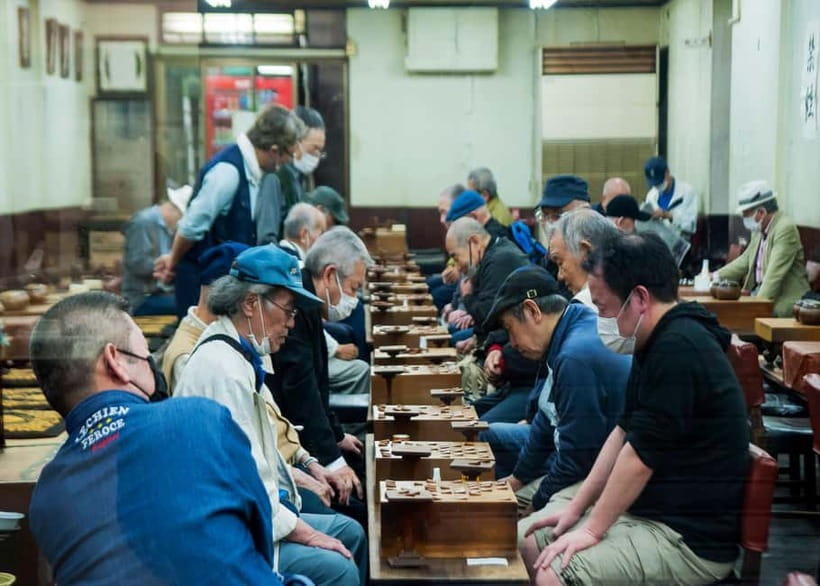
Osaka gives you several different kinds of night photography in a compact outing. Dotonbori offers the famous high-energy scenes, Nipponbashi brings shopfronts and street detail, and Shinsekai shifts the mood toward old-fashioned Osaka. The final move to Tennōji adds another area with plenty of subjects to frame.
This variety is useful because you are not practicing in only one setting. You can compare bright artificial light with darker streets, crowded scenes with quieter frames, and close-up details with wider compositions.
The workshop is not just a walk where you are told to point your camera at famous signs. Irven teaches you how to make decisions. You’ll learn how shutter speed changes movement, how ISO affects image quality, and how aperture influences the look of lights and background detail.
For a beginner, that step-by-step approach matters. Night photography often exposes weak camera habits: automatic settings can produce blurry shots, washed-out signs, or dark faces. Learning to take control gives you a better chance of producing sharp images instead of simply collecting snapshots.
More Photography Workshops in Japan
- Tokyo Photography Masterclass – Private Photography Lesson
★ 5.0 · 25 reviews - Blade Runner photo workshop in Shibuya with Laurence Bouchard
★ 5.0 · 15 reviews - Kyoto Photography Masterclass – Private Photography Lesson
★ 5.0 · 11 reviews
Dotonbori: Bright Signs and Moving Subjects
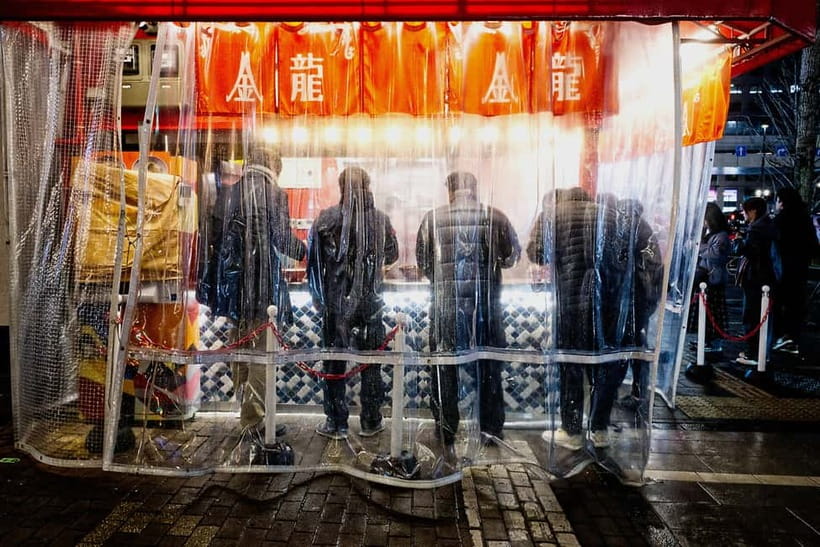
Dotonbori is the obvious place to begin. Its glowing signs, canal-side views, restaurant fronts, and constant movement give you plenty to work with from the first few minutes.
The challenge here is too much visual information. Bright signs can confuse exposure, people move quickly, and a composition that looks clean for one second can fill with bodies the next. Irven’s guidance is useful because he can help you decide what deserves attention rather than having you photograph everything at once.
You’ll practice framing and timing in a setting where both matter. A sign reflected in the canal may need a different position from a portrait-style street scene. A passing cyclist or pedestrian may become the main subject, but only if you are ready to press the shutter at the right moment.
This is also a good place to work with a tripod if conditions allow. A tripod can help with sharp, slower exposures and light trails, though using one in a crowded area requires care. Ask Irven how he prefers to handle tripod placement in the busiest parts of the route.
Dotonbori may be familiar from travel photos, but that does not make it easy to photograph well. The value here is learning how to turn a famous view into a deliberate image, with a clear subject, balanced frame, and controlled exposure.
Nipponbashi: Street Details Beyond the Main View
The route then moves to Nipponbashi. This gives the workshop a change of pace and helps keep the evening from becoming a single neon-sign session.
Nipponbashi is useful for practicing smaller compositions. You might find shop details, signs, side streets, illuminated facades, or passing subjects that reward a shorter focal view. The key lesson is to look at the edges of a famous district, not only its biggest attractions.
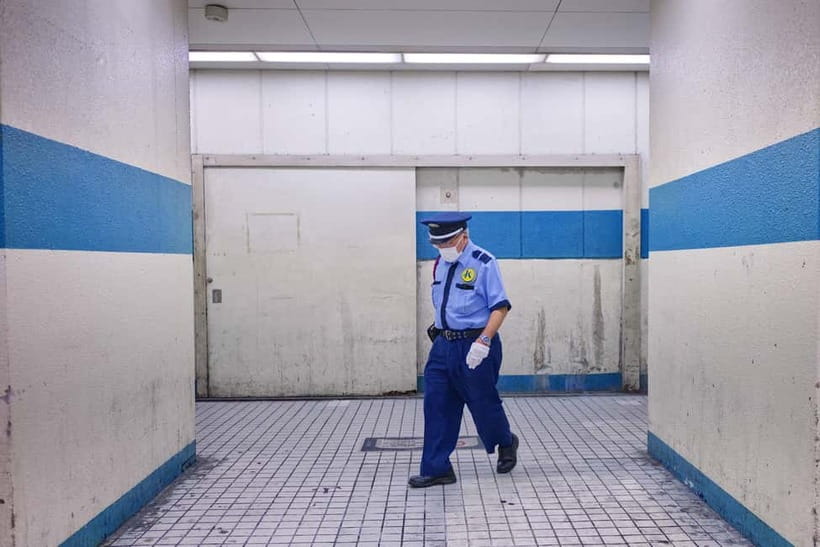
For a new photographer, this part of the walk can be especially helpful. You are learning to notice lines, color, repetition, framing, and contrast. These are skills you can use anywhere in Japan, from a railway platform to a temple entrance.
More experienced photographers may appreciate the chance to ask for less familiar locations. One participant specifically requested places Irven does not usually include, and he was willing to adapt. That suggests the outing is not locked into a single script, though the exact route still depends on time, pace, and your interests.
The flexible approach is one of the strongest reasons to consider a private tour. You are not trying to keep up with a large group or waiting for everyone to finish the same exercise. You can spend longer on a scene if you need help, or move on if the subject does not interest you.
Shinsekai: A Different Osaka Mood
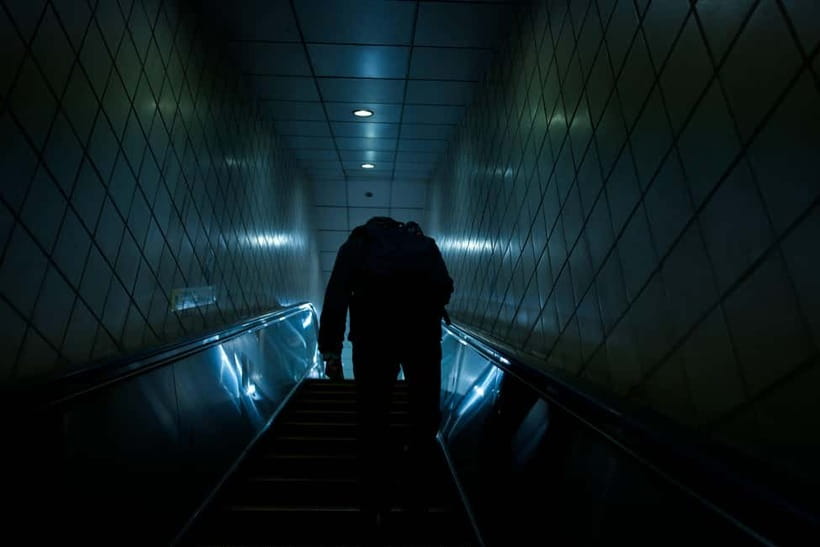
Shinsekai brings a more nostalgic feel to the evening. Its streets offer a visual change from the polished brightness of Dotonbori, giving you another chance to work with signs, older-looking streets, and layered compositions.
The contrast between these districts is important. Night photography is not only about finding the brightest light. Darker surroundings can make illuminated signs stronger, while a narrow street can create depth and leading lines.
This is also a good place to practice timing. Street photography often depends on small moments: a person entering a pool of light, a group crossing a frame, or a passing vehicle adding movement. Irven can help you judge when a scene is ready and when it needs a few more seconds.
The workshop is pitched to all levels, but your results will depend partly on how actively you take part. If you are new to photography, ask questions and change settings yourself rather than letting the guide do it for you. If you already understand exposure, ask for help with more advanced choices such as long exposures, light trails, or stronger compositions.
The main caution is pace. Shinsekai comes before the train ride to Tennōji, and the entire outing lasts only three hours. If you stop for every possible subject, you may not reach every planned area with much time to spare.
More Night Photography in Japan:
- Tokyo by Night Photography Tour (Private Option Available)
★ 5.0 · 151 reviews - Tokyo Shinjuku Night Photo Tour with Pro Gota
★ 5.0 · 142 reviews - Private Stargazing Photography Tour In Kabira Bay
★ 5.0 · 9 reviews - Private Stargazing Photography Tour In Kabira Bay
★ 5.0 · 8 reviews
Tennōji: The Final Area and Train Ride
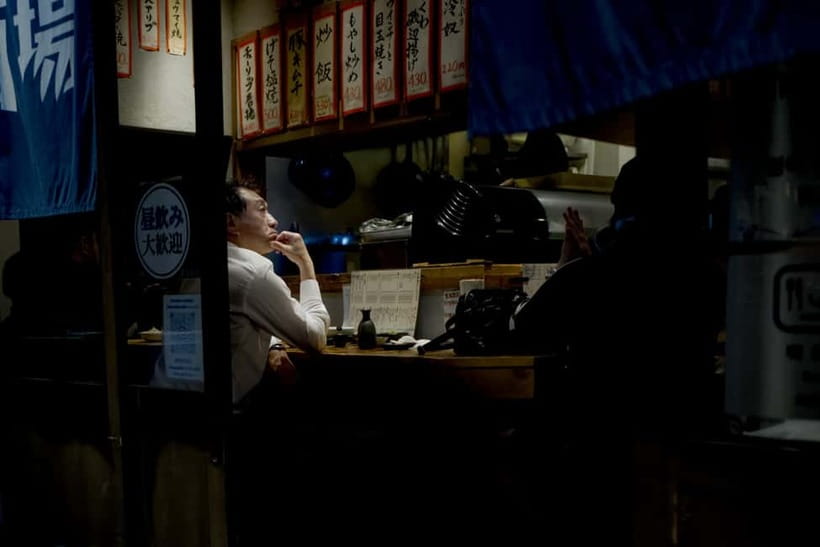
After Shinsekai, the route continues by train to Tennōji. The train ride is part of the practical rhythm of the workshop, so you should be ready to move rather than settle into one neighborhood.
Tennōji gives you another set of photo opportunities at the end of the evening. The available information does not specify one fixed landmark or exact shooting point there, which is actually consistent with the private format. Irven can adjust the final section around your interests and the time remaining.
This last stop may suit photographers who want to keep working after the more obvious Osaka scenes. You can use the techniques learned earlier in the evening and apply them in a new setting. That repetition is valuable: you are not just hearing an explanation once, you are testing it again under different light and background conditions.
The train transfer also makes comfortable shoes important. A participant specifically warned that there can be lots of walking, and the route covers several districts. Wear footwear you can manage for three hours, and avoid packing a heavy camera bag unless you truly need the equipment.
What You Will Learn With Your Camera
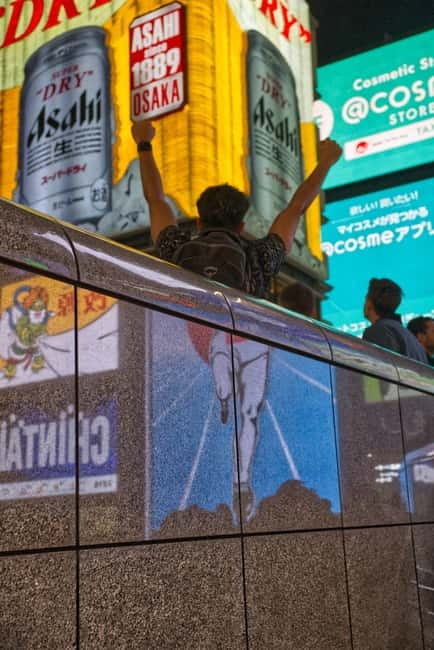
The workshop covers the core parts of night photography in a hands-on way. You’ll work with:
- Aperture: Control how much light enters and how much of the scene appears sharp.
- Shutter speed: Freeze movement or allow motion to show as blur and light trails.
- ISO: Adjust the camera’s sensitivity when available light is limited.
- Exposure triangle: Understand how aperture, shutter speed, and ISO affect one another.
- Composition and framing: Decide what belongs in the picture and where to place it.
- Timing: Wait for the right person, vehicle, reflection, or movement.
- Tripod technique: Make slower exposures sharper and more controlled.
- Manual mode: Move beyond automatic settings and make the key decisions yourself.
That list sounds basic, but the value is in applying it on actual Osaka streets. Night photography becomes much easier once you understand why an image is too dark, blurry, noisy, or overexposed.
You can also receive photo review and constructive feedback. This is worth using if you want more than a pleasant walk. Show Irven the images you are unsure about, ask why one frame works better than another, and request a clear adjustment for your next attempt.
Smartphone users are welcome too. The instruction will not replace a dedicated camera, but the same principles still apply: look for clean framing, use available light, steady the phone, and time the shot carefully.
A Private Workshop for Beginners and Skilled Photographers
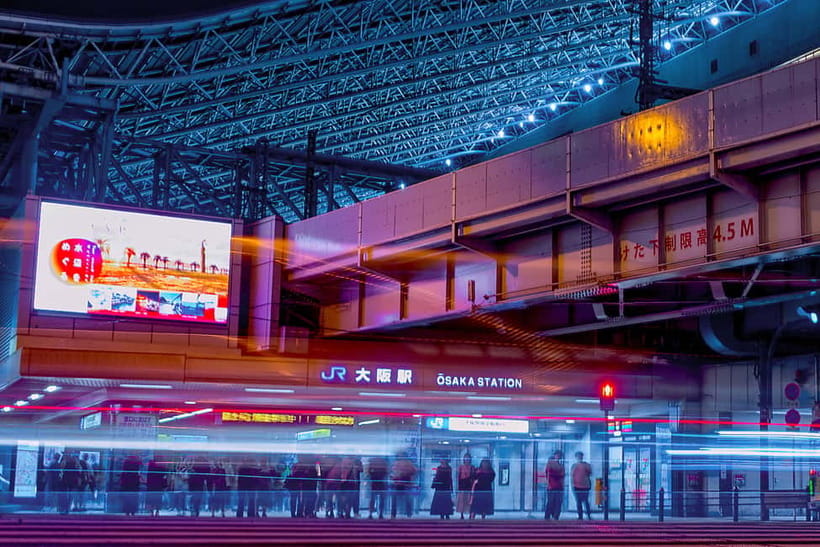
The best match for this experience is a beginner who wants patient guidance without feeling rushed. If you have recently bought a camera and still rely on automatic mode, the outing gives you a real setting in which to learn.
It can also suit a more experienced photographer who wants a local guide and fresh places to shoot. One participant asked to visit locations outside Irven’s normal route, and the guide agreed. That flexibility is more useful for someone who already knows the basics and wants to focus on Osaka rather than spend the full evening on camera theory.
The private format also helps with pacing. Irven can match the instruction to your current skills, as he did for a novice street photographer who needed help identifying good subjects. You can ask for more technical detail or keep the lesson simple.
Still, do not expect a silent photo walk. Coaching is a central part of the experience. If you want several uninterrupted hours to work alone, a private guide may feel too instructional. If you want to improve while you shoot, the format makes sense.
Is $200 a Fair Price?
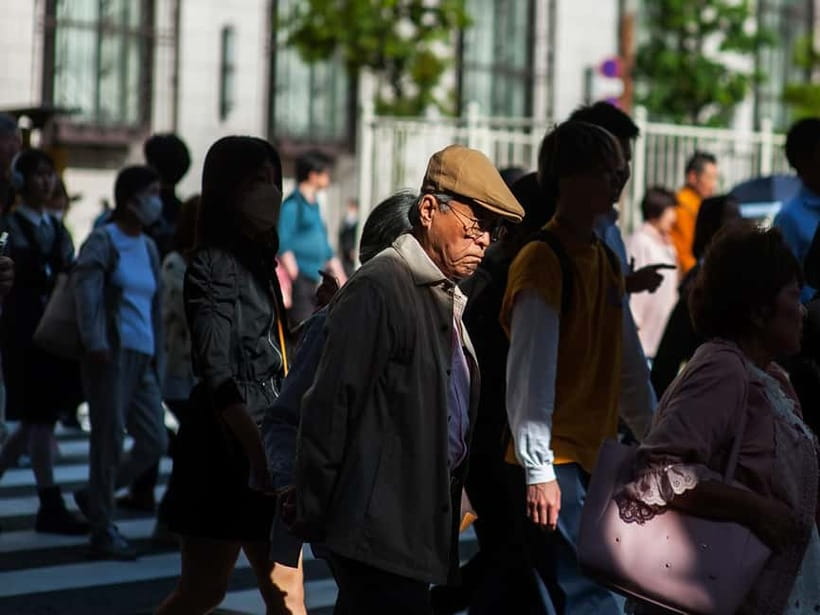
The cost is $200 per person for three hours. That is not a budget sightseeing walk, but it includes a private English-language guide, photography instruction, route planning, hands-on practice, and feedback.
The value depends on your goal. For someone who only wants a few quick Osaka snapshots, the price may be hard to justify. For a photographer who wants help with manual settings, night exposure, light trails, and local shooting locations, the private attention can make the fee reasonable.
You also avoid paying separately for a general city tour and a photography lesson, though food is not included. The route uses public transport for the move to Tennōji, and no camera, tripod, or other equipment is listed as provided, so bring your own gear.
A private tour becomes better value if you arrive prepared. Charge every battery, bring spare batteries or a power bank where appropriate, clear space on your memory card, and know how to change the basic settings on your camera. You will spend more time taking photos and less time searching through menus.
Practical Details Before You Book
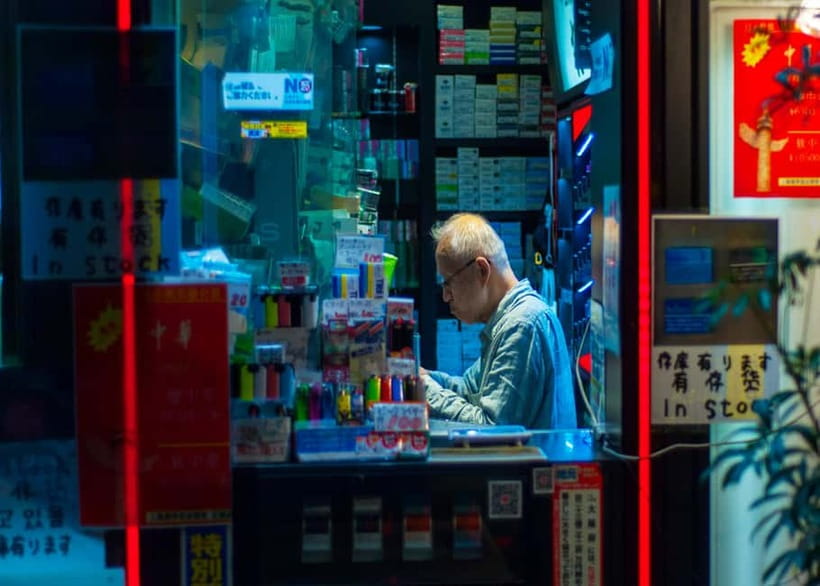
The activity lasts three hours and is available at different starting times, subject to availability. Since the route is built around night photography, choose a start time that gives you the evening conditions you want.
The tour is conducted in English by Irven Lewis and is offered as a private group. DSLR, mirrorless, and smartphone photographers can join. Wheelchair access is listed, but the route includes substantial walking and a train transfer, so it is sensible to confirm whether the exact route suits your mobility needs before booking.
Comfortable shoes are essential. Bring a charged camera, spare batteries, and enough storage. Food is not included, so plan to eat before or after the workshop.
There is a useful booking safety net: you can cancel up to 24 hours ahead for a full refund, and you can reserve now and pay later. Those terms help if your Osaka schedule is still shifting.
One detail deserves clarification before you pay. The activity information names Osaka locations for the route, but another section lists Kyoto sites such as Kiyomizu-dera, Yasaka Pagoda, Fushimi Inari Taisha, Gion, and Shirakawa Canal. Since the described three-hour route runs through Osaka, ask the provider to confirm which city and stops apply to your chosen booking.
Should You Book the Osaka Night Photography Workshop?
Book it if you want to learn while photographing real streets, not just receive a list of camera tips. Irven’s flexible coaching, private format, and ability to adjust the pace suit both a first-time camera owner and a photographer looking for local guidance.
It is especially appealing if you want Dotonbori, Nipponbashi, Shinsekai, and Tennōji in one evening and do not mind walking. Bring spare power, expect a full three hours, and confirm the Osaka route because the written details also mention Kyoto locations.
Skip it if your priority is a cheap sightseeing stroll, a fixed landmark tour, or a relaxed evening with little walking. For an aspiring street photographer, though, the chance to practice manual settings, timing, and composition with a guide beside you makes the $200 fee easier to defend.
FAQ
How long does the Osaka Night Photography Workshop last?
The workshop lasts three hours.
How much does the workshop cost?
The price is $200 per person.
Who leads the photography workshop?
The workshop is led by Irven Lewis of Shoot Travel Japan.
Is the workshop conducted in English?
Yes. English is the listed tour language.
Is this a private tour?
Yes. The group type is private.
Do I need a DSLR camera?
No. DSLR, mirrorless, and smartphone users are welcome.
Is the workshop suitable for beginners?
Yes. It covers camera basics and is adjusted to your skill level. It can also suit experienced photographers who want a guide to Osaka photo locations.
Which Osaka areas are included?
The described route begins in Dotonbori, continues to Nipponbashi and Shinsekai, and then uses a train to reach Tennōji.
Is food included?
No. Food is not included.
What should I bring?
Bring comfortable shoes. A charged camera, spare batteries, and enough memory are also practical for a three-hour night shoot.
Can I cancel for a refund?
Yes. You can cancel up to 24 hours in advance for a full refund.
Can I reserve now and pay later?
Yes. The reserve-now, pay-later option lets you book without paying on the day of reservation.
More Evening Experiences in Japan
- Tokyo: Evening Photography Tour
★ 4.8 · 61 reviews - Osaka by Night and Day Photo shoot
★ 5.0 · 10 reviews - Osaka Dotonbori Night Photoshoot Private | Pro Photographer
★ 4.5 · 6 reviews - Kamakura Tour with Pro Photographer: Anime Train & Fuji Sunset
★ 5.0 · 4 reviews
Just added around Japan
- Private photo shoot & walk in Kyoto – Professional photo shoot★ 5.0 · 20 reviews
- A Privately Guided Photoshoot in Beautiful Kyoto by a Pro★ 5.0 · 18 reviews
- Tea Ceremony with Kimono and Professional Photoshoot in Kyoto★ 5.0 · 44 reviews
- Exclusive Gion Kyoto Photoshoot: A Private Experience★ 5.0 · 11 reviews
- Private Photography Tour in Kyoto★ 5.0 · 2 reviews
- Kyoto One-day Taxi Tour by Licenced Guide Photographer 8 pax★ 5.0 · 2 reviews
- Kyoto Photo Travel with Local Guide and Personal Photographer★ 5.0 · 3 reviews
- Kyoto Night Photography Photoshoot★ 5.0 · 2 reviews
Night & Astro Photography, compared.
Tokyo by Night Photography Tour (Private Option Available)
Read our review →
Night Photo Session in a Fiat 500 with Aperol Spritz
Read our review →
Private Guided Night Photography Tours on Cape Cod (for one photographer.)
Read our review →
Moab: The Windows Astro-Photography and Stargazing Hike
Read our review →