
REVIEW · HANOI
Photography Tour to Tho Ha – The rice paper making village
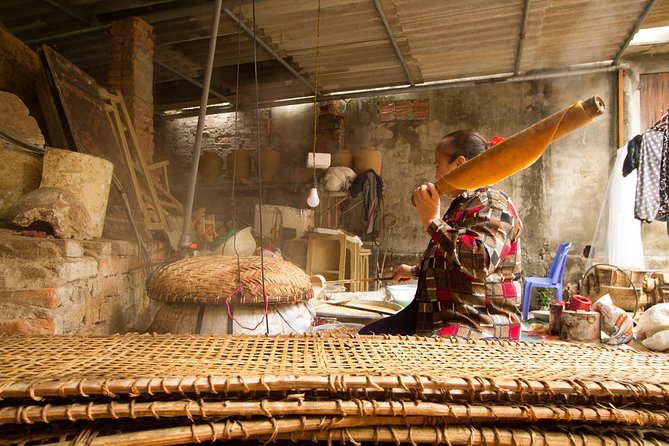
Tho Ha is the kind of place that makes a camera useful. Its narrow village lanes, rice paper work, and everyday scenes offer a more grounded look at northern Vietnam than a quick city photo stop. The access to local homes and working spaces can give your pictures a human story, not just a pretty frame.
I especially like the small private group, capped at four people, and the practical help from guides including James, Son, and Mike. They have helped photographers with settings, composition, and timing. The main drawback is the price: at $138 per person, this is not a casual budget outing, and the village may feel less rewarding if you are not serious about photography.
Key points at a glance
- Tho Ha is the sole focus, giving you time to work slowly through one traditional Red River Delta village.
- Rice paper making provides the visual theme, with local work and daily routines at the center of the photography.
- Private groups of two to four allow direct guidance and easier movement through narrow alleys.
- James, Son, and Mike are named guides connected with the tour, with practical camera help noted by past participants.
- Breakfast, transport, admission, and taxes are included, so the $138 price covers more than a guide alone.
- A moderate fitness level is needed, and the schedule lasts about five to six hours.
Why Tho Ha makes a strong photo subject
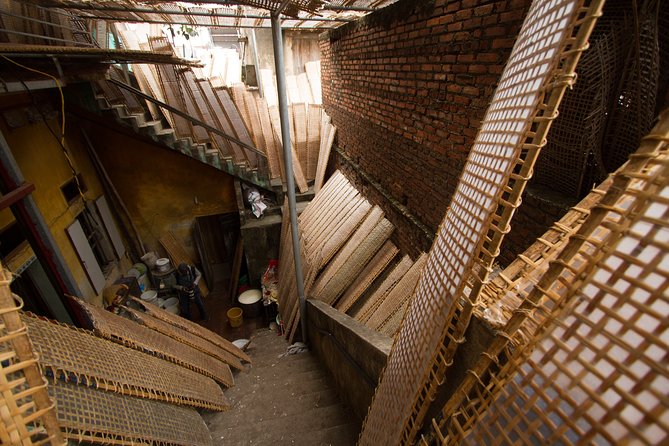
Tho Ha is presented as a typical northern Vietnamese village, and that is the reason to choose it. You are not being sent from one famous sight to another. Instead, the focus stays on village life, local work, and the way homes and lanes fit together.
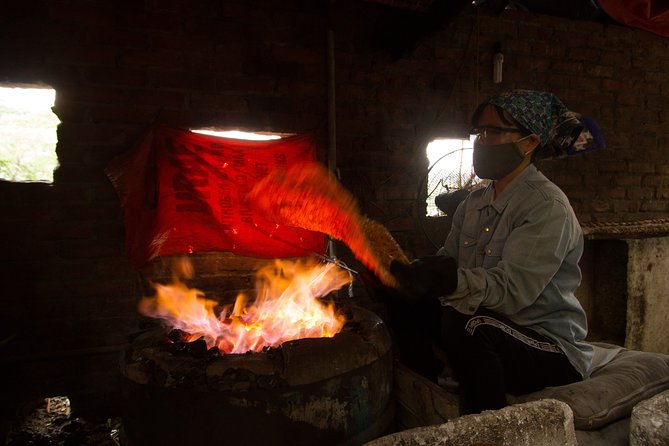
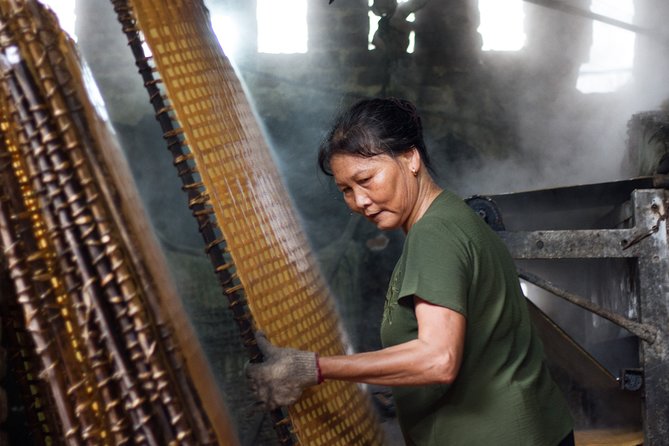
Rice paper making gives the visit a clear purpose. You can look for the shapes, textures, tools, drying surfaces, and human activity that make this craft visually distinctive. The supplied details do not promise a fixed demonstration or a guaranteed shot list, so you should think of the tour as guided access to a working village rather than a staged studio session.
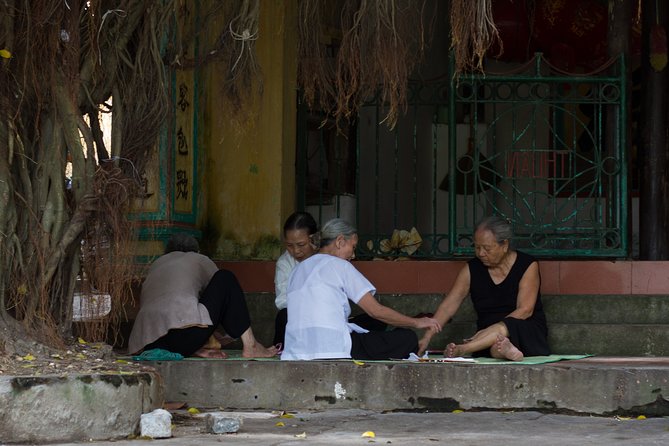
I like that distinction. A good photo outing often depends on patience and timing, not on collecting landmarks. Here, you make your way through narrow alleys and watch for moments in ordinary life. The guide can help you decide where to stand, how to use your camera, and which scenes deserve more time.
The village setting also gives your photographs a sense of place. A close-up of rice paper alone could have been taken almost anywhere. Put it beside a lane, a doorway, or a person at work, and the image begins to explain Tho Ha.
More Photography Tours in Vietnam
- Hanoi Explorer Photo Tour
★ 5.0 · 40 reviews - Hanoi On the Tracks Photo Tour
★ 5.0 · 33 reviews - Photo Tour to Capture The Vanishing Craft of Making Fish Traps
★ 5.0 · 31 reviews
What the six-hour route includes
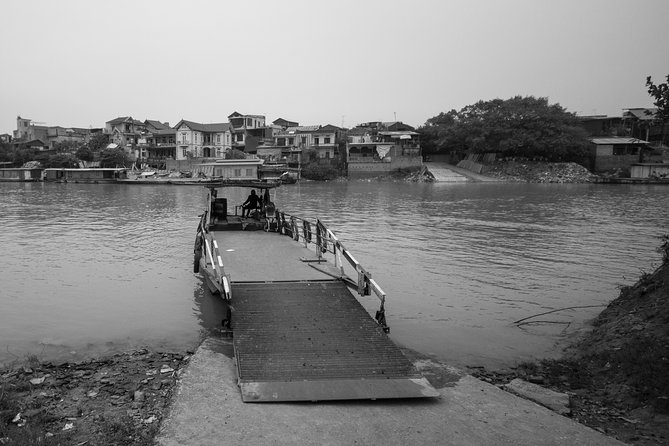
The advertised duration is approximately six hours, while the itinerary also describes the tour as five hours. I would plan for roughly half a day and keep some flexibility around the exact return time. The only named stop is Tho Ha Village, so this is not a sightseeing circuit with several unrelated attractions.
That focused schedule is useful for photographers. You do not lose time rushing through a long list of stops. You can work with changing light, wait for a better moment, and ask the guide to help you find a stronger angle.
The tour includes an air-conditioned vehicle, which matters in northern Vietnam, especially when you are carrying camera gear. Pickup is offered, but the supplied information does not specify the pickup zone or exact meeting point. Confirm that detail when booking.
Breakfast is included. This is a small but practical touch on a morning outing, since photography tours often begin early or run across a normal mealtime. The details do not state what breakfast contains, so I would not book this expecting a particular menu.
Admission fees and taxes are also covered. You should still budget for anything outside the listed inclusions, since the tour specifically excludes items not mentioned.
Walking through the narrow village lanes
The heart of the experience is the walk through Tho Ha. The alleys are described as narrow, so you should expect a more intimate setting than a broad road or formal attraction. That can be excellent for photographs, but it also means you need to be considerate with your equipment and your position.
A small group helps here. With no more than four people, you are less likely to block a passage or lose contact with the guide. The private format also means only your own group takes part, which gives you more room to ask for camera advice and shape the pace around your interests.
The route is not described as difficult, but a moderate physical fitness level is required. You may be walking for much of the visit, standing while waiting for a scene, and moving through uneven or confined areas. Comfortable shoes make sense, even though the dress code is listed as smart casual.
I would keep your camera setup simple. A smaller body and lens combination is easier to handle in tight lanes than a heavy kit with several large lenses. That is practical advice rather than a stated tour rule, but the setting clearly favors mobility.
Meeting the rice paper makers
Rice paper production is the village’s central draw. The supplied information does not spell out every stage of the process, so you should not expect a guaranteed workshop or hands-on class. What you can reasonably expect is a chance to photograph the village connected with this work and to see local activity as you move through it.
This is where the guide matters most. James and Son are described as patient and helpful with camera settings and advice for stronger photographs. Mike is also connected with a Tho Ha outing and helped arrange access to about five houses during one visit. That detail suggests the guide may be able to open doors to more personal views of village life, although access to specific homes should not be treated as guaranteed.
Ask before photographing people or entering private spaces. A guide can help with local manners and introductions, but you still need to treat each home as someone’s living space, not a photo set. The best picture is not worth making a resident uncomfortable.
For a culture and travel photographer, this access is the strongest reason to book. You can work on more than technique. You can think about how to show a craft, a family setting, and a local routine without turning the people in the frame into decoration.
More Photography Tours in Hanoi:
- Ultimate Hanoi Photography Tour
★ 5.0 · 19 reviews - Hanoi Long Bien Sunrise Photo Tour
★ 5.0 · 16 reviews - Into the Thieves Market Hanoi Photo Tour
★ 5.0 · 10 reviews - Hanoi: Rent a Traditional Ao Dai & Photo Walk in Old Quarter
★ 5.0 · 10 reviews
How the guides shape the experience
This is a photography tour, not simply a village transfer with a guide attached. The named guides have different mentions in the supplied material, but the common thread is direct support with photography.
James and Son are noted for patience and camera-setting advice. That is useful if you are still learning exposure, focus, or how to react quickly to changing scenes. It also helps experienced photographers who want a second opinion without joining a large workshop.
Mike is linked with an early start that included a market before the visit to Tho Ha. The market is not part of the stated itinerary for this experience, so do not assume it is included here. Still, the detail indicates that Momentlives can run broader photography outings, and you should ask if your booking has any variation from the standard village plan.
A guide who understands photography can do more than translate. The guide can point out a promising scene, suggest a camera setting, help you approach a household, or tell you when to wait. Those small decisions are often what separate a record shot from a useful travel photograph.
The private format makes this guidance more valuable. In a group of two to four, you are not competing with a busload of cameras for the same doorway or person. You can also explain your goals before the outing, whether you want documentary images, portraits, architecture, or craft details.
What the $138 price really buys
At $138 per person, the tour costs more than a standard half-day village visit. The price makes more sense if you place value on specialist guidance, private access, transport, and a tightly limited group.
You are paying for a photographic tour guide rather than only a local escort. Air-conditioned transport, breakfast, admission, fees, and taxes are included. Those extras reduce the number of small costs you need to handle during the day.
The group limit is important. A private activity for two to four people is a different product from a large coach tour. If you share the booking with a friend or family member who also enjoys photography, the cost may feel more reasonable because you receive personal attention without organizing an entirely independent trip.
For a casual sightseer who only wants to see a village, the price may be hard to justify. You could prefer a broader Hanoi day tour with more locations. For someone who values photographs, local access, and help using a camera, the focused route offers better value.
Group discounts are available, but the amount is not stated. Ask about the discount before booking, especially if you are arranging a small group. The minimum booking is two people, and the maximum is four.
Who will get the most from this tour
I would recommend this outing most strongly to photographers who want a subject with cultural depth and enough time to work carefully. It suits people who are happy to walk, wait, adjust settings, and pay attention to small details.
It also fits a couple or a small group of friends with similar interests. The private setup means you can set a shared pace and avoid the distractions of a large mixed-interest group.
The tour may work for beginners, too. You do not need to arrive with perfect technical skills if the guide is patient and willing to help with settings. Tell the guide what you want to improve, such as exposure, portraits, or photographing movement.
I would be more cautious about booking it for very young children or anyone who dislikes walking in confined village lanes. The stated requirement for moderate fitness is worth taking seriously. It is also not the best match for someone who wants a packed sightseeing schedule with many major attractions.
Dress smart casual, as requested. That means looking presentable for visits around local homes while still wearing clothes and shoes that allow comfortable walking. Since the exact weather conditions and walking surface are not provided, plan for ordinary outdoor conditions and protect your camera gear sensibly.
How to prepare for better photographs
Think about your purpose before you leave Hanoi. If you want portraits, ask the guide about respectful ways to approach people. If you prefer craft images, consider a lens that can frame both close details and wider working scenes.
Keep spare batteries and memory cards with you. That advice is not a special tour requirement, but six hours of photography can use more storage and power than expected. A small bag is easier in narrow alleys than a large backpack.
Do not rely only on automatic settings. The guides are specifically described as helping with camera settings, so use the opportunity to ask why a certain adjustment works. Even a short explanation about shutter speed, aperture, or focus can improve the rest of your Hanoi photography.
Most important, slow down. Tho Ha is not a place to photograph from a moving vehicle and leave. The value is in noticing how the village works, how people use space, and how rice paper production connects with daily life.
Booking, cancellation, and practical limits
Confirmation is provided at the time of booking. The activity is private, with only your group participating, and pickup is offered. The available information does not give an exact pickup time, pickup area, or detailed meal menu, so confirm those points before the day.
You can cancel for a full refund if you do so at least 24 hours before the start time. Cancellations made less than 24 hours before the start are not refunded, and changes within that period are not accepted. The cut-off follows local time.
The minimum booking is two people, and the maximum is four. That limit is useful to know before you plan a solo visit, since a single-person reservation may not meet the booking requirement.
Should you book Photography Tour to Tho Ha?
Book it if you want a focused village photography day, prefer private guiding, and care about meeting local life through images. The combination of rice paper making, narrow lanes, small-group access, and camera help from guides such as James, Son, or Mike gives the outing a clear purpose.
Think twice if your main aim is low-cost sightseeing or a long list of attractions. At $138, this is a specialist experience, and its value depends on how much you want personal photography guidance and time in one village.
For the right person, Tho Ha offers something better than a hurried photo stop. You get a chance to work patiently, ask questions, and make pictures that show how a northern Vietnamese village lives and works.
FAQ
Where does the photography tour take place?
The tour takes place in Tho Ha Village near Hanoi, a northern Vietnamese village associated with rice paper making and local daily life.
How long does the experience last?
The tour lasts approximately five to six hours. The stated tour summary gives about six hours, while the overview describes five hours, so confirm the exact timing when booking.
What is included in the price?
The price includes a photographic tour guide, an air-conditioned vehicle, breakfast, admission fees, and all listed taxes.
Is transportation provided?
Yes. Pickup is offered, and an air-conditioned vehicle is included. The exact pickup area is not specified in the supplied information.
How many people can join the private tour?
A minimum of two people is required per booking, and the maximum is four people. Only your own group participates.
What level of fitness is needed?
A moderate level of physical fitness is recommended. The visit includes moving through narrow village alleys, so comfortable walking clothes and shoes are sensible.
Can I cancel for a full refund?
Yes. You can receive a full refund if you cancel at least 24 hours before the experience start time. Cancellations or changes made less than 24 hours before the start are not accepted for a refund.
Just added around Hanoi
- Tho Ha Handicaft Village – Private Hanoi Photo Tour★ 5.0 · 2 reviews
- Vietnam Fishing village photography tours★ 5.0 · 3 reviews
- Instagram Tour Duong Lam Ancient Village with Train Street Visit★ 5.0 · 3 reviews
- Ultimate Quang Phu Cau Photo Experience★ 5.0 · 13 reviews
- Ultimate Hanoi Photography Tour★ 5.0 · 19 reviews
- Private Photo Session with a Local Photographer in Hanoi★ 5.0 · 2 reviews
- Hanoi by Night Photo Tour★ 5.0 · 4 reviews
- Hanoi On the Tracks Photo Tour★ 5.0 · 33 reviews
Photography Tours, compared.

Rhodes: E-bike Highlights Sunset or Morning Photo Tour
Read our review →

Browse the lists this tour appears in