
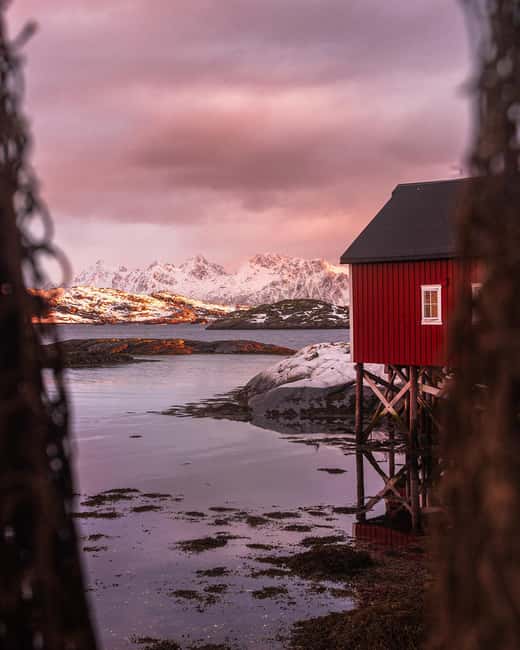
REVIEW · SVOLVAER
From Svolvær: Half Day Lofoten History and Photo Tour
Lofoten’s story is written in fishing cabins, Viking sagas, wartime ruins, and church timbers, and this five-hour drive links them in one tidy route from Svolvær. I like the small group of no more than eight and the fact that your guide is also a professional photographer, not just a driver with a script.
I also like the range of the day: Svinøya gives you working fishing culture, Kabelvåg adds Viking and World War II stories, and Henningsvær brings the classic harbor views. The tradeoff is simple: five hours covers a lot, so this is a broad introduction rather than a slow, in-depth visit to any one place.
Key points to know before booking
- Svinøya opens the day with fishing history, colorful cabins, boats, and a short guided walk.
- A professional photographer leads the route, with photo locations built into the outing.
- Kabelvåg combines Viking lore and World War II history in one of Lofoten’s oldest settlements.
- Henningsvær offers time for coffee or lunch, but food and drinks cost extra.
- Gimsøy Church dates from the 12th century and closes the route with coastal views and a quiet historic stop.
- The clean, warm minibus matters in Arctic weather, especially on snowy or cold days.
Why this five-hour route works
Many Lofoten tours focus on scenery alone. This one gives you a better sense of how people lived here, why the villages developed where they did, and how the islands fit into Norway’s wider story.
You begin at Svinøya, close to Svolvær, then move through Kabelvåg and Henningsvær before reaching Gimsøy Church. The route gives you several different versions of Lofoten: a fishing settlement, a historic religious center, a village tied to Viking stories, a wartime location, a famous harbor, and open coastal countryside.
I see the main value in the guide’s interpretation. The mountains and sea are easy to admire on your own, but a good guide can explain why fishing shaped the buildings, why villages sit where they do, and how old stories still influence local identity. The photography angle adds another useful layer. You can ask where to frame a harbor, mountain, church, or shoreline rather than simply taking hurried snapshots from the vehicle.
The group limit of eight is a strong point. You are not dealing with a large coach or trying to hear commentary from the far end of a crowded vehicle. The small minibus also makes it easier to ask questions and adjust your position for views and photographs.
The tour is offered in English. The guide leads the sightseeing and drives the route, with transportation included in the $152 per-person price. That is not a budget outing, but it is reasonable if you want a local guide, a small group, transport, historical context, and photography help in one half-day.
More Photography Tours in Norway
- Tromso: Northern Lights Photography Tour
★ 4.2 · 843 reviews - Tromsø: Northern Lights Photography Tour
★ 4.8 · 788 reviews - From Tromso: Northern Lights Photography Tour
★ 4.5 · 333 reviews
Svinøya and the fishing villages of Lofoten
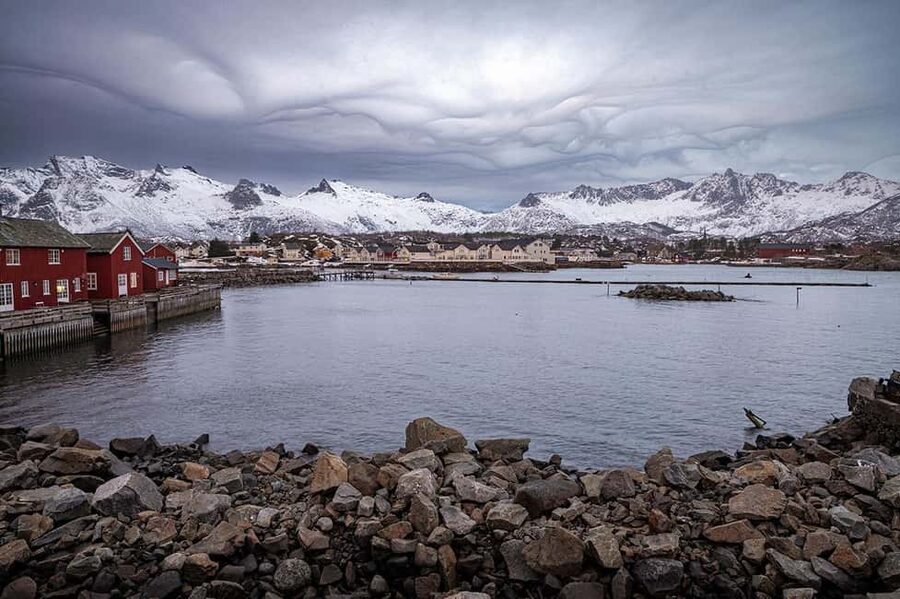
Svinøya is a good place to begin because it introduces the part of Lofoten that still feels most closely tied to the sea. The village has colorful wooden cabins and fishing boats, giving you an immediate sense of the old coastal economy.
The opening walk is short and guided. That matters because the value is not in covering a long distance. It is in learning how generations of fishermen used these shores and how fishing traditions shaped the islands.
You will hear about the working life behind the familiar red and yellow cabins. The buildings are attractive, but the guide helps you see them as part of a practical system rather than mere scenery. The boats, harbor, and cabins belong together.
This is also an early chance to take photographs without rushing straight into a major attraction. I would keep your camera ready, but wear proper shoes. The tour asks you to bring comfortable footwear and comfortable clothing, and that is sensible advice for a coastal walk in changeable weather.
Because Svinøya is close to the meeting point, the tour can begin without a long transfer. You meet outside the reception at Svinøya Rorbuer. Pickup can also be arranged from the Tourist Information Office in Svolvær, Lofoten Rorbuer, or Marina Hotel, but you need to message the provider after booking to organize it.
Lofoten Cathedral and centuries of local faith
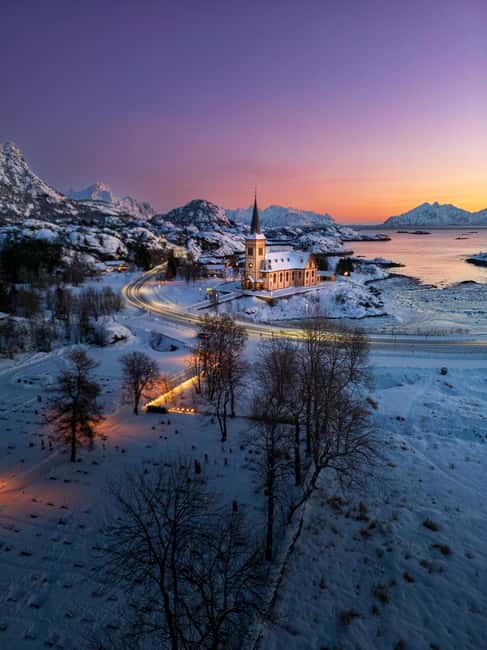
The next major stop is Lofoten Cathedral, a large wooden church that feels striking against the Arctic setting. Inside, you can see wooden carvings and stained glass, with the guide explaining the building’s place in local religious and cultural life.
This stop helps balance the fishing material. Lofoten is not only about boats and harbors. Churches were important gathering places for communities spread across difficult coastal terrain, and this cathedral gives you a look at the beliefs and institutions that shaped village life.
I would not expect a long formal church tour. The supplied details describe a visit inside the building, not a private service or extended architectural lecture. The appeal is the contrast between the church’s crafted interior and the rugged surroundings outside.
Photography may be more limited indoors, depending on the conditions at the time of your visit. The guide can still help you think about lines, timber details, and stained glass, while the exterior gives you a stronger sense of the church’s scale.
Kabelvåg, Viking stories, and wartime Norway
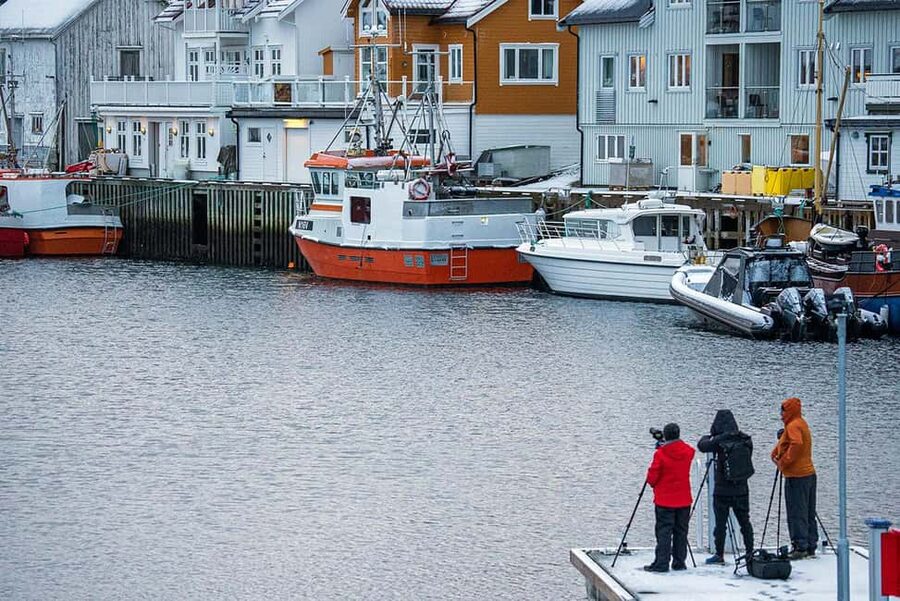
Kabelvåg is one of the most substantial history stops. The village is connected with Viking lore, and the guide explains the Viking past of Lofoten while recounting stories from the sagas.
That makes the visit more useful than a quick photo stop. You are not simply told that Vikings were present in the area. You get the connection between the town and the stories associated with its founding and early life.
The tour also covers Kabelvåg during World War II. You visit key sites and landmarks linked to the Norwegian resistance against Nazi occupation. This gives the day a more serious edge. The fishing villages were not isolated from European events, and the wartime material shows how local communities were caught up in a much larger conflict.
The details provided do not name each wartime site, so you should think of this as a guided overview rather than a specialist military tour. If World War II is your main interest, you may want to ask the guide how much time will be given to that subject at the start of the day.
Still, the combination of Viking and wartime stories is one of the strongest parts of the route. You get a long view of local history, from saga-era settlement to the modern struggle against occupation, in the same town.
Same place, a different kind of shoot:
- Tromsø: Northern Lights Bus Tour with Free Photography
★ 4.5 · 1,642 reviews - Minibus Northern Lights Chase with Photography from Tromsø
★ 5.0 · 865 reviews - Northern Lights Chase with Photography from Tromsø
★ 4.5 · 303 reviews - Svolvær: Reine, Hamnøy, Sakrisøy: Photographer’s Dream Tour
★ 4.7 · 281 reviews
Henningsvær for harbor views and a food break
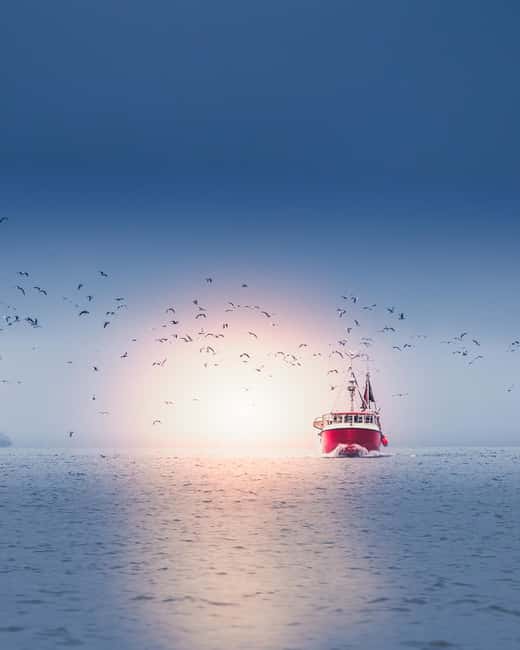
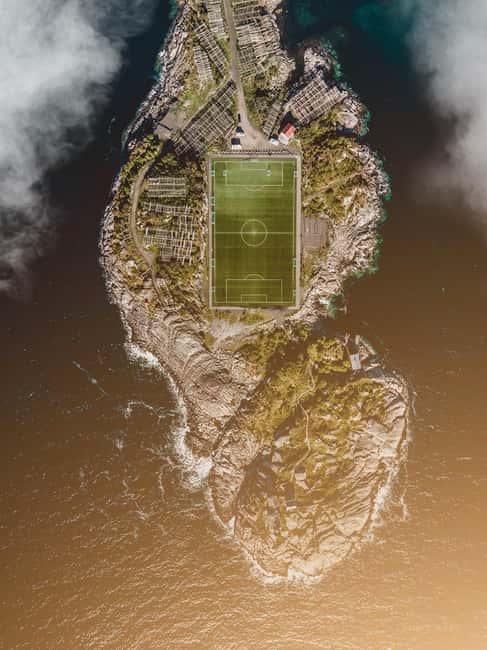
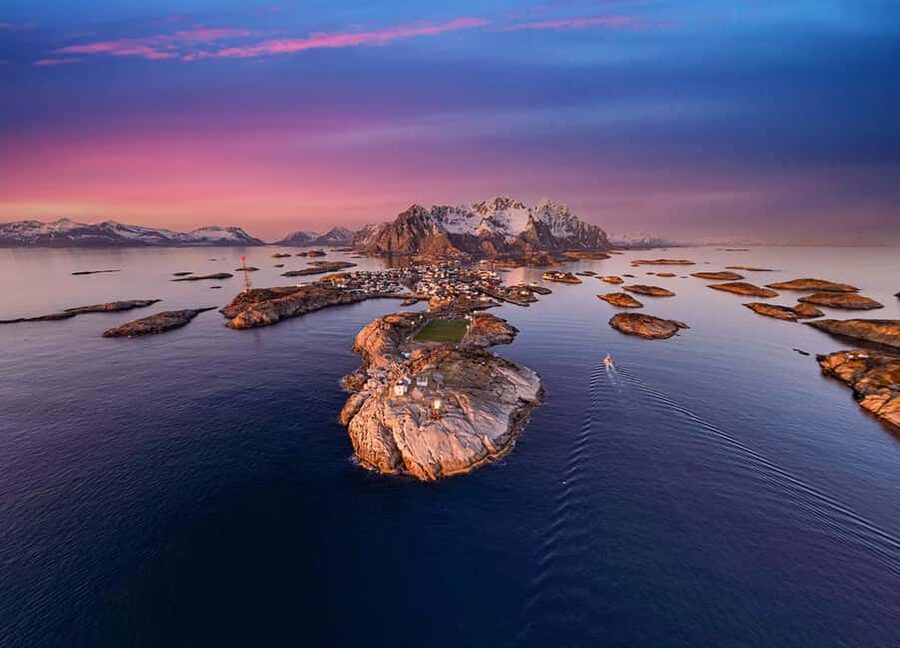
Henningsvær brings you back to the sea. This fishing village sits at the edge of the Norwegian Sea, with a harbor, old warehouses, and colorful streets that make it one of the most recognizable stops in the area.
The village is a good place to pause because it gives you time to look around rather than simply listen from the vehicle. You can explore the harbor front, photograph the buildings, and enjoy the setting before the route continues into the countryside.
There is an opportunity to stop for lunch or coffee here. Food and drinks are not included, so bring a payment method and expect to buy your own refreshments. The stop is useful even if you only want coffee, since five hours is long enough for a break.
The exact amount of free time is not specified. That is worth keeping in mind if you want a full sit-down meal or hope to explore Henningsvær at length. This is a half-day sightseeing tour with several stops, not a dedicated Henningsvær walking tour.
I like the food stop because it makes the pace feel more human. You can warm up, recharge, and continue talking with the guide. On a cold or snowy day, that break may be especially welcome.
Open countryside and the road to Gimsøy
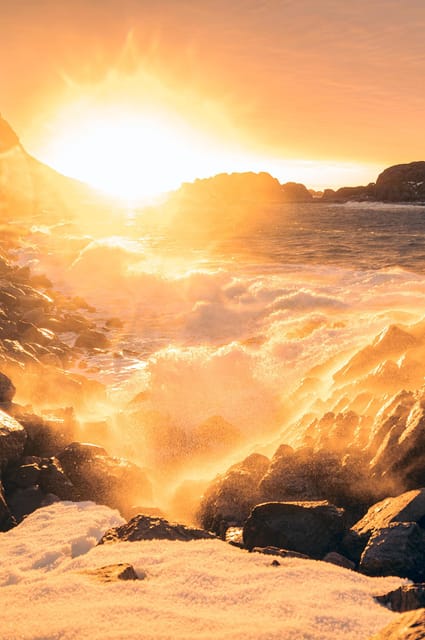
After Henningsvær, the route moves into the more open part of Lofoten. The focus shifts from village streets to coastal scenery, mountains, and the broad Arctic setting.
This is where the photography guide can be particularly useful. Lofoten’s scenery can feel overwhelming, with water, peaks, roads, and sky all competing for attention. A photographer can point out useful viewpoints and help you decide what deserves the frame.
You should still bring realistic expectations. The tour does not promise a specific weather pattern, light, or wildlife sighting. Snow, cloud, rain, and changing conditions are part of the setting. One outing took place in heavy snow, and the warm, clean minibus made a real difference that day.
The route is designed to show you the character of the islands, not guarantee postcard conditions. That is one reason comfortable clothes matter. You will spend time in and around the vehicle, but the stops include walking and outdoor viewing.
Gimsøy Church, a quiet final stop
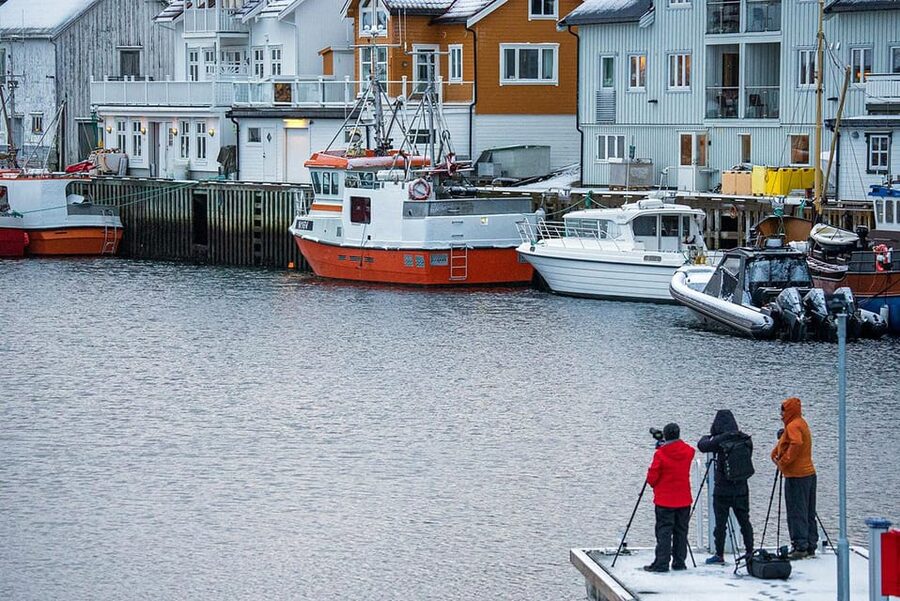
The final stop is Gimsøy Church, a wooden church dating from the 12th century. Set near coastal views and snow-capped mountains, it offers a calmer ending than the busier harbor stops earlier in the day.
The church gives the route a sense of time and continuity. You have already heard about fishing, Vikings, and wartime Norway. Here, the focus turns to an old place of worship that has watched over the area for centuries.
The stop is described as a chance to pause and reflect, and that seems right. It is not presented as a lively attraction with lots of activity. The appeal is the simple wooden building, the quiet setting, and the surrounding coast.
If you prefer nonstop sightseeing, this stop may feel slow. I think that is part of its value. After several history subjects and village visits, a peaceful church in an open setting lets the day breathe.
What the photographer guide adds
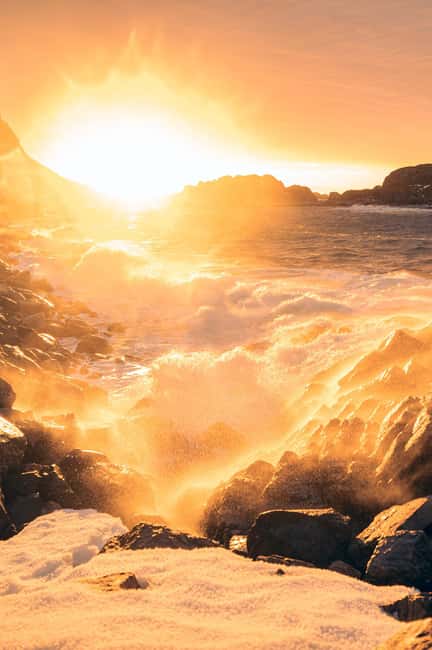
The guide is not only there to point out landmarks. The professional photography background should help you make better use of the stops, especially if you are unsure how to photograph wide mountain views or compact fishing villages.
The experience has been led by guides including Eric and V. Eric is described as offering clear commentary from the back of the vehicle, which is important in a small minibus. A clean, warm vehicle and easy-to-hear narration are practical details that can shape your day more than grand promises do.
The guiding style may vary by person, but the tour is built around live English commentary. You can expect explanations during the drives and at the stops, along with chances to ask questions.
You do not need to be an experienced photographer. The activity is also suitable if you simply want someone to show you strong viewpoints and explain what you are seeing. If you already work seriously with photography, remember that the route still serves a mixed group, so it will not function like a private photo workshop.
Is $152 a fair price?
At $152 per person, this tour costs more than simply renting a car and driving between villages. The comparison is not quite equal, though. You would also need to handle navigation, parking, fuel, weather decisions, and the historical research yourself.
The price includes transportation, a guided tour, and a professional photography guide. The group is limited to eight, which gives the experience a more personal feel than a large bus outing. For visitors staying in Svolvær without a car, those benefits make the price easier to justify.
Lunch and coffee are extra. The tour also does not promise professional photographs as a separate product, so do not book it expecting a package of edited images unless the provider confirms that separately.
I would call it good value for a first visit, especially if you want to combine culture, scenery, and photography in one morning or afternoon. It is less attractive if your main goal is to spend most of the day hiking, eating, or staying in one village.
Practical details for a smooth day
The tour lasts five hours, with starting times based on availability. Check the schedule carefully, particularly if you are fitting it around a ferry, cruise departure, or another timed activity.
Meet outside the reception of Svinøya Rorbuer in Svolvær. Pickup is also available from the Tourist Information Office in Svolvær, Lofoten Rorbuer, or Marina Hotel, but contact the provider after booking to arrange your preferred point.
Wear comfortable shoes and warm, comfortable clothing. Even if the vehicle is warm, the tour includes outdoor stops, and conditions can change quickly in northern Norway.
Free cancellation is available up to 24 hours before the activity for a full refund. You can also reserve now and pay later, which helps if your weather plans are still moving around.
The tour is best for adults and older children who enjoy a mix of driving, short walks, history, and photography. It may not suit you if you want strenuous outdoor activity or long independent visits at each stop.
Should you book the Lofoten history and photo tour?
Book it if you want a compact introduction to Lofoten that goes beyond scenery. The route covers fishing life, Viking stories, World War II, religious history, village architecture, and coastal views, while the small group keeps the day personal.
I would especially recommend it for first-time visitors based in Svolvær, people without a car, and anyone who wants help finding good photo locations. The clean, warm minibus and clear commentary are valuable when the weather turns cold or snowy.
Skip it if you want a slow, specialist visit to only Henningsvær, only Viking history, or only World War II sites. Five hours gives you breadth, not exhaustive detail. For most visitors seeking a well-paced overview with a strong local-history angle, the $152 price is justified.
FAQ
How long does the Lofoten history and photo tour last?
The tour lasts five hours.
Where does the tour meet?
The main meeting point is outside the reception of Svinøya Rorbuer in Svolvær.
Can I arrange pickup from another location in Svolvær?
Yes. Pickup can be arranged from the Tourist Information Office in Svolvær, Lofoten Rorbuer, or Marina Hotel. Send a message after booking to organize it.
What language is the tour conducted in?
The live tour guide speaks English.
How many people are in the group?
The tour is limited to eight participants.
Are lunch and drinks included?
No. There is an opportunity to stop for lunch or coffee in Henningsvær, but food and drinks are not included in the price.
What should I bring?
Bring comfortable shoes and comfortable clothing. The tour includes outdoor stops in coastal conditions.
More Heritage Tours in Norway
- Rome: Vespa Photo Tour with Historic City Highlights
★ 5.0 · 395 reviews - Hanbok Photoshoot and History Tour at Gyeongbokgung Palace
★ 5.0 · 276 reviews - Fuerteventura: PANORAMA GRAND TOUR 2in1 Historic & photo tour.
★ 4.5 · 237 reviews - Beacon Hill Boston History + Photo Walking Tour (SMALL Group)
★ 5.0 · 163 reviews
Just added around Norway
- Longyearbyen: Wildlife Safari & Hiking Photography Tour★ 4.4 · 27 reviews
- Lofoten: Chinese speaking photo tour – Svolvær to Å★ 4.8 · 39 reviews
- Henningsvær: Northern Lights Tour with Photographer★ 4.4 · 2 reviews
- From Svolvær: Midnight sun tour with a photographer★ 4.1 · 3 reviews
- From Svolvaer: 2- Day Lofoten Highlights Photo Tour★ 5.0 · 8 reviews
- From Longyearbyen: Pyramiden Private Photo Tour w/ Transfer★ 4.1 · 13 reviews
- Lofoten: Northern Lights Tour with Photographer★ 4.8 · 28 reviews
- 3-Day Lofoten Top Highlights Photo Tour★ 5.0 · 2 reviews
Photography Tours, compared.

Rhodes: E-bike Highlights Sunset or Morning Photo Tour
Read our review →
Browse the lists this tour appears in