
REVIEW · JAPAN
Kobe History & Photo Tour to Capture the Scenery and Cityscape
Kobe’s appeal comes from the way its foreign trading past sits beside shrines, fashion shops, red-brick warehouses, and a working port. This private tour connects those pieces in one half-day route, from the hillside Kitano district down to the waterfront.
I like the chance to photograph both polished architecture and everyday city scenes, especially at Kitano Tenmangu Shrine and the BE KOBE monument. I also like the private format, which gives your group room to ask questions and adjust the pace. The main catch is the amount of walking, plus the fact that food and most admission costs are extra.
Key points to know before booking
- Eight contrasting stops: Move from a historic Starbucks and German-style mansion to a shrine, shopping street, park, port, and brick warehouses.
- A useful city orientation: The route begins at Sannomiya Station and finishes near Kobe Station, helping you cover a broad stretch of central Kobe.
- Strong photo opportunities: Kitano Tenmangu offers a hilltop city view, while Meriken Park provides the famous BE KOBE sign and waterfront backdrops.
- Private guiding: Only your group takes part, so you can ask for help with photos, background, and route adjustments.
- English-language support: Toru has been praised for excellent English and clear local explanation.
- Plan for extra costs: The listed estimate is about 500 yen per person for admission, while meals and other purchases are paid separately.
Why this Kobe route works
Kobe is easy to misunderstand if you only see the harbor. The port is the city’s public face, but the character of Kobe also comes from its hillside foreign residences, old commercial streets, religious sites, and post-earthquake renewal.
This four-hour-30-minute route gives you a broad look rather than a slow visit to one museum. You will not have unlimited time at each stop, but you will see how the city fits together. The route also moves from Sannomiya Station to Kobe Station, so you finish in a different part of town instead of returning to the start.
The private setup matters here. You can ask your guide why Kobe’s buildings look different from those in other Japanese cities, request help framing a photo, or spend a little less time at a stop that does not interest you. The guide’s expenses are included, but your own transportation, admission fees, food, and drinks are not.
The price is $90.14 per person. That is fair if you value a private guide, an organized route, and local context across several neighborhoods. It is less appealing if you are happy to follow a free walking route on your own and use public transport. The tour’s estimated extra cost is 500 yen per person, mainly for admission, but the meal mentioned in the route is not included.
More Photography Tours in Japan
- Tokyo Cyberpunk Street Photo Tour
★ 5.0 · 165 reviews - Tokyo by Night Photography Tour (Private Option Available)
★ 5.0 · 151 reviews - Tokyo Shinjuku Night Photo Tour with Pro Gota
★ 5.0 · 142 reviews
Starting in Kitano at the historic Starbucks
The meeting point is outside Sannomiya Station, a practical central location with good public transport connections. From there, the tour heads toward Kitano Ijinkan-gai, the hillside district known for Western-style residences built during Kobe’s years as an international port.
The first stop is the Starbucks Coffee Kobe Kitano Ijinkan. This is not just a quick coffee break. The branch occupies a historic-style building whose design fits the surrounding streets, making it a useful introduction to Kitano’s mix of commerce and preserved architecture.
You have about 10 minutes here, and admission is free. That short visit is best used for exterior photos and a quick look at the building rather than a long café stop. If you want a drink, budget for it yourself.
Weathercock House and Kobe’s foreign residences
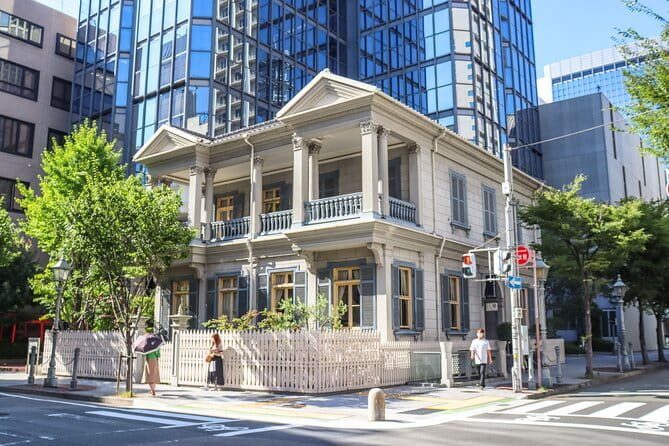
Next comes Kazamidori no Yakata, usually called Weathercock House. Its classical German design and red brick make it one of Kobe’s most recognizable historic buildings.
The 30-minute visit gives you a better sense of how foreign residents lived in the district. Exhibits inside show aspects of domestic life from the period, adding context to the handsome exterior. The building is not simply a photo backdrop, although photography is a major reason to come.
Admission is not included, so this is part of the extra cost. Ask your guide how much time is available inside before paying, especially if you prefer street photography to museum displays. Kitano’s streets can also include slopes and stairs, so comfortable shoes are important from the start.
Climbing to Kitano Tenmangu Shrine
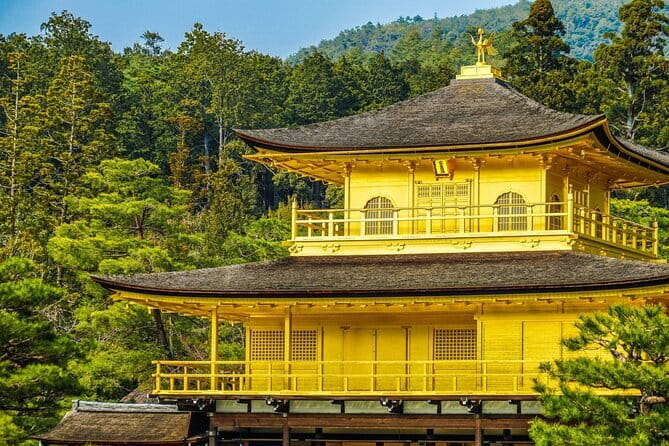
Kobe Kitano Tenmangu Shrine adds a distinctly Japanese note to a morning otherwise focused on Western architecture. The shrine was founded in 1180 by Taira no Kiyomori and is dedicated to Sugawara no Michizane, a figure associated with learning.
The climb up the steep stairs is brief but noticeable. The reward is a view toward central Kobe and the Port of Kobe. This is one of the better places on the route for a photo that combines a traditional shrine setting with the modern city below.
You have about 15 minutes, so this is a viewpoint stop rather than a long religious-site visit. If stairs are difficult for you, ask about the pace before the tour begins. The route is described as suitable for most people, but the walking and incline should not be dismissed.
Same place, a different kind of shoot:
- Tokyo: Asakusa and Skytree Go-Kart Tour and Photo Shoot
★ 4.6 · 721 reviews - Tokyo: Kimono Dressing, Walking, and Photography Session
★ 4.9 · 427 reviews - Osaka: Sumo Stage Show with Bento or Snack + Fight & Photo
★ 4.3 · 364 reviews - Tokyo Ryogoku Sumo Morning Practice + Photo Shoot with Wrestlers
★ 4.5 · 277 reviews
The Former Foreign Settlement downtown
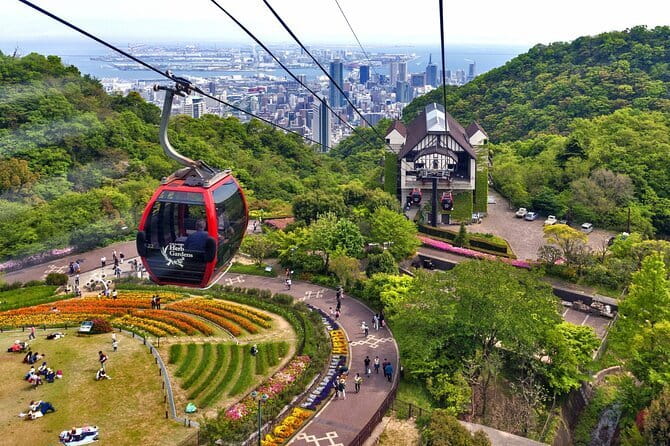
The route then moves to the Former Foreign Settlement of Kobe, where grand Western-style buildings reflect the city’s development through overseas trade. The district has a polished, formal feel, with large facades that are often used for wedding photography and fashion shoots.
I like this section because it gives you a different version of Kobe from Kitano. Kitano feels residential and hillside-oriented, while the Former Foreign Settlement feels planned, commercial, and urban. The 20-minute stop is enough to photograph the architecture and hear how foreign trade shaped the city.
Do not expect a full museum visit here. This is an outdoor walking section, and the value comes from the buildings, street views, and explanation from your guide. It works especially well if you enjoy architectural details and clean city compositions.
Otsunaka Street’s old buildings and new shops
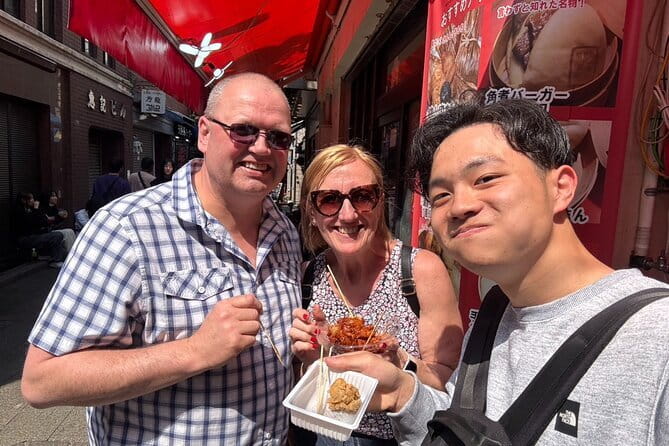
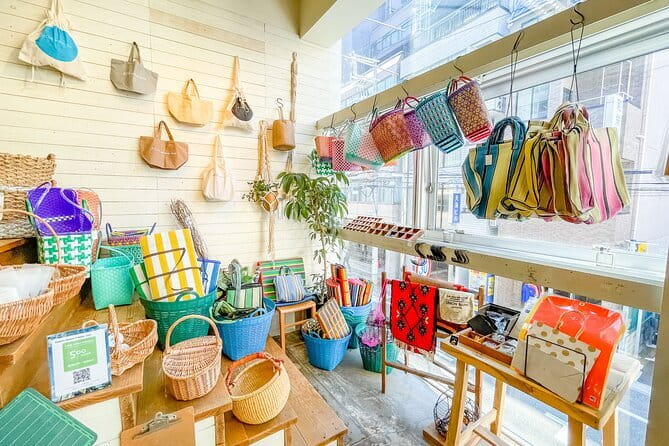
Otsunaka Street brings the route down to street-level Kobe. The east-west road is about 800 meters long and lined with older buildings that now hold apparel shops, general stores, and cafés.
This is one of the more relaxed parts of the experience. The architecture has a retro feel, but the businesses give the street a current, local rhythm. Compared with Kitano’s foreign residences or Meriken Park’s open waterfront, Otsunaka Street shows how older buildings continue to serve daily life.
The scheduled 40 minutes is generous enough for photos and a little browsing. Purchases are not included, naturally, and the tour does not promise a dedicated shopping stop. Think of this as a chance to see Kobe’s changing commercial side, not a shopping excursion.
Meriken Park and the BE KOBE photo stop
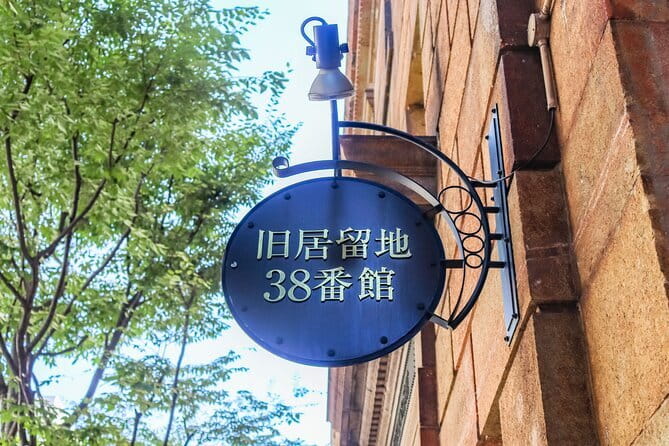
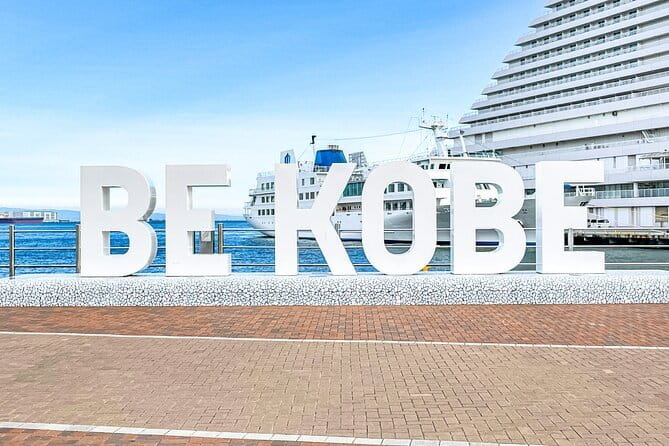
Meriken Park is the route’s clearest waterfront photo location. The park contains the BE KOBE monument along with other objects designed for artistic photos, giving you easy opportunities for group pictures and city backdrops.
The 20-minute stop is short, so have your camera ready. You can photograph the sign, the port, and the surrounding public art without needing to plan the location yourself. Your guide can also help organize group photos, a small but useful benefit of a private tour.
The park represents modern Kobe, including the city’s effort to create attractive public spaces along the water after difficult periods in its past. It is open, photogenic, and simple to enjoy, though the best experience depends on weather and light. On a rainy day, the operator may change the route, destinations, or transportation method.
Kobe Harborland, Port Tower, and lunch plans
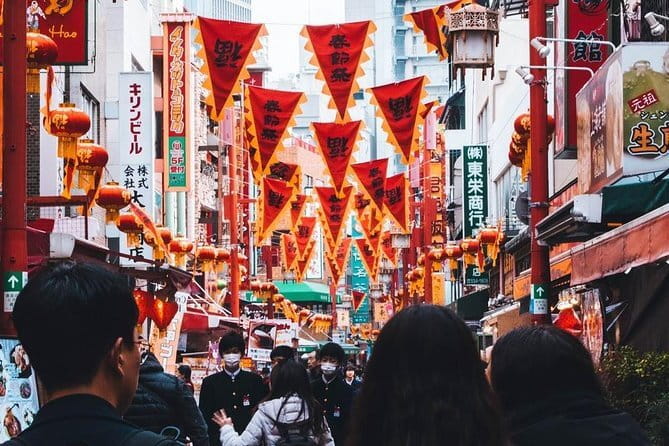
Kobe Harborland is the final major district on the route. Located west of Kobe Port, it provides views toward Kobe Port Tower, cruise ships, and the old brick warehouses associated with the port’s commercial era.
The route allows about 15 minutes here, which is enough to take in the waterfront and orient yourself around the area. The description also points to a Kobe-style meal with a port view, but the practical details need care: the tour does not include dining, and food costs are yours to pay.
In other words, you may be able to eat at Harborland, but this is not a prepaid restaurant reservation or a formal food tour. Ask your guide what is realistic during the schedule. If lunch matters to you, you may prefer to continue independently after the tour and choose a longer meal near the end point.
Kobe Brick Warehouse and the finish at Kobe Station
Kobe Brick Warehouse consists of restored red-brick buildings that once served the port during its busiest trading period. Today, the buildings contain commercial spaces and make attractive final photo subjects.
The planned visit is about 10 minutes. That is enough for exterior pictures, but not necessarily enough for extended shopping or a leisurely meal. The red brick gives you one last visual link between Kobe’s trading past and its present waterfront use.
The tour finishes near JR Kobe Station, at Aioichō in Chuo Ward. Since the end point differs from the start at Sannomiya Station, this route can save you the trouble of retracing your steps. If you would rather finish elsewhere, tell the guide in advance or at the beginning, since the end point may be changed by arrangement.
Walking, weather, and the real pace
The schedule adds up to roughly 160 minutes of listed stops, leaving the rest of the four-and-a-half-hour duration for walking, transitions, and explanations. That means this is an active city tour, not a vehicle-based sightseeing loop.
You should wear comfortable clothing and shoes. The route includes Kitano’s slopes, the stairs at Kitano Tenmangu, and substantial movement between districts. Most people can participate, but the pace may feel demanding if you prefer very short walks or long indoor visits.
Weather can affect the day. The operator may change destinations, routes, or transport if conditions are poor, and temporary closures can also lead to substitute stops. Keep some flexibility in your expectations, particularly if your main goal is a specific outdoor photo.
What the guide adds
A private guide is most useful on a route like this because the stops are varied but brief. Without context, Weathercock House is simply a striking brick building, the Former Foreign Settlement is a collection of handsome facades, and the waterfront is a series of photo spots. A good guide connects them to Kobe’s port development, foreign trade, religious traditions, and modern rebuilding.
Toru is specifically noted for excellent English and strong knowledge of Kobe. That makes this tour a good option if you want clear explanations rather than relying on signs or translation apps. Since only your group participates, you can ask for more detail about architecture, photography, or the history behind the port.
The quality of a private tour depends heavily on the guide you receive, so the provider is OTOMO Travel Guide and Toru’s name is worth requesting if possible. The booking confirmation is sent within 48 hours, subject to availability.
Who should book this tour
I would choose this tour if you have one day in Kobe and want a broad introduction without planning several separate visits. It suits first-time visitors, photographers, couples, families who prefer a private format, and anyone interested in how Japanese and foreign influences meet in one city.
It is also a good match for people who like moving between neighborhoods. You get architecture, a shrine, shopping streets, public art, port views, and historic warehouses in a single outing.
I would hesitate if you want a slow museum tour, a dedicated food experience, or a mostly vehicle-based route. The tour does not include meals, and the Harborland lunch reference should not be treated as a guaranteed dining arrangement. You also pay for admission and personal expenses, and the day involves plenty of walking.
Should you book the Kobe History and Photo Tour?
Book it if you want private guidance, varied photo stops, and a practical overview of central Kobe in half a day. The route gives you more than the harbor alone, and the finish near Kobe Station is convenient for continuing your plans.
Skip it if you already know Kitano, the Former Foreign Settlement, and the waterfront well, or if you want to spend most of your time eating and shopping. For a first look at Kobe, though, the combination of hillside views, foreign architecture, shrine steps, retro streets, and port scenery offers good value for the price, especially when clear English guidance and a private group are important to you.
FAQ
How long does the Kobe photo tour last?
The tour lasts approximately four hours and 30 minutes.
Where does the tour start?
It starts at Sannomiya Station in Nunobikichō, Chuo Ward, Kobe.
Where does the tour finish?
It finishes near JR Kobe Station in Aioichō, Chuo Ward, Kobe.
Is this a private tour?
Yes. Only your group participates in the activity.
Is transportation included?
The guide’s necessary expenses are included, but transportation costs you incur during the tour are paid by you. The estimated transportation cost listed for the tour is 0 yen per person.
Are entrance fees included?
The estimated admission cost is 500 yen per person, and entrance fees are not included in the tour price.
Is a meal included?
No. Food and drinks are not included, and the tour does not include a dining spot. Any meal at or near Kobe Harborland is paid for separately.
Can the route change because of weather or closures?
Yes. Destinations, routes, and transportation may change in bad weather, and temporary closures may lead to alternative stops.
More Heritage Tours in Japan
- Tokyo: Customized Private Historical Guided Photoshoot Tour
★ 5.0 · 25 reviews - Tokyo: Private Nikko World Heritage Instagramable Day Tour
★ 4.9 · 10 reviews - Tokyo: Shinjuku & Shibuya historical guided photoshoot Tour
★ 5.0 · 2 reviews - Rome: Vespa Photo Tour with Historic City Highlights
★ 5.0 · 395 reviews
Just added around Japan
- Traditional Japanese Costumes “Kimono”, “Yukata”, “Ryuso”, “Photograph Course “Hair Set & Lipstick & Kimono & Photography”★ 5.0 · 17 reviews
- Tokyo Kichijoji Twilight: Explore Instagram-Worthy Hidden Spots★ 5.0 · 4 reviews
- Private photo shoot & walk in Kyoto – Professional photo shoot★ 5.0 · 20 reviews
- A Privately Guided Photoshoot in Beautiful Kyoto by a Pro★ 5.0 · 18 reviews
- Tea Ceremony with Kimono and Professional Photoshoot in Kyoto★ 5.0 · 44 reviews
- Exclusive Gion Kyoto Photoshoot: A Private Experience★ 5.0 · 11 reviews
- Private Photography Tour in Kyoto★ 5.0 · 2 reviews
- Kyoto One-day Taxi Tour by Licenced Guide Photographer 8 pax★ 5.0 · 2 reviews
Photography Tours, compared.

Rhodes: E-bike Highlights Sunset or Morning Photo Tour
Read our review →
Browse the lists this tour appears in