
REVIEW · KYOTO
Kyoto Tea Ceremony and Samurai Photo Session
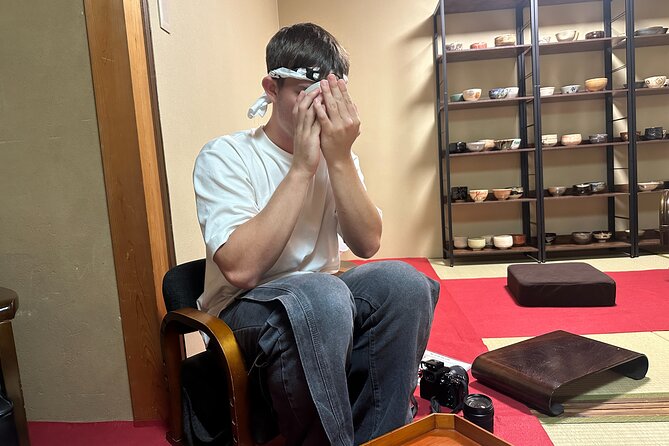
Kyoto tea culture becomes much more personal when you make the matcha yourself. In a 100-year-old machiya, you learn the basic ceremony, taste seasonal wagashi, prepare a modern matcha latte, and finish by posing in samurai armor.
I like the mix of quiet tradition and hands-on fun. I also like the small group size, capped at 10, and Maya’s friendly, clear English explanations. The main thing to consider is timing: the core tea session is described as about 50 minutes, while the full activity is listed at roughly 1 hour 20 minutes, so this is a compact introduction rather than a long formal ceremony.
Key points to know
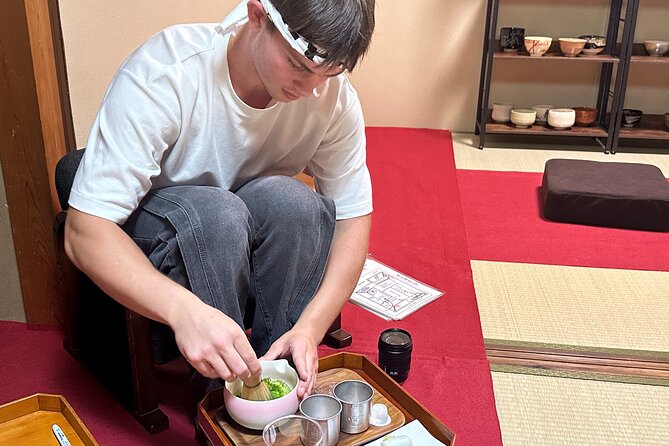
- Historic setting: The session takes place inside a 100-year-old Kyoto machiya.
- You make the tea: This is participatory, with traditional matcha preparation rather than simple observation.
- Two matcha styles: You prepare both traditional matcha and a creamy Kyoto-style matcha latte.
- Seasonal wagashi: Traditional Japanese sweets are served with the tea.
- Samurai photographs: You can put on authentic samurai armor for photos at the end.
- Small-group format: The maximum is 10 people, with Maya often leading the lesson in clear English.
A short tea lesson in a Kyoto machiya
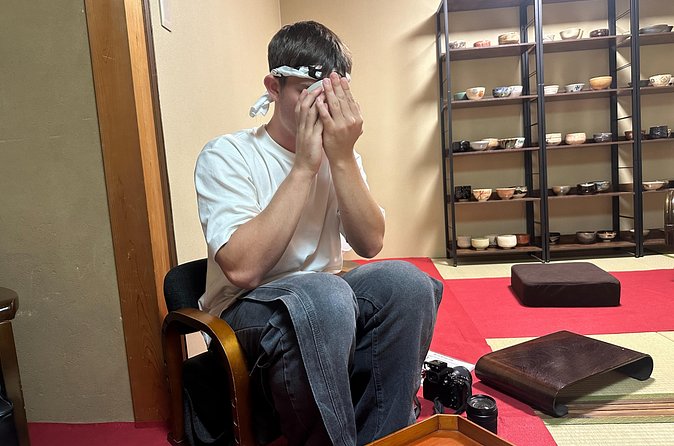
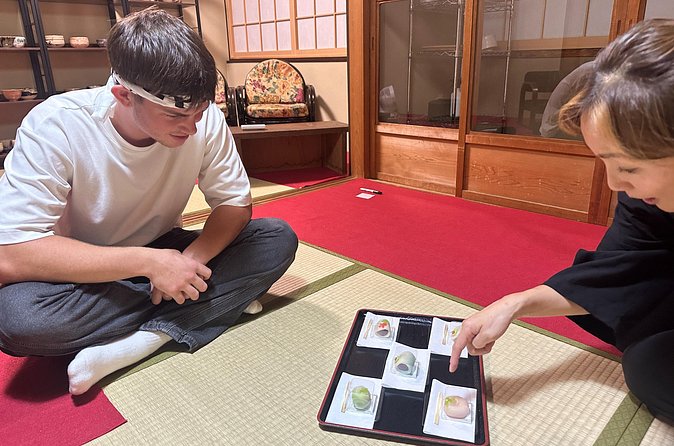
The setting does much of the work. A machiya is a traditional Kyoto townhouse, and this one is about 100 years old. You are not sitting in a modern classroom or a large tourist theater. The older house gives the lesson a sense of place, even though the format remains relaxed and accessible.
That balance matters. A formal tea ceremony can feel difficult to enter if you do not know the etiquette. Here, the session is designed for beginners and curious first-timers. Maya explains the background before asking you to try anything, so you can understand what you are doing instead of simply copying a series of motions.
The setting also helps explain why tea ceremony is about more than a drink. The lesson touches on mindfulness, history, and the idea of paying attention to one moment. You will not become a tea master in under two hours, but you will gain a useful introduction to the care and calm behind the ritual.
The location is near public transportation, and the starting point is Samurai Gyoza Factory Kyoto at 230-1 Kamimyōkakujichō in Nakagyo Ward. The activity returns to the same meeting point, which keeps the logistics simple.
More Costume Photoshoots in Japan
- Kyoto: Maiko Makeover and Photoshoot Experience
★ 4.7 · 239 reviews - Kyoto: 2-Hour Maiko Makeover and Photo Studio Shoot
★ 4.7 · 117 reviews - Kyoto: Tea Ceremony with Kimono and Photoshoot
★ 4.9 · 90 reviews
Maya’s friendly approach makes the ritual easy to follow
Maya is the named instructor associated with the experience, and her teaching style is one of its strongest features. She explains the history of tea ceremony in English, demonstrates the process, and then encourages you to try it yourself.
That order is important. You first see how the preparation works, then handle the tools and make your own matcha. The tone is not stiff. Maya is described as funny, patient, cheerful, and helpful, which should make the session comfortable for people who worry about getting the movements wrong.
I especially like that the instruction does not treat mistakes as a problem. The aim is to understand the process and enjoy it. If you have never whisked matcha before, you can expect clear guidance rather than a test of Japanese etiquette.
The language support is another practical advantage. English is spoken well enough to explain both the steps and the cultural background. That makes this a stronger choice for visitors who want context, not just a quick cup of green tea and a photo.
Making traditional matcha, one bowl at a time
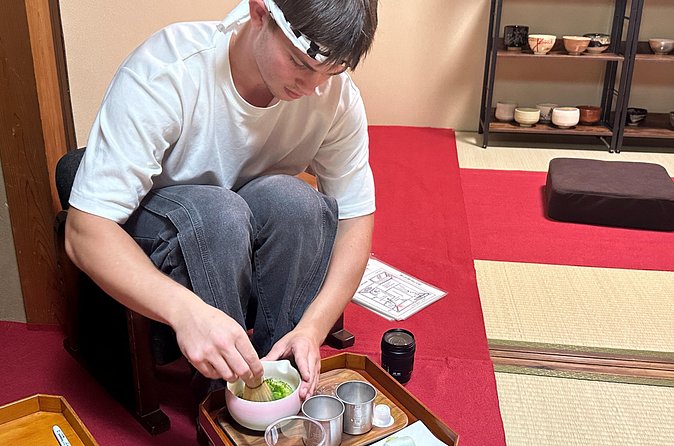
The central activity is preparing your own matcha. You learn how to make the tea in the traditional way, following Maya’s demonstration and guidance.
The matcha itself is described as high quality, and that is worth noting. Powdered green tea can vary greatly in taste, especially for first-timers. Good matcha should make the lesson more rewarding, since you are tasting the result of your own work rather than drinking an ordinary café beverage.
You also receive seasonal wagashi, the small traditional sweets served with Japanese tea. Wagashi are not just sugary snacks. Their shapes, colors, and ingredients often reflect the season, and their sweetness balances the bitterness of matcha.
This pairing gives the lesson a simple rhythm: prepare the tea, taste the sweet, and notice how the flavors work together. You do not need a trained palate to enjoy it. The instructor’s explanations help you understand why the sweet is part of the tea experience.
If you prefer a relaxed cultural activity over a long museum visit, this section delivers plenty in a short time. It is hands-on, tasty, and easy to remember.
The matcha latte adds a modern Kyoto touch
After the traditional preparation, you also make a matcha latte. This is a smart addition because it connects an old tea custom with the way many people already enjoy matcha today.
The latte is described as creamy and Kyoto-style. You take part in making it, rather than simply receiving one at the end. An at-home recipe is also provided, giving you a practical reminder of the class after you leave Kyoto.
I like this two-part structure. Traditional matcha can be an acquired taste, especially if you are not used to its earthy bitterness. The latte offers a softer, more familiar option without replacing the traditional bowl. You get to compare the two forms and decide which one suits you.
The modern portion also makes the experience appealing to a wider group. Tea lovers can focus on the quality and method, while casual visitors may find the latte easier to enjoy. Families and groups of friends may appreciate having both a cultural lesson and a simple cooking-style activity in the same session.
More Costume Photoshoots in Kyoto
- Kyoto Gion Kiyomizudera Kimono Yukata Hairstyle | Photoshoot
★ 4.9 · 55 reviews - Kyoto kiyomizu Temple : Maiko and Samurai Couple Photoshoot
★ 4.8 · 25 reviews - Kyoto Kimono Professional Photoshoot
★ 4.0 · 10 reviews - Kyoto : Maiko Makeover stroll and photo shoot experience
★ 3.9 · 9 reviews
Samurai armor turns the final minutes into a photo session
The experience ends with a distinctly different activity: you can wear authentic samurai armor and take photos.
This is not the same quiet mood as the tea ceremony, and that contrast is part of the appeal. You begin with calm movements, seasonal sweets, and the idea of mindfulness. You finish with a strong visual link to Japan’s samurai past.
The armor provides more than a standard souvenir photograph. It gives you something concrete to do after the tea lesson, and it helps mark the occasion. If you are visiting Kyoto with friends, this will likely be one of the most playful parts of the session. It also creates useful photos for people who want a visual memory beyond a cup of matcha.
The available information does not specify how long the armor portion lasts or how many different poses are offered. Keep your expectations practical: this is a photo opportunity within a tea experience, not a full samurai training class or a long costume workshop.
How the timing affects the experience
The main description presents the cultural portion as about 50 minutes, while the overall duration is listed at approximately 1 hour 20 minutes. The difference likely reflects the tea lesson, latte preparation, photographs, and transitions, but the exact split is not given.
That makes this best for a busy Kyoto day. You can fit it between sightseeing stops without giving up half a day. The trade-off is depth. You will receive an introduction to tea ceremony, not an extended formal performance with lengthy instruction.
The small group limit of 10 helps keep the activity more personal. You should have a better chance to see the demonstration, ask questions, and get guidance while making your own tea. It is still a group activity, so the pace may be shared with other participants.
The session is booked, on average, 72 days ahead. That suggests you should reserve early if the date matters, especially during a popular Kyoto season. The ticket is mobile, so you do not need to arrange a paper voucher.
Is the $71.74 price fair?
At $71.74 per person, this is not the cheapest way to taste matcha in Kyoto. You could find a simple tea and sweet for much less. But that comparison misses what you are paying for here.
The price includes instruction, cultural background, your own traditional matcha preparation, seasonal wagashi, a matcha latte activity, and samurai armor photographs. It also includes the atmosphere of an old machiya and the help of an English-speaking instructor.
I see the best value for people who want several small Kyoto experiences in one booking. You receive food, a practical lesson, a cultural explanation, and a memorable photo session. If you only want to drink matcha, the price will feel high. If you want to understand the ritual and participate in it, the cost is easier to justify.
The certificate mentioned by one participant is not listed as a standard feature in the tour details, so I would not book this expecting one. Focus on the tea lesson, latte recipe, sweets, and photographs when judging the value.
Who will enjoy this most?
This is a good choice for first-time visitors who want an easy introduction to Japanese tea culture. You do not need previous knowledge, special clothing, or experience with a tea ceremony.
It also suits:
- Friends who want an activity that is both cultural and playful
- Couples looking for distinctive Kyoto photographs
- Tea drinkers interested in traditional preparation
- Visitors who prefer a short activity with a clear beginning and end
- People who enjoy learning a recipe they can try at home
- Anyone who wants English-language instruction
You might choose something else if you want a lengthy, highly formal ceremony with strict etiquette and extended quiet time. The latte-making and armor photos make this more approachable, but they also give it a lighter, more entertainment-focused feel.
The experience may also be less appealing if you dislike powdered green tea, although the latte and wagashi provide a gentler introduction. The available information does not state dietary substitutions, so you should ask the provider directly if the sweets are a concern.
Practical details before you book
The meeting point is Samurai Gyoza Factory Kyoto, 230-1 Kamimyōkakujichō, Nakagyo Ward, Kyoto, 604-0025, Japan. The activity ends at that same location.
Confirmation is provided when you book, and the ticket is mobile. Since the site is near public transportation, you can plan it without arranging a private transfer. The maximum group size is 10 people.
Free cancellation is available if you cancel at least 24 hours before the local start time. Canceling or changing the booking less than 24 hours before the start is not accepted for a refund.
The provider is Japan food entertainment Ltd. I would allow a little extra time to find the meeting point, particularly if you are coming from another Kyoto sight and are relying on public transportation.
Should you book the Kyoto tea ceremony and samurai photo session?
I would book it if you want an approachable, compact way to connect with Kyoto culture. The strongest combination is the old machiya, Maya’s clear instruction, hands-on matcha preparation, seasonal wagashi, and the chance to make a latte you can recreate at home.
The samurai armor photos give the session a fun finish, but the tea lesson is the real reason to go. At $71.74, it makes the most sense when you value participation and explanation rather than simply buying a drink.
Book this experience if you want tradition with a modern edge and a little humor. Skip it if you are seeking a long, solemn ceremony with no photo or latte element.
FAQ
Where does the tea ceremony and samurai photo session take place?
It starts at Samurai Gyoza Factory Kyoto, 230-1 Kamimyōkakujichō, Nakagyo Ward, Kyoto, 604-0025, Japan.
Where does the activity end?
The activity ends back at the meeting point.
How long does the experience last?
The overall activity lasts approximately 1 hour 20 minutes. The main tea ceremony portion is described as about 50 minutes.
How many people can join the experience?
The maximum group size is 10 people.
Is the activity available by mobile ticket?
Yes. A mobile ticket is provided.
Do I make my own matcha?
Yes. You learn the traditional method and make your own matcha with guidance from the instructor.
Is a matcha latte included?
Yes. You also prepare a Kyoto-style matcha latte, and a recipe is provided for making it at home.
Are sweets included?
Yes. Seasonal wagashi, traditional Japanese sweets, are served during the tea experience.
Can I cancel for a full refund?
Yes, if you cancel at least 24 hours before the experience start time. Cancellations or changes made less than 24 hours before the start are not refunded.
Just added around Kyoto
- Kyoto: Private Photoshoot Experience in Arashiyama Bamboo★ 4.9 · 55 reviews
- Kyoto: Private romantic photoshoot for couples★ 5.0 · 4 reviews
- Kyoto:Private Tour/Luxury Vehicle with Guide & photographer★ 4.8 · 35 reviews
- Kyoto: Photo Shoot with a Private Vacation Photographer★ 5.0 · 8 reviews
- Kyoto : Maiko Makeover stroll and photo shoot experience★ 3.9 · 9 reviews
- Kyoto: Private Photoshoot in Arashiyama, Bamboo Forest★ 5.0 · 2 reviews
- Kyoto kiyomizu Temple : Maiko and Samurai Couple Photoshoot★ 4.8 · 25 reviews
- Kyoto kiyomizu Temple : Maiko and Samurai Family Photoshoot★ 5.0 · 2 reviews
Kimono & Costume Photoshoots, compared.
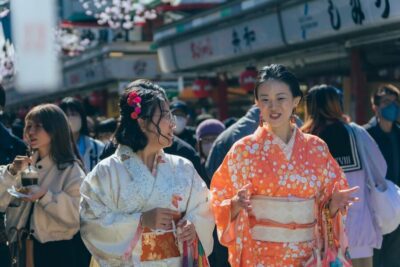
Kimono Dressing, Walking, and Photography Session
Read our review →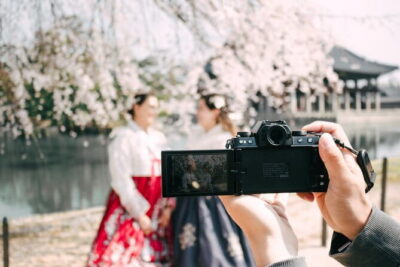
Hanbok Photoshoot and History Tour at Gyeongbokgung Palace
Read our review →

Witch Costume Photo Shoot – Olde Salem Village theatrical set
Read our review →
Witch Costume Photo Shoot – Witch Cottage theatrical set
Read our review →
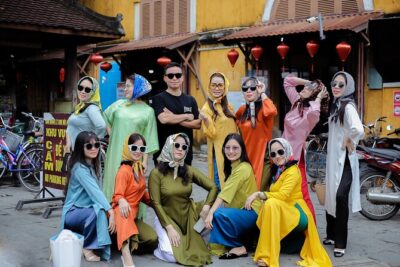
Professional Photography Tour Optional Ao Dai Dress in Hoi An
Read our review →Browse the lists this tour appears in