
REVIEW · KYOTO
Kyoto: Tea Ceremony with Kimono and Photoshoot
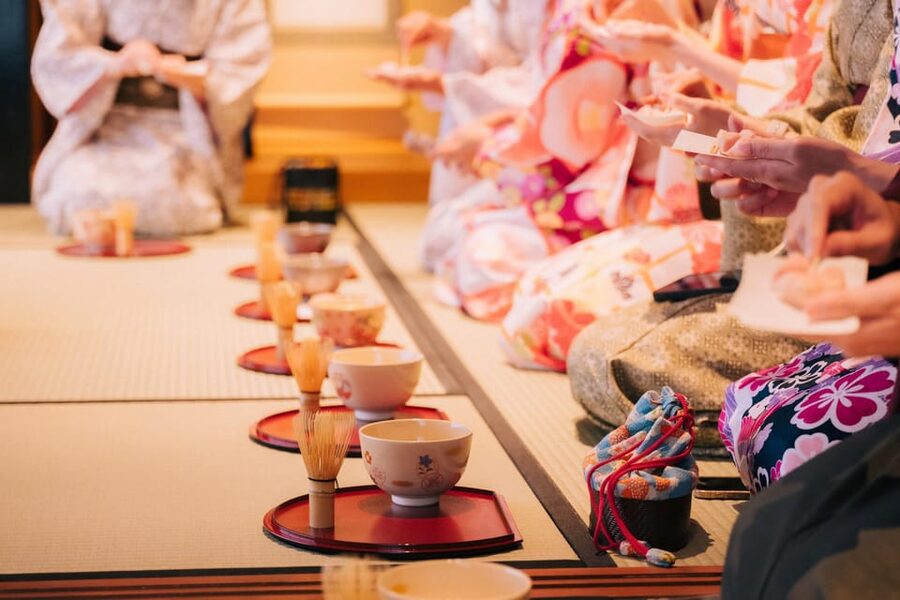
A kimono fitting, a calm tea ritual, matcha made by your own hands, and three professional photos give this Kyoto experience more substance than a simple dress-up stop. The tea master explains the ceremony in English, so you understand the gestures rather than just watching them.
I like the small group of up to 10 and the chance to choose a kimono color and, for women, hair accessories. I also like the freedom to go outside afterward for more pictures. The main catch is timing: a late arrival of more than 10 minutes means no entry and no refund, and one booking may involve a wait before the ceremony begins.
Key points at a glance
- Choose between Gion and Nishiki Market: Select the correct shop when booking, since you cannot use the other location.
- Wear a real kimono for the experience: Staff dress you and help with the finishing touches before the ceremony.
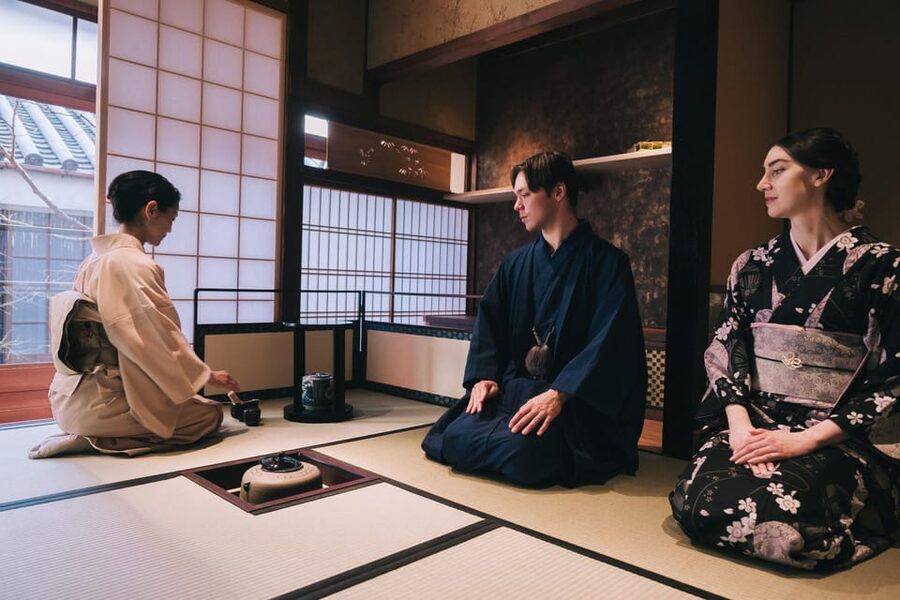
- Learn the meaning behind the ritual: An English-speaking tea master explains the cleansing, preparation, and customs.
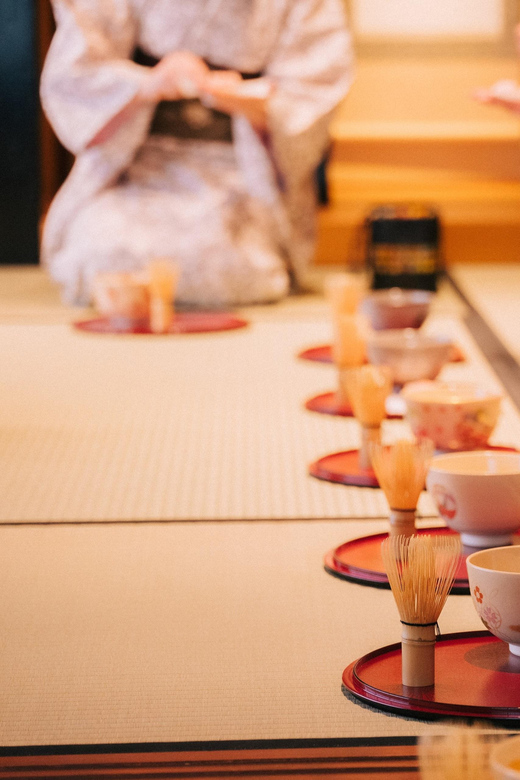
- Prepare your own matcha: You make green tea and enjoy it with Japanese sweets.
- Leave with three professional photos: Staff photograph you during the experience and send the selected images afterward.
- Keep the kimono on after the ceremony: You may stroll around Kyoto, but return times differ by location.
A Kyoto tea ceremony with more than a costume change
Kyoto offers plenty of kimono rental shops, but this 90-minute activity adds a cultural lesson to the outfit. You are not only fitted with traditional clothing, posed for pictures, and sent on your way. You also enter a tea room, watch a full demonstration in English, and prepare matcha yourself.
That combination is the main reason I find the experience worthwhile. The clothing gives you a visual connection to old Kyoto, while the tea ceremony explains the manners and movements that make the ritual meaningful.
The tone is relaxed rather than severe. Staff guide you through each step, and the English instruction makes this a good choice if you want cultural context without needing prior knowledge of Japanese customs.
The activity costs $127 per person. That is a fair amount for a short experience, but it is not a bargain kimono rental. You are paying for dressing assistance, a guided ceremony, matcha, sweets, professional photography, and the chance to wear the kimono outside afterward. If you only want an outfit for street photos, a cheaper rental may suit you better. If you want a structured cultural activity with keepsake photos, the price makes more sense.
More Costume Photoshoots in Japan
- Kyoto: Maiko Makeover and Photoshoot Experience
★ 4.7 · 239 reviews - Kyoto: 2-Hour Maiko Makeover and Photo Studio Shoot
★ 4.7 · 117 reviews - Kyoto Tea Ceremony and Samurai Photo Session
★ 5.0 · 70 reviews
Choosing between Gion and Nishiki Market
You can book at either the Nishiki Market location or the Gion location. These are separate meeting points, and the booking choice matters. Arriving at the wrong shop means you will not be able to join the activity.
The two areas also make different backdrops for your time after the ceremony. Gion is closely linked with Kyoto’s traditional streets and old-style architecture. Nishiki Market puts you near a lively central shopping area. The activity details do not promise a particular outdoor route or photo location, so think of the extra strolling time as a chance to take your own pictures rather than a guided tour.
Check the exact address before leaving your hotel. Plan to arrive early, not at the last possible minute. The operator allows only a 10-minute window after the start time, and arriving later means you cannot participate or receive a refund.
You may also want to allow extra time at the shop before the ceremony begins. The dressing process, check-in, and group organization can take longer than the advertised 90 minutes from the point you walk through the door. One booking involved a wait of about an hour before the tea ceremony began, so do not schedule a tight restaurant reservation or train departure immediately afterward.
Getting dressed in a traditional kimono
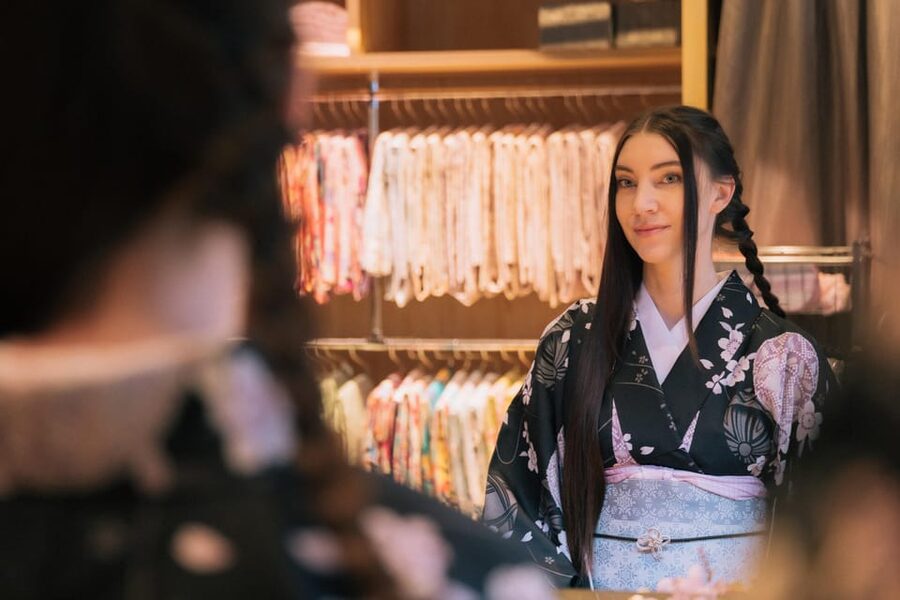
The experience begins with the kimono fitting. Staff separate participants into male and female changing areas, then help you put on the clothing. This is useful because a kimono is not a simple robe you can throw on yourself. The layers and ties need careful adjustment, and the fit affects both comfort and appearance.
You can choose the color of your kimono. Women can also select hair accessories, adding a personal touch to the outfit. The available choices depend on what is in the shop that day, so you should not expect a particular shade or accessory unless the provider confirms it in advance.
The dressing stage is part of the attraction, not just a practical step. It gives you time to look at the patterns, handle the fabric, and get used to walking in the clothing. You may take pictures in the waiting area before entering the tea room.
Shoes are not allowed indoors. Wear footwear that you can remove easily, and remember that you will spend some time inside in socks or indoor-appropriate footwear. Smoking is also not allowed.
The provider needs the height and gender of every participant in advance so staff can prepare suitable kimono sets. Give accurate information when booking. This is especially important for groups with several people, as the fitting process depends on having the right garments ready.
Watching the tea ceremony in English
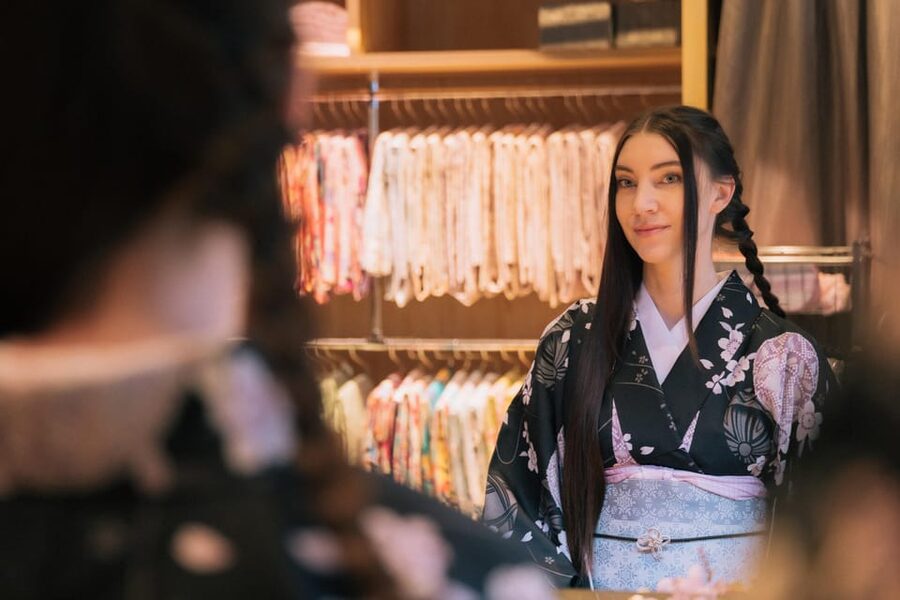
Once dressed, you enter the tea room for a demonstration. The tea master explains the ceremony in English, including the purpose of the movements and the proper approach to the tea.
This explanation is what separates the activity from a standard photo rental. Tea ceremony is built around attention, cleanliness, respect, and careful action. You see those ideas in the way the tea is prepared and served, rather than simply hearing a short lecture about them.
The ceremony also gives the outfit a reason. Wearing a kimono while sitting through the ritual feels more connected to the setting than wearing one only for a quick portrait. You are given a cultural framework for what you are seeing, which helps small gestures make sense.
The activity is designed for beginners. You do not need to know the rules beforehand, and the instruction is offered in English. The tea master leads the group, so you can follow along without worrying about making a serious mistake.
Mami is one of the guides associated with the experience, and her kind, clear approach has been singled out by name. Other staff members handle the dressing and photos, creating a coordinated process from arrival to departure.
More Costume Photoshoots in Kyoto
- Kyoto Gion Kiyomizudera Kimono Yukata Hairstyle | Photoshoot
★ 4.9 · 55 reviews - Kyoto kiyomizu Temple : Maiko and Samurai Couple Photoshoot
★ 4.8 · 25 reviews - Kyoto Kimono Professional Photoshoot
★ 4.0 · 10 reviews - Kyoto : Maiko Makeover stroll and photo shoot experience
★ 3.9 · 9 reviews
Making matcha and eating Japanese sweets
After the demonstration, you make your own matcha green tea. This hands-on stage is important because it changes your role from observer to participant. You see the process first, then try it yourself with guidance.
The tea is served with Japanese sweets. The sweet adds balance to matcha’s grassy, slightly bitter taste, and it gives you a small but pleasant part of the traditional tea setting.
If you have food allergies, tell the provider ahead of time. The activity includes sweets, but the supplied details do not specify the ingredients or promise substitutions. Advance notice is the sensible way to find out what can be accommodated.
Do not expect a full meal. This is a tea experience, not a food tour or a café stop. Eat beforehand if you need lunch or breakfast, especially if you have booked a midday session.
The professional photos and time outside
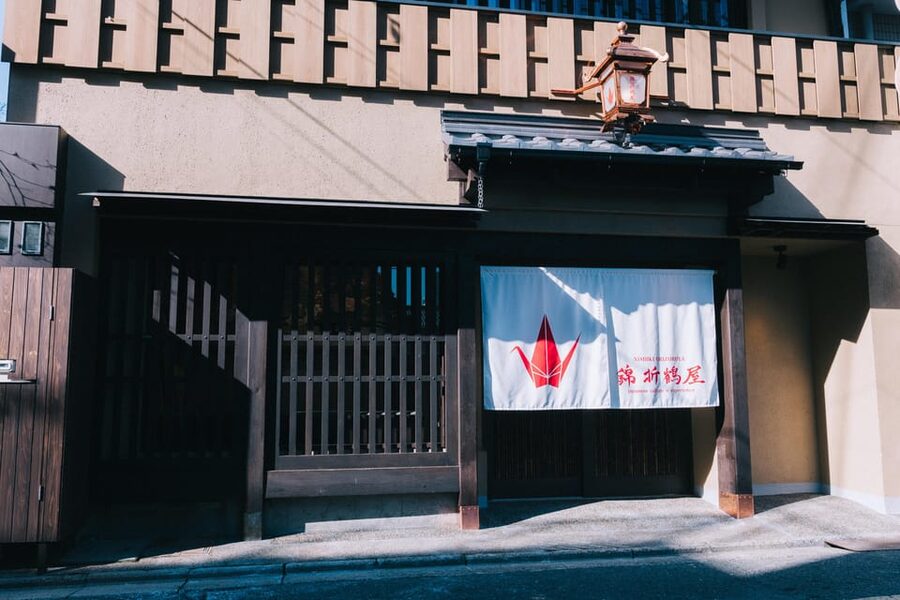
The photoshoot takes place during the experience, with a professional photographer capturing you in the kimono. Three photos are included as a memento. The images are sent by email after the session, with one account noting that they arrived a couple of hours later.
The photography is one of the strongest practical reasons to book this activity. Taking good portraits in a kimono can be hard when you are also trying to manage the clothing, pose, and phone. A photographer can direct you and produce something more polished than a hurried snapshot.
You still have time to take your own photos. After the tea ceremony, you may stroll outside in the kimono and enjoy Kyoto’s streets at your own pace. This is not described as a guided photo walk, so you should make your own plans and keep track of the return time.
The return deadline depends on the location:
- Nishiki Market location: return the kimono by 6:00 PM
- Gion location: return the kimono by 5:00 PM
That deadline shapes how much outdoor time you really have. A morning appointment gives you more room to walk around afterward. A late afternoon appointment may leave little time beyond the ceremony and formal photos.
Treat the kimono carefully, stay aware of the time, and return to the correct shop. The option to go outside is generous, but it does not mean you can keep the outfit for the rest of the evening.
What the 90-minute schedule really means
The advertised duration is 90 minutes, but you should think of it as the core activity rather than your entire time commitment. Dressing, waiting, the ceremony, matcha preparation, photos, and changing back all need to fit around that schedule.
The process normally follows this order:
- Check in at your selected Gion or Nishiki Market shop.
- Change into the kimono with staff assistance.
- Choose available color and hair accessories.
- Wait in the shop or preparation area.
- Watch the English tea ceremony demonstration.
- Prepare and drink matcha with Japanese sweets.
- Take professional photos.
- Change back, or continue outside in the kimono if time allows.
Small groups help keep the session manageable. With a maximum of 10 participants, the tea master can address the group without the room feeling like a large stage show. Still, the experience is shared, not private. If you want a fully private ceremony or a long personal photoshoot, this is not that format.
The photoshoot may also involve several people taking turns. Be ready for brief pauses while others are photographed. That is normal for a small-group activity and part of the trade-off for the $127 price.
Who will get the most from this experience?
I would recommend it most strongly to first-time visitors who want a clear, easy introduction to two recognizable parts of Japanese culture: kimono and tea ceremony. You get instruction, clothing, food, and photos in one booking, which is useful when your Kyoto schedule is short.
It also suits couples, friends, and families with older children. Children under 5 are not accepted, and the activity is not suitable for wheelchair users. The floor setting, clothing, and need to remove shoes may also be worth considering if you have limited mobility.
Photography-minded visitors should find good value here. You get three professional images, plus time to take your own pictures outside. People who dislike posed photographs may prefer a simple tea ceremony without the camera element, but this experience cannot be booked as tea ceremony only or kimono dressing only.
The activity is also a good fit if you want a respectful cultural introduction rather than a theatrical show. It is structured and accessible, but it remains an arranged experience for visitors, not an ordinary tea gathering with a local family.
Price, flexibility, and booking advice
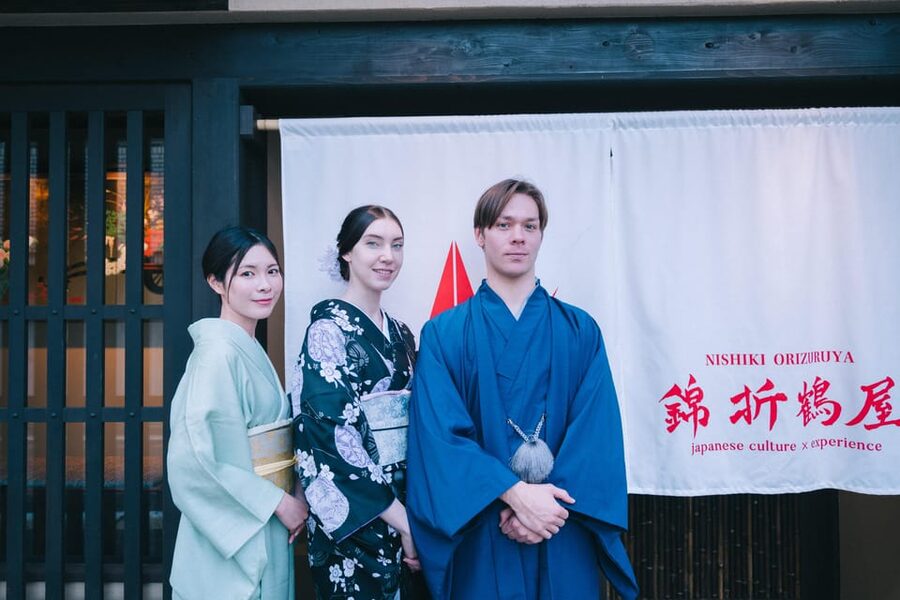
At $127 per person, the cost is above a basic kimono rental. The value depends on how many parts you would otherwise book separately. Kimono dressing, a tea lesson, matcha and sweets, professional photos, and outdoor use are all included, so the bundle can work well for someone who wants a complete afternoon activity.
The free cancellation policy allows a full refund when you cancel at least 24 hours ahead. You can also reserve now and pay later, which helps if your Kyoto plans are still moving around. That flexibility does not cover lateness, however. Missing the 10-minute arrival window means no participation and no refund.
The overall rating is 4.9 from 90 ratings, with especially strong praise for the staff’s kindness, clear cultural explanations, careful dressing, and photo quality. That matches what matters most in an experience like this: the clothing must be fitted well, the lesson must be understandable, and the staff must keep the group moving without making the ritual feel rushed.
Should you book the Kyoto kimono tea ceremony?
Book it if you want one compact Kyoto activity that combines dressing up, cultural explanation, hands-on matcha, sweets, and professional photos. The English instruction and small group make it friendly for beginners, while the chance to walk outside in the kimono gives you more than a short indoor portrait session.
Skip it if you only want a low-cost kimono rental, a private ceremony, or a long free-roaming photo session. Also skip it if your schedule cannot handle a possible wait or if you cannot arrive early at the correct location.
For most visitors, I would choose a morning or early afternoon time, confirm the shop address twice, provide accurate height information, and leave room afterward for the kimono stroll. Done that way, this is a polished and approachable way to experience Kyoto’s tea culture without needing to know the rules in advance.
FAQ
How long does the Kyoto kimono tea ceremony last?
The scheduled activity lasts 90 minutes. Dressing, check-in, waiting, changing back, and any outdoor strolling may require additional time.
What does the $127 price include?
The price includes kimono dressing, an English tea ceremony demonstration, matcha green tea, Japanese sweets, and three photos taken by a professional photographer.
Can I choose the kimono color?
Yes. You can choose from the available kimono colors at the shop. Women can also choose available hair accessories.
Can I go outside in the kimono after the ceremony?
Yes. You may stroll outside in the kimono after the tea ceremony, but you must return it to the correct shop by 6:00 PM at Nishiki Market or 5:00 PM at Gion.
What happens if I arrive late?
If you arrive more than 10 minutes after the starting time, you cannot join the experience and you will not receive a refund.
Are young children or wheelchair users allowed?
Children under 5 are not accepted, and the activity is not suitable for wheelchair users.
Just added around Kyoto
- Kyoto: Private romantic photoshoot for couples★ 5.0 · 4 reviews
- Kyoto:Private Tour/Luxury Vehicle with Guide & photographer★ 4.8 · 35 reviews
- Kyoto: Private Photoshoot Experience in Arashiyama Bamboo★ 4.9 · 55 reviews
- Kyoto: Photo Shoot with a Private Vacation Photographer★ 5.0 · 8 reviews
- Kyoto : Maiko Makeover stroll and photo shoot experience★ 3.9 · 9 reviews
- Kyoto: Private Photoshoot in Arashiyama, Bamboo Forest★ 5.0 · 2 reviews
- Kyoto kiyomizu Temple : Maiko and Samurai Couple Photoshoot★ 4.8 · 25 reviews
- Kyoto kiyomizu Temple : Maiko and Samurai Family Photoshoot★ 5.0 · 2 reviews
Kimono & Costume Photoshoots, compared.
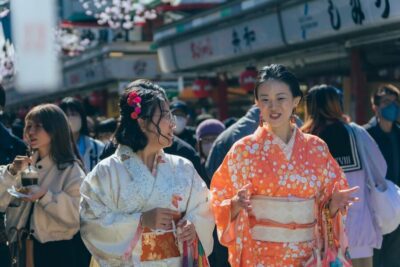
Kimono Dressing, Walking, and Photography Session
Read our review →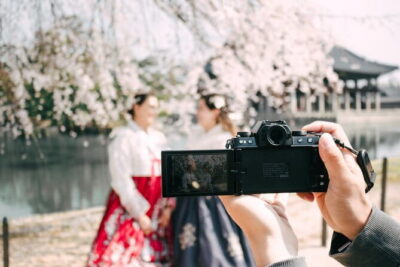
Hanbok Photoshoot and History Tour at Gyeongbokgung Palace
Read our review →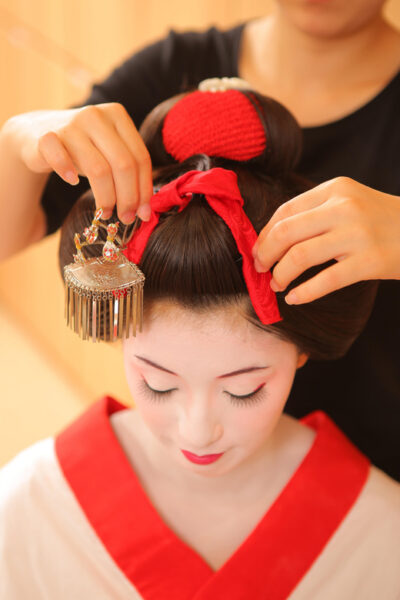

Witch Costume Photo Shoot – Olde Salem Village theatrical set
Read our review →
Witch Costume Photo Shoot – Witch Cottage theatrical set
Read our review →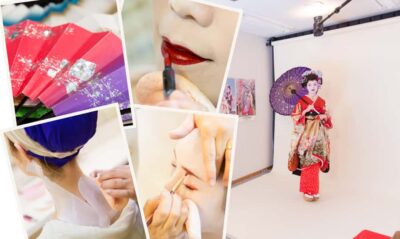
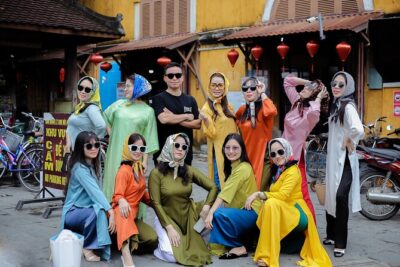
Professional Photography Tour Optional Ao Dai Dress in Hoi An
Read our review →Browse the lists this tour appears in