
REVIEW · USA
Milky Way Photography Workshop in Acadia National Park
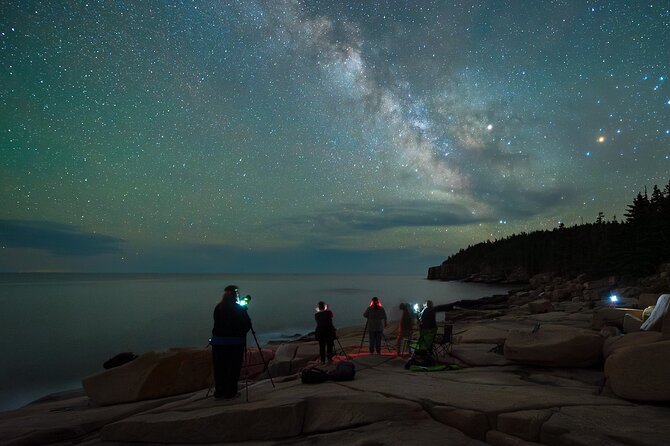
The best part of this Acadia National Park astrophotography workshop is the mix of dramatic coastal views and serious hands-on instruction. You are not simply driven to a dark overlook, handed a tripod, and left to guess at camera settings. Christopher, also called Chris, teaches you how to plan the shot, capture the sky and foreground, then shape the final image in Lightroom and Photoshop.
I like two things right away: the small group, limited to five people, and the full path from field work to editing. I also like the range of locations, from Jordan Pond and Bubble Pond to Otter Cliff and Sand Beach. The main catch is the $2,500 price, which does not include meals, lodging, or the stated park pass, so this is a serious workshop purchase rather than a casual night tour.
Key points at a glance
- Five-night format: You have several opportunities to work with changing skies and coastal scenes instead of relying on one short outing.
- Chris teaches the complete process: Instruction covers planning, manual camera work, focus stacking, time lapse ideas, and post-processing.
- Acadia locations are the classroom: Jordan Pond, Otter Cliff, Bubble Pond, Sand Beach, and Eagle Lake each offer different foreground options.
- Small group, maximum five: You should get more direct help than on a large photo walk.
- Private park transportation: All travel within Acadia National Park is provided, with water and snacks in the vehicle.
- A post-processing follow-up is included: You receive a one-on-one editing session through Discord after the field portion.
What $2,500 buys you in Acadia
At $2,500 per person, this workshop is priced for photographers who want instruction, not simply access to a pretty night view. The fee covers about five days, private transportation within Acadia National Park, expert instruction, bottled water and snacks, and a one-on-one post-processing session through Discord.
That price can make sense if you want to learn a repeatable method. Chris teaches more than basic exposure settings. You work on single-exposure Milky Way images, stacked night sky photographs, foreground exposures, focus stacking, and time lapse concepts. Past students also learned how to combine a sky exposure with a longer foreground exposure in Photoshop, a useful technique when one camera setting cannot handle both parts of the scene.
The cost feels less attractive if you already have a strong astrophotography workflow and mainly want transportation to photo spots. Meals and lodging are not included, so you must build those costs into your Acadia stay. The supplied information also lists a $20 Yellowstone National Park pass, even though this workshop takes place in Acadia. That appears to be a booking detail worth checking with Wildscape Adventure before you pay.
A group capped at five matters here. Night photography can become confusing when you are adjusting focus, checking a histogram, setting an intervalometer, and trying to keep track of the sky at the same time. A small group gives Chris a better chance to look at your setup and correct a problem before you repeat it for an hour.
More Night Photography in the USA:
- Private Guided Night Photography Tours on Cape Cod (for one photographer.)
★ 5.0 · 38 reviews - Moab: The Windows Astro-Photography and Stargazing Hike
★ 4.8 · 36 reviews - Brooklyn Bridge at Night Photography Tour
★ 5.0 · 10 reviews
The five-day rhythm and late-night schedule
The workshop is listed as approximately five days, with sessions offered Tuesday through Saturday from 12:00 AM to 3:30 AM and from 7:00 PM to 11:30 PM. Those hours make sense for night sky work, but they also require a special schedule. You will need to plan your meals, sleep, and daytime activities around late evening and overnight shooting.
The exact sequence of locations and the amount of time at each stop are not specified. Treat the itinerary as a set of main shooting areas rather than a promise that every stop receives an equal session. Conditions in the park and the sky can affect the plan, and the workshop requires good weather.
This schedule is best for a photographer who is happy to give the workshop priority. It is not ideal if you want a packed daytime sightseeing program in Bar Harbor as well. The upside is that you can use daytime hours for rest, your own editing, or other Acadia visits, but lodging and daytime plans are yours to arrange.
Jordan Pond: calm water and a clean foreground
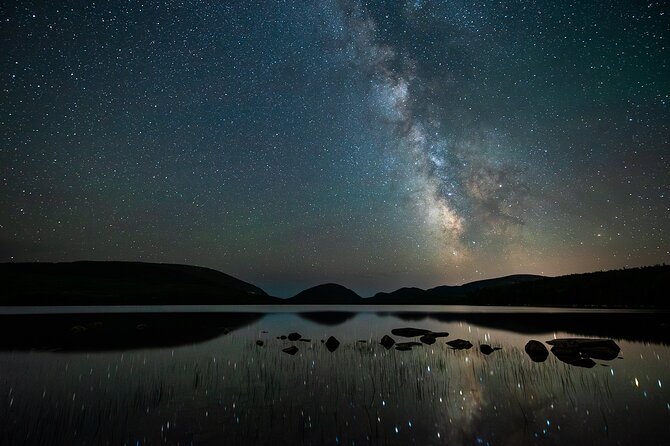
Jordan Pond is a strong place to work on composition because water can give your night image a clear foreground and a sense of depth. The workshop uses the pond as one of its main stops, giving you a chance to think about more than simply placing the Milky Way in the upper half of the frame.
This is where foreground planning becomes important. Chris teaches you to use PhotoPills to plan the Milky Way’s position and alignment before you arrive. You can then decide how the pond, shoreline, and surrounding forms should relate to the stars rather than setting up at random.
Jordan Pond also gives you a useful setting for comparing single exposures and stacked images. A single frame may be your starting point, while a stack can help create a cleaner night sky when the scene and conditions allow. The point is not to follow one formula every time. It is to learn why you would choose one method over another.
Otter Cliff: coastal drama under the stars
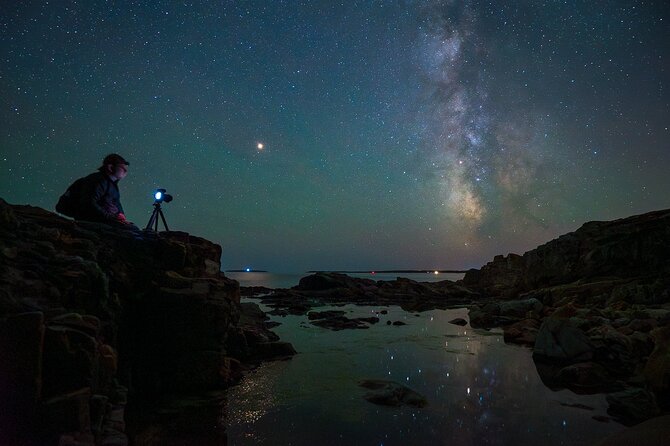
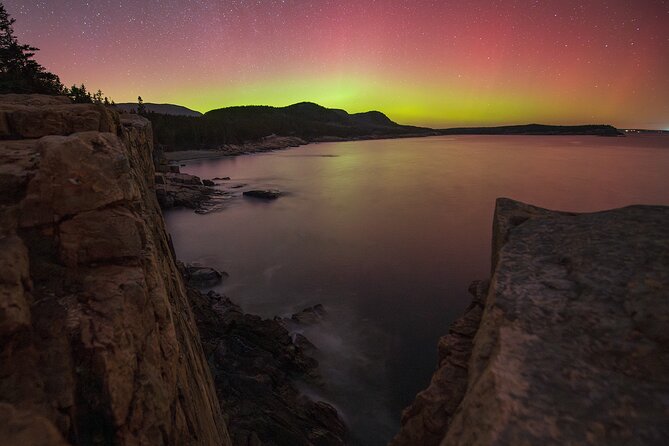
Otter Cliff brings the ocean edge into the workshop. Its rock formations give your photographs a stronger sense of scale and movement than a simple sky-only image. The stated goal is celestial storytelling, so this is the sort of location where the foreground is part of the subject, not an afterthought.
You will need to pay attention to the balance between the stars and the coastline. A very bright sky can overpower dark rock, while a longer foreground exposure can help preserve detail. Chris’s instruction on blending exposures is especially useful here, since you may want a separate exposure for the sky and another for the foreground.
The coastal setting also has a practical drawback: you cannot control the weather. Clouds, haze, or poor visibility can change what you can photograph. Since the workshop can be rescheduled or refunded if bad weather cancels it, flexibility matters.
More Photography Workshops in the USA:
- 2-Hour Photography Class While Touring Downtown Santa Fe, Smart Phones Welcome!
★ 5.0 · 108 reviews - Custom Half-Day Photo Tour with Photography Lessons from Asheville
★ 5.0 · 43 reviews - Capturing the Ethereal Beauty: Northern Lights Photo Workshop
★ 5.0 · 5 reviews - Private Digital Photography Workshop
★ 5.0 · 4 reviews
Bubble Pond: a second lesson in reflection and balance
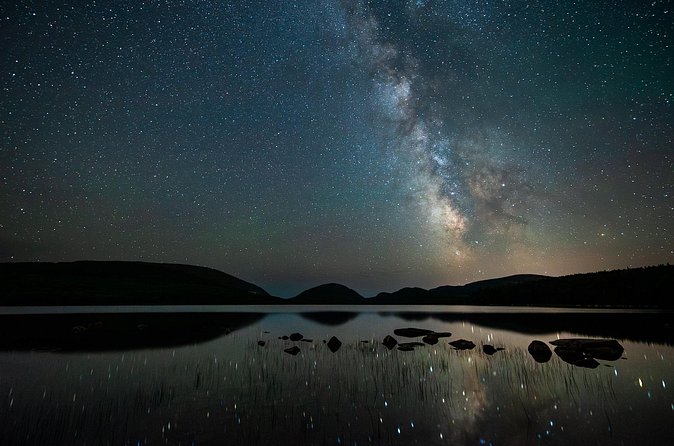
Bubble Pond gives you another setting for working with water and surrounding scenery. Its value is not just adding another name to the itinerary. A second pond setting lets you compare how different foreground shapes change your composition.
I would use this stop to practice restraint. It is easy to make the sky the entire subject, especially when the Milky Way is visible. The workshop’s stronger lesson is to connect the stars with the place beneath them. A low foreground, reflected light, or a carefully placed shoreline can make the frame feel tied to Acadia rather than interchangeable with any dark-sky location.
The information provided does not specify the exact timing or viewing conditions at Bubble Pond, so you should not expect a guaranteed reflection or a particular Milky Way alignment. PhotoPills planning helps, but weather and visibility still decide what the camera records.
Sand Beach: open sky and a natural sense of scale
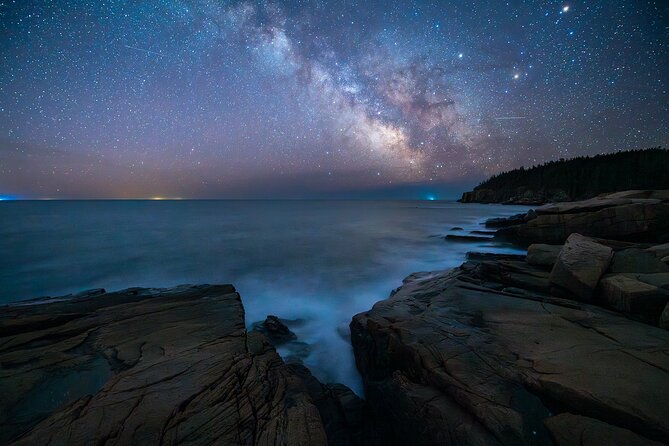
Sand Beach offers a different kind of composition from the ponds. The open shoreline can give you a broad view of the sky, while the beach and surrounding coastal forms provide a simple foreground. This is a useful place to work on scale, especially if you want the night sky to feel large without losing a clear connection to the ground.
Chris’s focus on foreground storytelling applies well here. You might make the beach the quiet base of the image and let the stars carry the motion, or you might use the edge of the coast to guide the eye upward. The workshop is built around trying these decisions in the field rather than discussing them only in a classroom.
Do not confuse a wide horizon with an easy photograph. A wide-angle lens can include plenty of sky, but it can also make the foreground feel small. You will need to think carefully about where you place the camera and how much of the frame the beach occupies.
Eagle Lake: another setting for night composition
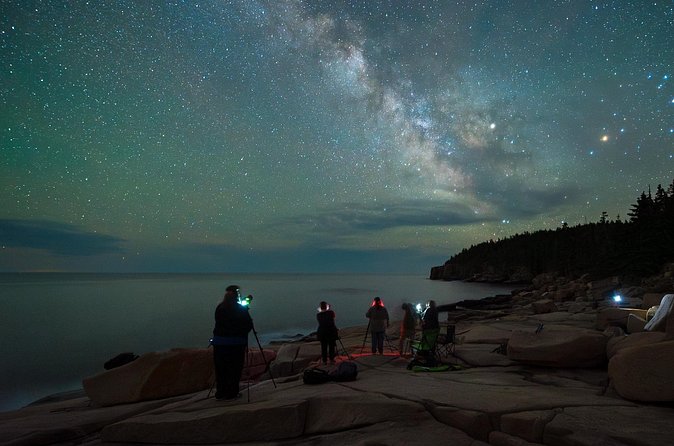
Eagle Lake is the fifth named stop. Like the other water locations, it can help you explore reflections, shoreline shapes, and the relationship between sky and foreground. The benefit of several locations is that you are not forced to use one visual idea for every image.
The itinerary does not provide a detailed shot list for Eagle Lake, so the exact creative lesson will depend on the conditions and Chris’s plan for the evening. That is not necessarily a weakness. Astrophotography rewards a flexible approach, and one of the useful skills here is learning to adapt your composition when the original plan is not workable.
PhotoPills planning before you leave the vehicle
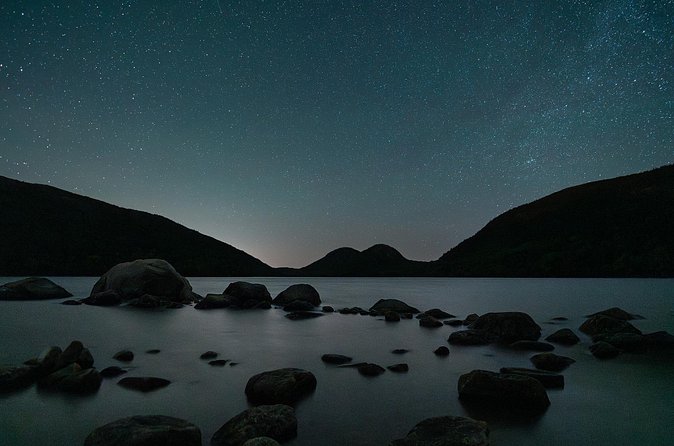
The PhotoPills app is a central part of the workshop. You learn how to plan where the Milky Way will appear and how to align it with a selected foreground. That preparation can save time in the field, especially during a late-night session when you want to spend your energy photographing rather than guessing at direction and timing.
Planning also improves the quality of your choices. You can decide in advance if a pond, cliff, beach, or shoreline should sit beneath the Milky Way. This helps you arrive with a concept instead of merely hoping for a nice sky.
You should already know how to use your camera in manual mode. The prerequisites call for a DSLR or mirrorless camera capable of long exposures, a wide-angle lens with an aperture of f/2.8 or faster, a sturdy tripod, and an external intervalometer unless your camera has one built in. A basic understanding of post-processing is also expected.
That last point matters. This is not described as a beginner camera course. You do not need to be an expert, but you should understand basic manual settings and have some experience with editing software before arriving.
From one frame to a finished night image
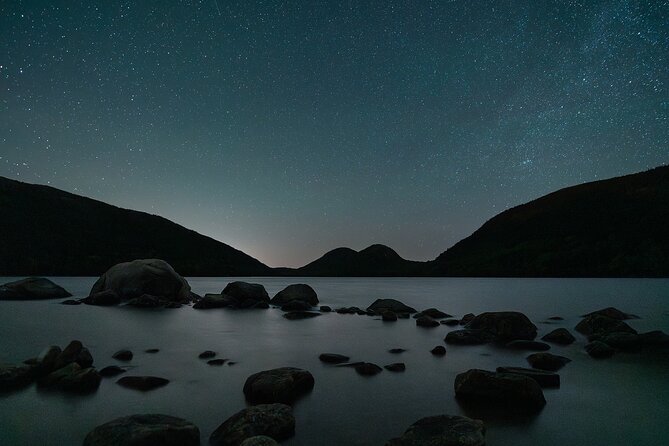
The strongest feature of this workshop is its attention to the entire image-making process. In the field, you learn to capture single-exposure and stacked night sky images. Later, you work through Lightroom and Photoshop to refine them.
The foreground lesson is especially practical. Night photography often forces a compromise between the stars and the ground. A sky exposure may preserve the stars, while a longer foreground exposure records more detail below. Chris teaches you how to blend those exposures in Photoshop so the final frame tells one coherent story.
Focus stacking is another useful skill covered in the workshop. It can help you manage sharpness across different parts of a composition when one focus point is not enough. You also receive instruction connected to time lapse photography, including ways to turn sequences of still images into moving footage with Lightroom and third-party software.
The one-on-one Discord session after the workshop gives you a chance to revisit your own files. That is valuable because editing problems often become clear only after you return home. You can ask about a particular frame rather than working from a generic example.
What past participants valued most
The strongest praise centers on Chris’s teaching style. He is described as calm, patient, warm, and fun to spend time with. Those qualities matter in night photography, where cold conditions, technical mistakes, and long waits can test your patience.
The instruction also appears to have practical staying power. One participant used the workshop to learn Milky Way exposures, foreground blending, focus stacking, and time lapse work, then continued using those skills beyond astrophotography. Another attended the workshop three times, which suggests the format can support repeat visits for photographers who want to work in different conditions.
The teaching is not limited to camera settings. You learn how to plan, shoot, edit, and create a finished image. That broad approach is the main reason I would consider the workshop for someone who wants lasting skills rather than a folder of attractive files from one night.
Transport, group size, and what you still need to arrange
Private transportation covers travel within Acadia National Park. Water and snacks are supplied in the vehicle, which is helpful during late sessions when you may not want to stop for supplies. Pickup is offered, but the exact pickup point and schedule should be confirmed at booking.
You still need to arrange lodging and meals. The supplied information notes that accommodations close to the park and convenient food and shopping are available, but no lodging is part of the workshop price. Bar Harbor is the listed location, so plan your base there or confirm the pickup details before choosing another place to stay.
Service animals are allowed. You should have a moderate level of physical fitness, and you will be working outdoors at night across several park locations. The workshop is offered in English and uses a mobile ticket.
Free cancellation is available up to 24 hours before the start time. If weather makes the workshop impossible, you are offered another date or a full refund. The same applies if the minimum number of participants is not reached. Changes or cancellations inside the 24-hour window are not accepted.
Who should book this workshop
I would recommend it to a photographer who already understands manual camera controls and wants a stronger astrophotography workflow. You should be willing to carry and use a tripod, work late, edit your files, and spend time learning why a technique works.
It also suits someone who wants to photograph Acadia with a clear purpose. Jordan Pond, Otter Cliff, Bubble Pond, Sand Beach, and Eagle Lake are not just transfer points. They are different tests of foreground, scale, reflections, coast, and composition.
I would hesitate if you are looking for a low-cost sightseeing tour, a short stargazing outing, or a fully packaged vacation. The price is high, and you pay separately for food, lodging, and the park admission detail listed in the booking information. You also need suitable equipment and some editing experience.
Should you book the Acadia Milky Way workshop?
Book it if you want a small-group course led by Chris that takes you from PhotoPills planning to field technique and final editing. The private transport, five-person maximum, varied Acadia locations, and personal Discord session give the price more substance than a simple guided night walk.
Skip it if you mainly want to see the stars or take a few casual photos. You can get more value from this workshop when you care about building a repeatable process, including stacked images, foreground blends, focus stacking, and time lapse work. Before booking, confirm the exact schedule, pickup point, lodging plan, and the questionable Yellowstone pass reference.
FAQ
How long is the Milky Way photography workshop?
The workshop lasts approximately five days.
Where does the workshop take place?
The workshop is based in Bar Harbor and includes travel within Acadia National Park. Stops include Jordan Pond, Otter Cliff, Bubble Pond, Sand Beach, and Eagle Lake.
What equipment do I need?
You need a DSLR or mirrorless camera that can make long exposures, a wide-angle lens with an aperture of f/2.8 or faster, a sturdy tripod, and an external intervalometer unless your camera has one built in.
Is lodging included in the $2,500 price?
No. Lodging and meals are not included.
Is transportation provided?
Yes. Private transportation covers all travel within Acadia National Park during the workshop. Pickup is offered, but you should confirm the exact pickup details when booking.
What happens if bad weather cancels the workshop?
You will be offered a different date or a full refund if poor weather causes the workshop to be canceled. A full refund is also available when you cancel at least 24 hours before the start time.
More National Park Trips in the USA
- Private Guided Photography & Walking Tour of Zion National Park
★ 5.0 · 75 reviews - Exquisite Wildlife & Wilderness Photo Tour Anchorage -Whittier
★ 5.0 · 12 reviews - Everglades National Park: Private 2.5-Hour Photo Safari
★ 4.9 · 9 reviews - Rovaniemi: Small-Group Northern Lights Wilderness Tour
★ 4.3 · 1,515 reviews
Just added around the USA
- Private Vacation Photoshoot with Photographer Hilton Head Island★ 5.0 · 7 reviews
- Focus on Haines Private Nature / Photography tour★ 5.0 · 38 reviews
- Exclusive Photography Tour Haines Departure★ 5.0 · 19 reviews
- Photoshoot in Grand Canyon★ 5.0 · 2 reviews
- Private Proposal Professional Photo Shoot – Grand Canyon★ 4.5 · 2 reviews
- Hire Photographer, Professional Photo shoot – Grand Canyon★ 5.0 · 29 reviews
- Full Day Guided Wildlife Photography Tour In Yellowstone★ 5.0 · 6 reviews
- Miami incredible Photoshoot – Private Session with a Professional Photographer★ 5.0 · 2 reviews
Night & Astro Photography, compared.
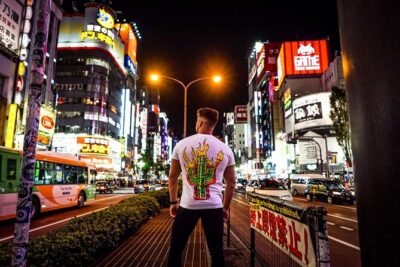
Tokyo by Night Photography Tour (Private Option Available)
Read our review →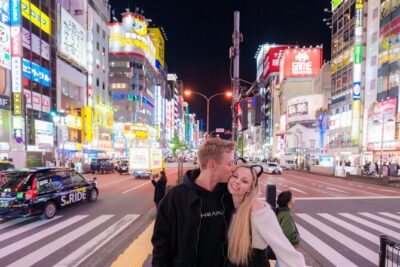
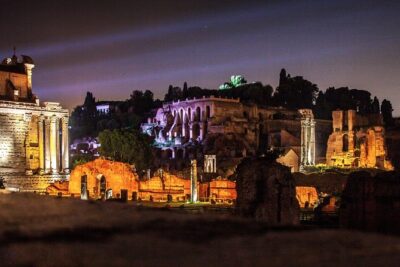
Night Photo Session in a Fiat 500 with Aperol Spritz
Read our review →
Private Guided Night Photography Tours on Cape Cod (for one photographer.)
Read our review →
Moab: The Windows Astro-Photography and Stargazing Hike
Read our review →
Browse the lists this tour appears in