
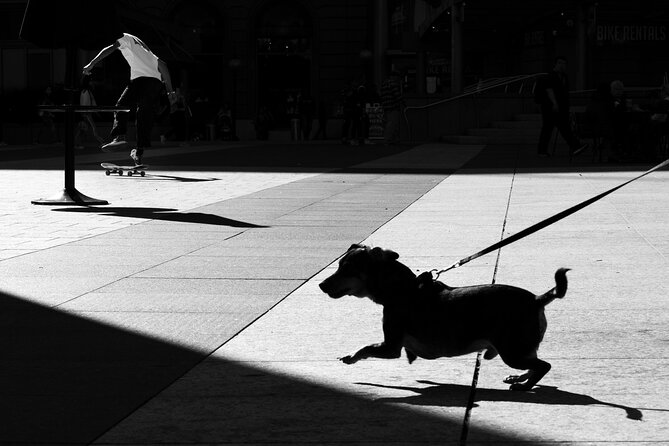
REVIEW · LONDON
Street Photography Workshops in London
London becomes your classroom in this focused six-hour workshop, where Cyrus and Marc mix short lectures, street assignments, and direct photo critiques. You’ll work around Fleet Street, then return to discuss what gives an image impact. The small group, capped at eight, makes it easier to ask questions and receive useful advice.
I especially like the advance photo critique, since you can send images the night before and arrive with specific questions. I also like the practical help with photographing strangers, a hurdle that keeps many new street photographers from trying the genre at all.
The main drawback is the pace. You’ll be asked to shoot, listen, edit, discuss, and accept criticism in one packed day. If you prefer a relaxed photo walk with lots of free time, this workshop may feel intense.
Key points to know before booking
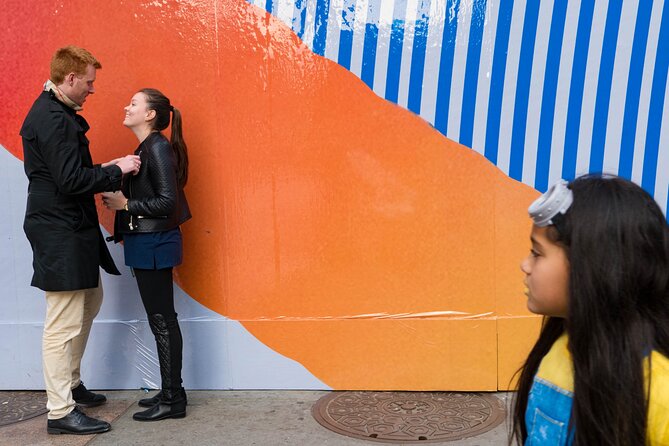
- Six hours around Fleet Street: The workshop begins at 10:00 am and ends back at the meeting point.
- A maximum of eight people: The small group gives you more time to ask questions and receive feedback.
- Bring your own camera or iPhone: Equipment is not provided.
- Send photos before the workshop: Cyrus and Marc use your earlier work as a starting point for discussion.
- Theory followed by assignments: You’ll study composition, light, colour, and subject choice, then test those ideas on the streets.
- Best for beginners and intermediate photographers: You do not need to be an advanced photographer, but you should be ready to shoot and discuss your work.
A classroom first, then London streets
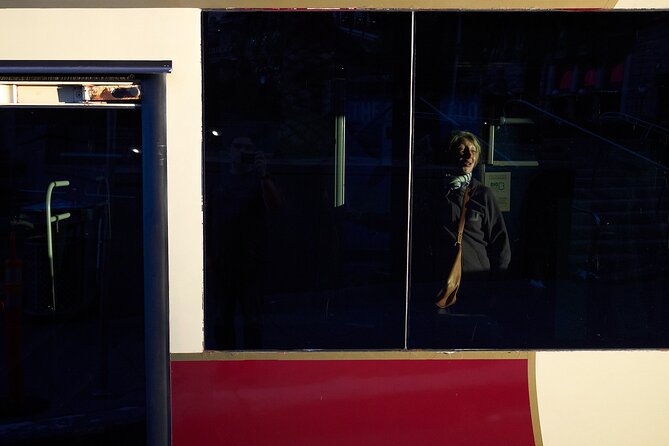
This is not simply a stroll with a camera. The day is designed as a working photography session, with teaching, shooting, and criticism all tied together.
You begin at the Fleet Street meeting point in London EC4A 2DQ at 10:00 am. The exact indoor room details are not supplied, but the workshop includes time at the instructors’ rooms before and between outings. That indoor setting matters because it gives you somewhere to slow down and look closely at photographs instead of making quick judgments while standing on a pavement.
Cyrus and Marc begin with instruction on the foundations of street photography. Their subjects include composition, the role of the main subject, and ways to use light and colour to give a picture more force. These are broad topics, but the value comes from applying them to your own photographs rather than treating them as abstract rules.
You’ll also discuss the history and techniques of street photography. That context can help you see why a simple passing moment may work as a photograph, while a technically neat image may still feel flat.
More Street Photography Tours in London:
- London Street Photo workshop
★ 5.0 · 10 reviews - Private Shoreditch Street Photography Workshop
★ 4.5 · 4 reviews - Private London Street Photography Workshop
★ 5.0 · 4 reviews
The advance photo review gives the day a head start
Before the workshop, you send photographs taken the night before. This is one of the most useful features for anyone who wants more than general advice.
Instead of beginning with a blank slate, Cyrus and Marc can point to choices you already make well and habits that may be holding your photographs back. You might learn that your framing is strong but your subjects lack impact, or that you tend to rely on one familiar way of composing a scene.
The tone is intended to be friendly, but the criticism is real. That balance is important. Encouragement alone rarely helps you improve, while harsh criticism can make a beginner stop shooting. Here, the goal is to give you a third-party view of your work and clear reminders about creative choices.
You should send images that represent your usual photography, not only your best photographs. If you normally photograph buildings, people, travel scenes, or details, include a mix. The more honestly your images show your habits, the more useful the conversation can be.
Fleet Street makes a practical photo setting
The workshop takes place around Fleet Street, a central London area with plenty of street activity and visual variety. You are not confined to a studio, and you are not sent to a distant location where the scenery does all the work for you.
The instructors take you toward lesser-known vantage points where you can make photographs with fewer crowds. That can be a real help in London, where famous viewpoints often encourage the same photograph from the same position. A quieter angle gives you more room to watch, wait, and decide what belongs in the frame.
The exact route and stops are not fixed in the supplied information, so you should not expect a published list of landmarks. That is probably a benefit for this kind of workshop. The purpose is to train your eye rather than tick off sights.
The drawback is that the area is a working city setting, not a purpose-built photo attraction. Light, people, and interesting moments will not arrive on command. You need patience and a willingness to try an assignment even when the first few attempts produce ordinary images.
Assignments turn advice into practice
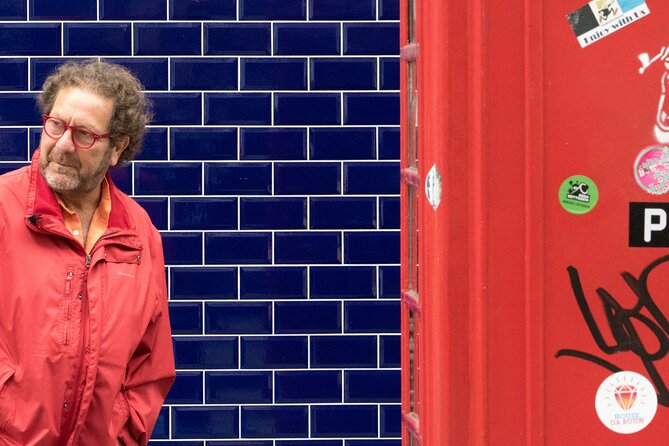
At several points, you are sent out to shoot. These assignments help turn a lecture about composition or light into a decision you make with your own camera in hand.
You may be asked to look for a particular type of subject, pay closer attention to colour, or frame a scene in a way that differs from your normal style. The supplied information does not list the exact assignments, so you should expect guided exercises rather than a fixed checklist.
This is where the small group matters. With no more than eight participants, Cyrus and Marc have a better chance of seeing how you approach the task and offering a useful correction. In a large group, advice about your particular image can easily disappear into general comments.
You will not spend the full six hours photographing. The schedule includes lectures, discussions, critiques, and time looking at the instructors’ own work. If you came expecting an uninterrupted photo walk, the teaching sections may feel like time away from the streets. If you want to understand why an image works, those pauses are the point of booking a workshop instead of walking around with a guide.
A few more photo experiences around London worth a look
- London: Private Photoshoot with Video Clip Option
★ 4.8 · 182 reviews - Professional Photoshoot in London Photographer
★ 5.0 · 102 reviews - Private landmarks photoshoot for families and couples
★ 5.0 · 92 reviews - London: Private Landmark Tour with Professional Photographer
★ 4.7 · 91 reviews
Learning to photograph strangers with confidence
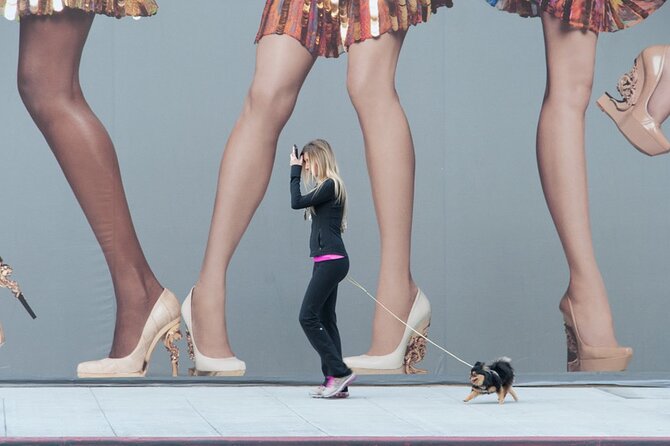
For many beginners, the hardest part of street photography is not exposure or composition. It is raising the camera when another person enters the scene.
Cyrus and Marc address this directly. They offer guidance on how to photograph strangers safely and help you feel more at ease with the social side of the genre. That can change how you work. Instead of waiting for people to disappear, you may begin to see how a person’s position, movement, or relationship to the background makes a scene worth photographing.
The information does not promise a legal briefing or detailed advice for every situation, so do not treat the workshop as a substitute for checking local rules and using good judgment. The practical message is simpler: you can approach street photography with more confidence and care.
This part should suit you if you are nervous about candid photography. It may be less useful if you already work comfortably with strangers and want advanced instruction on a narrow technical subject.
Critique is the real value of the day
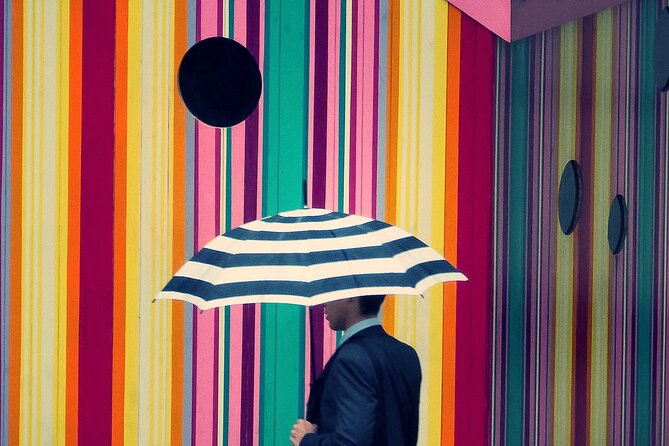
The strongest part of the workshop is likely the repeated feedback. You receive criticism on your earlier photographs, then shoot during the day, and face more discussion of the new work.
That cycle is useful because the advice does not remain theoretical. You can hear a suggestion, test it outside, and return with a photograph that shows what happened. You may discover that a technique sounds easy in a lecture but is harder to use when the street is changing around you.
The criticism is described as friendly and serious rather than dismissive. You are encouraged to look at Cyrus and Marc’s work as well, though critiquing their photographs is optional. Seeing an instructor’s choices can give you a clearer sense of how composition, timing, and colour work together.
You should be ready for honest comments about your photographs. The day is not built around being told that every image is successful. That may feel uncomfortable, especially if you are new to showing your work, but it is also what makes the experience more useful than a standard sightseeing walk.
Why the small group changes the experience
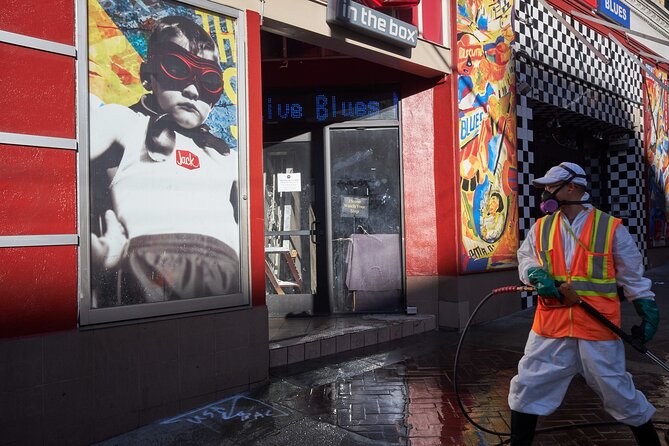
A group limit of eight is a practical advantage, not just a marketing detail. Street photography workshops can lose their value when an instructor has to divide attention among a large crowd.
Here, you have more opportunity to ask Cyrus and Marc about your camera, your approach, or a particular photograph. You also have a better chance of receiving comments that fit your level. A beginner who needs help approaching strangers and an intermediate photographer trying to break a familiar pattern can work on different problems during the same session.
The tradeoff is that the workshop still has to follow a shared structure. You will not receive six hours of private tuition. Some discussion will address the group as a whole, and the amount of personal time will depend on how many people attend and how much work each person brings.
If you want one-on-one coaching, ask about private options before booking. This experience is a small-group workshop, not a private lesson.
What to bring and how to prepare
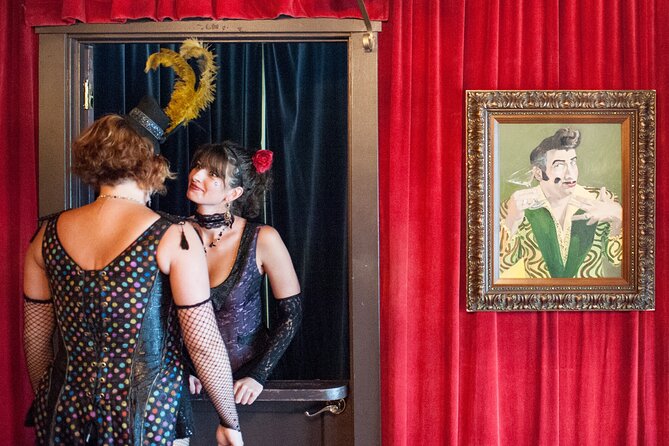
You must bring a camera or an iPhone. No equipment is included, and the workshop does not require you to use a particular brand or type of camera.
Use the camera you already know. A phone is acceptable, and a complicated new setup may distract you from the decisions the workshop is trying to improve. If you use a camera, bring the settings or lenses you normally use for street photography rather than packing every piece of equipment you own.
Prepare your advance photographs with care. Since the instructors will review images sent the night before, make sure you send them in time and choose photographs that give a fair picture of your current work. The provided information does not specify a file format or number of images, so confirm those details after booking if they matter to you.
You should also arrive ready to participate. The day involves assignments, discussion, and critique. You’ll get more from it if you are willing to show unfinished work and try a different way of photographing a scene.
Is six hours a good use of your London time?
That depends on what you want from the day. If your main goal is to see famous sights, this is not the efficient choice. The workshop is based around Fleet Street, ends where it begins, and gives substantial time to teaching rather than sightseeing.
If you want to improve your photography, six hours can offer better value than a short photo walk. You receive instruction, personal feedback, practical assignments, and a chance to compare your thinking with other photographers in a small group.
The price is not provided here, so I cannot judge the exact financial value. My advice is to compare the cost with the amount of direct feedback included. A workshop that only gives a lecture should cost less than one that reviews your earlier photographs and comments on new work during the day.
The full schedule is also worth considering. The workshop is described as packed, and the instructors openly warn that you may want more time for shooting, editing, critique, and discussion than the day allows. That is a sign of strong ambition, but it also means you should not book it if you want a slow, casual outing.
Who should book this Fleet Street workshop?
This experience fits best if you are a beginner or intermediate photographer who wants structure. You may be just starting to take photography seriously, or you may have taken pictures for years without a clear way to judge your own work.
It is especially useful if you:
- Feel nervous about photographing strangers
- Want direct feedback rather than general online advice
- Need help with composition, light, colour, or subject choice
- Want to test street photography in a real city
- Prefer a small group to a large guided walk
- Are willing to receive criticism and try assignments
It may not suit you if you are looking for a private tutor, a purely scenic London tour, or a relaxed afternoon with no classroom time. Advanced photographers may still benefit from a fresh perspective, but the teaching appears aimed mainly at beginner and intermediate levels.
The friendly style also matters. The tone is relaxed, with humour alongside serious instruction, but you should still expect to work hard. This is photography training with a London setting, not a sightseeing break that happens to include cameras.
Booking details that matter
The meeting point is on Fleet Street, London EC4A 2DQ. The start time is 10:00 am, and the activity finishes back at the meeting point after about six hours.
Mobile tickets are available, and the workshop is offered in English. It is near public transportation, service animals are allowed, and most people can participate. The group has a maximum of eight participants.
Confirmation is provided at booking. Free cancellation is available if you cancel at least 24 hours before the local start time. A cancellation within 24 hours is not refunded, and changes within that period are not accepted. The experience also requires a minimum number of participants, so a cancellation by the operator may lead to another date or a full refund.
Should you book it?
Book this workshop if you want to leave London with a better way to judge and make street photographs, not simply a folder of city snapshots. The advance photo review, repeated criticism, and small group are its most useful features.
I would choose it for a beginner who feels uncertain around strangers or an intermediate photographer stuck in familiar habits. I would skip it if you want a free-roaming photo walk, a private lesson, or a tour built around major London landmarks.
Bring the camera or iPhone you already use, send honest photographs ahead of time, and expect a full day of practice and discussion. You may leave with fewer photographs than you planned, but with a clearer idea of why some images work and what to try next.
FAQ
Where does the workshop begin?
It begins at Fleet Street, London EC4A 2DQ, UK.
What time does the workshop start?
The workshop starts at 10:00 am.
How long does the workshop last?
It lasts approximately six hours.
Where does the workshop end?
The activity ends back at the meeting point.
What equipment do I need?
You need to bring your own camera or iPhone.
How many people can join?
The workshop has a maximum of eight participants.
Is the workshop offered in English?
Yes, the workshop is offered in English.
Can I cancel for a full refund?
Yes. You must cancel at least 24 hours before the local start time for a full refund. Cancellations within 24 hours are not refunded.
Just added around London
- Wildlife Photography Workshop in Richmond Park in London★ 4.5 · 5 reviews
- Private Tour: Photography Walking Tour from Trafalgar Square to Covent Garden★ 5.0 · 5 reviews
- South Bank Photography Tour – Small Group★ 5.0 · 2 reviews
- Ultimate introduction to photography in Central London★ 5.0 · 19 reviews
- Shoreditch Street Art Private Photography Tour including Brick Lane★ 5.0 · 5 reviews
- Private Landmark Photoshoot★ 5.0 · 27 reviews
- PRIVATE PHOTOSHOOT in London★ 5.0 · 6 reviews
- Private Shoreditch Street Photography Workshop★ 4.5 · 4 reviews
Street Photography Tours, compared.
Learn the art of street photography in the heart of Montmartre!
Read our review →
Hanoi Street Photography with a Pro – Phone & Camera
Read our review →
Street photography with your smartphone, tour of Budapest
Read our review →
Browse the lists this tour appears in