
REVIEW · TOKYO
Tokyo:Genuine Tea Ceremony, Kimono Dressing, and Photography
The best part of this Tokyo outing is the combination of proper kimono dressing and a real tea ceremony, rather than a quick costume change followed by a staged photo stop. Sayoko helps you choose from more than 50 kimonos or yukata, then guides you through shrine etiquette, walking posture, sitting, and tea-making.
I like the personal scale, with no more than three participants, and the fact that you make your own matcha after watching an experienced instructor. The included iPhone 14 Pro photography is another strong touch. The main consideration is time: dressing, walking, photos, and the ceremony fill 2.5 hours, so this suits you best if you want a focused cultural activity rather than a broad Tokyo sightseeing tour.
Key points to know before booking
- Choose from more than 50 garments: You select your kimono or yukata with help from Sayoko before the day of the activity.
- Make your own matcha: You watch the tea master work up close, then prepare tea yourself.
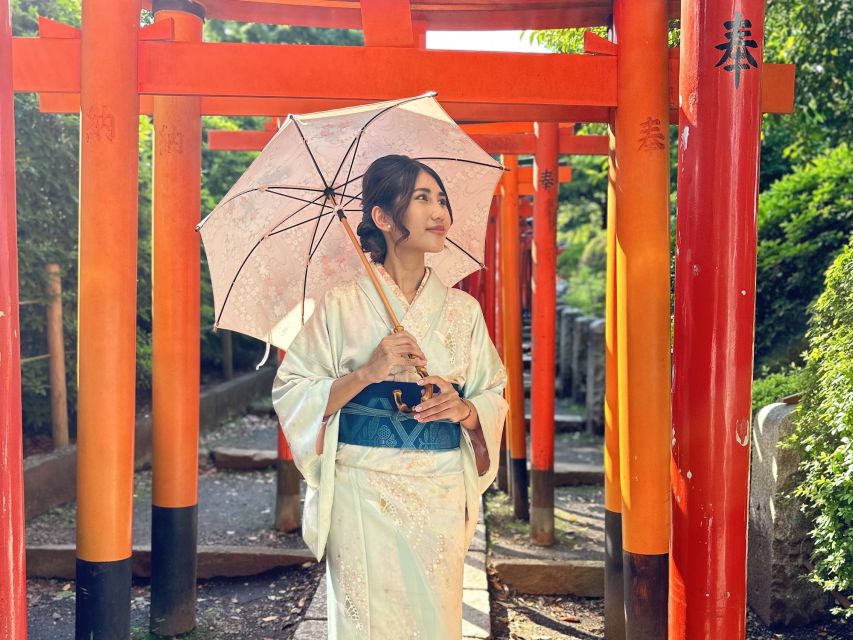
- Visit a local shrine: Sayoko explains how to behave and pray respectfully at the shrine.
- Small groups matter: With a maximum of three participants, the dressing, instruction, and photos can be tailored to you.
- Photos are included: Sayoko usually shoots with an iPhone 14 Pro at the shrine and tea room.
- The format changes by season: Summer brings cotton yukata, while winter uses traditional kimono, including silk pieces.
A Tokyo tea ceremony with more substance than a photo stop
Many kimono activities in Japan focus mainly on appearance. You put on the clothes, pose for a few pictures, and move on. This activity gives the clothing a cultural setting. You learn how to walk in it, sit down, behave at a shrine, and take part in a tea ceremony.
That difference matters. A kimono is not simply a robe, and the tea ceremony is not simply a cup of green tea. The pace, posture, hand movements, and quiet attention all carry meaning. You do not need prior knowledge, but you do need a willingness to slow down and follow careful instructions.
The setting combines a tea room with a nearby local shrine. The shrine provides a natural backdrop for photographs and a chance to learn basic Shinto manners. The tea room gives the activity its calm center, with matcha, sweets, and a formal demonstration.
The full session lasts 2.5 hours. That is long enough to make the clothing, photography, shrine walk, and tea lesson feel connected, but short enough to fit into a busy Tokyo schedule.
More Costume Photoshoots in Japan
- Tokyo: Kimono Dressing, Walking, and Photography Session
★ 4.9 · 427 reviews - Tokyo Authentic Kimono Rental in Asakusa with Photography Option
★ 5.0 · 46 reviews - :Tokyo,Shibuya/ Pro Photography in Kimono / English-Friendly
★ 5.0 · 26 reviews
Choosing your kimono with Sayoko
Before the activity, Sayoko contacts you through GetYourGuide or WhatsApp to help you choose what to wear. You need to reply and make your selection by the day before the tour. This is an important step, not a minor booking detail. If you arrive without choosing, the dressing process may become less personal and less efficient.
You can choose from more than 50 kimono and yukata options. In summer, the outfit is a yukata, a lighter cotton garment suited to warm weather. In winter, you wear a kimono, and the collection includes authentic silk pieces made in the traditional way.
Your choice may affect the feel of the whole session. A bright summer yukata creates a lighter, more casual look. A silk winter kimono has a more formal character and makes the tea room photographs feel especially ceremonial. Sayoko also helps match the obi and accessories, so you are not left to assemble the outfit yourself.
The activity charges every person who attends, even if someone chooses not to dress in a kimono. Book for everyone who will be present. This is especially important for couples or families planning to have a friend take part in the photos without changing clothes.
What the dressing process adds
Kimono dressing is part of the lesson, not just preparation for it. The clothing changes how you move. Your stride becomes shorter, your posture more deliberate, and sitting down requires care. Sayoko shows you the right way to walk and sit, along with basic behavior while wearing the garment.
That guidance helps you avoid treating the outfit like a costume. You learn to handle the sleeves, keep your movements composed, and carry yourself in a way that fits the clothing. Those small instructions also make the shrine visit more comfortable.
The included accessories are supplied as part of the activity. You do not need to bring a kimono, obi, or dressing equipment. AKIZAKURA also provides a kimono upcycling umbrella for the walk, adding a thoughtful design detail to the outing. If rain arrives, a plastic umbrella is available as well.
The activity runs rain or shine. That is useful to know before booking, since the shrine walk and outdoor photos do not disappear simply because the weather changes. Rain can alter the photos and your comfort, so bring a practical attitude and suitable footwear for walking.
Learning shrine manners before the photographs
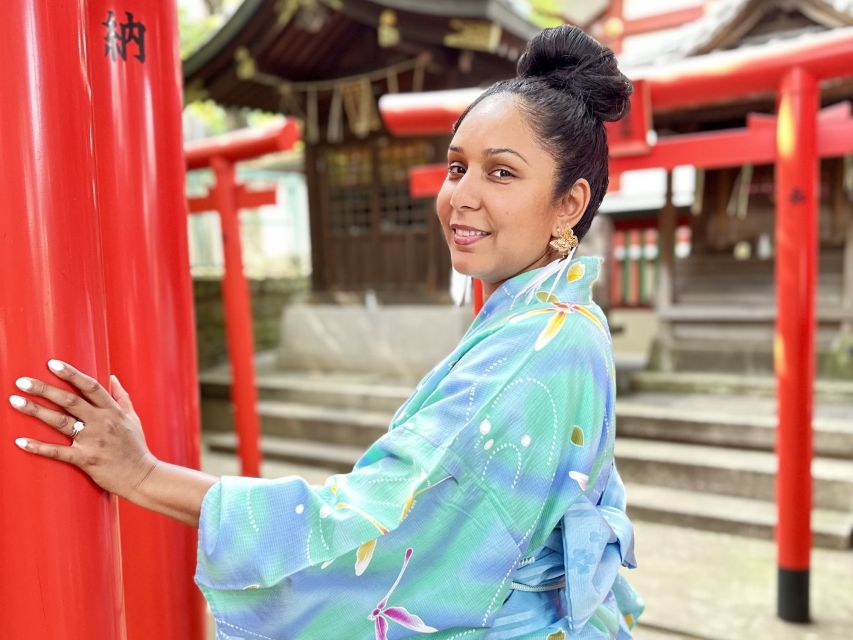
The shrine visit is more than a backdrop. Sayoko explains the proper way to behave and pray at a Shinto shrine, giving you a basic understanding of the gestures and respect expected there.
This is one of the most useful parts for a first-time visitor. Without guidance, it is easy to copy someone nearby or worry about making a mistake. A short explanation helps you approach the shrine with more confidence and care.
The walk also gives you a chance to practice the movement lessons from the dressing session. You learn how to walk in the kimono or yukata, how to sit, and how to carry yourself in public. The pace is not described as a long walking tour, so you should think of it as a short cultural walk connected to the shrine and tea room.
The local setting is a good fit for the activity. You get photographs that show the clothing in a real Japanese religious setting rather than only inside a studio. At the same time, the shrine portion is not a full sightseeing visit, so do not book this expecting detailed temple or shrine history.
More Costume Photoshoots in Tokyo
- Asakusa Kimono/Yukata Rental & Photography_Tsutsuji
★ 5.0 · 12 reviews - Asakusa Kimono Photography Tour
★ 5.0 · 8 reviews
Watching the tea ceremony up close
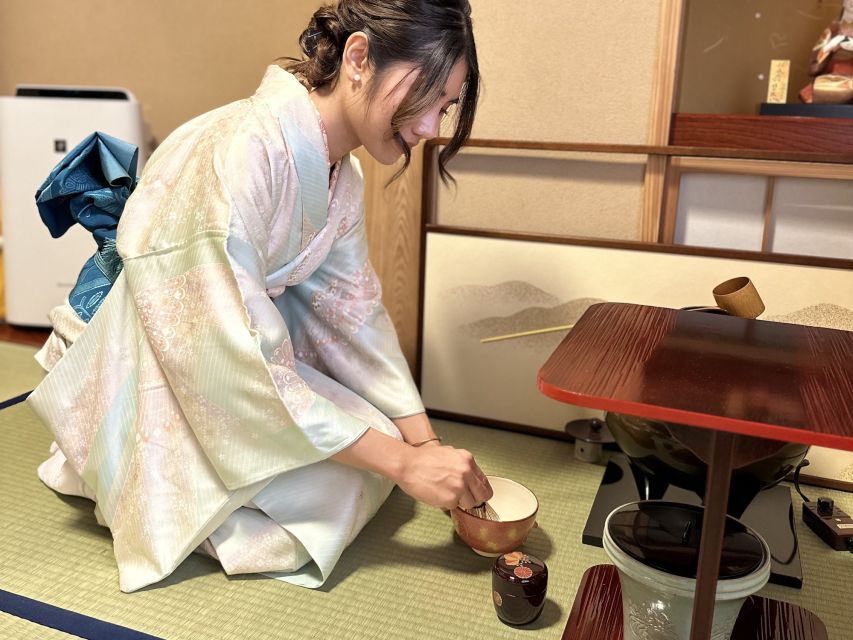
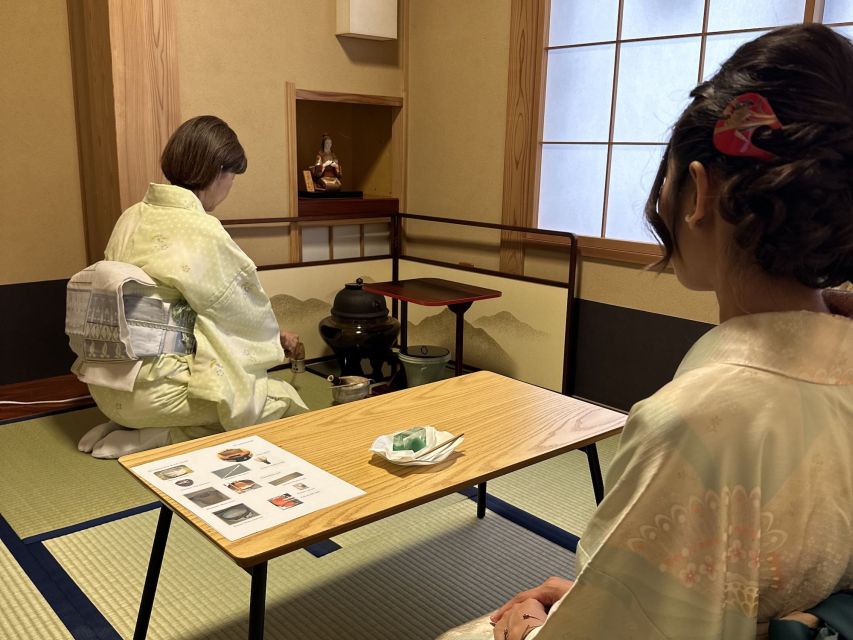
The tea ceremony forms the heart of the outing. An experienced tea ceremony instructor prepares matcha while you watch the careful sequence of movements. The value is in the process: the handling of the tools, the measured pace, and the respect built into each action.
You receive professionally prepared matcha and tea sweets during the ceremony. The sweets help balance the tea’s bitterness and make the tasting feel like a complete part of the ritual rather than a quick drink.
The instructor also explains what is happening, making the ceremony accessible even if you know little about Japanese tea culture. You are not expected to understand every rule in advance. Instead, you can watch first, ask questions through the English or Japanese instruction available, and then try the process yourself.
This is where the activity feels more meaningful than a demonstration alone. You have time to observe before being asked to participate. The ceremony is presented with calmness and dignity, but the atmosphere remains friendly and approachable.
Making your own matcha
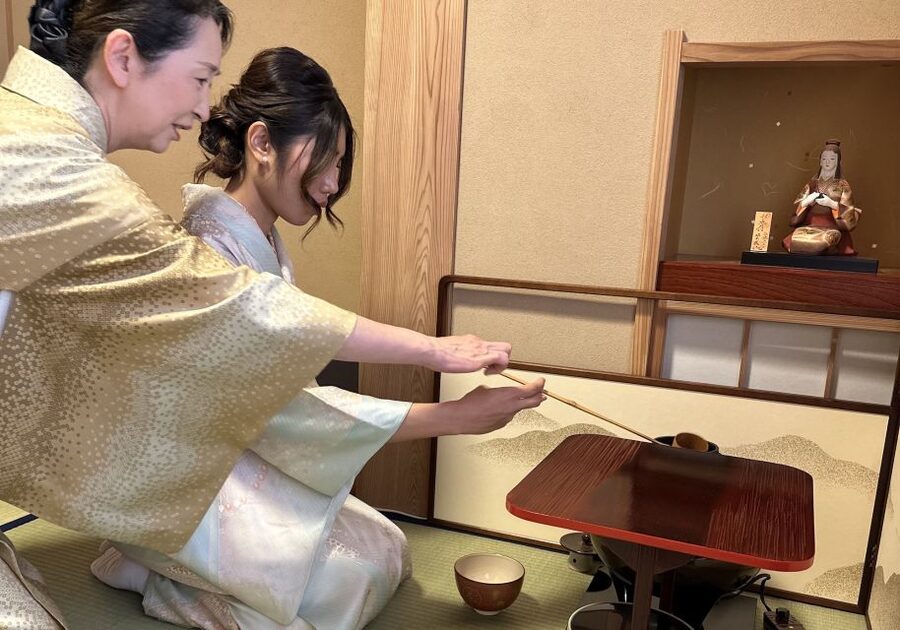
After watching the instructor, you prepare your own tea. This practical part helps you understand how much care goes into a bowl of matcha. You are not simply told about the ritual. You use the equipment and take part in the movements.
Your tea may not look exactly like the instructor’s, and that is part of the fun. The point is to experience the method and rhythm, not to produce a perfect bowl on your first attempt.
You can enjoy both the professionally prepared matcha and the tea you make yourself. That comparison gives you a clearer sense of the craft. It also makes the session suitable for people who prefer hands-on activities over passive demonstrations.
Sitting on the floor can be difficult for some people, especially in formal clothing. The hosts can provide a table, chairs, and other equipment to reduce leg strain. Ask for this support if you need it. You do not have to endure discomfort to take part properly.
Photography with an iPhone 14 Pro
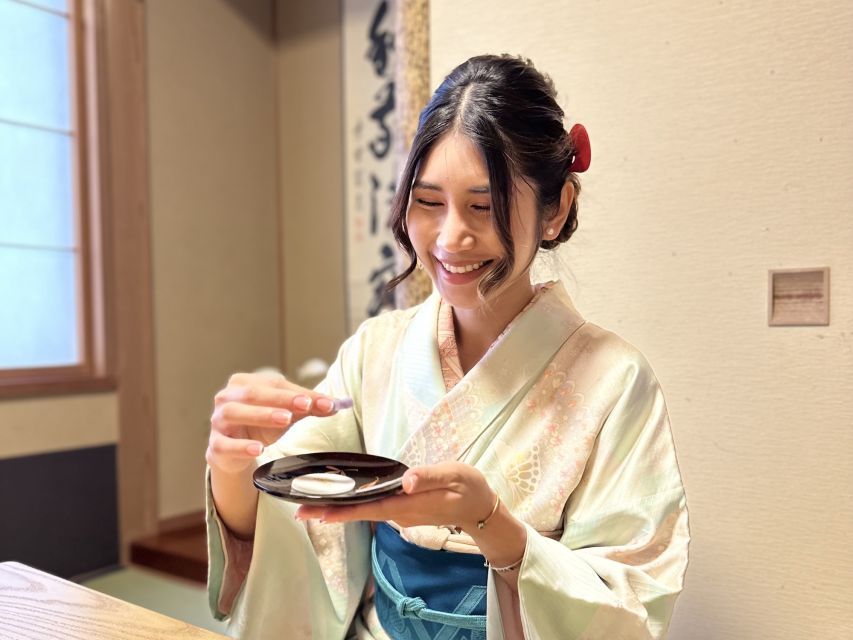
Photography is included, and Sayoko usually uses an iPhone 14 Pro. She takes pictures at the shrine and in the tea room, giving you a record of both the formal and outdoor parts of the activity.
The photographs are not an extra stop added at the end. The clothing, shrine visit, tea room, and walking instruction all create different settings and poses. Sayoko also has the advantage of knowing how the kimono should sit and how you can hold yourself in it.
You can expect a relaxed photo session rather than a full professional shoot. If you want studio-level portrait work, a professional photographer is available for an additional fee. Professional hair and makeup can also be arranged at extra cost.
That distinction helps you judge the price fairly. The standard fee includes useful personal photographs, but it does not include a dedicated professional photographer or salon service.
What $115 includes, and what it does not
At $115 per person, the price is reasonable if you want several services combined into one small-group activity. You receive the garment, obi, accessories, dressing help, tea, sweets, instruction, shrine guidance, umbrella support, and iPhone photography.
You are also paying for the time and attention of a small operation. With a maximum of three participants, the hosts can spend more time adjusting clothing, explaining etiquette, and helping with photographs than a large group could allow.
The price is less compelling if you mainly want to rent a kimono for a short walk. In that case, a simple rental may cost less and give you more freedom to explore. Here, you are paying for the structured cultural lesson and the tea ceremony as much as for the clothes.
Professional hair and makeup are extra. A professional photographer is extra too. Ask about those additions if polished portraits are your main goal. For most people, the included iPhone photographs should be enough for personal memories and social sharing.
Who will get the most from this activity
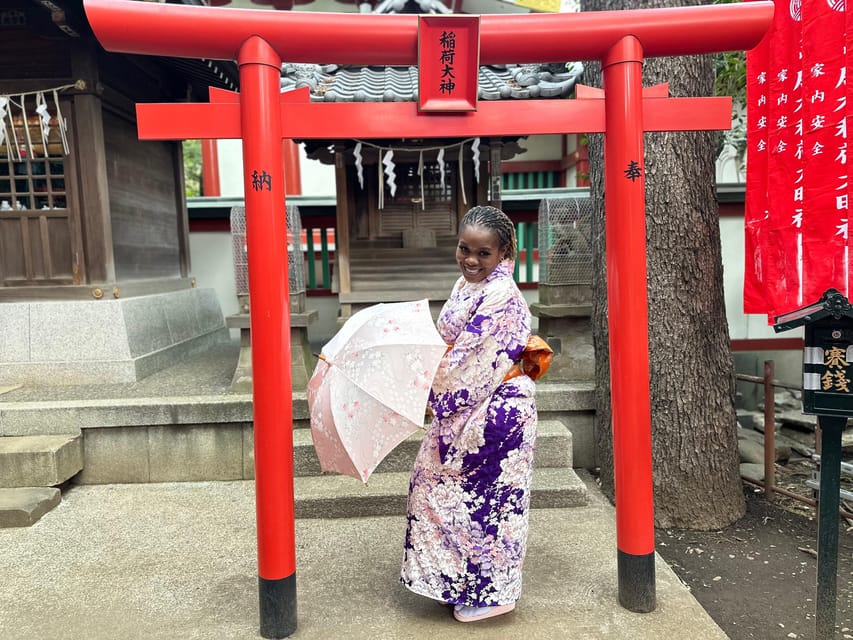
I would recommend this to you if you want a gentle introduction to Japanese customs with clear instruction and a personal feel. It suits couples, solo visitors, and small family groups who enjoy dressing up but also want to understand what they are doing.
It is particularly good for first-time visitors who feel unsure about shrine manners or tea ceremony etiquette. Sayoko explains not only the tea itself, but also how to behave in the shrine and how to move in the clothing.
You should also consider it if photography matters. The combination of a local shrine, tea room, traditional garments, and an attentive guide gives you a stronger visual record than a standard indoor dressing session.
This is less suitable if you dislike formal rituals, sitting for a tea ceremony, or following instructions about posture and movement. It also may not fit if you want a long sightseeing walk or a detailed tour of Tokyo’s major landmarks. The activity is focused and intimate by design.
Booking details that can affect your day
The activity is offered in English and Japanese. Sayoko normally contacts you within 12 hours of booking to help with your garment choice. Check your messages and reply promptly, since the kimono selection must be completed by the day before.
You can reserve now and pay later, which helps if your Tokyo schedule is still changing. Free cancellation is available up to 24 hours in advance for a full refund. The date and time may also be customized, so contact the host if the listed starting times do not fit your plans.
Keep the full 2.5 hours free. Dressing, the walking lesson, shrine visit, photos, tea demonstration, and hands-on preparation all form part of the session. Rushing off halfway would undercut the value.
Should you book it?
Book this activity if you want more than a kimono photo rental. The strongest reasons are the small group size, Sayoko’s personal guidance, the shrine etiquette lesson, and the chance to make matcha after watching an experienced instructor.
At $115, the package offers good value for someone who wants clothing, instruction, refreshments, cultural context, and photos in one sitting. Just remember that professional photography and hair and makeup cost extra, and that the session is a focused cultural activity rather than a general Tokyo tour.
I would choose it for a first or second visit to Japan, especially if you want a calm morning or afternoon that connects appearance with real customs. If you prefer independent sightseeing and dislike structured ceremonies, spend the money elsewhere. For everyone else, this is a thoughtful way to meet Japanese tea culture with care and a few excellent pictures to take home.
FAQ
How long does the tea ceremony and kimono activity last?
The activity lasts 2.5 hours.
How many people can join the activity?
The group is limited to three participants.
What languages are available?
Instruction is available in English and Japanese.
What do I wear in summer?
You wear a yukata, which is a summer cotton kimono.
What do I wear in winter?
You wear a traditional kimono. The collection includes silk garments made using traditional methods.
How do I choose my kimono?
After booking, Sayoko contacts you through GetYourGuide or WhatsApp. You must choose your kimono or yukata by the day before the activity.
Is tea included?
Yes. Matcha green tea and tea sweets are included. You receive professionally prepared matcha and also make your own tea.
Are photographs included?
Yes. Photography with an iPhone 14 Pro is included, with pictures taken at the shrine and tea room.
Can I book a professional photographer?
Yes. A professional photographer is available for an additional fee.
Is hair and makeup included?
No. Professional hair and makeup can be arranged for an additional fee.
What happens if it rains?
The activity takes place rain or shine. A kimono upcycling umbrella is included, and a plastic umbrella is available if it rains.
Can I avoid sitting on the floor?
Yes. A table, chairs, and other equipment can be provided to help prevent leg pain.
Just added around Tokyo
- Tokyo: Shinjuku & Shibuya historical guided photoshoot Tour★ 5.0 · 2 reviews
- Asakusa Kimono/Yukata Rental & Photography_Tsutsuji★ 5.0 · 12 reviews
- Asakusa Kimono Photography Tour★ 5.0 · 8 reviews
- Travel Tokyo with Your Own Personal Photographer★ 5.0 · 43 reviews
- Personal Travel and Vacation Photographer Tour in Tokyo★ 5.0 · 19 reviews
- Tokyo: Photo Shoot with a Private Vacation Photographer★ 5.0 · 53 reviews
- Tokyo: Photography Masterclass – Private Photo Lesson★ 5.0 · 7 reviews
- Blade Runner photo workshop in Shibuya with Laurence Bouchard★ 5.0 · 15 reviews
Kimono & Costume Photoshoots, compared.
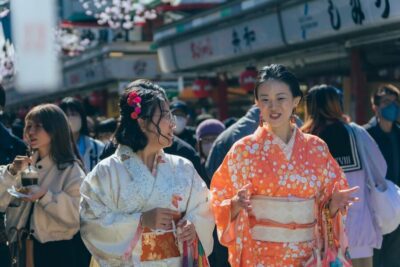
Kimono Dressing, Walking, and Photography Session
Read our review →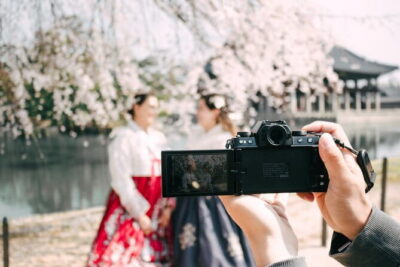
Hanbok Photoshoot and History Tour at Gyeongbokgung Palace
Read our review →

Witch Costume Photo Shoot – Olde Salem Village theatrical set
Read our review →
Witch Costume Photo Shoot – Witch Cottage theatrical set
Read our review →
Professional Photography Tour Optional Ao Dai Dress in Hoi An
Read our review →Browse the lists this tour appears in