
REVIEW · TOKYO
:Tokyo,Shibuya/ Pro Photography in Kimono / English-Friendly
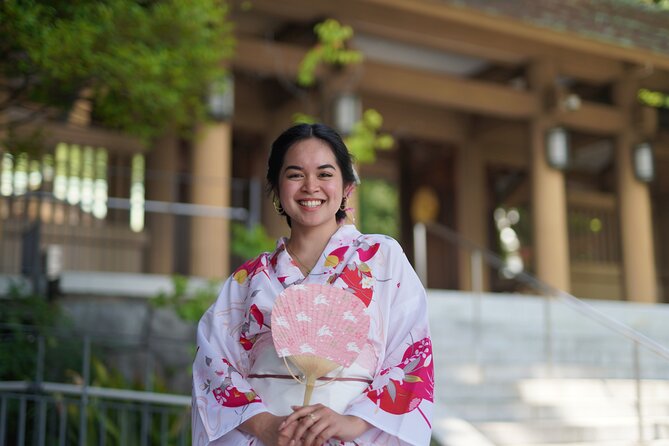
The best part of this Harajuku experience is the balance between traditional kimono dressing and a short, polished photoshoot. You can choose from styles for women, men, and children, then take photos in a Japanese-designed studio or outside near shrines, gardens, parks, and Harajuku streets.
I like the small private-group format and the helpful English-speaking staff. I also like that you do not need to spend a whole day walking in a kimono. The main consideration is finding the studio, since the building has little or no visible signage, and hair styling costs an additional 2,000 JPY per person.
Key Points
- Three minutes from Meiji Shrine and two minutes from Takeshita Street: The studio is well placed for a Harajuku day.
- Private one-hour appointment: You get personal help with clothing, dressing, and posing rather than joining a large group.
- Indoor or outdoor photos: Choose a studio session or discuss an outdoor spot such as a shrine, park, garden, or nearby street.
- Kimono choices for the whole family: Women, men, and children can select from the available collection.
- Up to 140 digital photos: Images are sent by email or AirDrop, but they are not edited.
- Hair styling costs extra: Add 2,000 JPY per person at the shop if you want this service.
A Kimono Session in the Heart of Harajuku
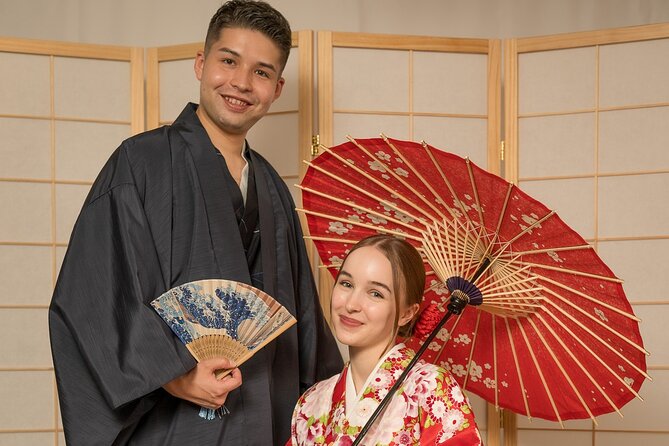
SHIBUI gives you a quick way to enjoy kimono without committing to a full day of walking, eating, and sightseeing in traditional clothing. The appointment lasts about an hour, with roughly 15 minutes devoted to the actual photoshoot.
That timing matters. A full-day kimono rental can be tiring, especially if you are not used to the firm layers and formal posture. Here, you get the visual pleasure of wearing a kimono and the keepsake photos, then change back into your normal clothes before continuing around Tokyo.
I see this as a good fit for a solo visitor, a couple, or a family that wants a cultural activity with a clear finish time. Since the group is private, the staff can focus on your clothing choices and help you feel at ease in front of the camera.
The price is listed as $137 per group of up to one person, so it is best understood as a solo booking price. For one person receiving dressing, kimono rental, accessories, a photographer, and digital images, the cost can make sense. For couples or families, check the booking details carefully, since the supplied price is specifically described as being for a group of up to one person.
More Costume Photoshoots in Japan
- Tokyo: Kimono Dressing, Walking, and Photography Session
★ 4.9 · 427 reviews - Tokyo Authentic Kimono Rental in Asakusa with Photography Option
★ 5.0 · 46 reviews - Tokyo:Genuine Tea Ceremony, Kimono Dressing, and Photography
★ 5.0 · 33 reviews
Finding Jingumae Room 413
The meeting point is Jingumae Room 413 in Harajuku Cope Anex. This is close to two of Harajuku’s main sights, Meiji Shrine and Takeshita Street, but the building can be hard to recognize.
You may arrive at the correct spot and still wonder if you are in the right place. There are few obvious signs, and the studio is in a private-home-style building. I recommend saving the address, reservation code, and contact details before leaving your hotel.
If you feel lost, call the shop. Staff can come out to meet you, which has helped people who were standing directly in front of the building without realizing it. This is a small point, but it can prevent an anxious start to an otherwise relaxed appointment.
The location is useful for planning. You can visit Meiji Shrine before or after the session, then walk to Takeshita Street for shops and snacks. The close setting also means you do not need to build a separate cross-city transfer into your day.
Choosing Your Kimono and Accessories
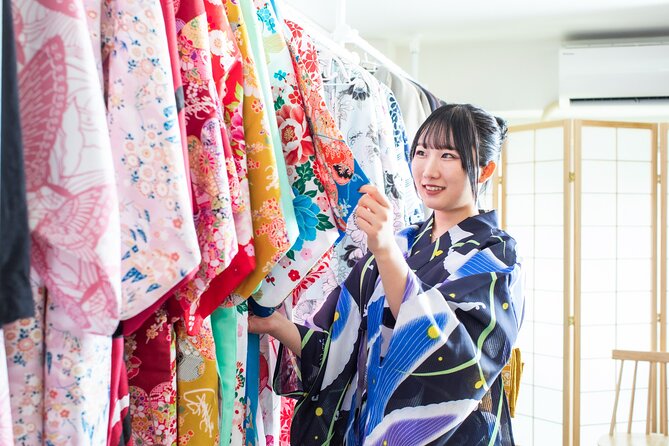
After check-in, the staff explain the process and discuss your clothing and photo location options. You then select a kimono from the collection, along with matching accessories.
The range includes women’s, men’s, and children’s kimonos, making this more flexible than a women-only dressing session. Families can coordinate their choices, while solo visitors can select a color and style that suits their own taste.
The selection process is part of the fun, but it is also where the staff’s help matters. If you have never worn a kimono, it can be hard to judge which layers belong together or how formal a particular look feels. The attendants explain the clothing pieces and cultural details as they dress you.
You should allow yourself a few minutes to make a choice rather than grabbing the first attractive pattern. The staff can help you compare colors, accessories, and the setting where the photographs will be taken. If your photos will be outdoors, think about how the kimono will look against a garden, shrine, or street background.
SHIBUI also offers a kimono selling option. If you find a style you want to keep, ask the staff about available pieces and pricing during your visit.
Getting Dressed by a Skilled Attendant
Kimono dressing is not a quick matter of putting on a robe and tying a belt. The clothing has several layers, and the finished look depends on careful positioning.
A professional dresser assists you throughout this stage. The staff can explain the parts of the outfit and make sure everything sits correctly before you meet the photographer. This is especially useful for children and anyone who has never worn Japanese formal clothing.
The dressing is one of the more personal parts of the appointment. You are not left to work out the outfit alone, and the staff can adjust the fit and accessories to suit you. Several customers have especially appreciated the kindness and care shown by the women handling the dressing.
Hair styling is not included in the base price. It costs an additional 2,000 JPY per person, paid at the shop. This point deserves attention because a few descriptions of the experience refer to hair being done, but the stated service terms say hair styling is an extra. Ask for it clearly when you arrive if you want it.
If you skip the paid hair service, you can still take part in the kimono dressing and photography. Just plan your own hairstyle before arriving.
More Costume Photoshoots in Tokyo
- Asakusa Kimono/Yukata Rental & Photography_Tsutsuji
★ 5.0 · 12 reviews - Asakusa Kimono Photography Tour
★ 5.0 · 8 reviews
Studio Photos or a Short Walk Outside
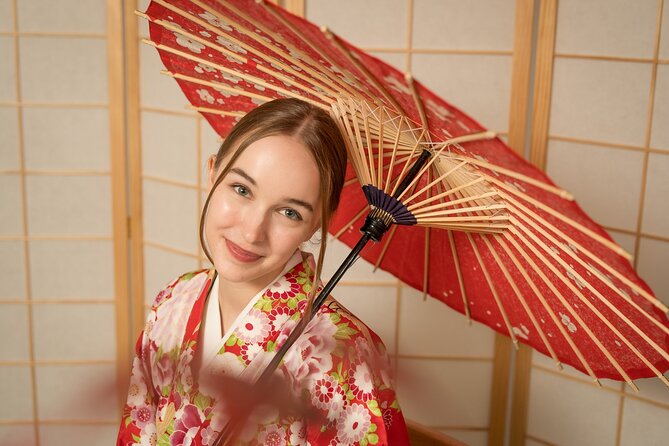
The included photoshoot takes about 15 minutes. You may have your photos taken in the traditional Japanese-designed studio, or you can discuss an outdoor location with the staff.
The studio is the safer choice if you want a controlled setting, a simple schedule, and no concern about weather. It also avoids the extra walking that comes with wearing a kimono outdoors. For a solo visitor, a studio session can feel especially easy because everything happens in one place.
The outdoor option gives you more variety. Available settings can include nearby shrines, gardens, parks, or streets around Harajuku. One common arrangement is a short walk of roughly three to five minutes to a nearby park, where the photographer takes the main set of pictures.
Outdoor photos also bring some uncertainty. The exact place is negotiated rather than fixed in the supplied details, so you should ask what locations are available on your date. Weather, light, and public activity may affect the final setting. The benefit is a more local feel, with the streets and small green spaces of Harajuku forming the background instead of a studio wall.
The photographer takes up to 140 images. That is a generous number for a 15-minute session, though you should not expect every frame to be retouched. The images are supplied unedited, either by email or AirDrop. If you want polished portrait editing, this is not that kind of package.
I like the honest tradeoff here: you receive many digital memories quickly, but you are responsible for choosing your favorites and making any edits afterward.
Why the Staff Matter
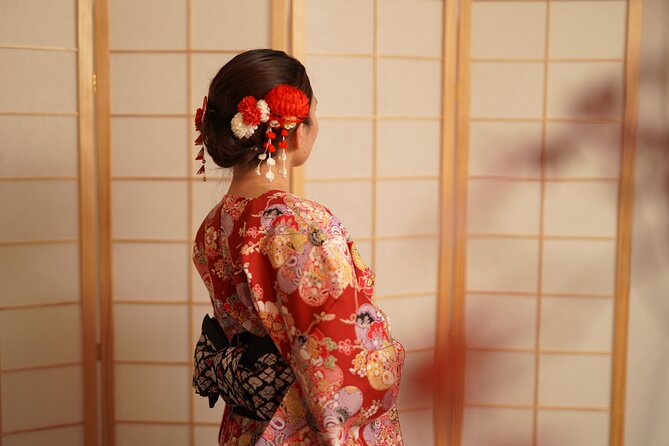
An English-speaking host or greeter is available, and the service is conducted in English. That makes the practical steps much easier, from choosing the kimono to discussing the photography location.
The staff also help with the cultural side of the experience. You can learn what the clothing pieces are for and how the outfit is assembled rather than treating the kimono as a costume you put on without context.
The personal tone is one of SHIBUI’s strongest features. The appointment is private, and the staff have time to ask where you are from and help you feel comfortable. That is useful during the photoshoot, when many people are unsure how to stand or where to look.
The photographer can guide your poses and move you between nearby locations if you choose an outdoor session. You are not expected to arrive knowing how to pose in formal clothing.
A Better Alternative to the Crowds Around Senso-ji
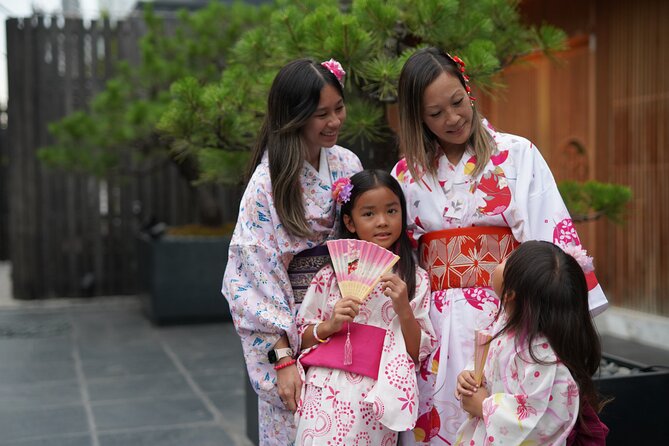
If you picture kimono photographs in Tokyo, you may first think of Asakusa and Senso-ji. Those places offer famous scenery, but they can also be crowded, making a calm portrait session harder.
The Harajuku setting gives you a different kind of Tokyo backdrop. You are close to Meiji Shrine, Takeshita Street, and small neighborhood spaces, while the studio provides a quieter base away from the largest sightseers.
I would choose SHIBUI over a crowded temple-area rental if your main goal is good photographs and personal help rather than walking around in kimono all day. You spend less time managing the clothing and more time working with the dresser and photographer.
The tradeoff is that you should not expect a large, famous temple backdrop to be guaranteed. The outdoor location is discussed with the staff, and the included information names several possible types of places rather than one fixed route.
What the One-Hour Schedule Looks Like
The appointment follows a clear sequence:
- You arrive and check in with your reservation code and number.
- Staff explain the service and discuss the kimono and photo location.
- You choose your clothing and accessories.
- A professional dresser helps you put on the kimono.
- The photographer takes studio or outdoor portraits.
- You change back into regular clothes.
- Your digital photo data is sent by email or AirDrop.
This schedule is efficient, but do not treat the one-hour duration as a full hour of photography. The actual shooting time is about 15 minutes. The rest covers consultation, dressing, undressing, and image delivery.
That is still enough time for the experience to feel complete. You get help with the difficult parts and do not have to carry the clothing around Tokyo afterward.
Who Will Get the Most From This Experience
I would recommend this for a solo visitor who wants professional-looking kimono photos without asking a stranger to take pictures. It also suits couples and families who want a shared cultural activity with clothing for children and men as well as women.
It is a strong choice if you:
- Want a private appointment in English
- Prefer a short session to a full-day rental
- Care more about photographs than long sightseeing in kimono
- Are staying near Harajuku, Meiji Shrine, or Takeshita Street
- Want staff to handle the dressing
- Like the option of studio or outdoor portraits
I would think twice if you want fully edited images, an all-day kimono walk, or a guaranteed famous Tokyo landmark in every photograph. The supplied images are unedited, the shoot is short, and the outdoor location is arranged rather than fixed.
The experience is also less suitable if you need a highly visible storefront. The studio’s limited signage can be confusing, so you must be willing to use the contact information and call if needed.
Booking Details Worth Knowing
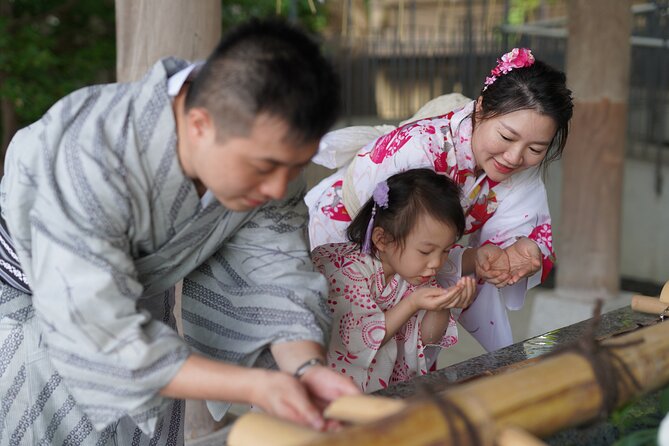
The activity is private, and the host or greeter speaks English. The duration is one hour, with start times depending on availability.
You can cancel up to 24 hours before the appointment for a full refund. A reserve-now, pay-later option is also available, which helps if your Tokyo schedule is still changing.
The base service includes kimono selection, accessories, dressing, and approximately 15 minutes of studio photography. It also includes the photo data. Hair styling is separate at 2,000 JPY per person.
Before booking, I would confirm three things: the final price for your group, the preferred indoor or outdoor setting, and how you will receive the files. The stated delivery methods are email or AirDrop.
Should You Book SHIBUI?
Book it if you want a short, personal kimono portrait session near Harajuku and value kind English-speaking assistance. The strongest reasons are the private format, the choice of clothing for all ages and genders, and the easy combination of dressing and professional photography in one appointment.
The main cautions are clear: finding the building may take a phone call, hair styling costs extra, the photo session itself lasts about 15 minutes, and the images are not edited.
For a solo visitor, family, or couple who wants a lasting Tokyo memory without spending an entire day in formal clothing, I think the $137 solo-group price can be worthwhile. Save the address, arrive with your reservation details, and ask about outdoor locations and hair styling before you begin.
FAQ
Where is the kimono photoshoot located?
The meeting point is Jingumae Room 413 in Harajuku Cope Anex, near Meiji Shrine and Takeshita Street.
How long does the activity last?
The full activity lasts about one hour.
How long is the actual photoshoot?
The included photoshoot lasts approximately 15 minutes.
Is the activity private?
Yes. It is offered as a private group experience.
Is English support available?
Yes. The host or greeter and service staff speak English.
Are kimono and accessories included?
Yes. Kimono selection, kimono rental, and accessories rental are included.
Are kimonos available for men and children?
Yes. The collection includes options for women, men, and children.
Is hair styling included?
No. Hair styling costs an additional 2,000 JPY per person, paid at the shop.
Where are the photos taken?
Photos are mainly taken in the indoor studio or at an outdoor location discussed with the staff. Possible outdoor settings include shrines, parks, gardens, and streets.
How will I receive the photos?
You can receive the photo data by email or AirDrop. Up to 140 photos may be taken, and the images are provided unedited.
Just added around Tokyo
- Tokyo: Shinjuku & Shibuya historical guided photoshoot Tour★ 5.0 · 2 reviews
- Asakusa Kimono/Yukata Rental & Photography_Tsutsuji★ 5.0 · 12 reviews
- Asakusa Kimono Photography Tour★ 5.0 · 8 reviews
- Tokyo: Photo Shoot with a Private Vacation Photographer★ 5.0 · 53 reviews
- Travel Tokyo with Your Own Personal Photographer★ 5.0 · 43 reviews
- Personal Travel and Vacation Photographer Tour in Tokyo★ 5.0 · 19 reviews
- Tokyo: Photography Masterclass – Private Photo Lesson★ 5.0 · 7 reviews
- Blade Runner photo workshop in Shibuya with Laurence Bouchard★ 5.0 · 15 reviews
Kimono & Costume Photoshoots, compared.
Kimono Dressing, Walking, and Photography Session
Read our review →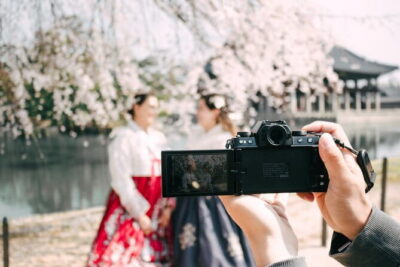
Hanbok Photoshoot and History Tour at Gyeongbokgung Palace
Read our review →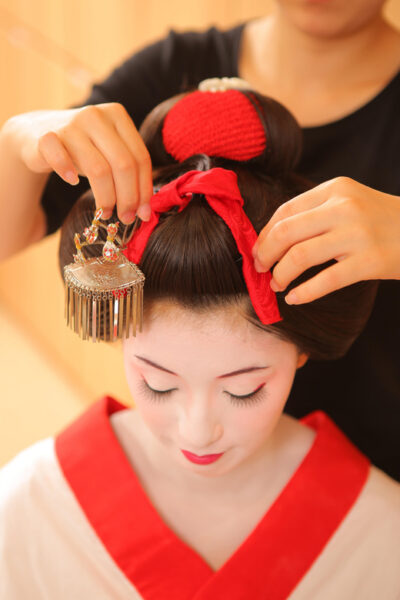
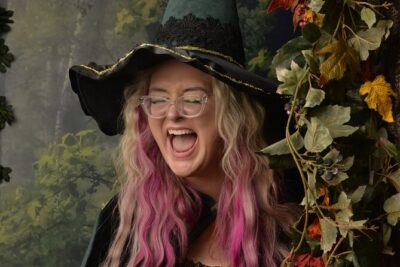
Witch Costume Photo Shoot – Olde Salem Village theatrical set
Read our review →
Witch Costume Photo Shoot – Witch Cottage theatrical set
Read our review →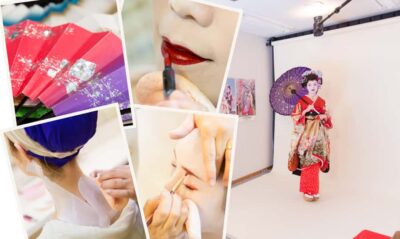
Professional Photography Tour Optional Ao Dai Dress in Hoi An
Read our review →Browse the lists this tour appears in