REVIEW · TOKYO
Guided Tour of Walking and Photography in Asakusa in kimono
The most appealing part of this Asakusa outing is that the kimono is not just a costume for a quick photo. You wear it while walking through Kaminarimon, Nakamise Street, Senso-ji Temple, and the Sumida River Terrace, with a guide who understands both kimono dressing and Tokyo sightseeing. I especially like the personal photos and the small group limit of seven. Your guide can frame shots for you, so you are not stuck taking selfies all afternoon.
There are two things to keep in mind. The kimono fitting takes about an hour, and optional hair styling or upgraded kimono choices cost extra. Also, one booking had a serious 45-minute wait after the reservation was misplaced, so confirm the meeting details before the day and arrive at the correct Asakusa Station exit.
Key points to know before booking
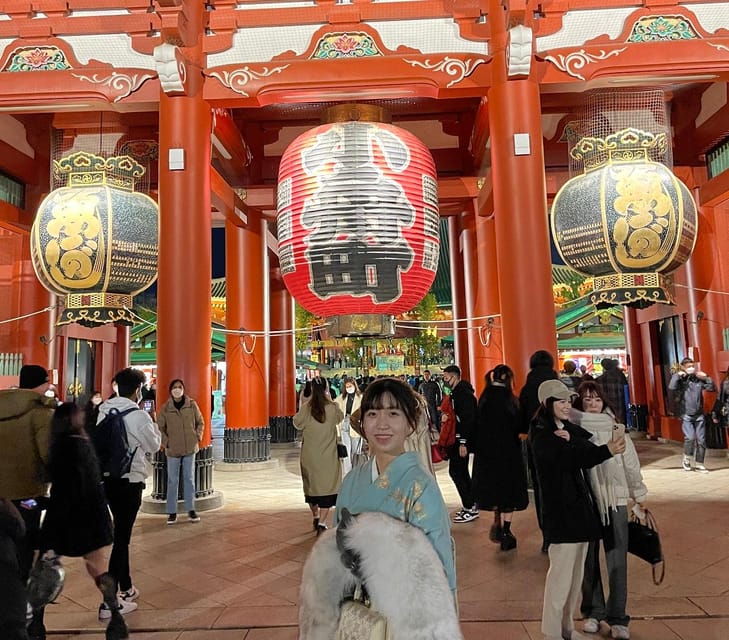
- Kimono fitting takes about one hour: You choose the garment, hairstyle, and adjustments before sightseeing begins.
- Emiko has earned especially warm praise: Her help with fittings, cultural explanations, food suggestions, shopping, and family needs has been a highlight for several bookings.
- The route is built for photographs: Kaminarimon, Senso-ji, the pagoda, Tokyo Skytree, cherry blossoms, and the river terrace all offer different backdrops.
- Your guide takes pictures with your camera: This is useful for couples, families, and solo visitors who want more than phone selfies.
- The group is limited to seven people: That allows more room for fitting advice and photo help than a large walking tour.
- The $116 fee covers the standard kimono and guiding: Hair upgrades, optional kimono choices, food, transport, and entrance fees are separate.
Why a kimono changes the Asakusa walk
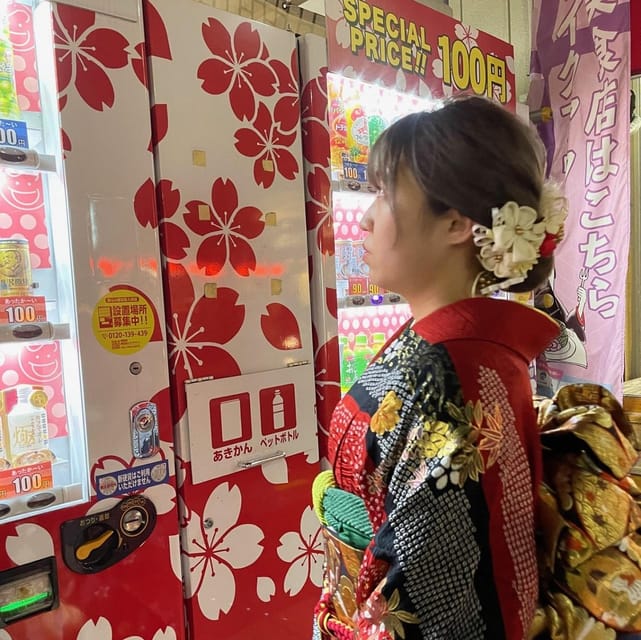
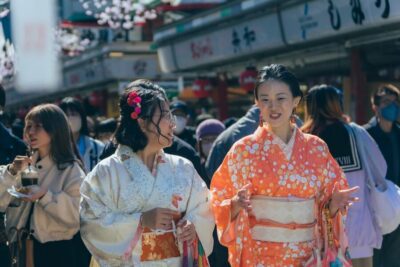
Asakusa is one of Tokyo’s best areas for old-style streets, temple architecture, souvenir shops, and views toward the Tokyo Skytree. A kimono fits the setting in a way ordinary sightseeing clothes do not. You become part of the visual character of the district, at least for a few hours, and the guide helps you choose spots where the clothing and surroundings work together.
This is not a formal history lecture or a temple-only visit. It is a gentle mix of dressing, walking, photography, and cultural advice. The guide has qualifications in kimono dressing and domestic travel itinerary management, which matters when you need help with the garment as well as the route.
The strongest personal touch comes from the guide’s camera help. You bring your own camera or phone, and the guide takes photos for you. That removes the usual problem of finding a stranger to take a couple’s picture or trying to fit a whole family into a selfie. Emiko has received particular praise for taking many attractive photos and videos, helping with shopping, and explaining cultural points along the way.
More Costume Photoshoots in Japan
- Tokyo: Kimono Dressing, Walking, and Photography Session
★ 4.9 · 427 reviews - Tokyo Authentic Kimono Rental in Asakusa with Photography Option
★ 5.0 · 46 reviews - Tokyo:Genuine Tea Ceremony, Kimono Dressing, and Photography
★ 5.0 · 33 reviews
Starting at Asakusa Station and choosing your kimono
Meet at Asakusa Station on the Ginza Line, Exit 1. Look for the guide holding a sign or light with the LightSpeedStar logo in orange. This detail matters because Asakusa has several railway lines and station entrances, and a rushed start is no fun when a kimono appointment is waiting.
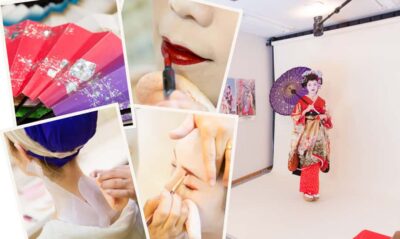
From the station, you walk about five minutes to the kimono shop. The fitting and preparation take roughly one hour. You select from the available standard choices, choose a hairstyle, and have the garment adjusted to fit. The guide advises you from a Japanese cultural point of view, including how the colors and style work with the day’s sightseeing.
The standard kimono fee is included in the $116 price. You may pay extra for optional items, upgraded selections, or additional hair choices. The exact range of choices can vary, so think of the included option as a solid starting point rather than an unlimited wardrobe.
Allow yourself patience during this part. A kimono has layers and needs careful adjustment. You will not be dressed and out the door in ten minutes. That hour is a major part of the experience, especially if you enjoy clothing, photography, and Japanese customs. If your priority is seeing as many Tokyo sights as possible, however, the fitting time reduces the amount of walking you can do.
Kaminarimon Gate gives you the classic Asakusa photograph
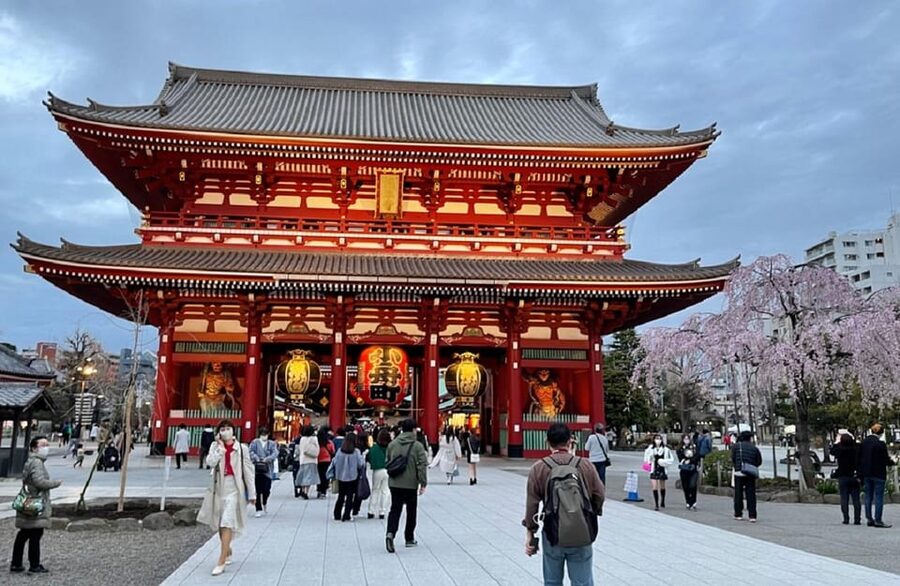
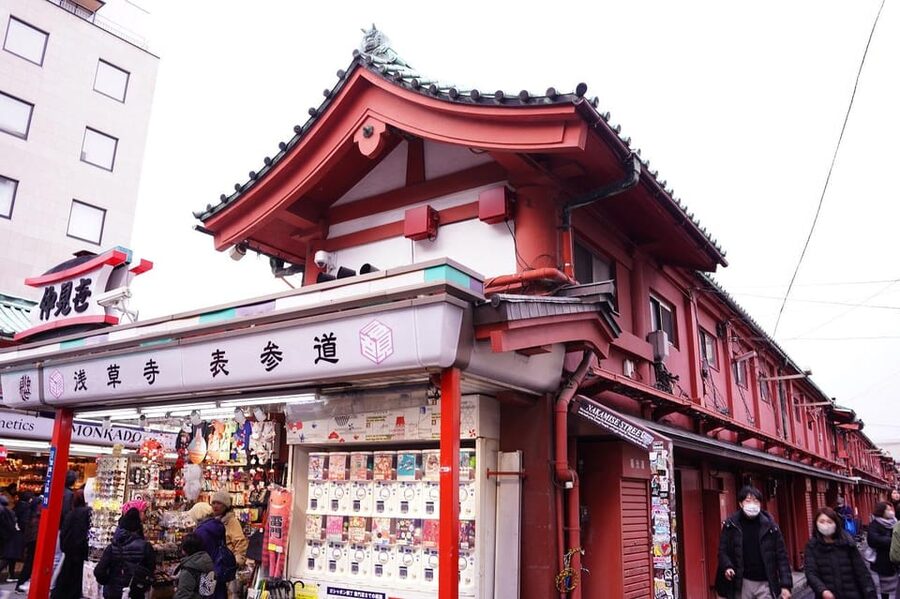
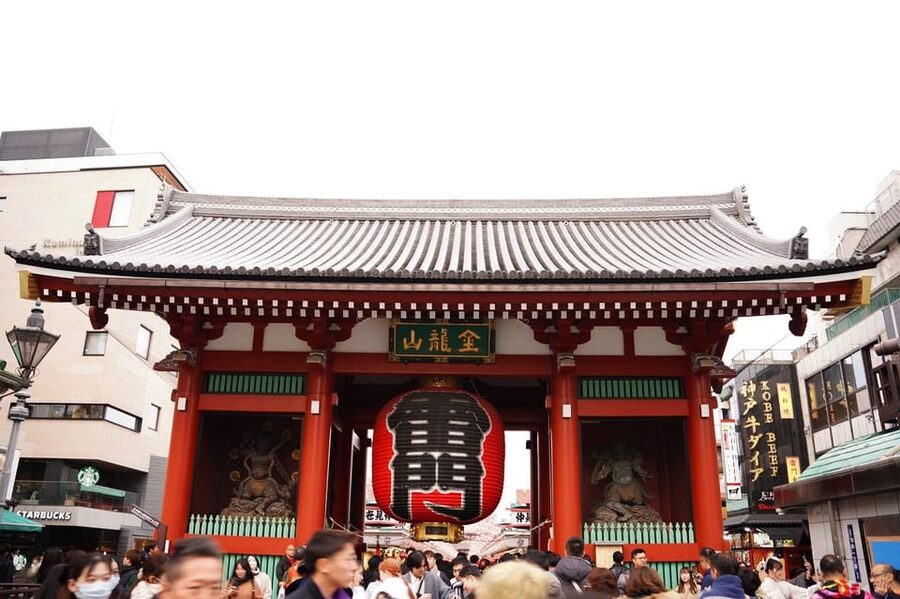
Once dressed, you walk toward Kaminarimon Gate, the main entrance to Senso-ji. Its official name is Kaminari Gate, but most people know it by Kaminarimon. The large gate and its famous lantern provide the first unmistakable Asakusa backdrop.
This is one of the busiest points on the route, so your guide’s timing and positioning are useful. You can take photographs that show the gate, your kimono, and the scale of the entrance without simply pointing your phone at the crowd. The guide also knows how to place you in relation to the surrounding streets.
The visit here is listed at about ten minutes, followed by more walking and free photo time later in the route. Do not expect a long stop at the gate itself. The value lies in using it as the opening image for the day before moving into the shopping street and temple grounds.
Nakamise Street brings shopping into the experience
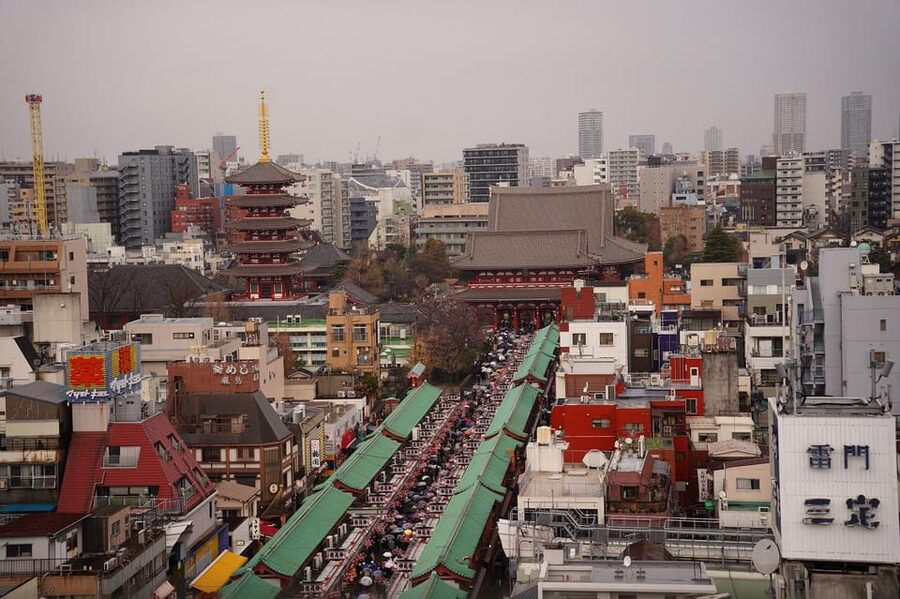
From Kaminarimon, you continue along Nakamise Shopping Street, one of Japan’s oldest shopping streets. The narrow route is lined with long-established shops and souvenir stores, making it a natural place to browse while wearing the kimono.
The planned stop is about fifteen minutes, so this is a taste of the street rather than a full shopping session. You can look for small gifts and traditional-style items, but keep your time in mind. If you stop at every shop, the rest of the walking schedule may feel hurried.
The guide can help with shopping, a useful benefit if you want advice about souvenirs or need help understanding what you are buying. One of the strongest comments about Emiko specifically praised her help with souvenir shopping and suggestions about food. That kind of practical help can be worth more than another block of general sightseeing.
A kimono also changes how you move through this part of Asakusa. Take shorter steps, watch the pavement, and allow room for the garment. Comfortable shoes are important, though the tour information does not specify which footwear the shop provides or permits. Ask about footwear when the guide contacts you before the tour.
More Costume Photoshoots in Tokyo
- :Tokyo,Shibuya/ Pro Photography in Kimono / English-Friendly
★ 5.0 · 26 reviews - Tokyo: Private Makeover Photography Studio in Luxury Kimono
★ 5.0 · 22 reviews - Asakusa Kimono/Yukata Rental & Photography_Tsutsuji
★ 5.0 · 12 reviews - Asakusa Kimono Photography Tour
★ 5.0 · 8 reviews
Senso-ji Temple and the five-story pagoda
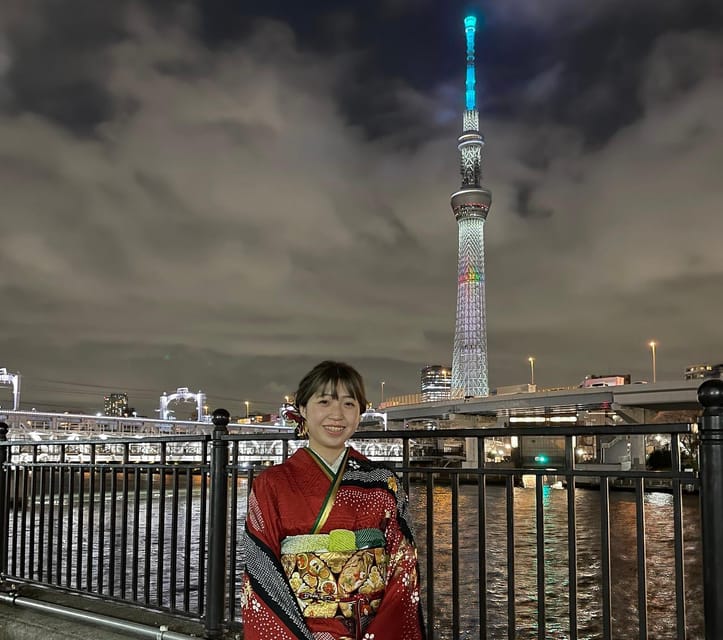
Senso-ji is the central sight in Asakusa, with more than 1,000 years of history. You can offer prayers here and walk through the temple grounds with the guide. The visit is scheduled for about twenty-five minutes, enough for an introduction, photographs, and a look at the main features without turning the tour into a full temple study.
The five-story pagoda is an important Asakusa image and a useful photographic subject. From the temple area, you may be able to frame the pagoda, cherry blossoms, and Tokyo Skytree together. That combination gives you a picture with several layers: traditional religious architecture in the foreground, seasonal trees nearby, and modern Tokyo in the distance.
Cherry blossoms are seasonal, of course, so you should not book this experience expecting them at every time of year. The route includes the possibility of photographing them, but the flowers depend on your travel dates. The temple and Skytree remain part of the setting even when the trees are green or bare.
Your guide can also explain appropriate behavior around the temple. The activity is not only about looking good in pictures. You have a chance to take part in a living religious site, and a little guidance helps you do so respectfully.
Extra time at Kaminarimon for photographs
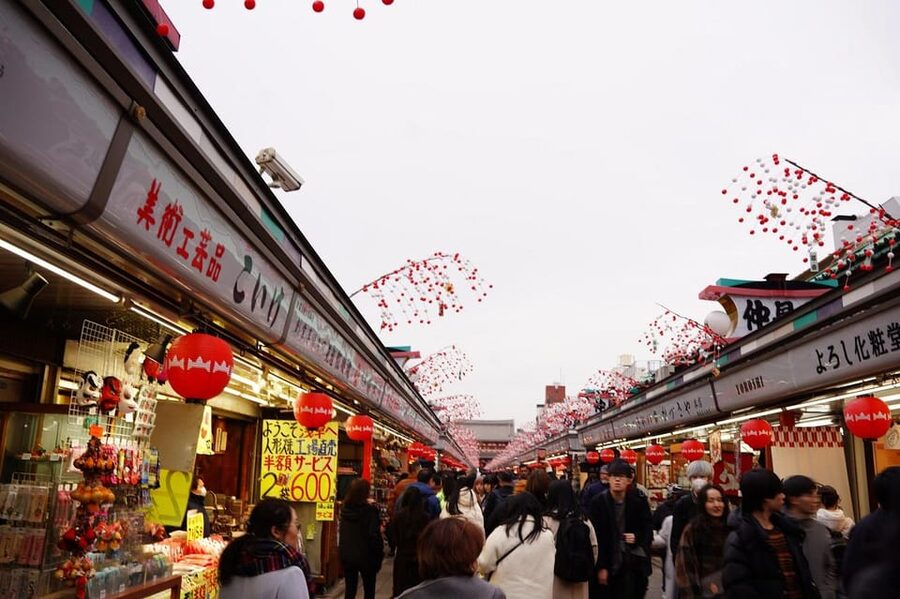
The schedule returns to Kaminarimon for about thirty minutes of free time and photography. This may seem like a repeat, but it gives you more control over the pictures than the brief first visit.
You can try different poses, angles, and group arrangements. Couples can take photographs together, parents can include children, and solo visitors can hand over the camera to the guide. One family booking specifically praised Emiko’s kindness and practical help with a two-year-old child, so families should not assume the activity is only for adults.
Still, a kimono and a young child require some patience. The guide’s help can make the session easier, but the experience remains a four-hour walking activity with a substantial dressing period. Families should decide if their children will be comfortable with the clothing, temple walk, and photo stops.
Sumida River Terrace and the Tokyo Skytree backdrop
The route then heads on foot to Sumida River Terrace, near the left bank downstream from Shirahige Bridge. The walk takes about five minutes, followed by roughly thirty minutes at the terrace.
This is where the photographs change character. Kaminarimon and Senso-ji give you the classic temple setting. The river terrace gives you open space, Tokyo Skytree, and, when in season, cherry blossoms. The guide can help place you so the kimono, water, tower, and trees share the frame.
This stop is also a useful change of pace. The temple district can feel compact and crowded, while the river offers a more open view. You are still close to Asakusa, but the photographs feel less like standard temple snapshots.
The route returns to the kimono shop for a final fifteen-minute photo stop, then continues back toward Asakusa Station. The official schedule comes to about four hours, including walking, fitting, photography, and the return.
What the $116 price really covers
At $116 per person, this is not the cheapest way to see Asakusa. You are paying for more than a kimono rental, though. The price includes the standard kimono fee, an English-speaking guide, and guidance from someone qualified in domestic travel itinerary management. The small group limit of seven is also part of the value.
I would compare the price with three separate expenses: a kimono rental, professional or assisted photographs, and a private or small-group Asakusa walk. If you would rent a kimono anyway, the guide’s route knowledge and camera help make the package more attractive.
You should budget extra for optional kimono fees and hairstyle choices. Entrance fees, transport, meals, drinks, and personal purchases are not included. The listed route does not depend on paid attractions, but your own spending in Nakamise Street is easy to add.
The activity also offers a next-day return option. If you choose it, you can continue sightseeing in the kimono after the guided portion, and the guide can suggest places to visit. Confirm the exact return arrangements and any related cost before booking, since the standard price information does not detail those terms.
Guide quality, group size, and one important warning
The guide is central to this experience. A well-chosen kimono is helpful, but the day works best when the guide can explain the clothing, manage the route, take pictures, and answer ordinary Tokyo questions. Emiko has been singled out for being kind, helpful, and good with families. She has also helped with food suggestions, cultural learning, hair choices, shopping, and photography.
The tour is offered in English, Chinese, and Japanese. You should confirm your chosen language at booking. A group of no more than seven people is small enough for personal photo assistance, though the experience is not necessarily private.
There is one clear warning. A verified booking in October 2024 involved a 45-minute wait because the reservation had been misplaced and the guide had to be contacted. That appears to be an isolated poor experience among otherwise strong comments, but it is serious enough to plan around. The company says the guide will contact you about seven days before the date regarding the kimono. Use that contact to confirm the time, meeting point, language, and any clothing options.
No refunds are provided for a no-show or late arrival. The activity allows free cancellation up to 24 hours in advance, which gives you a useful safety margin if your Tokyo plans change.
Who will enjoy this Asakusa experience most
I would choose this for couples, families, solo photographers, and anyone who wants a polished set of Tokyo photographs without arranging a photographer separately. It also suits first-time visitors who want a guide to explain how the kimono fits into Japanese culture rather than simply putting it on for a few minutes.
It is especially good for people who value memory-making over covering a long list of sights. You visit the most recognizable parts of Asakusa, but the main event is the combination of clothing, setting, and photographs.
I would hesitate if you dislike fitted clothing, want a fast walking tour, or plan to spend most of the day in distant parts of Tokyo. The one-hour preparation period is not a minor detail. Nor should you expect every optional hairstyle or garment to be included in the base price.
Should you book this tour?
Book it if you want to wear a kimono through historic Asakusa and return home with photographs taken in several strong settings. The guide’s cultural advice, camera help, and small group size give the outing more substance than a basic rental.
Before paying, confirm the meeting time, language, kimono options, hairstyle fees, and next-day return details. Arrive early at Asakusa Station Exit 1. If you do that, the $116 price can be fair value for a four-hour experience that combines dressing, sightseeing, and personal photographs in one well-planned route.
FAQ
Where does the tour meet?
Meet at Asakusa Station on the Ginza Line, Exit 1. The guide will hold the LightSpeedStar logo, which is orange.
How long does the activity last?
The tour lasts four hours, including kimono preparation, walking, sightseeing, photography, and returning the kimono.
Is the kimono rental included?
The fixed standard kimono fee is included. Optional kimono choices and other upgrades cost extra.
Is hair styling included?
You choose a hairstyle during the preparation, but additional hairstyle choices may require an extra fee. Confirm the available options before the tour.
What language does the guide speak?
Guides are available in English, Chinese, and Japanese. Select or confirm your preferred language when booking.
Will the guide take photographs?
Yes. The guide will take photographs with your camera or phone and will suggest locations that work well with the kimono.
Can I return the kimono the next day?
A next-day return option is available. If you choose it, you can continue sightseeing in the kimono, and the guide can suggest places to visit. Confirm the exact arrangements before booking.
What happens if I arrive late?
No refund is provided for a no-show or late arrival. Free cancellation is available up to 24 hours before the activity.
More Walking Tours in Tokyo
- Tokyo: Personalized Photography and Walking Tour
★ 5.0 · 4 reviews - NYC Professional Photoshoot and Walking Tour with Private Guide
★ 5.0 · 608 reviews - Santorini: Customized Private Photoshoot Walk in Oia
★ 5.0 · 335 reviews - Paris Private Walking Tour with a Personal Photographer
★ 5.0 · 262 reviews
Just added around Tokyo
- Tokyo: Sumo Morning Practice Tour in Ryogoku and Photo Shoot★ 4.7 · 47 reviews
- Tokyo: Customized Private Historical Guided Photoshoot Tour★ 5.0 · 25 reviews
- Tokyo Private photo tour with Nightstreet Neon photographer★ 5.0 · 17 reviews
- Tokyo: Private Makeover Photography Studio in Luxury Kimono★ 5.0 · 22 reviews
- Tokyo: Private Instagramable Customised Tokyo City Day Tour★ 4.2 · 4 reviews
- Tokyo: Private Photoshoot at Shibuya Crossing★ 4.7 · 7 reviews
- Tokyo: Private Photo Shoot with a Professional Photographer★ 5.0 · 11 reviews
- Tokyo Photoshoot Tour with a Local Photographer★ 5.0 · 37 reviews
Kimono & Costume Photoshoots, compared.
Kimono Dressing, Walking, and Photography Session
Read our review →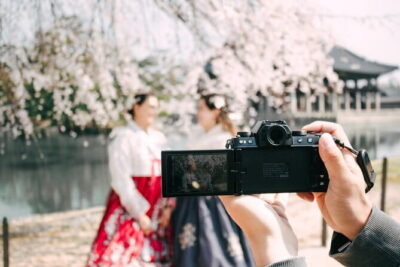
Hanbok Photoshoot and History Tour at Gyeongbokgung Palace
Read our review →

Witch Costume Photo Shoot – Olde Salem Village theatrical set
Read our review →
Witch Costume Photo Shoot – Witch Cottage theatrical set
Read our review →