
REVIEW · KYOTO
Tea Ceremony with Kimono and Professional Photoshoot in Kyoto
Kyoto’s tea ceremony is less about drinking a cup of tea than learning how much care goes into a simple act. Here, you first choose a traditional kimono, watch an English-speaking tea master explain the ritual, and then prepare your own matcha in a traditional house. A photographer records the occasion, with three digital photos sent later by email.
I like the mix of hands-on tea making and dress-up. You are not only watching a ceremony from the sidelines, and the kimono gives the photos real Kyoto character. I also like the small group limit of 10 people, which should make the demonstration easier to follow.
The main drawback is the seating. Much of the ceremony involves kneeling on the floor, though two chairs and tables are available. If kneeling is difficult for you, ask about the seating arrangement as soon as you arrive.
Key points at a glance
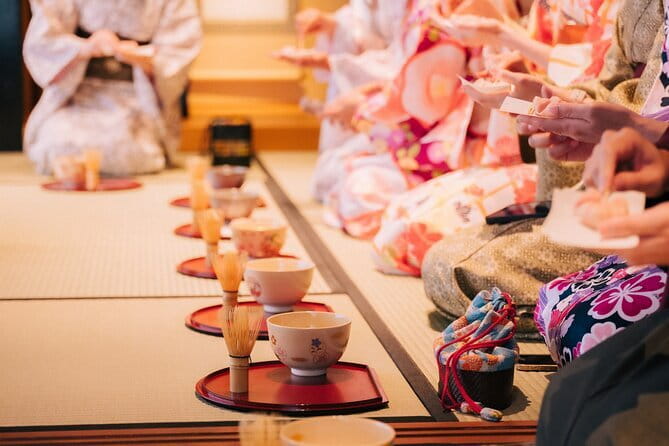
- Choose your own kimono: You select a kimono before the tea portion, and the staff need each person’s height and gender in advance to prepare suitable clothing.
- Make your own matcha: After watching the tea master, you prepare your own green tea and drink it with Japanese sweets.
- Three digital photos included: A professional photographer takes pictures during the experience, and three images are sent by email.
- English explanation: The tea master explains the ritual and its cultural background in English.
- Central Kyoto meeting point: The activity begins and ends at Nishiki Orizuruya, near public transportation in Nakagyo Ward.
- Short, focused format: The experience lasts about 1 hour 45 minutes and has a maximum of 10 people.
What this Kyoto tea ceremony really offers
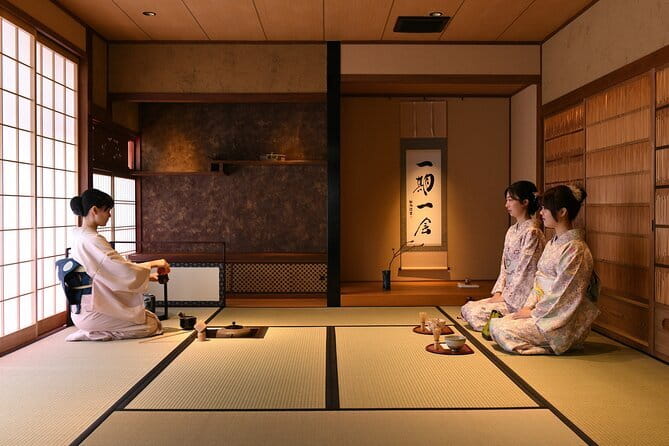
This is a compact cultural activity built around three connected ideas: clothing, tea, and photographs. You do not simply stop in for a quick cup of matcha. You dress in Japanese clothing, watch the formal preparation, try the process yourself, and leave with a visual record of the occasion.
That format makes the experience easy to fit into a Kyoto day. At about 1 hour 45 minutes, it is shorter than a full cultural workshop but long enough to include the main stages. You can schedule it between sightseeing in central Kyoto without giving up most of an afternoon.
The setting matters, too. The activity takes place at Nishiki Orizuruya, a traditional house at 452 Jūmonjichō in Nakagyo Ward. The meeting point is also the end point, so you do not need to arrange transport between separate locations.
This is a hosted introduction rather than a private study session in tea ceremony. You will learn the basic meaning and movements, but the main appeal is taking part in a carefully presented cultural experience.
More Costume Photoshoots in Japan
- Kyoto: Maiko Makeover and Photoshoot Experience
★ 4.7 · 239 reviews - Kyoto: 2-Hour Maiko Makeover and Photo Studio Shoot
★ 4.7 · 117 reviews - Kyoto: Tea Ceremony with Kimono and Photoshoot
★ 4.9 · 90 reviews
Choosing a kimono before the tea begins
Arrive 10 minutes before the scheduled start time and check in at the reception desk. You are then taken to the dressing room, where you choose a kimono from the available selection.
This first step is a big part of the experience. The kimono changes how the tea ceremony feels, and it gives the photos a clear connection to Kyoto. You should provide your height and gender for every participant ahead of time, since the staff need that information to prepare the clothing.
Do not treat the clothing as a minor extra. If you are comparing this activity with a standard tea tasting, the kimono and photography account for much of the difference in price. At $130.78 per person, the experience is not a budget cup of tea, but you are paying for a guided cultural activity with clothing and professional images included.
The information provided does not specify how many kimono designs are available, but the selection is described as varied. You should expect to choose from the clothing prepared for the session rather than bring your own outfit.
Watching the English-language tea demonstration
Once dressed, you watch the tea master perform the ceremony. The demonstration gives you a chance to see the order of the movements before you try them yourself.
Tea ceremony can look mysterious if you only see it from a distance. The measured motions, the tools, and the attention given to preparation all have meaning. The tea master explains the history and culture behind the ritual in English, making this a useful choice if you want context rather than a silent performance.
The clearest praise attached to this part of the experience concerns the tea master’s explanations and friendly manner. That is important because the ceremony has rules that may not be obvious to a first-time participant. A good explanation helps you understand why the process is slow and deliberate instead of making it feel like a string of unfamiliar gestures.
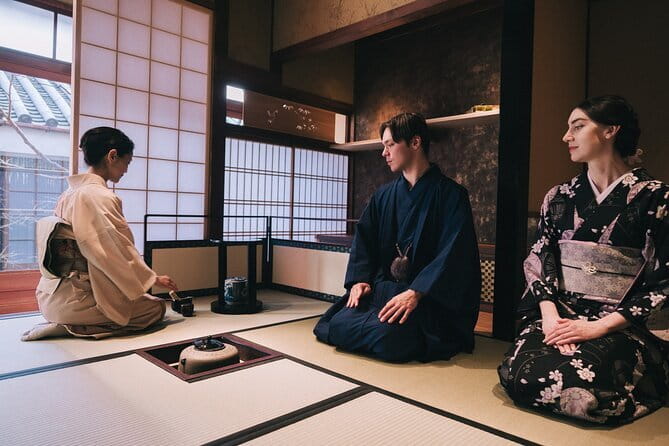
The demonstration is also the best time to watch the seating arrangements. The ceremony may require kneeling on the floor rather than sitting cross-legged. Two chairs and tables are available, but you should mention any difficulty before the formal portion begins.
Preparing your own matcha and tasting Japanese sweets
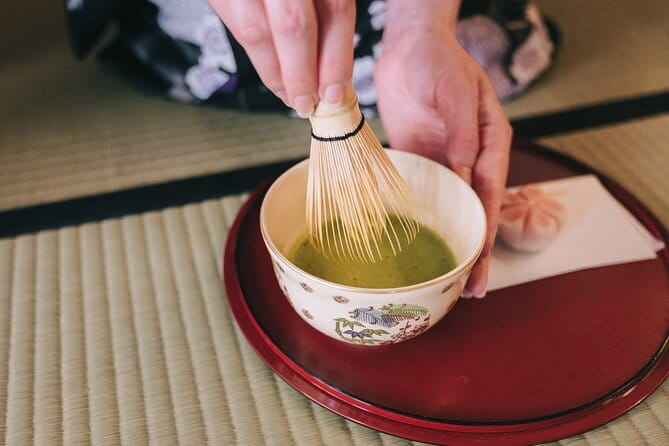
After the demonstration, you learn how to make your own matcha. This hands-on stage gives the activity more value than a simple performance. You are asked to repeat the process yourself, then drink the tea with Japanese sweets.
Matcha is made from powdered green tea, so the preparation feels different from steeping ordinary tea leaves. The method requires care, and the ceremony gives you a chance to notice the tools and motions instead of rushing through a drink.
The sweets provide a traditional pairing and a small break from the concentrated taste of the matcha. You should tell the operator about any food allergies in advance. Extra food and drink are not included, so do not expect a larger meal or a full tasting menu.
I like this part because you leave with a better sense of what the ceremony asks of you. Watching a tea master is useful, but making the tea yourself turns the lesson into something you can remember. You do not need prior experience, and the activity is presented as an introduction.
More Costume Photoshoots in Kyoto
- Kyoto Tea Ceremony and Samurai Photo Session
★ 5.0 · 70 reviews - Kyoto Gion Kiyomizudera Kimono Yukata Hairstyle | Photoshoot
★ 4.9 · 55 reviews - Kyoto Portrait Tour with Kimono
★ 5.0 · 48 reviews - Kyoto kiyomizu Temple : Maiko and Samurai Couple Photoshoot
★ 4.8 · 25 reviews
A professional photoshoot in kimono
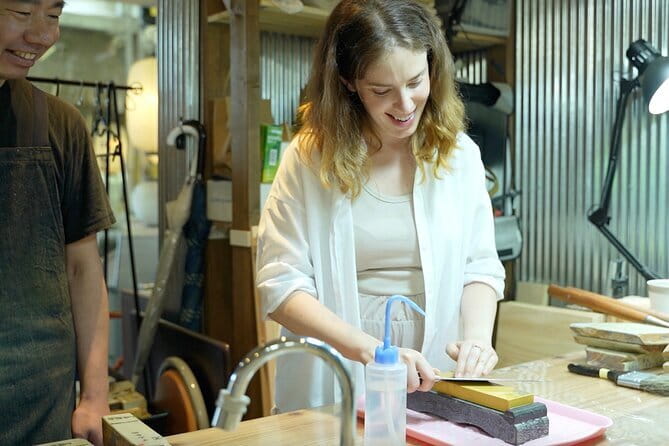
The photographer takes pictures during the experience rather than adding a separate photo session at another location. That keeps the images connected to the tea ceremony, the kimono, and the traditional interior.
You receive three photos digitally by email as a souvenir. These are not described as printed photographs, so make sure you can receive email attachments or links after the activity. One useful practical check is to confirm that the provider has the correct email address before you leave.
The photography is a strong reason to book this experience instead of a tea lesson alone. You get a record of wearing the kimono and taking part in the ritual, not only a memory of the room. It also makes the activity appealing for couples, friends, and family members who want a shared Kyoto keepsake.
Keep your expectations sensible. The information promises three digital photos, not a large edited album or an extended portrait session. The photographer works during the tea experience, so the photos are part of the cultural activity rather than its entire purpose.
How the timing works at Nishiki Orizuruya
The total duration is about 1 hour 45 minutes. The stated tea ceremony and photoshoot portion is about 90 minutes, with the remaining time allowing for arrival, check-in, and dressing.
You need to arrive 10 minutes before the start time at the listed meeting point. Go directly to Nishiki Orizuruya and check in at reception. The activity ends back there, which keeps the logistics simple.
Punctuality matters more than usual. If you arrive more than 30 minutes late, you cannot join and you will not receive a refund. Kyoto’s central streets can take longer to cross than expected, so give yourself extra time even if you are already in the Nakagyo area.
The venue is near public transportation, but hotel pickup and drop-off are not included. You also arrange your own transport to and from the meeting point. That is easy enough for an activity in central Kyoto, but it belongs in your budget and schedule.
Is $130.78 a fair price?
At $130.78 per person, this is a midrange cultural experience rather than a low-cost attraction. The value depends on how much you want from the package.
The price includes the kimono experience, an English-language tea demonstration, your own matcha preparation, Japanese sweets, photography, and three digital photos. You also receive a short introduction to the history and culture of tea ceremony in a traditional house.
If your main goal is to drink matcha cheaply, this costs too much. Kyoto has other ways to enjoy green tea. If you want a guided activity that combines clothing, instruction, participation, and photographs, the price is easier to justify.
The group limit is 10 people. That is not the same as a private ceremony, but it is small enough to keep the session more personal than a large attraction. You should still expect to share the space and the tea master’s attention with other participants.
The activity has a strong value for first-time visitors who want one organized cultural experience without committing to a long workshop. It is also practical for a short Kyoto stay because the schedule is compact and the meeting point does not change.
Seating, comfort, and who should take care
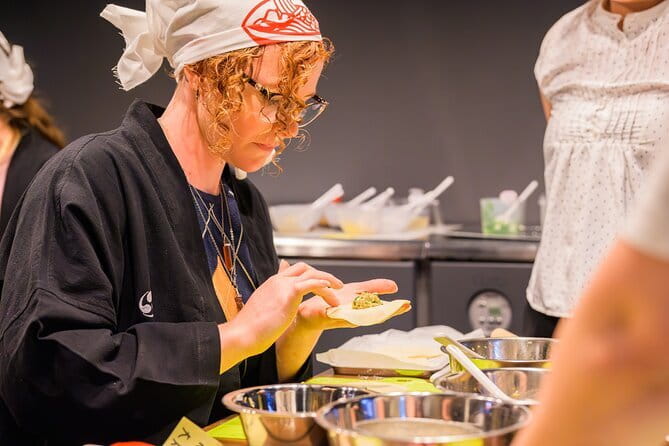
The most important comfort issue is the floor seating. One participant found kneeling challenging and noted that sitting cross-legged is not the expected position. Two chairs and tables are available, but the activity is still based around a traditional ceremony, not a fully chair-based setup.
If you have knee, hip, or back concerns, contact the provider before booking or speak with staff at check-in. The activity does not state that it is wheelchair accessible, so you should not assume that every part of the dressing room or ceremony area will work for your needs.
Children under five cannot join. Older children may be able to take part, but the provided information does not give a separate child price or minimum age beyond that restriction.
Food allergies should be reported in advance because Japanese sweets are served. The activity does not list ingredients, so asking ahead is the safest approach.
Who will enjoy this experience most
I would choose this activity for you if you want a guided introduction to Kyoto culture with a clear visual souvenir. It works especially well for:
- First-time visitors who want to try a traditional tea ceremony
- Couples or friends who want kimono photos
- Visitors who prefer an English explanation
- People with limited time in Kyoto
- Families with children old enough to meet the age requirement
- Anyone who prefers participating instead of only watching
I would think twice if you want a highly formal, private, or long study of tea ceremony. The format is designed to be approachable and photo-friendly. That makes it welcoming, but it may feel too staged for someone seeking a strict ceremonial lesson.
It may also be a poor fit if kneeling is painful or if you need fully accessible seating. The chairs help, but they do not remove the need to discuss your needs in advance.
Booking and cancellation details worth knowing
Confirmation is provided when you book, and a mobile ticket is available. The activity accepts up to 10 people and is offered by Japan Wonder Travel.
You can cancel for a full refund up to 24 hours before the scheduled start time. Cancellations made within 24 hours are not refunded, and changes during that period are not accepted. The cut-off follows Kyoto local time.
That late-arrival rule deserves equal attention. More than 30 minutes late means no participation and no refund, so build in a cushion for transportation and finding the venue.
Should you book this Kyoto tea ceremony?
Book it if you want more than a quick taste of matcha. The combination of kimono selection, English instruction, hands-on tea preparation, sweets, and three professional digital photos gives you a complete short cultural outing.
The strongest part is the balance between watching and doing. You see the tea master’s ritual, then make your own tea. The biggest caution is the floor seating, followed by the fact that the photographs are digital and limited to three images.
At $130.78, I see this as a good choice for a first Kyoto visit, especially if you value photographs and have limited time. I would skip it if your priority is a low-cost tea tasting, a private ceremony, or a long, formal lesson.
FAQ
Where does the tea ceremony take place?
The activity takes place at Nishiki Orizuruya, 452 Jūmonjichō, Nakagyo Ward, Kyoto, 604-8121, Japan.
How long does the experience last?
The activity lasts approximately 1 hour 45 minutes. The tea ceremony and photoshoot portion is described as about 90 minutes.
What happens during the experience?
You choose a kimono, watch an English-speaking tea master demonstrate the ceremony, learn to prepare matcha, drink it with Japanese sweets, and have photos taken by a professional photographer.
Are the photos printed?
No. Three photos are sent digitally by email as a souvenir.
Do I need to provide information before booking?
You need to provide the height and gender of every participant so the operator can prepare the kimono. You should also report food allergies in advance.
Is the activity suitable for young children?
Children under five years old are not allowed to join the activity.
What happens if I arrive late?
If you arrive more than 30 minutes after the scheduled start time, you cannot join the experience and no refund is available.
Can I cancel for a refund?
You can cancel at least 24 hours before the start time for a full refund. Cancellations made less than 24 hours before the start time are not refunded.
Just added around Kyoto
- Private photo shoot & walk in Kyoto – Professional photo shoot★ 5.0 · 20 reviews
- A Privately Guided Photoshoot in Beautiful Kyoto by a Pro★ 5.0 · 18 reviews
- Exclusive Gion Kyoto Photoshoot: A Private Experience★ 5.0 · 11 reviews
- Private Photography Tour in Kyoto★ 5.0 · 2 reviews
- Kyoto One-day Taxi Tour by Licenced Guide Photographer 8 pax★ 5.0 · 2 reviews
- Kyoto Night Photography Photoshoot★ 5.0 · 2 reviews
- Kyoto Photo Travel with Local Guide and Personal Photographer★ 5.0 · 3 reviews
- Kyoto Traditional Town Photography Photoshoot★ 5.0 · 2 reviews
Kimono & Costume Photoshoots, compared.
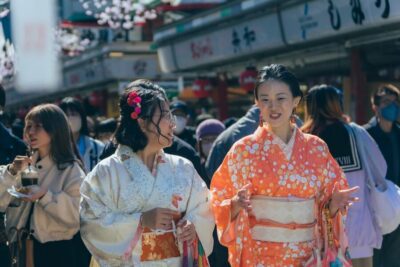
Kimono Dressing, Walking, and Photography Session
Read our review →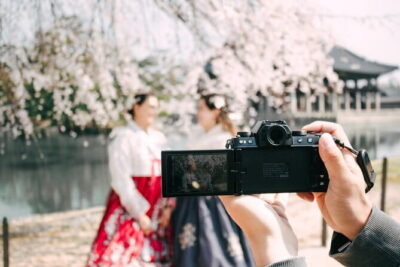
Hanbok Photoshoot and History Tour at Gyeongbokgung Palace
Read our review →

Witch Costume Photo Shoot – Olde Salem Village theatrical set
Read our review →
Witch Costume Photo Shoot – Witch Cottage theatrical set
Read our review →
Professional Photography Tour Optional Ao Dai Dress in Hoi An
Read our review →Browse the lists this tour appears in