REVIEW · LONDON
Private Tour: Photography Walking Tour from Trafalgar Square to Covent Garden
London becomes your classroom on this private photography walk from Trafalgar Square to Neal’s Yard. Fine art photographer Lou Smith works with your interests and skill level, helping you understand camera settings while you photograph lions, fountains, statues, Chinatown’s gate, street performers, and Covent Garden’s old market. I like the personal format and the mix of famous sights with smaller streets. I also like that you review your pictures during a refreshment break, rather than simply walking from one photo stop to the next.
The main consideration is the price: $347.77 per person is a serious outlay for a four-hour walk, especially since refreshments and lunch are extra. It makes the most sense if you want hands-on instruction, own a camera you have not fully mastered, or are keen to make photography a larger part of your London trip.
Key points at a glance
- Private tuition with Lou Smith: The walk is reserved for your group, so the instruction can match your camera, pace, and goals.
- Five contrasting photo settings: You move from Trafalgar Square monuments to Chinatown colors, Covent Garden architecture, and Neal’s Yard courtyards.
- Practical camera lessons: Expect help with aperture, depth of field, shutter speed, focus modes, composition, framing, and light.
- Built-in photo review: A short break gives you time to examine your shots and discuss how to improve them.
- Suitable for digital cameras and phones: You can bring a DSLR, mirrorless camera, compact camera, or smartphone.
- A full four-hour city walk: The route is central and scenic, but comfortable shoes and weather-ready clothing matter.
A photography lesson that happens on London’s streets
The best feature here is the combination of sightseeing and immediate practice. You do not sit through a long technical talk before taking pictures. Instead, Lou introduces a camera idea, points you toward a subject, and helps you test it on the spot.
That approach suits photographers who learn by doing. If aperture settings seem mysterious, you can see how they affect depth of field while photographing a statue. If you are unsure how to capture movement, Covent Garden’s performers provide a useful subject for different shutter speeds. The lesson stays tied to something in front of you.
The private format matters. Lou can spend more time on the settings that confuse you, skip areas you already understand, and adapt the pace to your group. A beginner with a new digital camera can work through the basic controls. Someone returning to photography after years away can use the walk to reconnect with composition and manual settings.
One past participant had photographed in black and white decades earlier, then returned to the hobby with a modern digital camera filled with menus and options. That is exactly the sort of problem this tour can address. You are not simply shown a prettier angle. You are taught how to make choices with your own equipment.
More Photography Tours in London
- Private Tour: Night Photography Tour in London
★ 5.0 · 48 reviews - Private Night Photography Tour in London
★ 5.0 · 29 reviews - Photography Tour walking the back streets of London’s West End (3 hours)
★ 5.0 · 24 reviews
Trafalgar Square: statues, fountains, and the first camera lessons
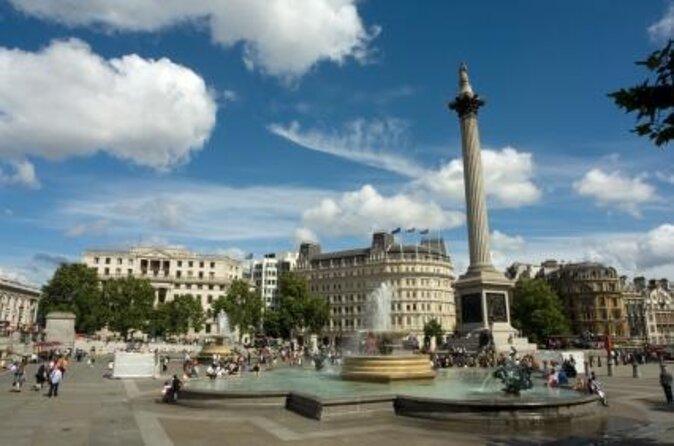
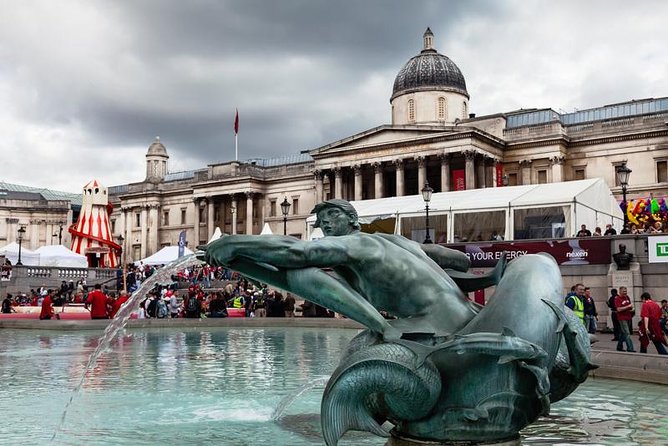
The meeting point is at Charing Cross, close to Trafalgar Square. The first 45 minutes take place around one of central London’s most useful outdoor photo sets.
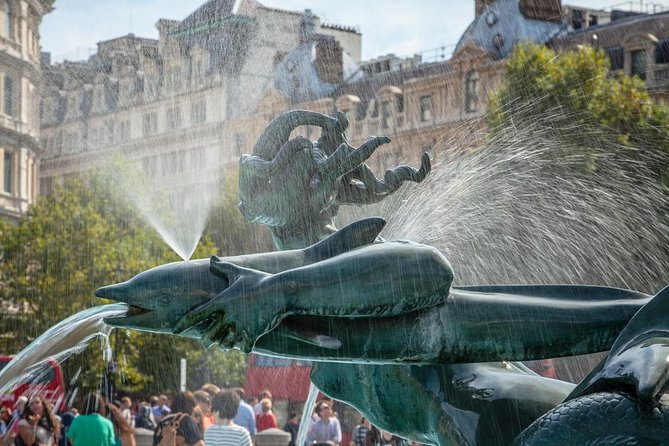
You can work with the Landseer Lions, fountains, monuments, statues, the National Gallery, and views reaching toward Whitehall. Street entertainers and pavement artists add movement and color, so the square gives you both still subjects and changing scenes.
This is a sensible place to begin because there is no shortage of things to photograph. You can compare a wide view with a close detail, frame a statue against the surrounding buildings, or use people in the square to give scale. Lou’s instruction focuses on aperture, depth of field, light, framing, and composition.
For a beginner, the value is seeing these terms in action. A shallow depth of field can isolate a detail, while a smaller aperture can keep more of the scene sharp. The exact result depends on your camera and settings, but the square provides an easy place to compare the effects.
The long views toward Whitehall also encourage you to look beyond the obvious subject. Instead of photographing only the lions, you can consider how the square, buildings, sky, and people fit together. This is where guidance on visual balance and dramatic framing can help.
The drawback is that Trafalgar Square can be visually crowded. You may need patience to find a clear view or wait for a useful arrangement of people. That is not a flaw in the tour so much as part of the lesson: public spaces rarely hold still for you.
Leicester Square: light, angles, and a useful pause
The walk continues at an easy pace to Leicester Square, where you spend about 45 minutes photographing the gardens, fountains, and the statue of William Shakespeare. A statue of Charlie Chaplin gives you another portrait subject.
This stop is less about collecting famous London pictures and more about testing small changes. Lou helps you consider how light affects a subject, then encourages you to try different angles. Moving a few steps can change the background, shape, and mood of a photograph. That is a basic idea, but it is easy to forget when you are standing in front of a well-known statue.
You also return to aperture values and depth of field. A portrait-style image of Chaplin can help you see how focus and background detail affect the viewer’s attention. You can compare a tightly framed image with a wider composition that includes more of the square.
There is a short working break for refreshments, purchased at your own expense. This is more useful than a simple coffee stop because you review some of the photographs you have made. Lou can point out what is working, suggest another option, and help you decide what to try next.
That review is one of the strongest parts of the experience. Many photo walks give you tips while you shoot, then leave you to sort out the results later. Here, you get feedback during the same session, while the ideas are still fresh. If you prefer to learn through examples, you can compare different compositions of the same object and discuss the use of positive and negative space.
Chinatown: color, detail, and side streets
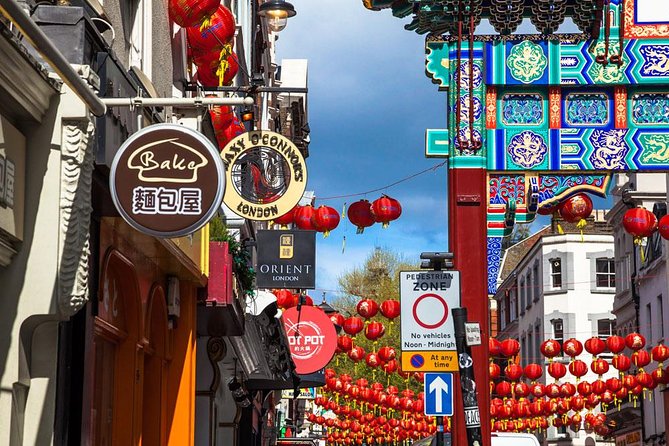
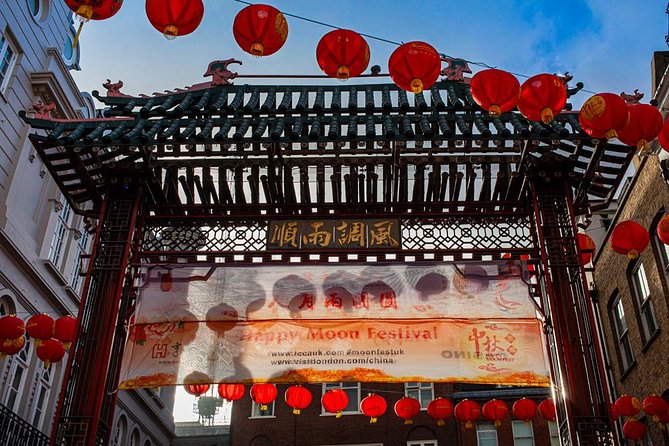
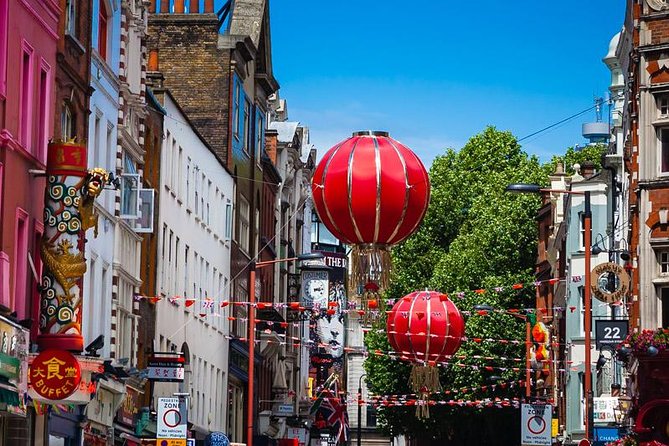
Chinatown receives about an hour, making it the longest stop before Covent Garden. The entrance gate is an obvious subject, but the area offers much more than one landmark.
Lou guides you toward viewpoints for the gate, colorful shop fronts, food displays, lanterns, small stalls, and side streets. This is a good setting for learning how color and depth of field can make an image more striking. You might work with a close detail of a sign or display, then step back for a picture showing the street around it.
The stop also gives you a chance to photograph cultural details without rushing. Small streets and shop fronts provide changing patterns, textures, and layers. You can practice filling the frame, leaving space around a subject, or using lines and repeated shapes to guide the eye.
The emphasis on authentic color is useful for photographers who tend to rely on famous buildings. Chinatown asks you to notice details: lanterns above a doorway, a row of unusual products, a sign, or the contrast between a narrow side street and a larger thoroughfare.
There is a practical point here. Colorful areas can make photographs feel cluttered if every detail competes for attention. Lou’s guidance on framing and depth of field can help you decide what belongs in the picture and what should remain outside it.
Because the tour is private, you can spend more time on the parts of Chinatown that fit your interests. You might focus on architecture, food displays, people-free details, or close-up studies of color. The supplied information does not promise food tastings or interior visits, so think of this as a street photography stop, not a food tour.
More Photography Tours in the UK
- London Photography Tour – Private Tour
★ 5.0 · 17 reviews - London: Iconic Sights Photo Walking Tour
★ 4.9 · 12 reviews - Iconic London Photo Walking Tour
★ 4.6 · 11 reviews - History of London Photography Tour
★ 4.5 · 10 reviews
Covent Garden: architecture and moving subjects
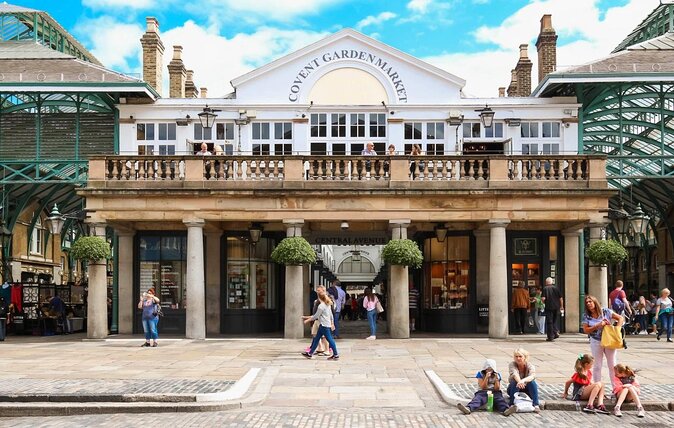
The route then reaches Covent Garden, with about an hour devoted to the Royal Opera House, the Apple Market, the pedestrianized piazza, street entertainers, cafes, pubs, and small shops.
This is the most varied photography section of the walk. You can move from formal architecture to fast-moving street action within a few minutes. Lou introduces shutter speeds and focus modes for photographing performers, helping you think about how to freeze movement or show motion.
Street entertainers are useful practice because timing matters. You need to anticipate an action rather than simply point and press the shutter. You can also experiment with different focus settings and learn how your camera behaves when a subject moves.
The architecture offers a different challenge. Lou encourages you to try unusual angles of view when photographing the Royal Opera House and Apple Market. A straight-on picture may record the building clearly, while a low or angled view can produce a more modern composition.
The Apple Market also gives you plenty of visual detail through its stalls and displays. You can work on balance, repetition, framing, and color without needing to walk far. The setting is attractive, but it can also be busy, so you may need to wait for a clear frame or accept people as part of the picture.
This portion suits photographers who want more than landmark snapshots. You are asked to consider how a building feels in an image, how movement changes a scene, and how a composition can look intentional rather than accidental.
Neal’s Yard: a compact finish with color everywhere
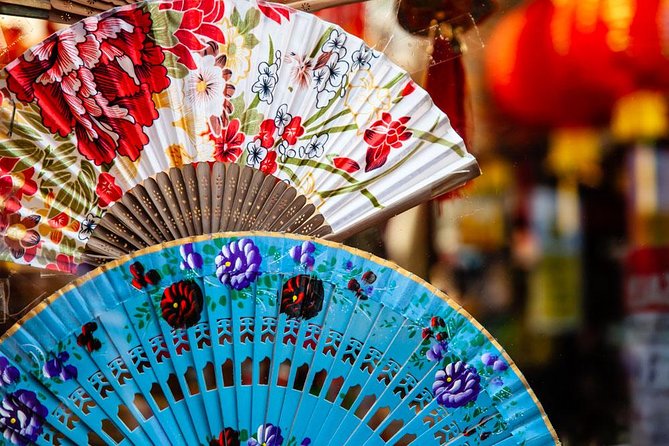
The final half hour takes you to Neal’s Yard, where the focus shifts to intimate courtyards, colorful walls, and shop fronts.
This is a compact setting, but it gives you a clear chance to consolidate what you have learned. You can work with framing and composition without the wide views found in Trafalgar Square. The close quarters encourage you to notice how walls, doorways, signs, and small architectural details fit together.
The colors make Neal’s Yard an appealing final stop, yet color alone does not guarantee a good picture. Lou can help you decide how much of a wall or shop front to include, where to place the main subject, and how to avoid a frame that feels too busy.
Ending here also makes sense from a teaching point of view. The day begins with grand civic subjects and finishes with smaller, more controlled compositions. You have practiced wide views, portraits, details, architecture, color, and movement across the route.
The tour ends at Neal’s Yard, not back at the starting point. Plan your onward route before you arrive, although the tour information only confirms the end location and does not provide a specific transportation arrangement.
What you actually learn during four hours
The teaching covers a useful range of skills:
- Aperture and depth of field
- Light and exposure choices
- Shutter speeds for moving subjects
- Focus modes
- Framing and composition
- Positive and negative space
- Color use
- Different angles of view
- Landscape-style views and close-up work
The lessons are not presented as a formal syllabus, so the balance depends on your needs and camera. That flexibility is a strength for a private session, but it also means you should tell Lou what you want from the walk at the start.
If you are new to photography, ask for help with the most important controls first. If you already understand aperture and shutter speed, ask for more work on composition, street timing, or architectural angles. The more clearly you explain your goals, the more useful the private format becomes.
You should bring your own camera with a fully charged battery and extra memory cards. The tour can work with all digital cameras, including smartphones. The extra card is sensible because four hours of practice can produce a large number of images, especially when you are trying several versions of the same subject.
Is $347.77 per person good value?
At $347.77 per person, this is not a low-cost sightseeing walk. Admission to the locations is free, refreshments and lunch are not included, and the main product is instruction rather than entry to an attraction.
The price becomes easier to justify if you would pay for private photography coaching at home. You receive about four hours with a professional fine art photographer, practice in several central London settings, and time to review the photographs you take. The instruction is also tied to your own camera, including smartphones.
For a couple or small personal group, the value depends on how much each person wants to learn. A private booking avoids a mixed group with different skill levels, but the per-person price can add up quickly. Group discounts are available, though the specific discount is not stated, so check the current booking terms before you rely on one.
I would not book this mainly as a quick introduction to London sights. You will see a useful slice of central London, but the focus is making pictures. I would book it if you want practical coaching and expect to use the skills after the tour.
Who should book this photography walk?
This experience suits:
- First-time London visitors who want a guided introduction through central streets
- Beginners learning how to use a digital camera
- Smartphone photographers seeking better composition and light
- Experienced photographers returning to the hobby
- Couples or private groups with shared photography interests
- Anyone who prefers personal feedback to a large group lesson
It is suitable for all skill levels and most people can participate. The minimum age is 16. Service animals are allowed, and the route is near public transportation.
It may be less suitable if you want a relaxed sightseeing stroll with little instruction. Four hours is a long time to concentrate on camera settings and composition. The route also operates in all weather, so you need suitable clothing and shoes.
Practical details before you book
The tour is offered in English. Confirmation arrives when you book, and the activity is private for your group. Bring your camera, a fully charged battery, extra memory cards, and clothing suited to the forecast.
Wear comfortable shoes. The itinerary includes roughly four hours of walking between central London locations, with a short refreshment break. Refreshments and lunch cost extra.
Free cancellation is available if you cancel at least 24 hours before the start time. A cancellation made later, or changes made within 24 hours, are not accepted for a refund.
Should you book it?
Book this tour if photography is a real goal, not just an excuse for a walk. Lou Smith’s personal teaching style, camera-specific help, and photo review make the experience more useful than a standard sightseeing route. The mix of Trafalgar Square, Chinatown, Covent Garden, and Neal’s Yard also gives you a good range of subjects in one central outing.
Skip it if $347.77 per person feels too high for a walking tour, or if you mainly want London history and landmarks without technical coaching. For everyone else, this is a focused way to see central London while learning how to take better pictures with the camera already in your hands.
FAQ
How long is the photography walking tour?
The tour lasts approximately four hours.
Where does the tour start and end?
It starts at Charing Cross, Strand, London WC2N 5HF, and ends at Neal’s Yard, London WC2H.
What places are included on the route?
The route includes Trafalgar Square, Leicester Square, Chinatown, Covent Garden, and Neal’s Yard.
Can I use a smartphone instead of a camera?
Yes. The experience is suitable for all digital cameras, including smartphones.
What should I bring?
Bring your own camera, a fully charged battery, and additional memory cards. You should also dress appropriately for the weather and wear comfortable walking shoes.
Is the tour suitable for beginners?
Yes. The tour is suitable for all skill levels and includes instruction on aperture, depth of field, light, shutter speed, focus modes, framing, composition, and color.
More Private Photoshoots in the UK
- London: Private travel vacation photoshoot -Romantic Special
★ 4.7 · 50 reviews - Professional Private Couple Photoshoot
★ 5.0 · 35 reviews - London: Private Landmarks with a Professional Photographer
★ 5.0 · 30 reviews - Private Landmark Photoshoot
★ 5.0 · 27 reviews
More Private Photoshoots in London
- London: Private Photoshoot with Video Clip Option
★ 4.8 · 182 reviews - Private landmarks photoshoot for families and couples
★ 5.0 · 92 reviews - London: Private Landmark Tour with Professional Photographer
★ 4.7 · 91 reviews - Professional Private Photoshoot in London
★ 5.0 · 63 reviews
Just added around London
- Wildlife Photography Workshop in Richmond Park in London★ 4.5 · 5 reviews
- Street Photography Workshops in London★ 5.0 · 6 reviews
- Shoreditch Street Art Private Photography Tour including Brick Lane★ 5.0 · 5 reviews
- South Bank Photography Tour – Small Group★ 5.0 · 2 reviews
- Ultimate introduction to photography in Central London★ 5.0 · 19 reviews
- PRIVATE PHOTOSHOOT in London★ 5.0 · 6 reviews
- Private Landmark Photoshoot★ 5.0 · 27 reviews
- Private Shoreditch Street Photography Workshop★ 4.5 · 4 reviews
Private Photoshoots, compared.
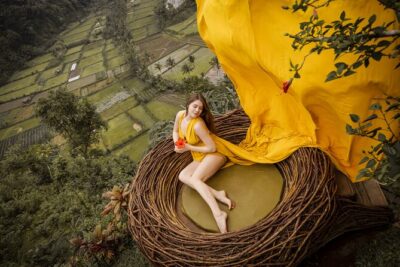
️ Bali Instagram Tour: The Most Famous Spots (Private & All-Inclusive)
Read our review →
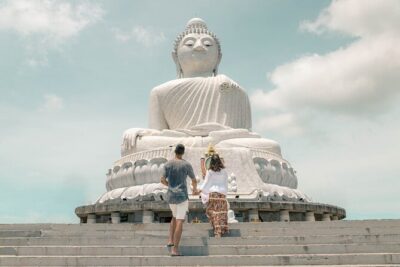
️ Phuket Private Instagram Tour: All-Inclusive
Read our review →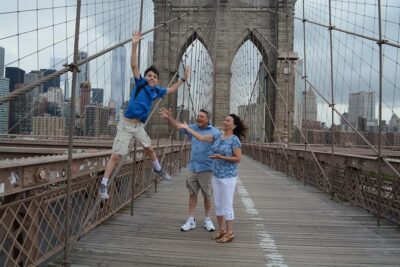
NYC Professional Photoshoot and Walking Tour with Private Guide
Read our review →
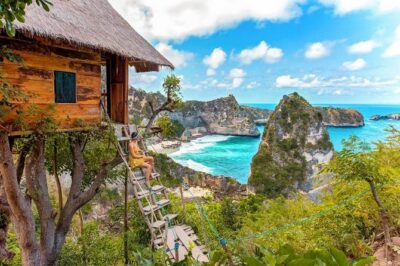
️ Nusa Penida Instagram Tour: The Most Famous Spots (Private All-Inclusive)
Read our review →