
REVIEW · TOKYO
Tokyo Ryogoku Sumo Morning Practice + Photo Shoot with Wrestlers
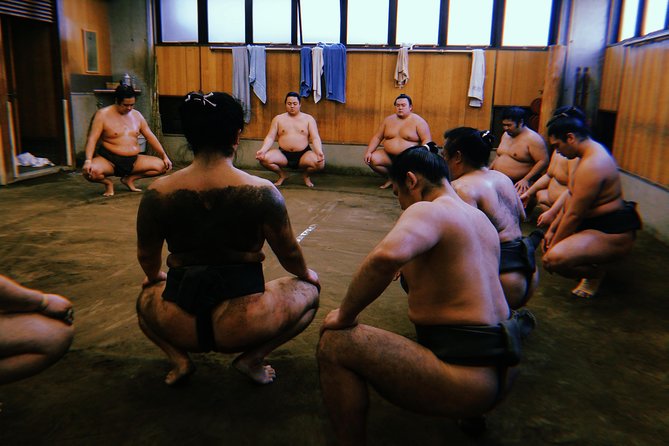
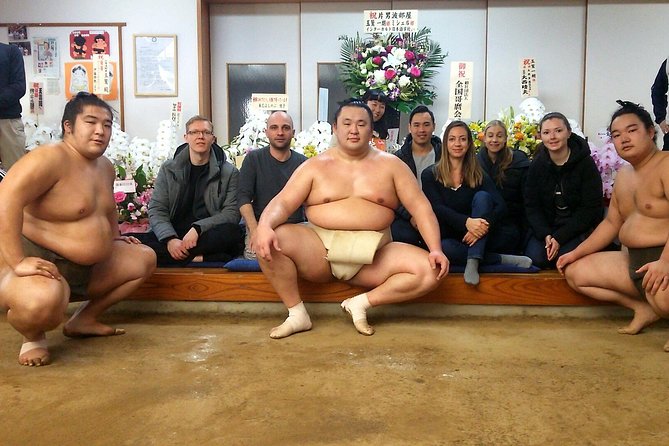
The most striking part of this Tokyo experience is the chance to watch real sumo practice from only a few feet away. This is not a staged show or a museum demonstration. Wrestlers warm up, work through drills, and may practice full bouts while you sit quietly inside their stable.
I like the close view and the local setting in Ryogoku, Tokyo’s sumo district. I also like that a good guide can explain details you would miss on your own, from stable rankings and training routines to the rules and daily life of the wrestlers.
The main drawback is the format. You may sit on the floor for more than an hour, speak very little, arrive after practice has begun, and receive less explanation than expected. The stable controls photos, seating, timing, and access, so this tour asks you to accept some uncertainty.
Key points to know before booking
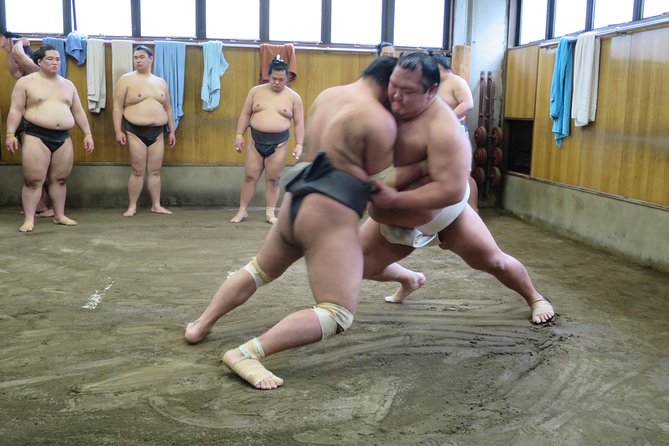
- Morning practice is genuine training: You watch wrestlers work, not a performance arranged for the group.
- The experience begins at 8 a.m.: Meet at the JR Ryogoku Station East Exit, not the separate Ryogoku Oedo Line Station.
- Floor seating is part of the deal: Most stables use tatami areas and do not provide chairs.
- Photos are conditional: The stable decides if you may photograph practice or pose with wrestlers afterward.
- The walk may vary: Your guide walks five to 30 minutes to whichever stable is available that day.
- A small group helps: The maximum is seven people, although larger bookings can be split between stables.
Watching real sumo inside a working stable
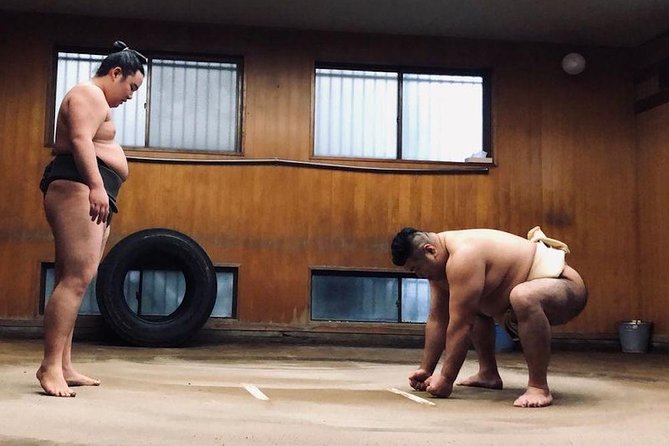
Sumo is often presented through tournament matches at Ryogoku Kokugikan, where the setting is grand and the rules are easier to follow. This morning visit gives you something different. You see the work behind the public bouts: repeated exercises, physical drills, controlled clashes, and the quiet concentration of the wrestlers.
That difference matters. A tournament lasts only a few seconds per bout, but training shows the long preparation behind those seconds. You might watch wrestlers stretch, warm up, practice techniques, or test each other in serious sparring. The routine can look repetitive at first, yet the closeness makes small details easier to notice.
You may see wrestlers of different levels working in the same room. Guides have explained the number and ranking of stables, the wrestlers’ way of life, and the respect and hierarchy that shape the sport. A strong guide can also point out what you are seeing without interrupting the practice.
The stable is not a theater. It is a working place, and the rules reflect that. You sit quietly, stay within the tatami areas, and follow instructions from the guide and stable. Talking during training may not be allowed. Photography may also be prohibited until practice ends.
This restraint is part of the value, but it can also make the experience feel less active than a standard sightseeing tour. You are there to observe, not to ask questions every few minutes or move around for a better angle.
A few more photo experiences around Tokyo worth a look
- Tokyo Sumo Morning Practice Tour w/ Ring-Side Seat + Photo Shoot
★ 5.0 · 93 reviews - Cappadocia: Sunrise Balloon Watching Tour with Photographer
★ 4.8 · 466 reviews - Rhodes: E-bike Highlights Sunset or Morning Photo Tour
★ 4.9 · 351 reviews
Meeting at Ryogoku Station at 8 a.m.
The meeting point is outside Re.Ra.Ku Ryogoku Ekimae beneath the JR station, at the East Exit. Take care here: Ryogoku has two stations, and the instructions specifically refer to the JR station. Do not go to Ryogoku Station on the Oedo Line.
Your guide holds a red or orange MagicalTrip board. Arrive early, ideally with enough time to confirm the exit and use the toilet before the group leaves. The tour begins on time, and arriving more than 15 minutes late can mean missing the experience with no refund or rescheduling.
That firm rule is understandable inside a sumo stable. A late arrival can interrupt practice and disturb the group. Still, it makes the morning less forgiving than a casual walking tour, so allow extra time if you are unfamiliar with Tokyo station exits.
The guide gives an introduction before the walk. The quality of this part can shape the entire visit. Guides named Mayu, Masao, Ayaka, Yumiko, Tommy, and Kate have been praised for explaining sumo culture, training, rules, and daily life. Other sessions have offered only a short introduction, so you should not assume the same level of detail every time.
One useful improvement would be a clear outline before departure. The walk may lead to another place after the stable, and the route is not always explained as clearly as it could be. Listen carefully when the guide describes the plan so you know when the group is moving on.
The walk to the stable can take five to 30 minutes
The sumo stable is not fixed in the advertised itinerary. The operator chooses one based on availability, and your guide walks you there from the station. The walk can take about five minutes or as long as 30 minutes.
That variable route is important when you plan your morning. Wear comfortable shoes and avoid scheduling a tight appointment immediately afterward. The practice can also run longer than planned, with some sessions lasting around two hours rather than the usual one hour.
Ryogoku makes a fitting setting for this experience. The district is closely linked with sumo, and walking through it gives you a sense of the sport’s place in the neighborhood. After practice, the guide may point out nearby cultural sights, including Ryogoku Kokugikan. One outing also included a short visit to Ekōin, a temple associated with honoring the dead, though you should not treat that extra stop as guaranteed.
The changing stable and route are not flaws by themselves. They reflect the fact that you are entering an active workplace rather than buying a fixed theatrical program. The tradeoff is that the exact length and setting are less predictable.
What the 90-minute practice feels like
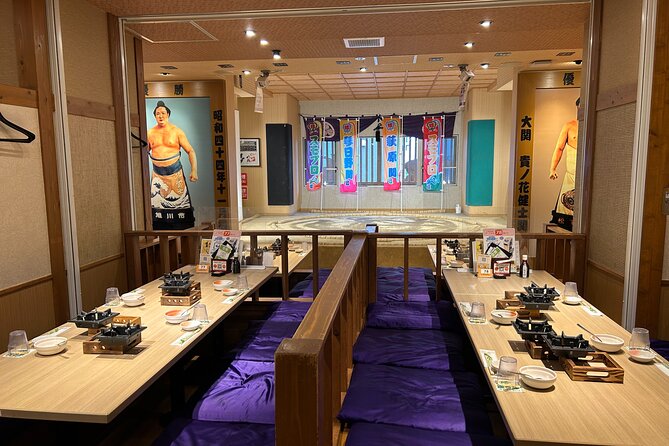
The main stable visit is scheduled for about one hour and 30 minutes. You enter with the guide, find a place on the tatami, and watch the training from a fixed position.
Most stables do not offer chairs. You may sit on the floor for an hour and 20 minutes or longer, often with your legs folded or in another position allowed by the stable. If you have knee, hip, or back problems, consider this carefully. The supplied information does not promise special seating.
Seating is first come, first served. If your group arrives late, you may sit two or three rows back. That can make a real difference, since the appeal is the close view of wrestlers moving through their routines.
The best approach is to treat the practice as quiet observation. You are not attending a public demonstration where the athletes pause for explanations. You may see warm-ups, general exercises, technique work, and actual practice bouts. The physical force can be startling at close range, especially when the wrestlers are training seriously rather than performing for an audience.
The silence may feel long. Some people find it absorbing, while others find it restrictive. I would bring a patient frame of mind. If you need constant commentary or a changing program, this probably is not the right activity.
Same place, a different kind of shoot:
- Tokyo: Asakusa and Skytree Go-Kart Tour and Photo Shoot
★ 4.6 · 721 reviews - Tokyo: Kimono Dressing, Walking, and Photography Session
★ 4.9 · 427 reviews - Daikoku Car Club Temporary Membership
★ 4.5 · 275 reviews - Tokyo Cyberpunk Street Photo Tour
★ 5.0 · 165 reviews
Sumo etiquette matters more than the photo opportunity
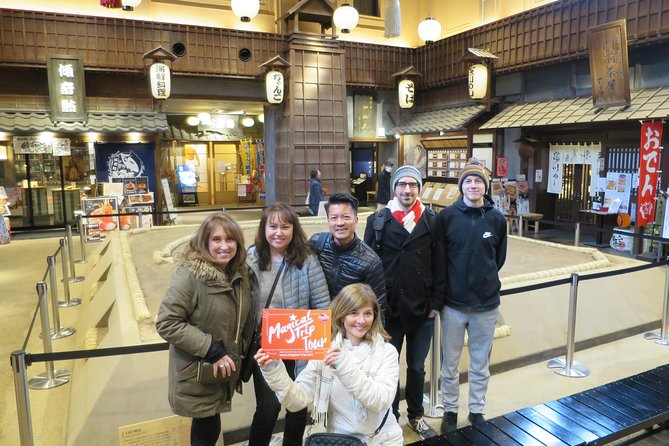
The stable sets the rules, not the tour company. You may be required to wear a mask, sit in a particular way, remain silent, and avoid photography during practice. All parts of the stable except the tatami areas are off-limits.
Do not expect to use the toilet once training begins. Use the station facilities before meeting the guide. Summer adds another concern, since Tokyo can be hot and humid. Carry water and consider a hat for the walk, though you may need to remove it inside.
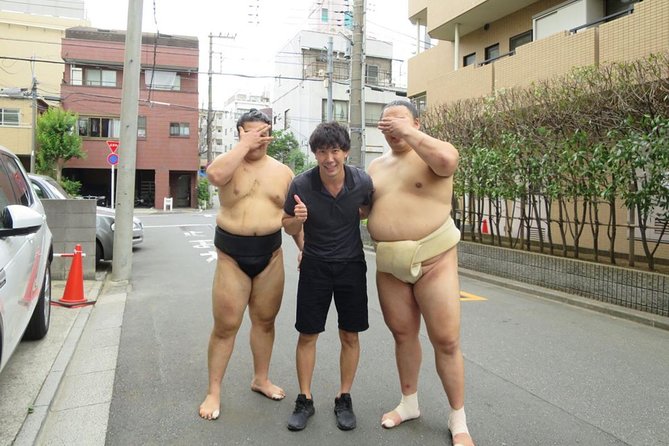
The advertised photo session is possible, not guaranteed. Some stables allow photos of the wrestlers after practice and may arrange a posed picture with them. Other stables may refuse photos for any reason, including photos during training or photos with the wrestlers.
That condition is easy to overlook when you see the phrase photo shoot. I would book this for the practice first and regard the photo as a bonus. If the picture is the main reason you are paying, the lack of control may disappoint you.
When photos are allowed, the moment can be memorable. You may have a brief chance to stand with wrestlers after they finish, and some athletes have been friendly and willing to pose. Keep the exchange polite and short. You are entering their workplace, not a fan convention.
How much explanation will you receive?
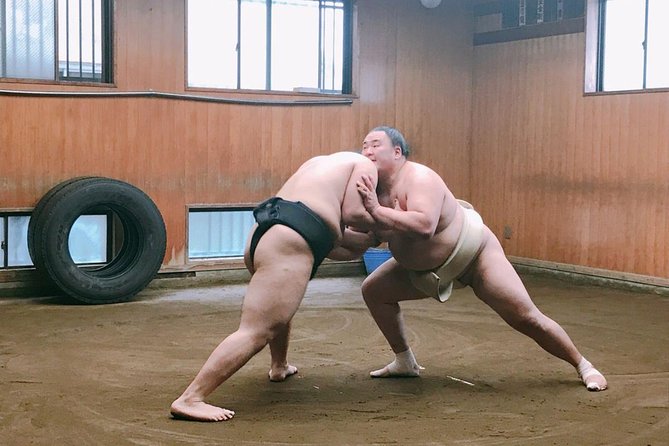
The guide’s role varies from session to session. The strongest tours use the walk to prepare you, then add quiet notes or explanations about what is happening. One guide wrote additional notes during practice so the group could understand the movements without speaking.
You may learn about stable rankings, training methods, the rules of sumo, the wrestlers’ hierarchy, and the demands of their daily routine. This can turn a silent hour into a lesson in Japanese sport and social customs.
The experience is less successful if the introduction is rushed or given beside traffic and station noise. Some people have found the sumo itself fascinating but wished for more explanation about the sport’s origins and the wrestlers’ way of life. If your interest is mainly cultural, ask questions before entering or after practice, when conversation is easier.
The guide may also answer questions outside the stable and walk you back to the station at the end. The tour is not designed as a full sumo course, and there is no promise of lunch, a meal, or an extended visit to the Kokugikan.
Ryogoku Kokugikan and the return walk
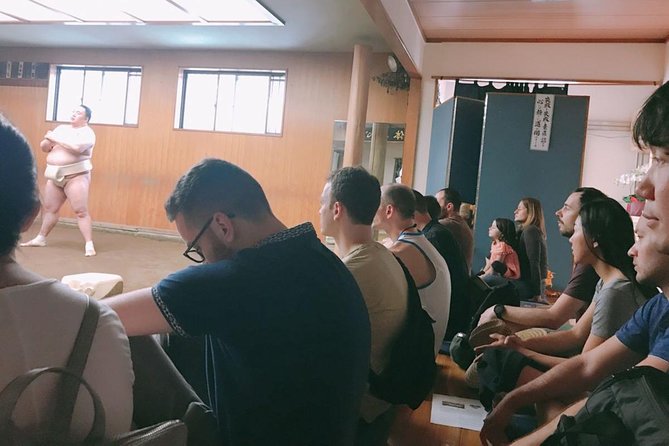
After practice, the group explores the Ryogoku area with the guide. The listed stop at Ryogoku Kokugikan lasts about 10 minutes and does not include an admission ticket.
Do not picture a long museum visit. This is a short orientation to the sumo neighborhood, followed by a walk back to the original meeting point. It works well as a small add-on after the stable, especially if your guide explains how the district connects to Japan’s professional sumo calendar.
The activity ends back at the meeting point. Since the stable schedule can change and practice may run late, keep your next plan flexible. The official duration is about two hours, but the actual morning may be longer.
Is the $98.16 price fair?
At $98.16 per person, this is not a cheap way to spend two hours. You are paying for access that can be difficult to arrange independently, a guide who helps you find the correct stable, and the chance to observe active training from inside.
The value is strongest if you care about sumo, Japanese culture, or unusual behind-the-scenes experiences. Seeing a tournament match shows the finished sport. Seeing practice shows the discipline and repetition that make those matches possible.
The value is weaker if you expect a polished show with guaranteed front-row seating, extensive storytelling, food, or a guaranteed photograph. There is no lunch included, and the stable may limit photos. A large group can also be divided between different stables.
I would compare this price with your own priorities. If you are already planning to visit Ryogoku and want a genuine look at sumo life, the access may justify the cost. If you simply want to see a sumo bout, a tournament ticket or a museum-style activity may suit you better.
Who should book this morning experience?
This activity suits adults and children aged 12 or older who can sit quietly on the floor for a long period. It is especially good for a sumo fan, a sports enthusiast, or anyone interested in how a traditional Japanese sport is practiced away from the arena.
It can also work well as a solo activity. You do not need constant conversation, and the quiet format lets you focus on the training. A guide is still useful before and after the practice, when you can ask questions and make sense of what you saw.
I would think twice if you have difficulty sitting on tatami, need regular toilet access, dislike early starts, or want a fully fixed schedule. The no-late-entry rule is strict, and summer heat can make the walk uncomfortable.
The experience also requires cultural sensitivity. You are entering a private training space. Follow the stable’s instructions even if you see other people behaving differently. Rules about masks, cameras, posture, and silence may not appear consistent from one day to the next, but your group must follow the instructions given to it.
Weather, changes, and cancellation details
The operator may ask you to change the date or time if the stable’s schedule changes. A stable can cancel or alter practice at short notice because of its tournament schedule or the wrestlers’ condition. If that happens, the booking is fully refunded, and you do not pay a separate entrance fee to the stable.
The stated cancellation policy allows a full refund when you cancel at least 24 hours before the start time. Cancellations or changes within 24 hours are not refunded or accepted. The activity also requires good weather, and a weather cancellation offers a different date or a full refund.
These rules make travel insurance or a flexible morning plan useful, particularly during a short Tokyo stay. Most importantly, do not confuse a stable cancellation with a late arrival. Missing the meeting because of a delay or wrong station can mean losing the booking.
My verdict: book it for access, not certainty
I recommend this experience if you want to see sumo as working sport rather than staged entertainment. The close view, the physical intensity, and the chance to watch wrestlers train in their own stable can become one of the more memorable mornings in Tokyo.
Book it with realistic expectations. The practice may be quiet, the seats may be on the floor, the guide may provide only a short explanation, and photos may not be allowed. Arrive early at the JR East Exit, use the toilet first, keep your schedule open, and treat the posed photo as optional.
For dedicated sumo fans, the access is the main prize. For casual visitors, the price is harder to justify unless you value rare cultural experiences more than comfort and predictability.
FAQ
Where does the sumo morning practice tour meet?
Meet at Re.Ra.Ku Ryogoku Ekimae beneath the JR Ryogoku Station East Exit in Sumida City. Your guide will hold a red or orange MagicalTrip board.
Is the meeting point at Ryogoku Oedo Line Station?
No. Tokyo has two Ryogoku stations, and you should go to the JR Ryogoku Station East Exit, not the Ryogoku Oedo Line Station.
What time does the tour start?
The tour starts at 8 a.m. The activity asks you to arrive early because the group leaves on time.
How long does the experience last?
The estimated duration is about two hours. The sumo practice itself is scheduled for around one hour and 30 minutes, but training can sometimes run longer.
Are children allowed to join?
Only people aged 12 and over may enter the sumo morning practice. Children under 12 cannot join and will not receive a refund if they are refused entry.
Will I sit on a chair during the practice?
Most stables do not provide chairs. You may need to sit on the tatami floor for more than an hour.
Can I take photos of the wrestlers?
Only if the sumo stable permits it. The stable decides if you may photograph practice or take photos with wrestlers after the session.
What happens if the stable cancels practice?
The stable may change or cancel practice because of its schedule or the wrestlers’ condition. In that situation, the booking can be fully refunded, and the operator may also ask you to change the date or time.
Can I cancel for a full refund?
Yes, if you cancel at least 24 hours before the local start time. Cancellations or changes made less than 24 hours before the experience are not accepted or refunded.
Just added around Tokyo
- Tokyo: Shinjuku & Shibuya historical guided photoshoot Tour★ 5.0 · 2 reviews
- Asakusa Kimono/Yukata Rental & Photography_Tsutsuji★ 5.0 · 12 reviews
- Asakusa Kimono Photography Tour★ 5.0 · 8 reviews
- Travel Tokyo with Your Own Personal Photographer★ 5.0 · 43 reviews
- Personal Travel and Vacation Photographer Tour in Tokyo★ 5.0 · 19 reviews
- Tokyo: Photo Shoot with a Private Vacation Photographer★ 5.0 · 53 reviews
- Blade Runner photo workshop in Shibuya with Laurence Bouchard★ 5.0 · 15 reviews
- Tokyo: Photography Masterclass – Private Photo Lesson★ 5.0 · 7 reviews
Morning, compared.
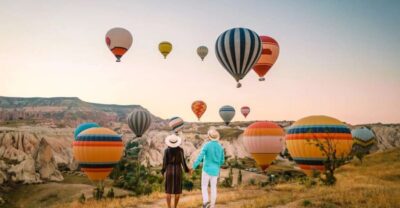
Sunrise Balloon Watching Tour with Photographer
Read our review →
Rhodes: E-bike Highlights Sunset or Morning Photo Tour
Read our review →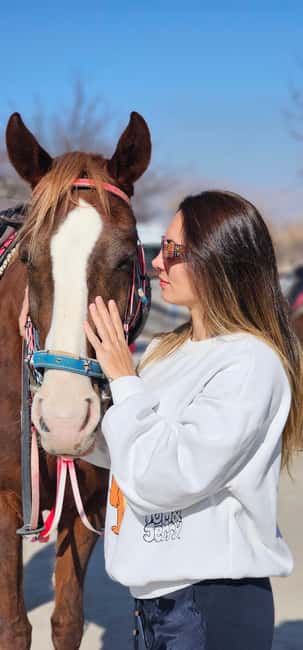
Cappadocia Sunrise & Sunset Horse Tour with Photography
Read our review →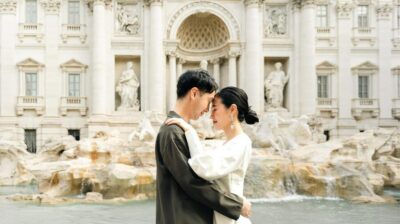
Early Morning Private Photoshoot at Iconic Landmarks
Read our review →
Mediaeval Rhodes E-bike Highlights Photo Tour Morning/Sunset
Read our review →
Private Outdoor Photoshoot at Sunrise w/Transfer
Read our review →
Early Morning Trevi Fountain Photoshoot & Iconic Landmarks
Read our review →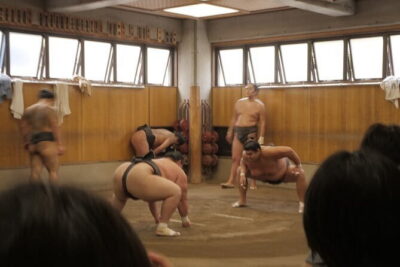
Tokyo Sumo Morning Practice Tour w/ Ring-Side Seat + Photo Shoot
Read our review →Browse the lists this tour appears in