
REVIEW · USA
Everglades: Birding, Wildlife, and Photography Expedition
The best part of this Everglades trip is its close look at the 10,000 Islands, a maze of mangrove-covered islands and shallow Gulf waters where birds, dolphins, and other wildlife live with little human interference. You spend about 3.5 hours on a small, steady boat, then walk an uninhabited barrier island with a Florida-certified Master Naturalist.
I like the generous space for tripods and long telephoto lenses, and I like the small group limit of six. Guides such as Don and Dan have been praised for their local knowledge and care for the natural setting. The drawback is the remote meeting point in Chokoloskee, about an hour from Naples, and wildlife is never guaranteed.
Key points to know before you book
- The boat holds only six people, giving you more room to watch, ask questions, and position a camera.
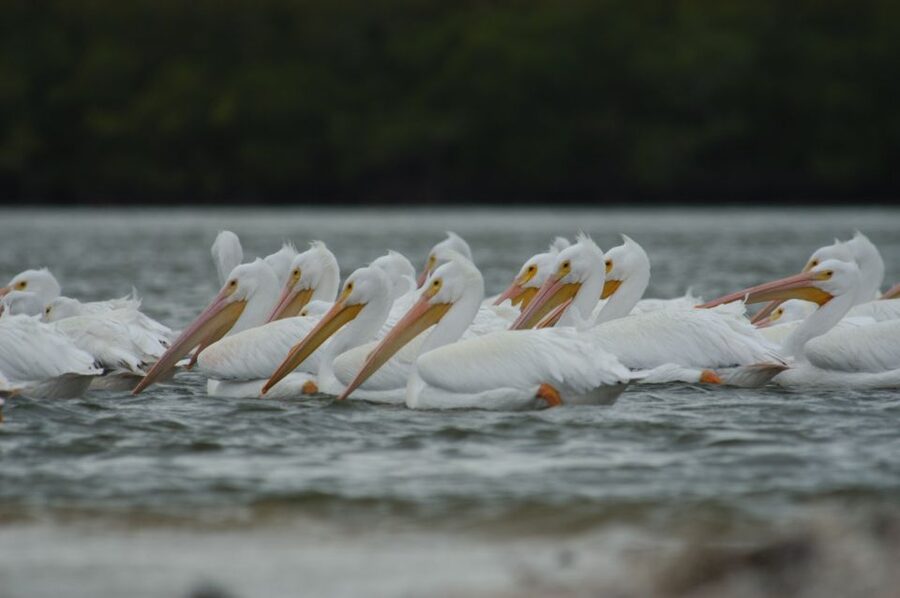
- Bird photography is a major strength, with possible sightings of roseate spoonbills, osprey, herons, ibis, terns, pelicans, shorebirds, and bald eagles.
- The stable boat suits serious camera gear, including a tripod and large telephoto lens.
- The island walk adds a second type of experience, taking you from open water to shells, mangroves, and traces of earlier human use.
- Morning departures are wise from June through October, when weather can make later outings less comfortable.
- This is an information-rich nature trip, with attention to local wildlife, plants, culture, and the history of the Everglades coast.
A boat trip through the Everglades 10,000 Islands
This is not the usual Everglades trip through sawgrass marshes. From Parkway Marina in Chokoloskee, you head into a coastal world of shallow water, mangroves, small islands, and open Gulf channels. The setting feels remote because most of the islands are uninhabited and reachable only by boat.
The boat is an important part of the experience. It is large and stable enough for photography, with comfortable seating and room to set up a tripod. That matters more than it may sound. A small, rocking boat can make bird photography frustrating, especially when you are using a long lens. Here, you have a better chance of holding your frame steady while the guide slows down or changes direction.
The group limit is six people. I see this as one of the strongest reasons to consider the trip. A small group makes it easier to ask questions, spread out with camera equipment, and tell the guide what you hope to see. It also allows the outing to feel more personal than a large sightseeing cruise.
Your guide pilots the boat and explains the plants, wildlife, local culture, and past of the area. Guides named Don, Dan, Seth, and Eddie have led outings, and the descriptions of their guiding style point to a strong mix of natural history and easy conversation. Do not expect a formal classroom lecture. The value is in having someone notice a bird in the distance, explain what you are seeing, and put the scene into context.
A few more photo experiences around the USA worth a look
- Longyearbyen: Wildlife Safari & Hiking Photography Tour
★ 4.4 · 27 reviews - Kiruna: Wildlife and nature photography
★ 4.5 · 7 reviews
What you might see on the water
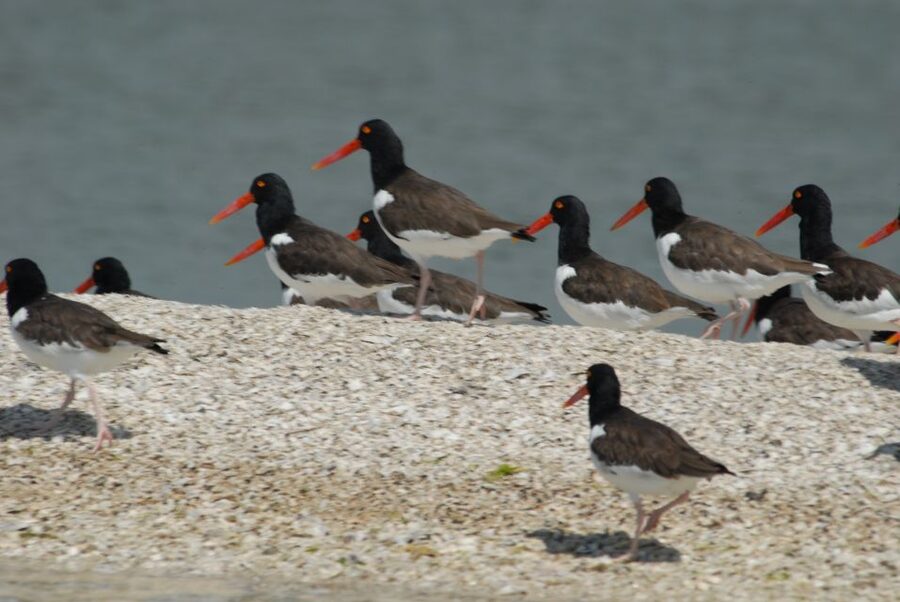
The guide keeps watch for a long list of coastal birds. Possible sightings include roseate spoonbills, osprey, white pelicans, ibis, great blue herons, tricolored herons, snowy egrets, great egrets, royal terns, cormorants, American oystercatchers, plovers, shorebirds, and bald eagles.
That range makes the trip appealing to both dedicated birders and casual wildlife watchers. You might spend time near nesting cormorants or osprey, pause for a great egret, or watch terns and shorebirds working along the shallows. One outing included a great horned owl, though unusual sightings like that should be treated as luck rather than a promise.
The coastal water also offers chances to see dolphins, sea turtles, manatees, and other saltwater animals. Bottlenose dolphins may play near the boat or follow in its wake. Sea turtles and manatees are less predictable, but the guide will be looking for them. The broad point is that you are not confined to a single wildlife target. If birds are quiet, the water itself may provide the surprise.
Photography works best when you bring the right equipment. One practical note is clear: if your main goal is sharp wildlife photography, bring a long telephoto lens. A phone or short lens can record the outing, but distant birds and moving animals usually require more reach. The boat gives you a steady platform, not a guarantee that wildlife will come close.
The value of a stable boat for photographers
Many wildlife tours advertise photography opportunities, but the boat setup determines how useful those opportunities really are. This one is designed with photographers in mind. You can bring a tripod, and the boat has enough stability for larger lenses.
I like that the experience does not force photographers to choose between comfort and serious equipment. A large telephoto lens can be awkward on a crowded boat. With only six participants, you have a better chance of keeping your gear organized and ready without blocking everyone else.
You should still dress for Florida sun and changing weather. Bring the sun protection you need, and consider the effect of glare on the water when planning your clothing and camera settings. Food and beverages are not included, so plan ahead before arriving. The supplied information does not list meals or refreshments on the boat.
The captain may slow down for photography, but conditions affect what is possible. Wind, light, water movement, and animal behavior all matter. One past outing made the best of a windy day by adjusting the route and pace. That is the right attitude here: the guide can improve your chances, but the Everglades remains a wild place.
Stepping onto an uninhabited barrier island
The trip has two clear parts. After exploring the waterways, the guide beaches the boat and leads you on foot along one of the park’s uninhabited barrier islands.
This stop changes the pace. Instead of watching the shoreline from a seat, you get to examine the setting at ground level. You may notice shells, saltwater life, plant growth, and other details that disappear when you are moving past them by boat. One outing included traces connected with the area’s original Indigenous inhabitants, adding a human layer to the natural setting.
The walk is also a chance to make more photographs. The island offers a different background from the open water, and you can look closely at the plants, shoreline, and small animals. The supplied details do not give a set walking distance or trail surface, so you should think of it as a guided stroll rather than a strenuous hike.
The island stop is especially useful for anyone who wants to understand how the Everglades coast works. From the boat, the islands can look like a beautiful maze. On foot, you begin to see how water, mangroves, shells, birds, and human history fit together.
Same place, a different kind of shoot:
- The ‘OG’ Manatee Snorkel Tour with In-Water Guide/Photographer
★ 5.0 · 2,539 reviews - Manatee Swim Tour with In Water Photographer
★ 5.0 · 2,300 reviews - Guided Small Group Manatee Snorkeling Tour with In-Water Photographer
★ 5.0 · 1,336 reviews - Murals of Nashville Instagram Tour by Golf Cart
★ 5.0 · 950 reviews
Why the guide matters here
A good boat captain does more than steer. In this setting, the guide helps you find wildlife, explains what makes the coast unusual, and keeps the outing respectful of animals and habitat.
The guides on this experience are Florida-certified Master Naturalists, licensed by the US Coast Guard, and described as having strong knowledge of local plants and wildlife. Dan and Don have received particular praise for clear explanations, personal attention, and respect for nature. Seth and Eddie have also led outings that included memorable wildlife encounters.
I would book this trip for the guide as much as for the boat. You can see mangroves and birds on your own, but it is harder to understand what you are looking at or where to pause. A guide can point out a distant bird, explain why a particular island matters, and adjust the outing around the conditions.
The cultural and historical information is another useful layer. This is not just a bird-counting trip. You learn about the area’s past, the local communities, the mangrove ecosystem, and the way people have used these waters. That makes the boat ride more than a search for animals.
Timing, weather, and the remote meeting point
The experience lasts 210 minutes, or 3.5 hours. That is long enough for a proper boat outing and an island stop without taking up an entire day.
For trips from June through October, the morning departure is recommended because of the weather. This is practical advice, not a minor scheduling note. Morning conditions can be more comfortable, and you avoid committing to a later outing during the warmest part of the day.
You meet at Parkway Marina, 1180 Chokoloskee Drive, Chokoloskee, Florida 34138. Arrive 10 to 15 minutes early so you can park, use the restrooms, and walk down to the docks. The boat boards five minutes before departure, and missing the tour does not qualify for a refund.
Parking is on the right-hand side when you arrive at Parkway Marina. Restrooms are across from the Marina Store, and you meet the captain down by the docks. Chokoloskee is at the end of the road, with limited facilities, so this is not the place to arrive at the last second looking for supplies.
The location is part of the appeal, but it adds driving time. Chokoloskee is roughly an hour from Naples. If you are staying elsewhere in South Florida, check the drive before booking and allow extra time. The remote setting helps preserve the feeling of a wild coast, but it is less convenient than a tour departing from a major city or a large park entrance.
Is $172 a fair price?
At $172 per person, this is not the cheapest way to see the Everglades. The value comes from the small group, the 3.5-hour duration, the specialist guide, and the photography-friendly boat.
A six-person maximum changes the economics. You are paying for more than a seat on a boat. You are paying for room to handle camera gear, a guide who can respond to your interests, and access to shallow coastal waterways and an island that you cannot reach by road.
For a dedicated birder or photographer, the price is easier to justify. You would likely make better use of the stable platform, the guide’s spotting skills, and the slower pace. For a casual visitor who only wants a quick introduction to the Everglades, the cost may feel high, especially after adding transportation to Chokoloskee.
The price does not include food or drinks. Bring what you need before reaching the marina. You also need to supply your own camera equipment and sun protection. Those small preparations help you get full value from the time on the water.
Free cancellation is available up to 24 hours before departure, and you can reserve now and pay later. Those policies make it easier to fit the trip into a changing Florida schedule, but they do not remove the need to arrive on time.
Who will enjoy this most?
I would recommend this experience to:
- Birders who want access to coastal species and expert help identifying them.
- Photographers carrying tripods or long telephoto lenses.
- Couples, families, or friends who prefer a small group to a large boat.
- Nature lovers who want both a boat ride and a short island walk.
- Visitors willing to make the drive to a remote part of the Everglades.
- Anyone who values local history and plant knowledge along with wildlife sightings.
It may not suit you if you want a guaranteed list of animals, a short ride from central Naples, or a fully catered outing. Wildlife behaves on its own schedule. Windy conditions can affect the route, and the remote meeting point requires planning.
You should also be comfortable with a nature experience that includes waiting, scanning the water, and moving at the guide’s pace. The reward is the chance to see the coast as a working ecosystem rather than a series of quick photo stops.
My advice on making the most of it
Bring the longest practical lens you own if photography matters to you. A tripod is welcome, and the boat is stable enough to make it useful.
Arrive early, bring sun protection, and carry food or drinks because none are included. Morning is the safer choice from June through October.
Tell the guide what interests you. If you care most about birds, dolphins, island ecology, or photography, speak up early. The small group format makes that more useful than it would be on a large cruise.
Keep your expectations flexible. You might see spoonbills, nesting osprey, white pelicans, dolphins, or sea turtles. You might also spend part of the trip enjoying the quiet water and learning how the mangroves support life. Both are worthwhile, but only one can be guaranteed: time in a remote part of the Everglades with a guide who knows how to read it.
Should you book this Everglades expedition?
Book it if you want a serious small-group wildlife outing with time for photography and a real stop on an uninhabited island. The stable boat, six-person limit, and naturalist guide give it more substance than a quick sightseeing cruise.
I would be especially keen to book this for bird photography or a private-feeling nature day. Skip it if you are short on time, dislike remote meeting points, or need guaranteed wildlife sightings. For the right visitor, $172 buys a thoughtful look at one of Florida’s least developed coastal areas, not just a boat ride.
FAQ
How long does the Everglades Birding, Wildlife, and Photography Expedition last?
The experience lasts 210 minutes, or about 3.5 hours.
Where does the tour meet?
The meeting point is Parkway Marina at 1180 Chokoloskee Drive, Chokoloskee, Florida 34138. Meet the captain down by the docks.
How many people can join the boat trip?
The boat is limited to six participants, making room for comfortable seating and photography equipment.
Can I bring a tripod and large telephoto lens?
Yes. The boat is described as a stable platform with space for a camera tripod and large telephoto lenses.
What wildlife might I see?
Possible sightings include roseate spoonbills, osprey, ibis, great blue herons, tricolored herons, snowy egrets, shorebirds, bald eagles, dolphins, sea turtles, manatees, and other saltwater animals.
What happens during the island stop?
The guide beaches the boat at an uninhabited barrier island and leads you on a walk to see the coastal ecosystem up close and find additional photo opportunities.
Just added around the USA
- Los Angeles: Private Professional Vacation Photoshoot★ 5.0 · 2 reviews
- Louisville: Photoshoot Walking Tour with Pictures★ 4.8 · 3 reviews
- Las Vegas: VIP Guided Photography & Hiking Tour of Zion NP★ 5.0 · 2 reviews
- Las Vegas: Wedding Chapel Photography Session★ 5.0 · 2 reviews
- Las Vegas: Cosmic Space Wedding + Spectacular Photography★ 5.0 · 3 reviews
- Las Vegas: Personal Travel & Vacation Photographer★ 4.8 · 38 reviews
- Ketchikan Photo Safari★ 5.0 · 5 reviews
- Juneau: Rainforest Photo Safari on a Segway★ 4.6 · 11 reviews
USA Photo Tours & Photoshoots, compared.

Murals of Nashville Instagram Tour by Golf Cart
Read our review →
Lake Tahoe Small-Group Photography Scenic Half-Day Tour
Read our review →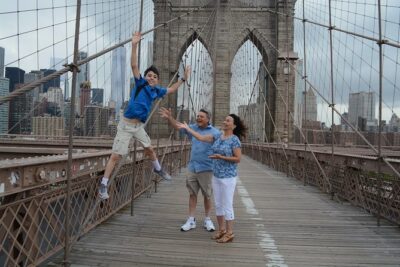
NYC Professional Photoshoot and Walking Tour with Private Guide
Read our review →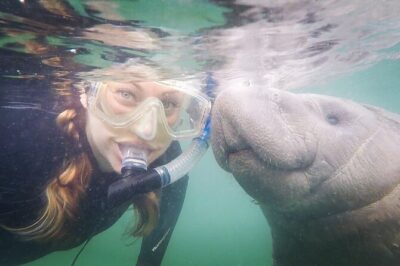
Small Group Manatee Snorkel Tour with In-Water Guide and Photographer
Read our review →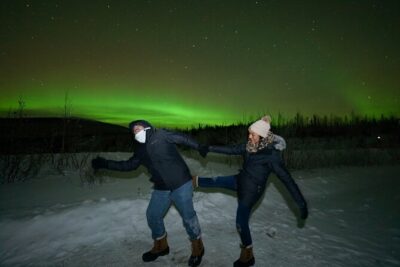
Northern Lights Aurora Tour with FREE Photography
Read our review →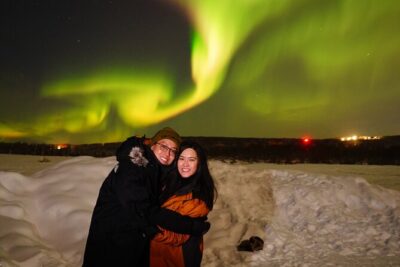
Northern Lights (Aurora Borealis Viewing) Chasing with Photography in Fairbanks
Read our review →
Browse the lists this tour appears in