
REVIEW · SWEDEN
Kiruna: Wildlife and nature photography
Kiruna’s Arctic wildlife is the star here, but the best part is the chance to learn how to look for it. You follow a local Sami guide through snow or autumn colors, watch for moose and smaller animals, and practice with a borrowed tele-lens. I like that the camera is included, and I like the mix of wildlife, photography, and Sami culture rather than a simple animal-viewing drive.
The main caution is patience. Wildlife is never guaranteed, and one four-hour outing included plenty of travel time, birds drawn to nests and food, and moose seen along the road. If you expect a close fox, lynx, or wolf encounter, you may find the outing less dramatic than hoped.
Key points at a glance
- A tele-lens is included: You can borrow a camera for wildlife photography, or bring your own camera or phone.
- Sami guidance adds local context: Your guide explains Arctic nature, photography, and Sami life during the outing.
- Moose are possible, not promised: You may see moose and birds, but wild animals set the schedule.
- The light changes with the season: Winter snow and autumn color offer very different photo conditions.
- Small groups keep things manageable: The group is limited to eight people, useful when sharing cameras and watching wildlife.
- Warmth is part of the package: Covering clothes, winter shoes, a hot drink, and cake are included.
What the four-hour Kiruna outing is really about
This is not a fast checklist of Arctic animals. It is a short nature outing built around watching, waiting, and learning to make better photographs in difficult northern light.
The guides work as local Sami photo leaders, so you get more than basic camera handling. You hear about the area, Sami life, and the conditions that shape wildlife sightings. That cultural element matters because it gives the outing a sense of place. You are not simply being driven toward an animal and sent home with a few snapshots.
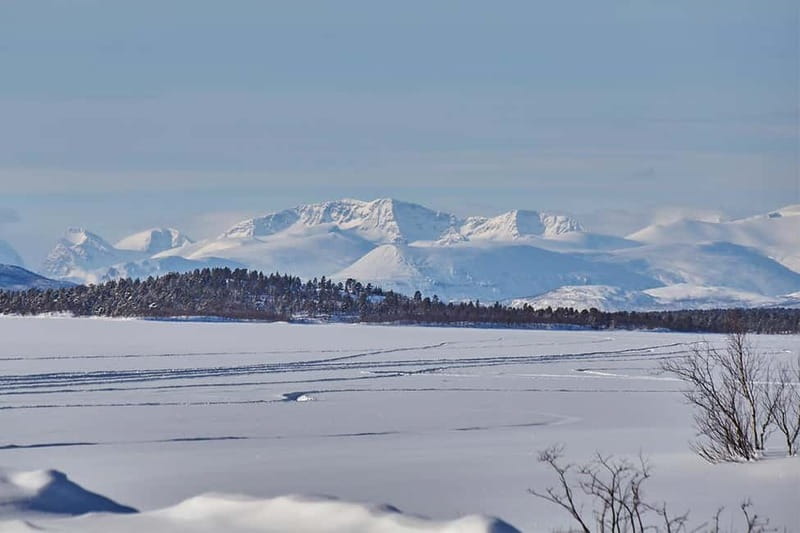
The experience runs in both winter and autumn. In winter, the snow and cold create a bright, open setting with blue and golden light. In autumn, the colors change the feel of the trip and give you a different background for moose and birds. The exact sightings depend on the day, but the seasonal contrast gives you a reason to consider the tour at different times of year.
The group size is capped at eight. That is small enough for the guide to help with a borrowed camera, though you should still expect other people to be watching the same animal or waiting for the same good angle.
A few more photo experiences around Sweden worth a look
- Everglades: Birding, Wildlife, and Photography Expedition
★ 4.6 · 38 reviews - Longyearbyen: Wildlife Safari & Hiking Photography Tour
★ 4.4 · 27 reviews
Starting early from Kiruna
The listed pickup from the tourist office on Malmvägen 9B is around 8:00 am. Camp Ripan pickup is at 8:15 am, and pickup is also available from Icehotel.
An early start suits wildlife photography. Morning light can be especially useful, and starting early gives the group time to reach the viewing areas during the four-hour window. You should arrive ready to leave rather than treating pickup as a relaxed hotel departure. The exact starting time should be checked when you book.
Transportation is part of the outing, but it is also one of the points to weigh carefully. A portion of the time can go toward getting into the right area, and one account of the experience found that the travel reduced the time spent looking for animals. That does not make the drive pointless, but it means you should think of the tour as a nature trip with photography instruction, not four solid hours beside a wildlife hide.
Bring comfortable shoes and warm clothing even though covering clothes and winter shoes are included. Arctic weather can make a short walk feel long, especially if you are standing still while waiting for an animal. The route may include snow or uneven ground, so footwear and balance matter.
Borrowing the camera and tele-lens
If you want to use the included camera, the guide gives you an introduction to the basic controls. A December outing included a camera briefing that covered the essential points, which is useful if you are not used to wildlife equipment.
The tele-lens is the practical advantage. Wildlife usually stays at a safe distance, and a phone alone may leave you with a tiny moose in the middle of the frame. A long lens gives you a better chance of filling the image while respecting the animal’s space.
You can also use your own camera or mobile phone. I would choose your own gear if you already know how to use it, since you will spend less time learning unfamiliar buttons. A phone is fine for general scenery and closer birds, but you should not expect it to match a tele-lens for distant moose.
Bring your own SD memory card if you borrow the tour camera. It is not included. This is an easy detail to miss, and it can decide whether you keep the images you take. If children come along, they share a camera with their parents, so the outing is not designed around one camera per child.
Flash photography is not allowed. That is sensible around wildlife and means you need to work with the available light. The guide can help you make the most of the blue and golden tones instead of trying to brighten the scene with a flash.
Looking for moose and smaller Arctic animals
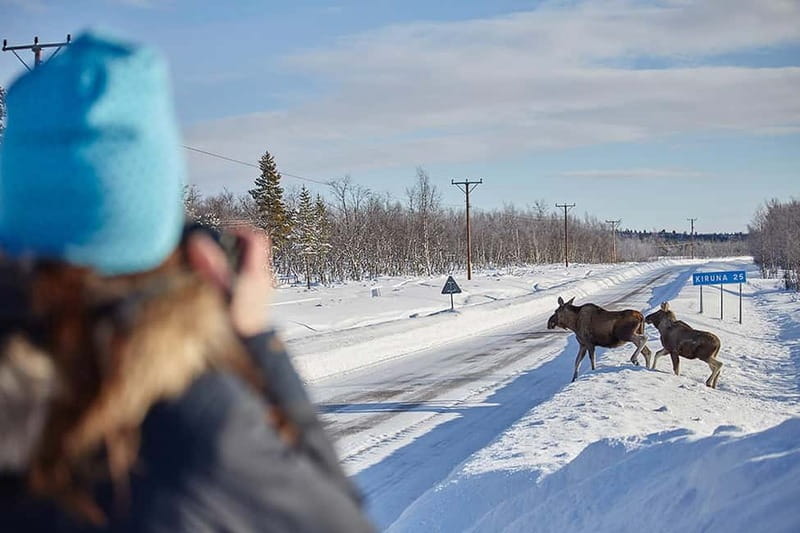
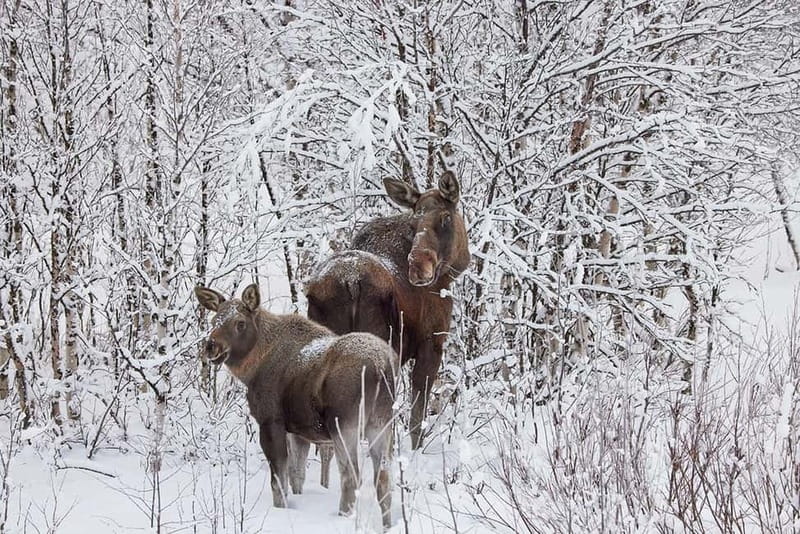
Moose are the main draw. They may appear in their natural habitat or along the road, and the guide helps you get closer in a careful way without treating the animal like a prop.
You should keep your expectations in check. A sighting may be brief, distant, or partly blocked. The animals choose the route, not the tour schedule. That uncertainty is part of real wildlife photography, but it can frustrate anyone hoping for a guaranteed close-up.
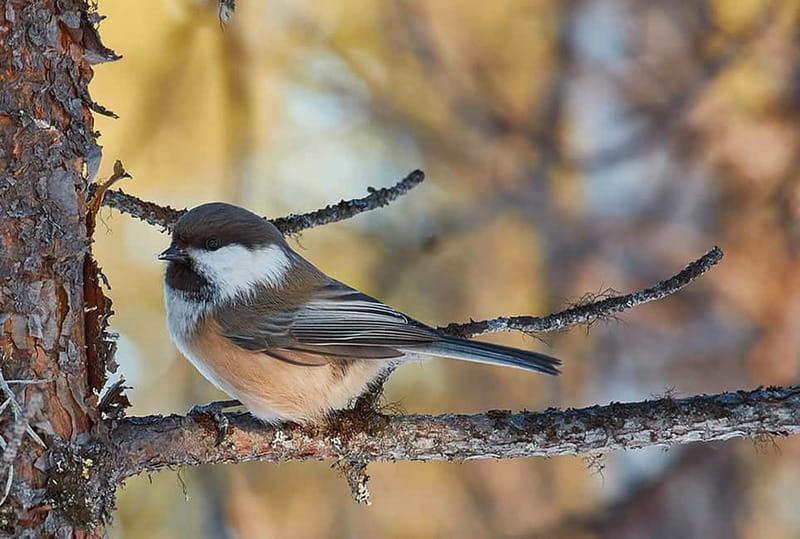
Birds may also be part of the outing. On one day, birds were drawn to nests and food placed by the Sami guides. This can offer a better chance to practice framing and focusing than waiting for a moose that never appears. At the same time, it may feel less wild if you expected every sighting to happen without any help from people.
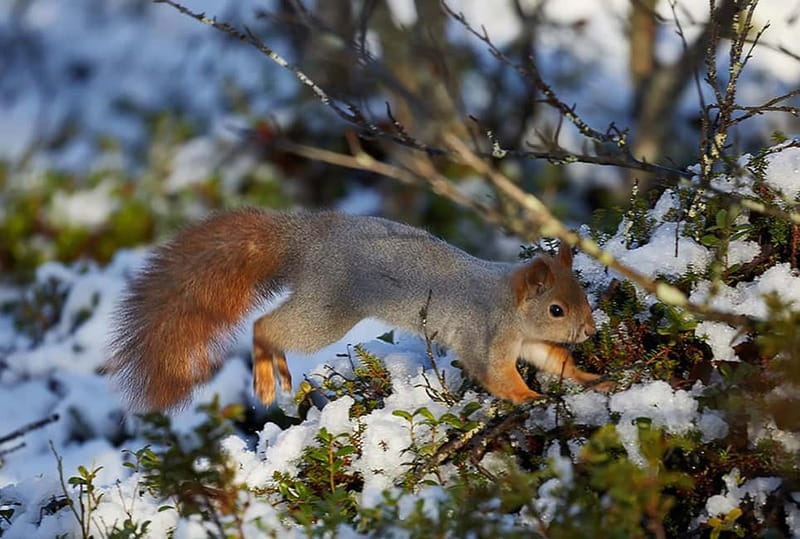
The outing can include moose, birds, and the possibility of other Arctic animals. Foxes, hares, lynx, and wolves are the kind of animals you might hope to see, but they are not promised. I would book this for the chance to observe Arctic nature, not for a fixed animal list.
That distinction is important. If you want guaranteed wildlife action, no responsible nature guide can offer it. If you enjoy noticing tracks, light, movement, and habitat, the slower pace may suit you better.
Same place, a different kind of shoot:
- Kiruna Northern Lights Tour with Photographer
★ 5.0 · 735 reviews - The Ultimate Aurora Photo Adventure
★ 5.0 · 514 reviews - Abisko Northern Lights Tour with Photographer
★ 5.0 · 104 reviews - Abisko: National Park Northern Lights Photo Tour
★ 4.6 · 86 reviews
Sami culture is part of the experience
The guide’s Sami background gives the trip a local connection. You learn about Sami life as well as the animals and the photographic conditions.
The information supplied does not name individual guides, so I cannot point you to a particular person. What is clear is that the guide is expected to combine three roles: local host, photography teacher, and wildlife leader.
That combination is useful. A camera lesson without local context can feel like a basic equipment rental. A culture talk without time outdoors would miss the reason many people come to Kiruna. Here, the subjects are linked. You learn about the area while trying to photograph the animals that live there.
Keep your questions ready. Ask about how the seasons affect the animals, what signs the guides watch for, and how to photograph without disturbing wildlife. The four-hour format gives you enough time to ask questions, although the amount of instruction you receive may depend on the group’s needs and the day’s sightings.
Arctic light, snow, and autumn color
The light is one of the strongest reasons to bring a camera. The experience focuses on the blue and golden light that reflects from the Arctic surroundings, and those tones can make even a distant animal photograph more interesting.
Snow changes the technical challenge. Bright white ground can fool a camera into making the whole picture too dark, while low light can produce blur if the animal moves. The guide’s tips should help you make better choices with the camera you use.
Autumn offers a different problem. Colorful surroundings can make a fine setting for moose and birds, but leaves and uneven ground may make walking less simple than on a clear snowy surface. The tour is available across the year, so choose the season based on the kind of photographs you want, not only the animals you hope to see.
You should be ready to spend time outside in cold conditions. Even with covering clothes and winter shoes provided, wear warm base layers and bring comfortable clothing. You may be standing still while waiting, and stillness is when the cold tends to catch up with you.
The pause by the fire
A hot drink and cake are included, and one outing included warm drinks by a fire. This is more than a minor extra in Arctic weather. A short warm-up gives you a chance to handle the camera with less stiff fingers, talk with the guide, and review what you have photographed so far.
Do not judge the tour by the snack alone, but do appreciate the practical value. Four hours in cold conditions is easier when there is a planned moment to warm up. The pause also gives the experience a more personal feel than a simple transfer from one viewing spot to another.
The exact fire setup and timing are not specified, so you should not assume the break will look the same on every outing. Still, hot drink and cake are part of what is included.
How much value do you get for $220?
The price is $220 per person. That is a serious spend for four hours, so value depends on what you need.
For a photographer, the price includes several useful pieces: transportation from the listed pickup points, a camera with a tele-lens, outdoor covering clothes, winter shoes, a Sami photo guide, photography advice, and a hot drink with cake. Renting a camera and tele-lens separately could add cost and hassle, especially if you are flying into Kiruna without wildlife equipment.
For someone already carrying a strong camera and tele-lens, the value is less obvious. You are paying mainly for local guidance, transport, access to the activity, cultural context, and the chance to photograph wildlife in suitable areas. You are not paying for a guaranteed close encounter.
The small group helps justify the price. With no more than eight people, the guide has a better chance of answering questions and helping with camera settings than on a large bus outing. Still, the group shares the same sightings, and one person’s ideal position may not be yours.
I would see the price as fair for a visitor who wants an organized Arctic photography outing and does not own the right lens. I would be more hesitant if your main goal is simply to see a moose, since the animal sightings are uncertain and some time may go toward driving.
Who should book this outing?
This suits adults and children aged eight or older who can walk through snow or over uneven ground. It works especially well for people who want to try wildlife photography without packing a large lens.
It is also a good match for visitors who care about local culture and want to hear about Sami life from a Sami guide. You do not need to be an expert photographer. The basic camera briefing means beginners can take part, while experienced photographers can use the guide’s local advice and the changing light.
I would not choose it for anyone with a mobility impairment, since the activity is not suitable for people who need accessible terrain. It is also a poor match if you dislike cold, waiting, or uncertain wildlife sightings.
Keep the mood quiet and respectful. Smoking and alcohol in the vehicle are not allowed, and you should maintain a safe distance from animals. That is good for the wildlife and gives you a better chance of seeing natural behavior.
Practical details before you book
The tour is offered in English and Swedish. Pickup is included from Icehotel, Kiruna tourist office, and Camp Ripan. The tourist office pickup is around 8:00 am, while Camp Ripan pickup is at 8:15 am.
You can cancel up to 24 hours before the outing for a full refund, and you can reserve now without paying immediately. Check availability for the exact start time, particularly if you are planning this around a train, flight, or another Kiruna activity.
Bring:
- Warm clothing
- Comfortable shoes
- Your own camera or mobile phone, if preferred
- An SD memory card if you plan to use the included camera
The tour has an overall rating of 4.5 from seven ratings. The strongest points are the effort put into helping people see as much as possible, the useful camera introduction, and the warm drink by the fire. The less positive experience came from spending a fair amount of time on the road and seeing fewer special animals than hoped.
Should you book the Kiruna wildlife photography tour?
Book it if you want a small-group Arctic outing that combines a Sami guide, basic photography help, borrowed camera gear, and a real chance to see moose. The included tele-lens and warm clothing make the $220 easier to justify, especially if you are visiting Kiruna without outdoor equipment.
Skip it if you need guaranteed sightings, dislike long transfers, or already have a strong wildlife setup and only want a short animal encounter. Go in expecting nature to set the timetable, bring warm layers and a memory card, and treat the photographs as a bonus to the wider experience of being outdoors near Kiruna.
FAQ
How long is the wildlife photography tour?
The activity lasts four hours. Starting times vary, so you should check availability when booking.
Where can I be picked up?
Pickup is included from Icehotel, the Kiruna tourist office, and Camp Ripan. Pickup from the tourist office on Malmvägen 9B is around 8:00 am, and pickup from Camp Ripan is at 8:15 am.
Is a camera included?
Yes. You can borrow a camera with a tele-lens for wildlife photography. You may also use your own camera or mobile phone.
Do I need to bring an SD memory card?
Yes, if you plan to use the included camera. An SD memory card is not provided.
Are children allowed on the tour?
Children under eight are not allowed. Children who join the tour share a camera with their parents.
What languages are available?
The live guide is available in English and Swedish.
Just added around Sweden
- Kiruna: Northern Light Photo Tour with Equipment★ 5.0 · 7 reviews
- Abisko: Photo Hike with Professional Photographer★ 4.9 · 12 reviews
- Abisko: Northern Lights Photography Tour with Dinner★ 5.0 · 31 reviews
- Abisko: Fjord Sightseeing and Photography Tour★ 4.8 · 48 reviews
- Stockholm: Private Photoshoot – Photography Experience★ 5.0 · 10 reviews
- Stockholm: Subway Art & Photo Tour – World’s longest gallery★ 4.6 · 36 reviews
- Private Golden Hour Photo Walk in Stockholm★ 5.0 · 24 reviews
- Magical “Stockholm by Night” Photo Walk★ 5.0 · 8 reviews
Sweden Photo Tours & Photoshoots, compared.
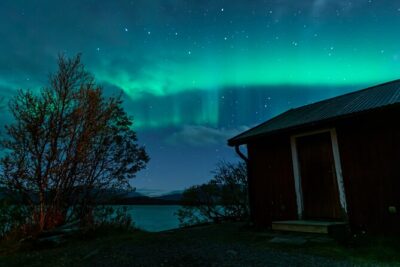
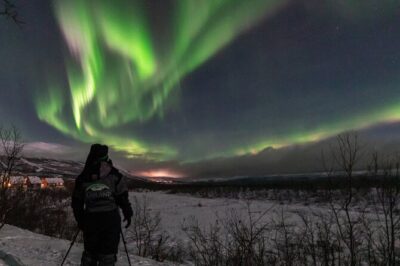
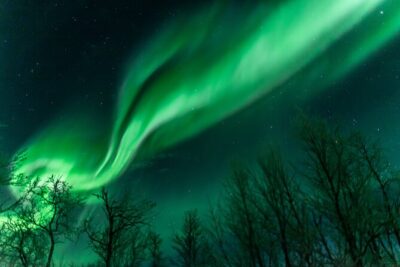
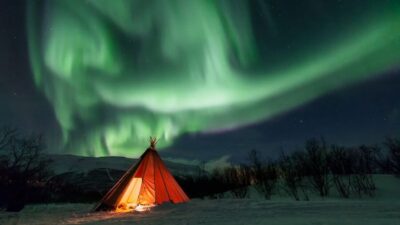
Abisko: National Park Northern Lights Photo Tour
Read our review →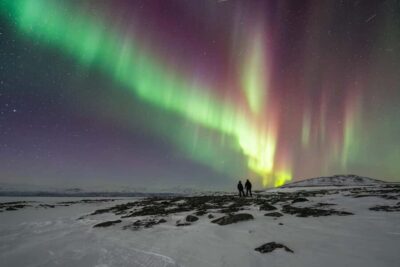
Abisko: Aurora Car Chasing Tour with Photographer
Read our review →
Stockholm: Subway Art & Photo Tour – World’s longest gallery
Read our review →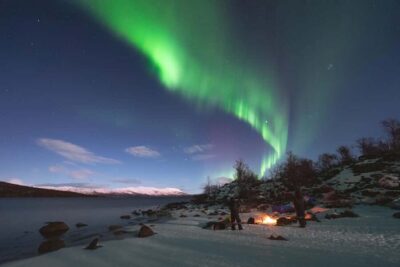
Abisko: Northern Lights Photography Tour with Dinner
Read our review →Browse the lists this tour appears in