REVIEW · TOKYO
Tokyo: Photography Masterclass – Private Photo Lesson
Tokyo becomes a very different place when you stop sightseeing and start looking for pictures. This private lesson puts you beside a local guide in Shibuya, Harajuku, and nearby streets, helping you work out camera settings while you chase crossings, fashion, neon, and quieter corners. I like the one-to-one format, and I like that you can shape the route around the subjects you actually want to photograph.
The strongest practical point is the guide’s location sense. Ivan has been praised for knowing precise shooting spots, suitable focal lengths, and when to use a slow shutter or time-lapse. The main consideration is simple: this is a photography lesson, not a portrait session, and you must bring your own camera unless you arrange a tripod rental.
Key points to know before booking
- Begin at Hachiko in Shibuya: The meeting point is easy to identify and sits beside one of Tokyo’s busiest photographic scenes.
- Choose day, night, or both: You can book a three-hour daytime lesson, a three-hour night outing, or a six-hour combination.
- Get advice matched to your camera: The opening coffee and technical discussion help your guide set the lesson at the right level.
- Expect a private route: The guide can focus on crossings, youth fashion, street scenes, landmarks, or lesser-known corners.
- Guides bring strong local judgment: Ivan, Tim, and Karl are named in the supplied feedback, with particular praise for camera tips and precise location planning.
- Bring your own equipment: A camera is not supplied, and a tripod is available to rent only by request.
Why Tokyo works so well for a camera lesson
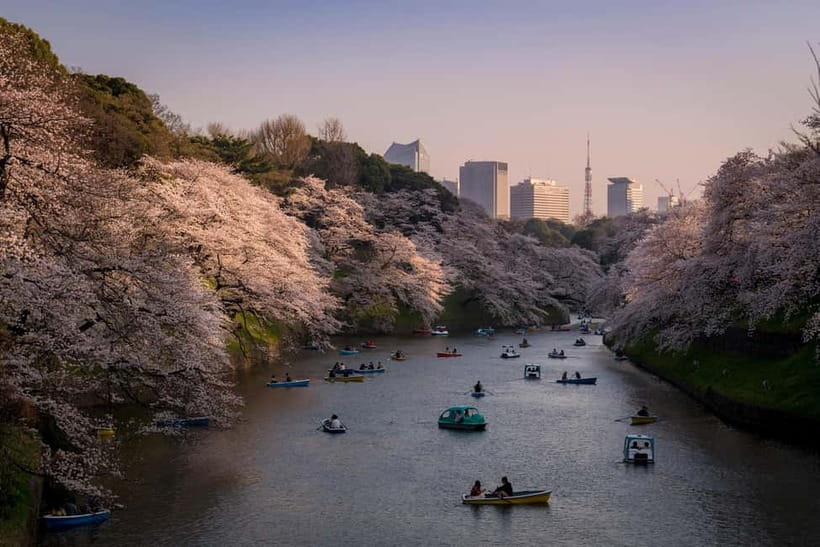
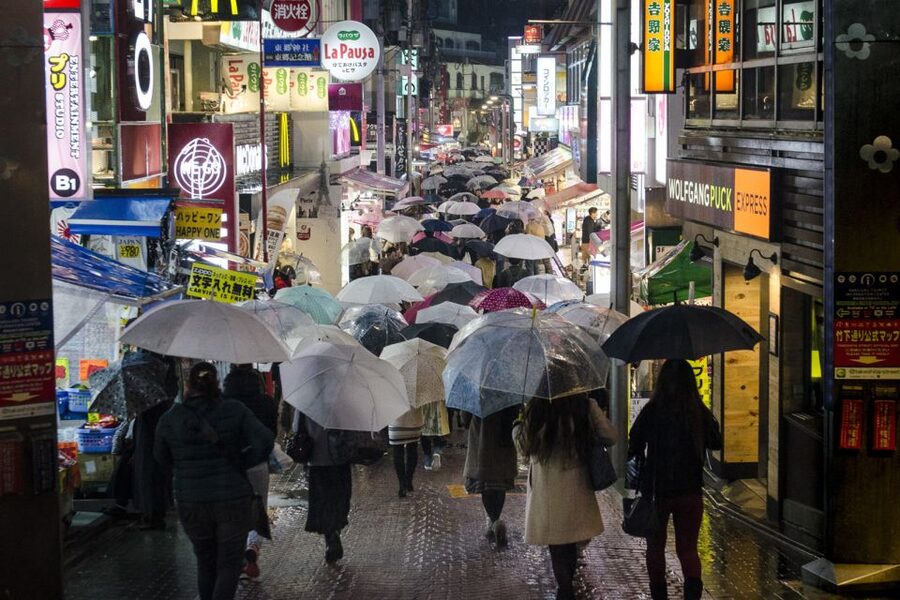
Tokyo gives you a lot to work with in a small amount of time. In Shibuya, people stream through a famous crossing while signs, buildings, traffic, and side streets create layers around them. In Harajuku, clothing and youth culture offer a different kind of subject, with color, movement, and individual style replacing the broad city view.
That variety matters for a lesson. You are not simply being walked to one viewpoint and told to press the shutter. You can practice timing at a crossing, composition in a narrow back street, and camera control in changing light. A guide can also help you decide when a scene is better served by a fast shutter, a slower exposure, or a time-lapse sequence.
I especially like the private format for this kind of activity. Photography lessons can become awkward in a large group, since beginners may need help with basic settings while experienced photographers want more precise advice. With a private group of up to two, you can ask questions without holding anyone else back.
The price is $323 per group of up to two people, not per person. For one person, that is a sizeable cost for three hours. For two people who both want instruction, the value is easier to see, particularly if you bring good equipment and want more than a standard sightseeing walk. You are paying for a personal instructor, a local route, and help making decisions in real shooting conditions.
More Photography Workshops in Japan
- Tokyo Photography Masterclass – Private Photography Lesson
★ 5.0 · 25 reviews - Blade Runner photo workshop in Shibuya with Laurence Bouchard
★ 5.0 · 15 reviews - Kyoto Photography Masterclass – Private Photography Lesson
★ 5.0 · 11 reviews
Starting with coffee, camera settings, and a plan
The lesson begins with coffee. This is more useful than it may sound. Your guide uses the opening time to establish your level, talk through technical sheets, check that you are comfortable with your camera, and learn what you want from the outing.
If you are new to photography, this gives you a chance to sort out basic controls before the city gets busy. You can get a better feel for settings and ask questions that might be hard to raise once you are standing at a crowded crossing. If you are already comfortable with your camera, the guide can focus on more specific choices such as focal length, exposure, shutter speed, or ways to anticipate a scene.
The custom planning also helps avoid a common problem with photo tours: spending too much time at famous places that do not match your interests. You can tell the guide if you want to work on people, architecture, night photography, street detail, or a particular Tokyo landmark. The route remains flexible enough to give attention to the subjects that matter to you.
You should arrive ready to describe your camera and your experience plainly. This is not the time to pretend you are more advanced than you are. A useful private lesson depends on the guide knowing what you already understand and what still feels uncertain.
Hachiko and the first Shibuya frames
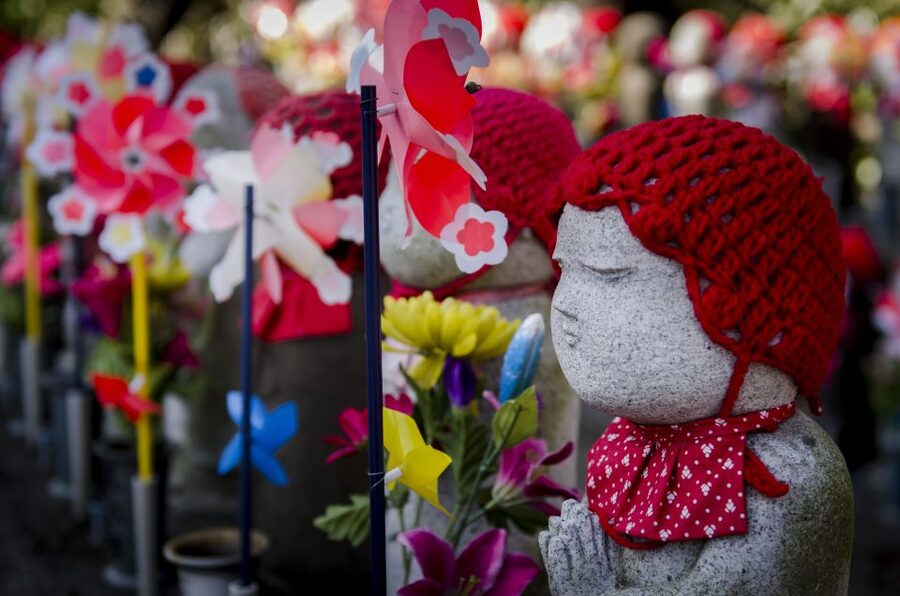
The meeting point is the Hachiko Memorial Statue outside Shibuya Station. Hachiko was a famously loyal Akita dog, and the bronze statue is one of the area’s best-known meeting points. It is also a practical place to start because Shibuya Station serves many lines, including JR East, Keio, Tokyo Metro, and Tokyu services.
From Hachiko, the tour can move quickly into the famous crossing. This is the scene many people picture when they think of Tokyo street photography: large flows of pedestrians, tall signs, changing light, and a busy urban setting that changes every few seconds.
A guide’s value here is not simply knowing where the crossing is. The useful advice is deciding where to stand, what lens to use, and when to press the shutter. The best frame may depend on timing, spacing, and the way people move through the scene. One guide, Ivan, was specifically praised for understanding what focal length a shot required and what special treatment might suit it.
You might spend time trying several approaches. A wider lens can include more of the crossing and surrounding signs. A longer focal length can isolate movement and compress the scene. A slower shutter may show motion, but it also demands more care. The point is not to copy one postcard view. It is to understand why one setting works for one moment and fails for the next.
The drawback is that Shibuya is a demanding place to learn. It can be crowded, visually cluttered, and full of distractions. If you prefer quiet streets and slow compositions, the crossing may feel hectic. The private format helps because your guide can move on once you have practiced enough, rather than keeping you at a single famous stop.
Shibuya’s side streets and the value of exact locations
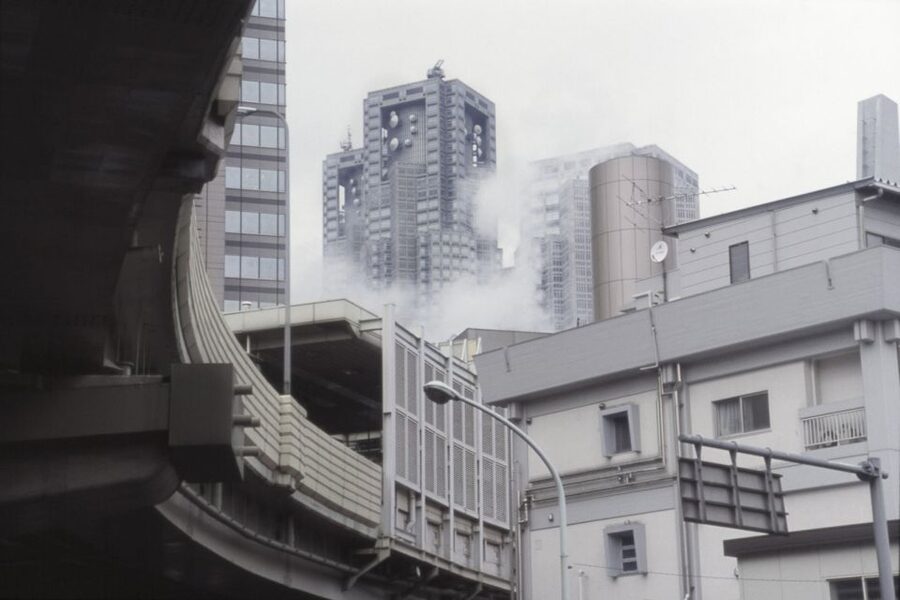
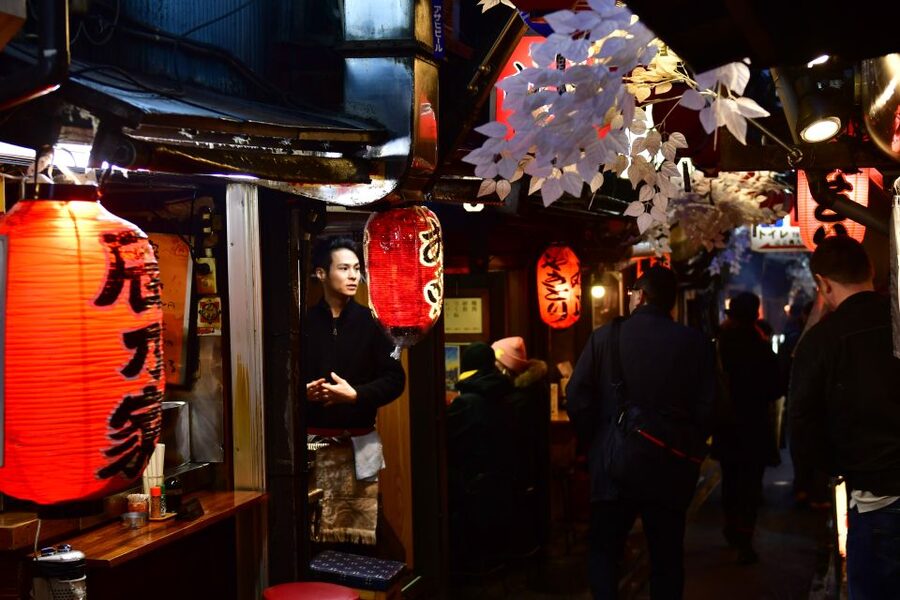
The quieter streets behind the major crossing offer a useful change of pace. Here, the guide can help you look for smaller scenes rather than relying on Tokyo’s biggest visual symbols. Signs, shopfronts, narrow passages, changing shadows, and passing pedestrians can all become exercises in composition.
This is where local knowledge saves time. A guide who knows the area can take you to places suited to your interests instead of leaving you to wander without a plan. Ivan was praised for knowing locations down to the square foot, a detail that matters when light, angles, and background clutter affect the result.
You can also use these streets to practice seeing before shooting. Look at the edges of the frame. Check what is behind your subject. Notice how signs and lines lead the eye. A good instructor can point out these issues while you still have time to make a second attempt.
I like this part of the route because it turns Tokyo into a working classroom. You are not only collecting pictures. You are learning how to recognize a possible frame in an ordinary moment. That skill can be useful for the rest of your Japan trip, long after the three-hour lesson ends.
Still, the exact stops are not fixed. The experience is designed around your interests and level, so you should not book it expecting a guaranteed list of named streets or viewpoints beyond the stated Shibuya and Harajuku focus. The flexibility is a benefit, but it also means the final route depends on your conversation with the guide.
More Private Photoshoots in Japan
- Tokyo by Night Photography Tour (Private Option Available)
★ 5.0 · 151 reviews - Tokyo: Photo Shoot with a Private Vacation Photographer
★ 5.0 · 53 reviews - Tokyo 6hr Instagram Highlights Private Tour with Licensed Guide
★ 5.0 · 38 reviews - Kyoto: Private Photoshoot Service
★ 5.0 · 158 reviews
Harajuku fashion and people photography
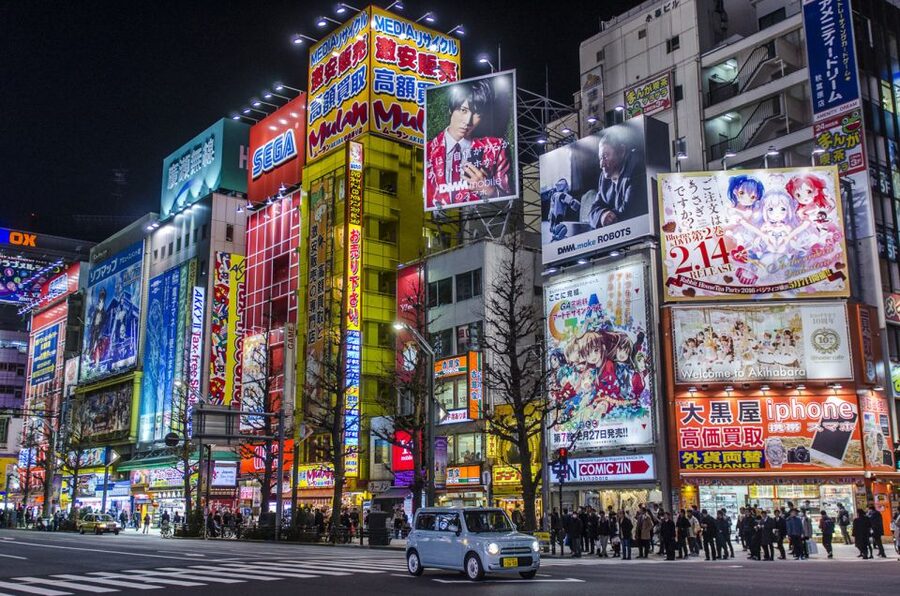
Harajuku brings a different subject to the lesson. The area is known here for eclectic youth fashion, giving you a chance to work with color, clothing, movement, and street character. Compared with the broad scale of Shibuya Crossing, this part of the outing can encourage closer attention to individual details.
People photography requires care. Your guide can help you think about timing and framing, but the activity is not a portrait session. The instructor will not be taking photos of you, and the stated purpose is to teach you how to photograph Tokyo with your own camera.
That distinction is important. If you want polished portraits of yourself in Tokyo, this is the wrong booking. If you want to improve your ability to photograph public street scenes, fashion, and passing moments, the format makes more sense.
Harajuku can also test your camera control. Clothing colors and bright shop signs may confuse automatic exposure, while moving subjects call for quick decisions. Your guide can help you work out how to respond to those conditions, though the precise instruction will depend on your level and equipment.
For a first-time camera user, this is a chance to practice without treating every mistake as a failure. For a semi-professional, it can be a useful prompt to think about timing, focal length, and the story a street image tells. The private structure allows both kinds of photographers to work at a suitable pace.
Day photography, night photography, or six hours
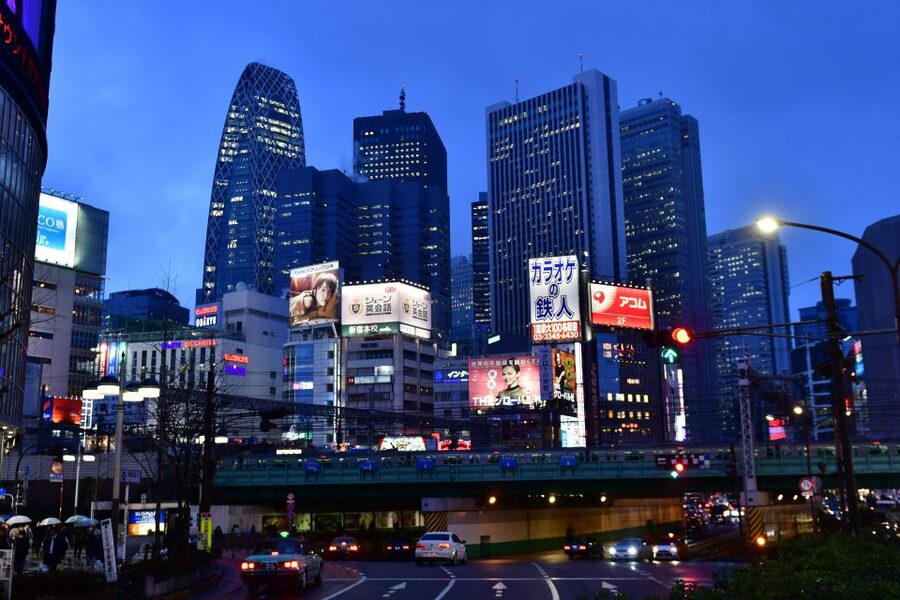
You can choose between a three-hour day tour, a three-hour night tour, and a six-hour combination of day and night. These are not minor variations. Light changes the work, the mood, and the camera decisions.
The day option gives you a straightforward setting for learning composition, street scenes, landmarks, and people photography. It may suit you best if you are still becoming comfortable with the camera, since you can concentrate on framing and timing without also dealing with low light.
The night option puts more weight on camera settings. Neon signs and city lights can produce strong subjects, but you may need to pay closer attention to exposure, shutter speed, and camera stability. Tim, one of the named guides, was praised for leading a night outing, finding strong places to photograph, and giving useful setting advice.
Night photography can be rewarding, but it is less forgiving. A technically difficult scene may look attractive to the eye yet produce a poor image if the settings are wrong. That is exactly why an instructor can be helpful. You get advice at the moment you need it, rather than trying to remember a general camera lesson from earlier in your trip.
The six-hour option combines day and night. It is the most demanding choice in both time and price, but it gives you a fuller lesson in changing conditions. You can work on daytime scenes first, then return to the camera as Tokyo’s lights become more important. Choose it only if you genuinely want a long photography session. Six hours on city streets is a lot of time with a camera.
What the guides add beyond directions
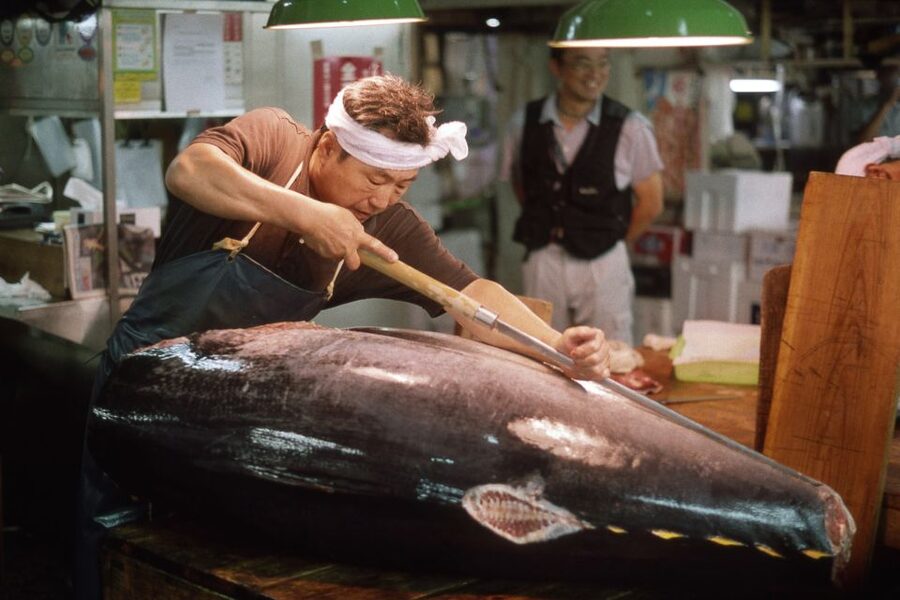
The strongest praise attached to this experience concerns the instructors’ practical judgment. Karl was singled out for matching the route to personal wishes, while Tim was praised for night locations and camera settings. Ivan received the most detailed comments, including precise location planning, focal-length advice, ideas for slow shutter and time-lapse work, and clear communication.
Those details tell you what kind of teaching to expect. This is not only a guide pointing at a landmark and waiting while you take a picture. The instructor can help you decide how to approach a scene and what technical choice may suit it.
The guides also add local context. Ivan provided interesting information about Shibuya and Shinjuku while teaching photography. That combination is valuable because it gives the images a sense of place rather than treating Tokyo as a collection of abstract colors and lights.
The English-language format is another practical point. The tour has a live English-speaking guide, which matters when you are discussing camera controls and technical choices. Photography instruction relies on clear communication, especially when the guide is explaining why one setting may work better than another.
The experience has received a rating of 5 from seven reviews, with praise centered on guide skill, location planning, personal attention, and useful camera advice. That is a small sample, so I would not treat it as proof that every lesson will be identical. Still, the consistency of those themes gives you a clear picture of the service’s main strength.
Equipment, comfort, and practical limits
You must bring your own camera. The activity does not include camera hire, so check your battery, memory card, and basic controls before meeting the guide. A tripod is not included either, but you can request one for rental.
The lesson is three hours unless you choose the six-hour combined option. That is enough time for a focused session without turning the outing into an all-day commitment. It also means you should decide what you most want to improve before you arrive.
Wear something suitable for walking and carry only the equipment you expect to use. A heavy camera bag can distract you from the lesson, especially if you are moving between major streets and side roads. The supplied information does not give a specific accessibility plan, so if you have mobility needs, contact Aperture Tours before booking to confirm the route.
The meeting point is Hachiko in Shibuya. By train, use Shibuya Station’s Hachiko exit. If you take a taxi, you can ask for the area near Hachiko Crossing by saying Shibuya-eki made onegaishimasu or showing the Japanese directions provided for the Hachiko crossing.
Cancellation is flexible if your plans are uncertain. You can cancel up to 24 hours before the activity for a full refund, and the reserve-now, pay-later option means you do not have to pay at the time of booking.
Who will get the most from this lesson
I would recommend this experience to three kinds of photographers. First are beginners who want help using a real camera in a real city rather than learning only from a manual. Second are couples or friends who can share the $323 group price and want private instruction. Third are semi-professionals who want local direction and a fresh set of photographic problems in Tokyo.
It is also a good fit if you care more about making better pictures than ticking off sights. You can still photograph famous places, but the focus is on how you approach them. The guide can spend time on Hachiko Crossing, move into Shibuya’s back streets, or work with Harajuku street scenes depending on your interests.
I would hesitate if you want a portrait shoot, a fixed sightseeing itinerary, or a camera supplied for you. This is not a photo session where an operator produces images of you. It is a lesson in using your own equipment.
Should you book the Tokyo Photography Masterclass?
Book it if you want personal instruction, local shooting advice, and a route that can change to suit your goals. The clearest reasons to choose it are the private group size, the choice of day or night, and the guides’ practical advice on locations, focal lengths, slow shutter work, time-lapse, and camera settings.
The $323 price is easiest to justify for two people sharing the booking. Solo beginners may still find it worthwhile if they want focused help, but you should arrive with clear questions so every minute counts. Bring your own camera, decide whether day or night suits your interests, and remember that the final product is your improved technique, not a set of portraits taken for you.
FAQ
Where does the Tokyo photography lesson meet?
The meeting point is the Hachiko Memorial Statue in Shibuya. From Shibuya Station, use the Hachiko exit.
How long is the photography tour?
The standard choices are a three-hour day tour or a three-hour night tour. A six-hour option combines day and night photography.
Is the tour private?
Yes. It is a private group experience for up to two people.
Is a camera included?
No. You need to bring your own camera. A tripod is available to rent by request, but it is not included.
Is this a portrait photography session?
No. The activity teaches you how to photograph Tokyo with your camera. The guide will not take portrait photos of you.
What language is the lesson offered in?
The live tour guide and photography instruction are in English.
More Private Photoshoots in Tokyo
- ️ Bali Instagram Tour: The Most Famous Spots (Private & All-Inclusive)
★ 5.0 · 2,857 reviews - Paris: Private Photoshoot at the Eiffel Tower
★ 4.7 · 2,636 reviews - ️ Phuket Private Instagram Tour: All-Inclusive
★ 5.0 · 659 reviews - NYC Professional Photoshoot and Walking Tour with Private Guide
★ 5.0 · 608 reviews
More Photography Workshops in Tokyo
- Paris Photography Masterclass – Private Photography Lesson
★ 5.0 · 112 reviews - 2-Hour Photography Class While Touring Downtown Santa Fe, Smart Phones Welcome!
★ 5.0 · 108 reviews - Unique Rome by Night, Photo Tour and Workshop Under the Stars
★ 5.0 · 96 reviews - Elevate Your Photography – Barcelona Private Tour & Workshop
★ 5.0 · 78 reviews
Just added around Tokyo
- Tokyo: Shinjuku & Shibuya historical guided photoshoot Tour★ 5.0 · 2 reviews
- Asakusa Kimono/Yukata Rental & Photography_Tsutsuji★ 5.0 · 12 reviews
- Asakusa Kimono Photography Tour★ 5.0 · 8 reviews
- Personal Travel and Vacation Photographer Tour in Tokyo★ 5.0 · 19 reviews
- Tokyo: Photo Shoot with a Private Vacation Photographer★ 5.0 · 53 reviews
- Travel Tokyo with Your Own Personal Photographer★ 5.0 · 43 reviews
- Blade Runner photo workshop in Shibuya with Laurence Bouchard★ 5.0 · 15 reviews
- Tokyo Photography Masterclass – Private Photography Lesson★ 5.0 · 25 reviews
Photography Workshops & Lessons, compared.
Paris Photography Masterclass – Private Photography Lesson
Read our review →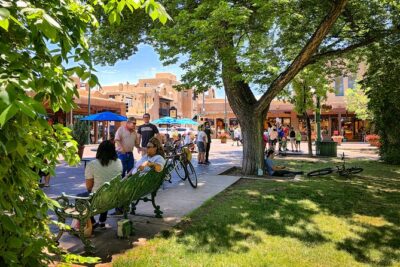
2-Hour Photography Class While Touring Downtown Santa Fe, Smart Phones Welcome!
Read our review →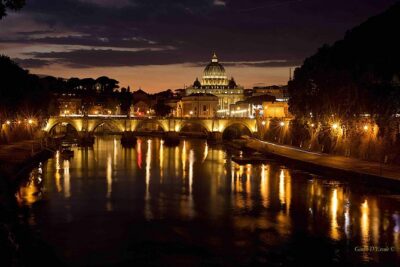
Unique Rome by Night, Photo Tour and Workshop Under the Stars
Read our review →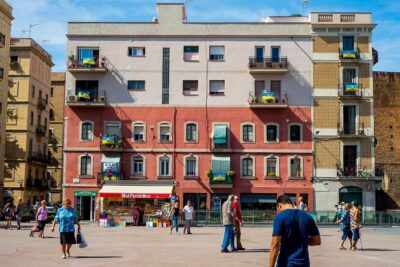
Elevate Your Photography – Barcelona Private Tour & Workshop
Read our review →
Rome Photography Masterclass – Private Photography Lesson
Read our review →
Private (Phone) Photography Class in Park & Old Town
Read our review →
Venice Photography Masterclass – Private Photography Lesson
Read our review →